

Key Takeaways
- Blepharospasm causes involuntary blinking, eyelid squeezing, or eye closure that a person cannot fully control.
- The exact cause is often unknown, but abnormal nerve signals, the basal ganglia, and the facial nerve may play a role.
- Common triggers include stress, fatigue, dry eye, bright light, screen strain, and some medication side effects.
- Medical review is important when eyelid spasms last for weeks, block vision, or affect daily tasks like reading or driving.
- Treatment may include dry eye care, trigger control, medication review, botulinum toxin injections, or surgery in severe cases.
What Causes Blepharospasm?

What causes blepharospasm is not always known. Doctors often link it to changes in nerve signals that control eyelid movement. The basal ganglia, a part of the brain that helps control movement, may play a role.
The facial nerve may also send signals that make the eyelid and facial muscles contract too often. This can lead to eyelid spasms, frequent blinking, or forced eye closure. In some cases, the cause remains unknown even after an exam.
Primary and Secondary Blepharospasm
Causes of blepharospasm can be primary or secondary. Primary blepharospasm, also called benign essential blepharospasm, often has no clear cause. Secondary blepharospasm may come from dry eye, eye irritation, bright light, medication side effects, or another movement disorder.
Common Triggers and Risk Factors
Blepharospasm can get worse with stress, fatigue, poor sleep, dry eye, and bright light. Some people also notice symptoms after long screen use or eye strain. Risk factors may include age, family history, eye disease, and certain nerve conditions.
Some drugs used to treat Parkinson’s disease may also affect muscle control. This does not mean every person taking these drugs will have eyelid spasms. It means a doctor should review the full medical history when symptoms begin.
Can Blepharospasm Be Prevented?
Blepharospasm cannot always be prevented because primary blepharospasm often has no clear cause. Some people can reduce flare-ups by managing sleep, stress, dry eye, and bright light. Tinted lenses, screen breaks, and eye lubrication may help certain patients, but they do not replace a diagnosis. A doctor should guide care when eyelid spasms are frequent, severe, or linked to vision changes.
Blepharospasm Symptoms and Warning Signs
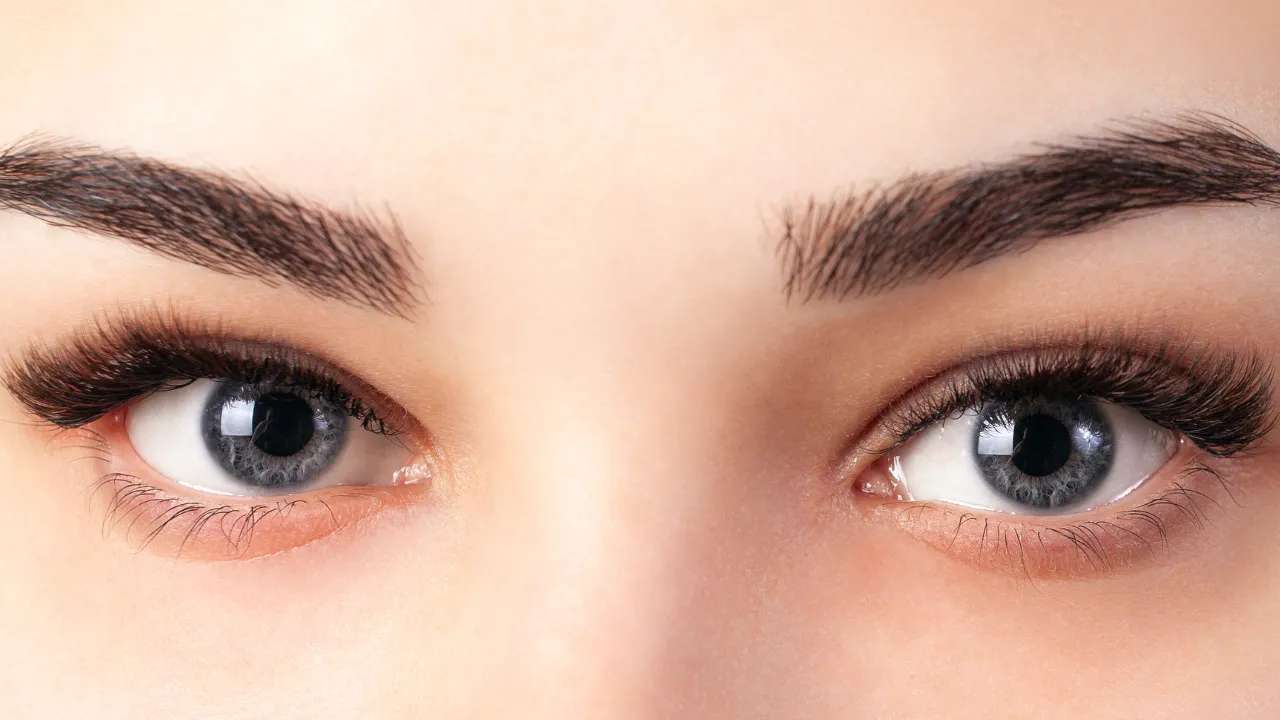
The symptoms of blepharospasm can affect reading, driving, work, or screen use.
- Frequent blinking that happens without control
- Eyelids that feel hard to control
- Eyelids that close suddenly or without warning
- Eyelid spasms that become stronger over time
- Trouble reading, driving, working, or using screens
- Eye twitching that lasts for several weeks
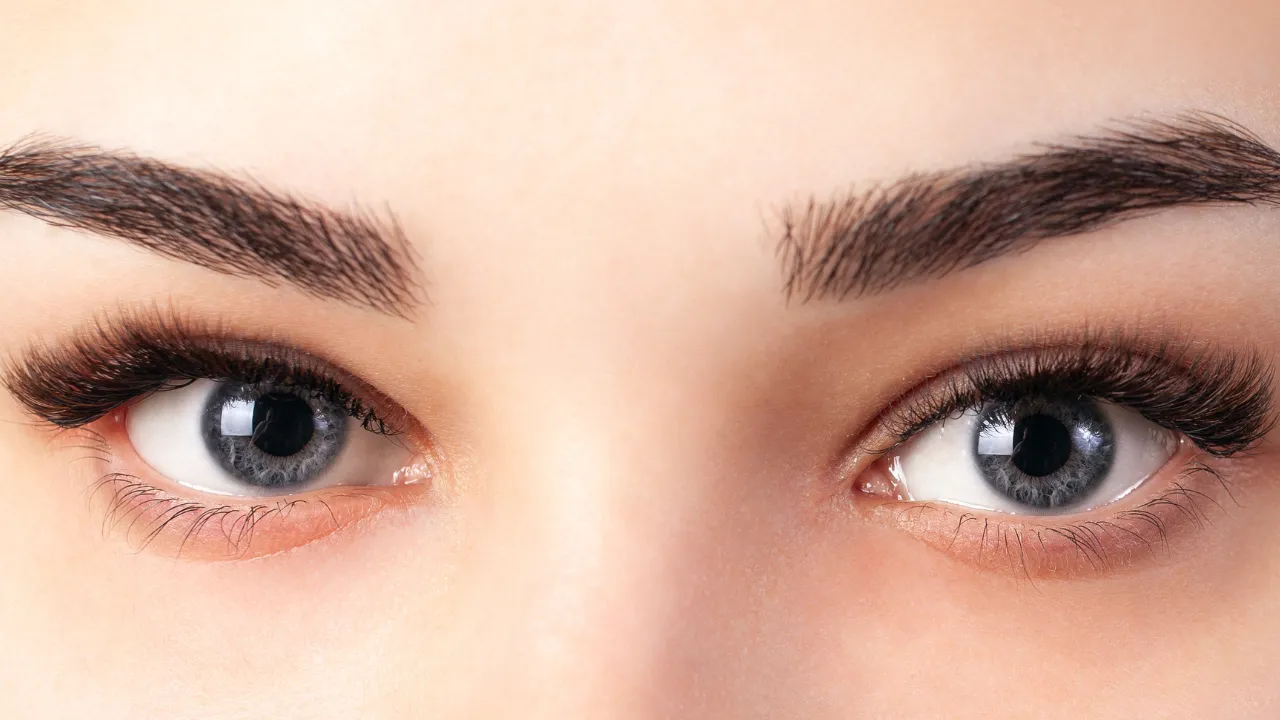
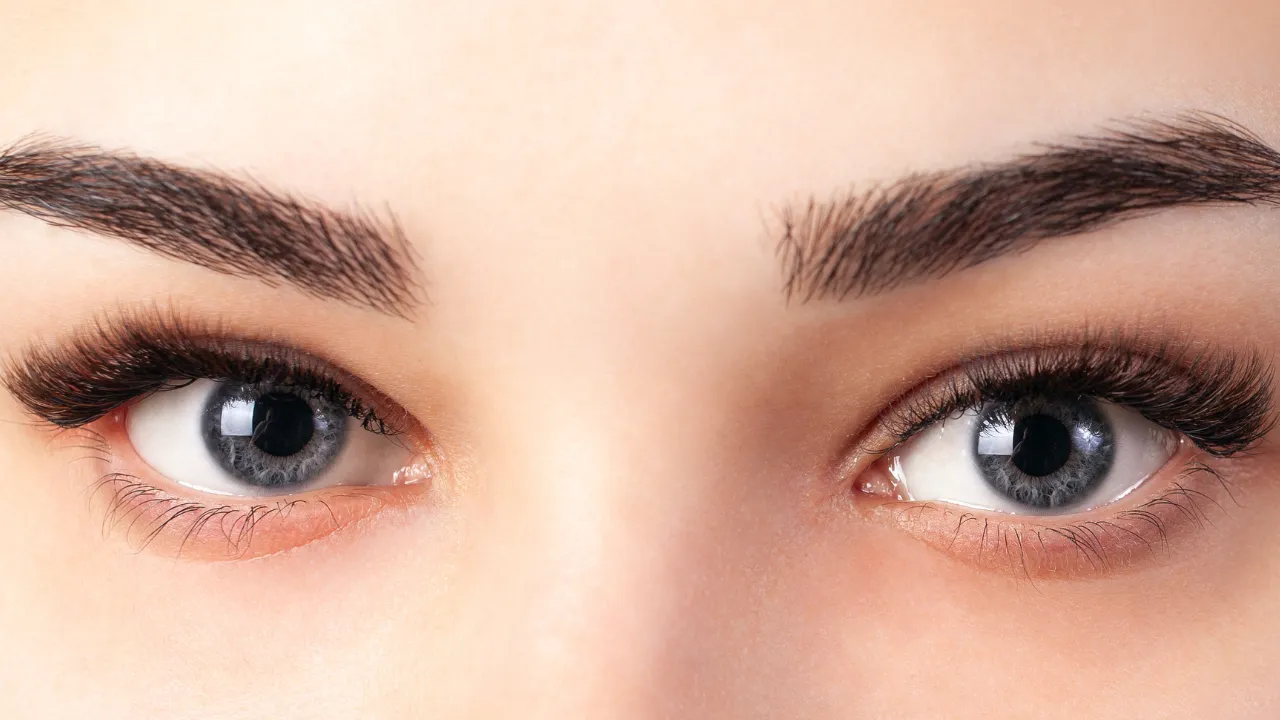
- Eyes may resemble one eye closing involuntarily in some cases.
- Vision that becomes blocked or disrupted
Blepharospasm Causes in Children
Blepharospasm causes in children are rare. In children, eyelid spasms may come from eye irritation, dry eye, tics, medicine, or a nerve condition. Parents should seek medical review if twitching lasts, affects vision, or appears with other movement changes.
How Doctors Diagnose Blepharospasm 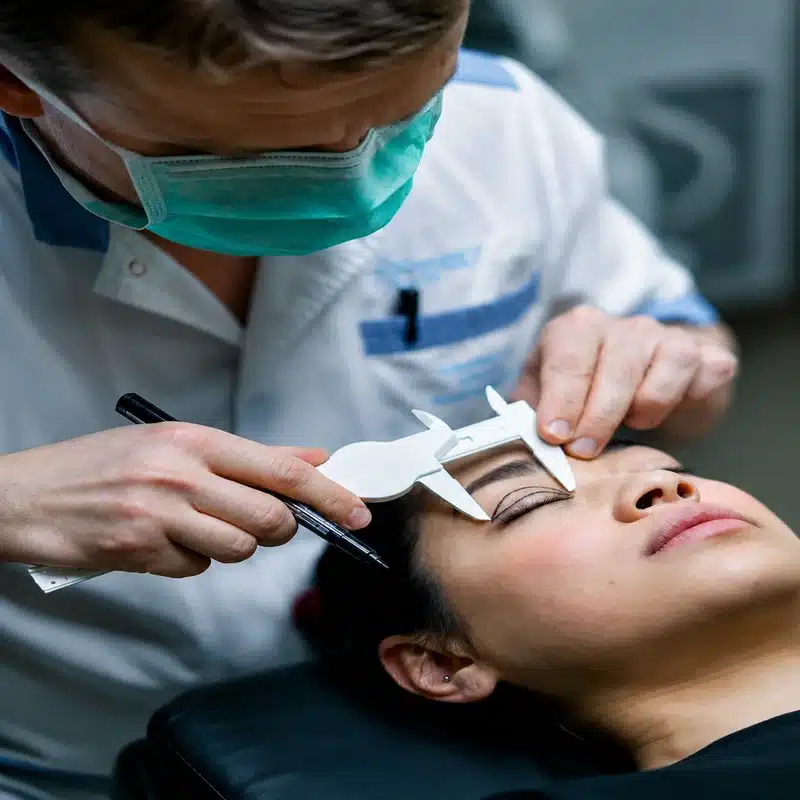
Diagnosis often starts with a medical history and eye exam. The doctor asks when symptoms began, what makes them worse, and whether one or both eyes are affected. A nerve exam may help rule out hemifacial spasm, Meige syndrome, or another movement disorder.
Blepharospasm Treatment Options
Blepharospasm treatment depends on the cause, symptom severity, and the patient’s health. Treatments include dry eye care, trigger control, medication review, and botulinum toxin injections to relax overactive eyelid muscles.
Surgery may be considered only for severe cases that do not improve with other care, while separate eyelid procedures may involve different planning factors, such as blepharoplasty cost.
Patients considering eyelid procedures may also want to know whether they will be awake during blepharoplasty, since anesthesia planning depends on the procedure and patient needs.
What to Expect From Botulinum Toxin
Botulinum toxin injections are a common treatment for blepharospasm. The medicine relaxes selected eyelid muscles so spasms happen less often or with less force. The effect is temporary, so repeat treatment may be needed every few months. Possible side effects can include temporary eyelid droop, dry eye, or double vision.
Light Sensitivity and Tinted Lenses
Bright light can trigger or worsen eyelid spasms in some patients. Tinted lenses may help reduce light sensitivity, especially when glare worsens symptoms. This approach does not address the underlying cause of blepharospasm, but it may help with comfort as part of a broader care plan.
Can Blepharospasm Go Away?
Primary blepharospasm is often long-term, and there is no known cure. Some cases may improve, but this is not predictable.
Schedule an evaluation with Dr. Kopelman to review your eyelid spasms, identify possible triggers, and discuss safe treatment options based on your symptoms and medical history.