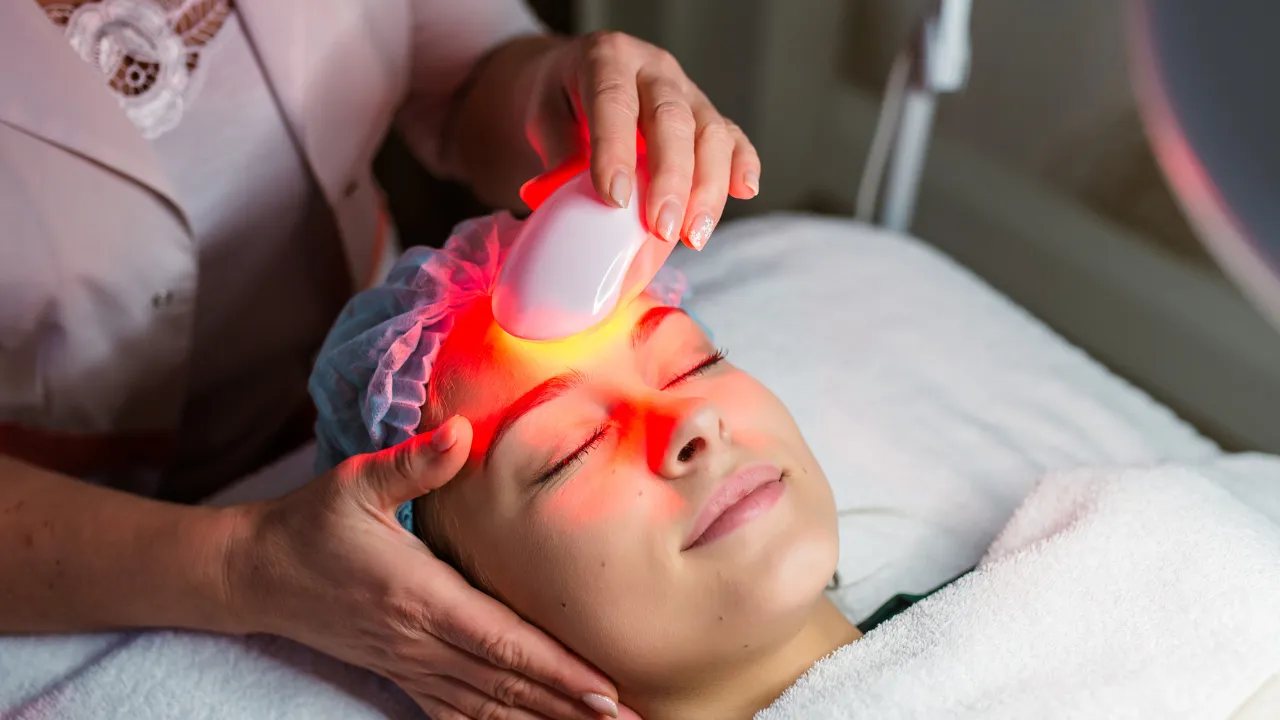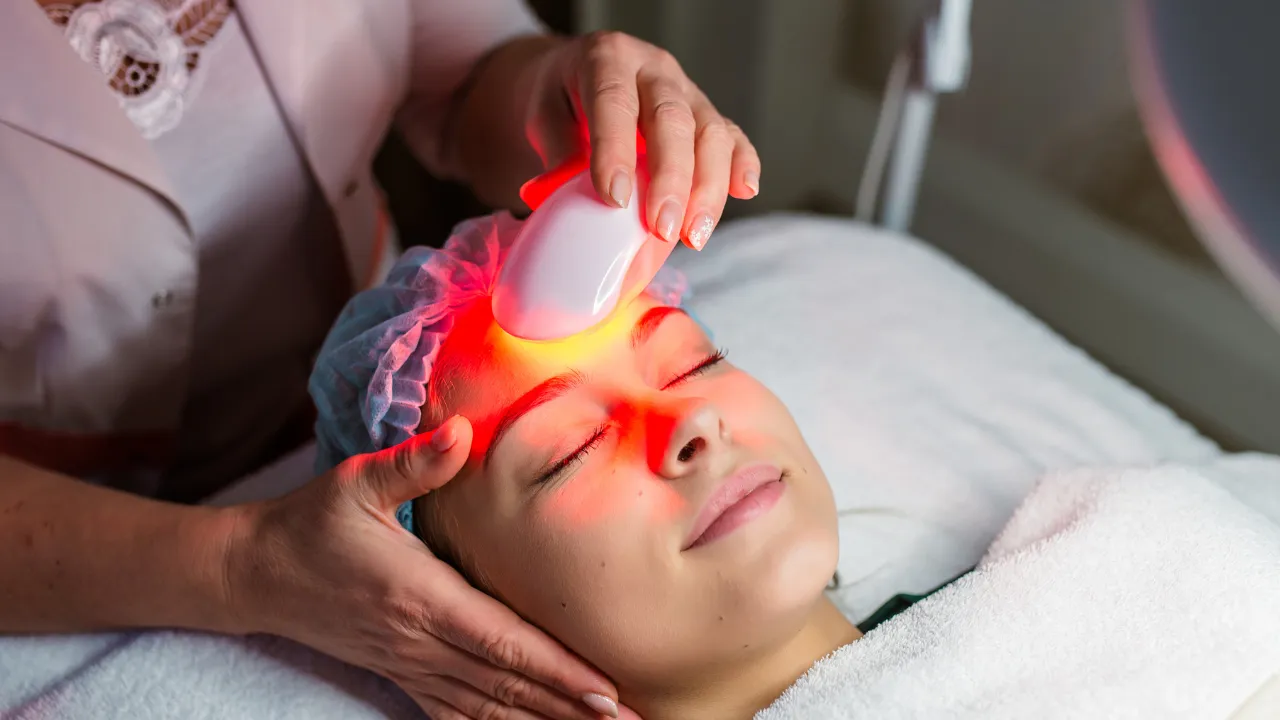


Botox effects typically last several months, so repeat injections are often needed. Surgery may be considered when spasms remain severe or eyelid opening remains difficult despite injections.
Key Takeaways
- Blepharospasm treatment often starts with Botox because it can relax the eyelid muscles that close too strongly.
- Medication and supportive care may help some patients, but they usually play a secondary role.
- Dry eyes, light sensitivity, stress, and eye irritation can make spasms worse, so trigger control matters.
- Surgery may help severe cases that do not respond well to injections or other care.
- A specialist should evaluate spasms that affect vision, driving, reading, work, or eyelid opening.
What Is the Best Treatment for Blepharospasm?
Botulinum toxin injections, commonly known as Botox, are considered the first-line and most effective treatment for many patients with blepharospasm because they reduce excessive eyelid muscle activity.
Cleveland Clinic describes onabotulinumtoxinA as a first-line treatment, while EyeWiki describes botulinum toxin injection into eyelid protractor muscles as first-line care for benign essential blepharospasm.
The best treatment still depends on symptom severity, eye surface health, diagnosis, and prior response to care. Some patients may also benefit from lubricating eye drops, tinted lenses, oral medications, or surgery in severe cases.
Why Botox Is Usually First
Botox targets the muscles that close the eyelids too forcefully. In blepharospasm, treatment often focuses on the orbicularis oculi muscle and nearby eyelid protractor muscles. The goal is to reduce spasms while preserving enough blink function to protect the eyes.
When Medication May Help
Blepharospasm treatment medication may help some mild cases, but oral drugs often have limited benefit. Doctors may consider medication when spasms are less severe or when Botox is not suitable. EyeWiki notes that oral medications are rarely effective for benign essential blepharospasm and must be weighed against side effects.
When Surgery May Be Needed
Surgery may be considered when severe symptoms continue despite injections and supportive care. It may also help some patients with apraxia of eyelid opening, where the eyelids remain difficult to open even without strong spasms. Surgery is not the first option for most patients.
What Is Blepharospasm?
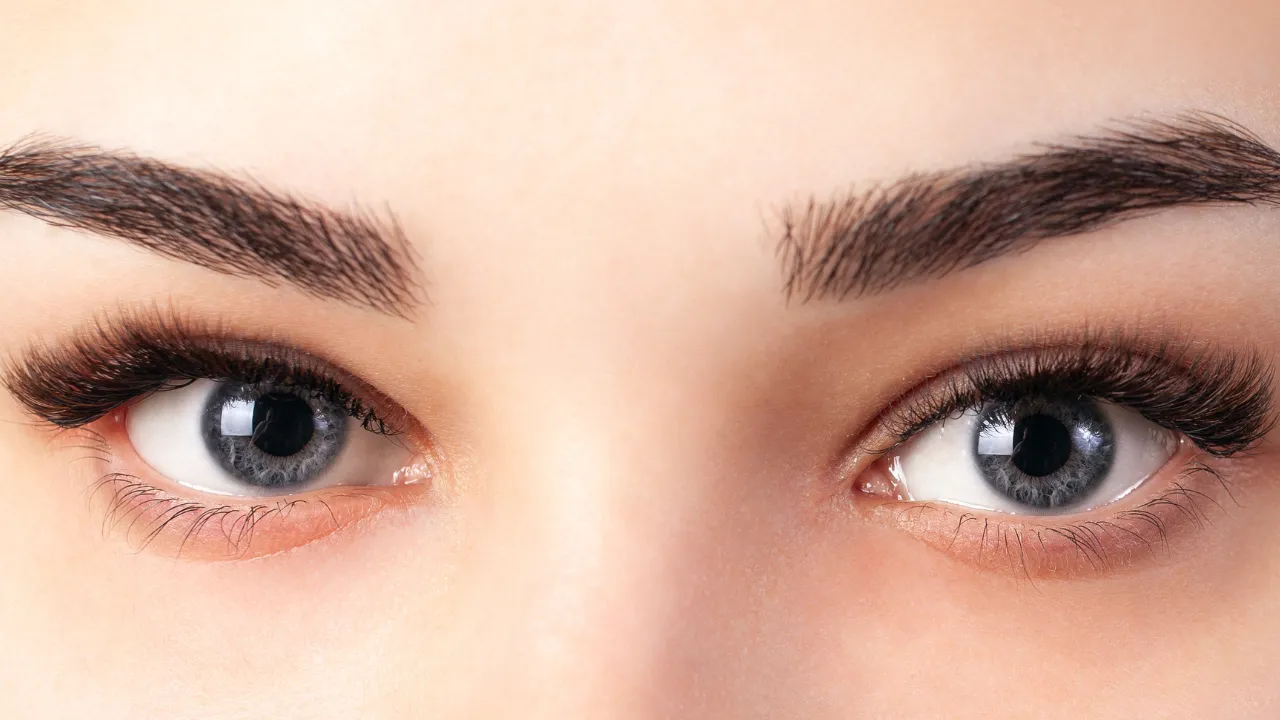
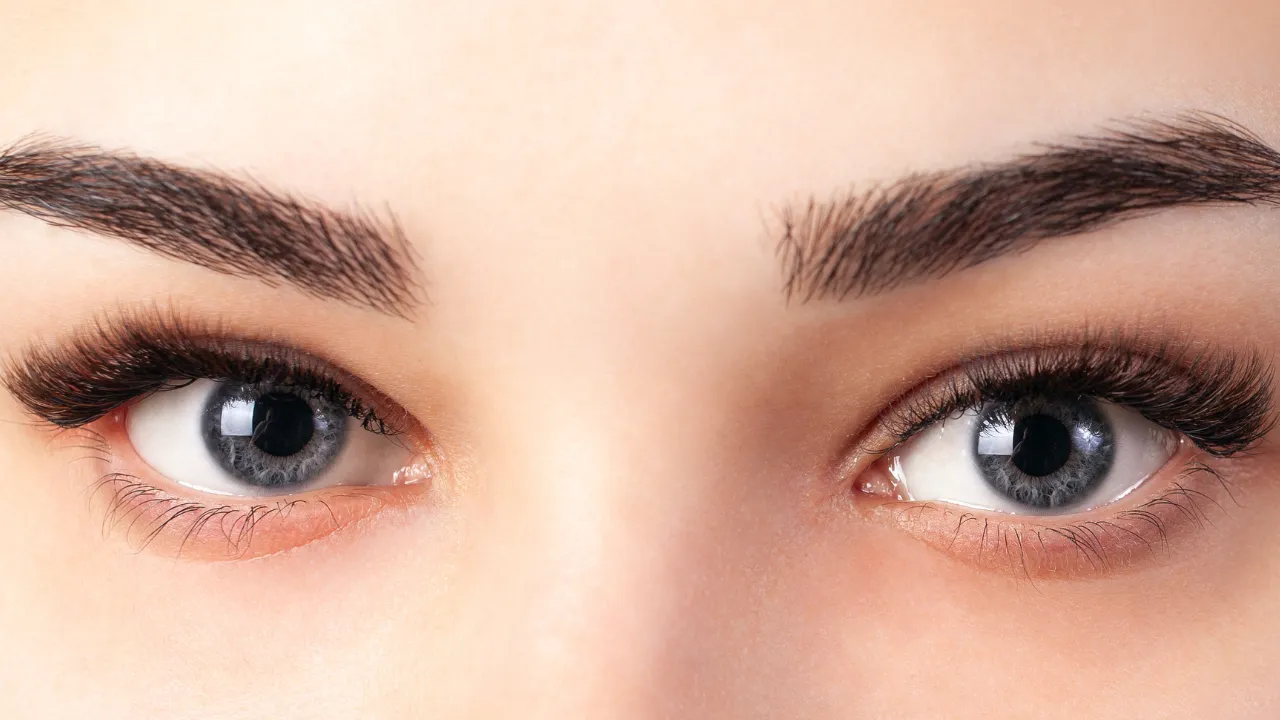
Blepharospasm is an involuntary contraction of the eyelid muscles. It differs from simple eyelid twitching because it can cause repeated, forceful closure of the eyes. Severe cases may affect reading, driving, work, screen use, and daily safety.
Benign Essential Blepharospasm
Benign essential blepharospasm is a form of focal dystonia. It usually affects both eyes and is not linked to another clear disease. EyeWiki describes it as a bilateral condition that causes episodic eyelid closure.
Blepharospasm vs Eyelid Twitching
Common eyelid twitching is usually brief, mild, and often linked to fatigue, caffeine, stress, or eye strain. Blepharospasm is different because the eyelids may close forcefully, repeatedly, or in an uncontrollable pattern. It often affects both eyes and may interfere with reading, driving, screen use, or daily tasks.
Blepharospasm Treatment With Botox
What to Expect During Botox Treatment
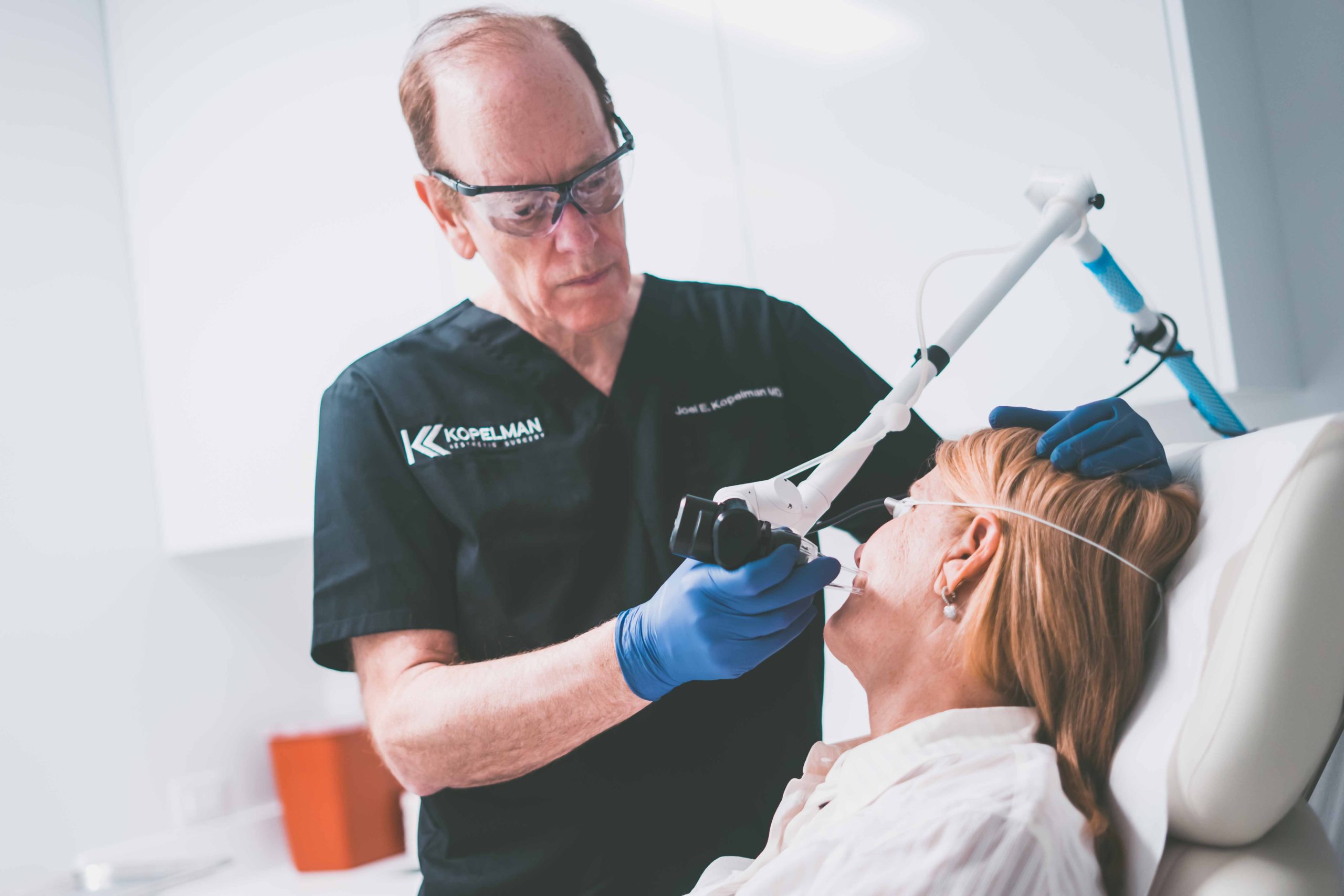
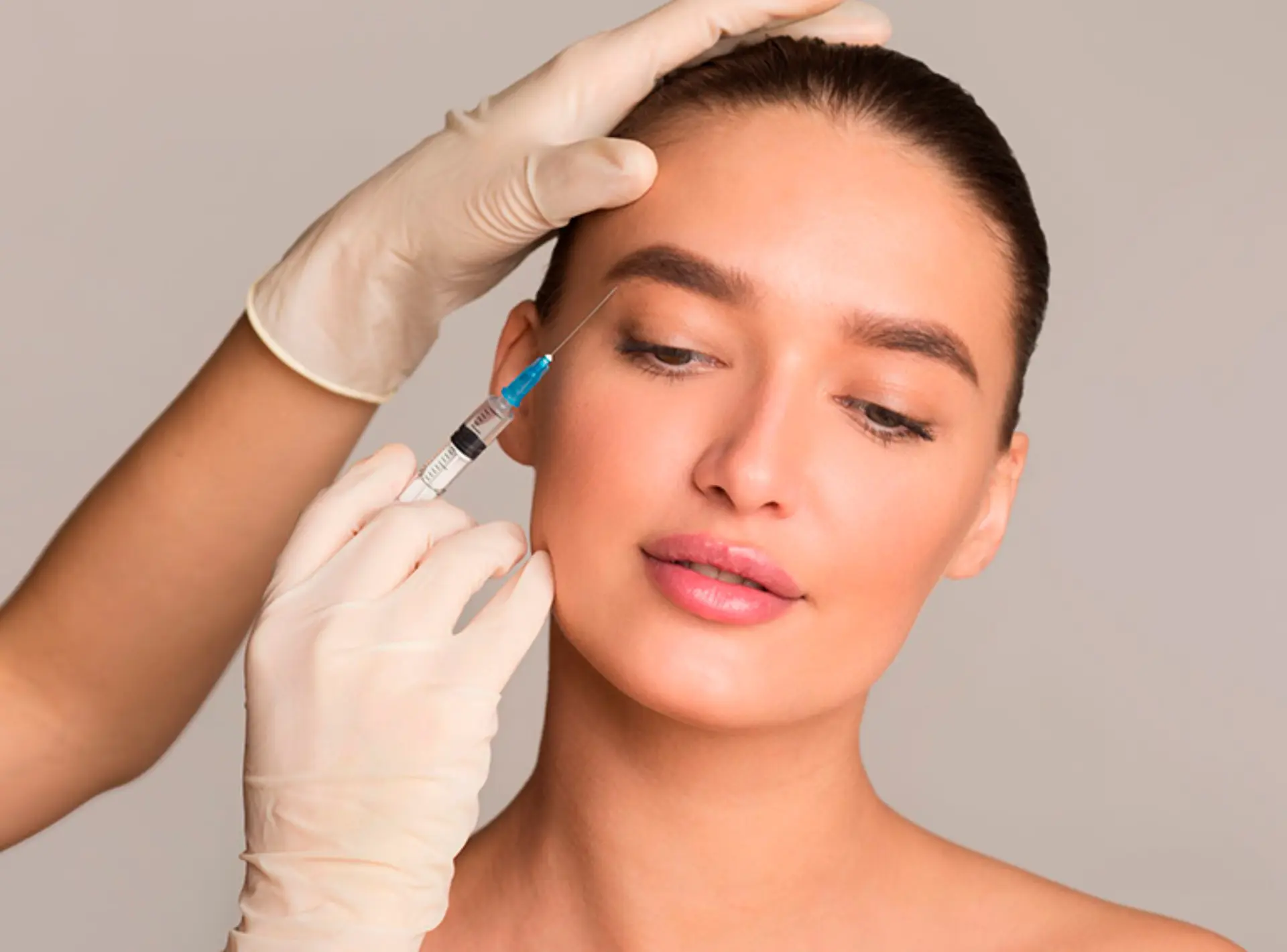
During Botox treatment, a clinician places small injections around the eyelids where overactive muscles contribute to spasms. The injection plan may involve the orbicularis oculi muscle and nearby eyelid muscles, depending on the pattern of closure.
The goal is to weaken selected muscles enough to reduce spasms while preserving protective blinking.
Treatment is usually done in an office setting and does not require major downtime. Some patients notice mild bruising, tenderness, tearing, or temporary eyelid weakness after injections. Follow-up helps the clinician assess benefits, side effects, and whether the dose or injection pattern should be adjusted at the next visit.
When Results Appear
Results often begin within a few days after treatment. Cleveland Clinic states that these injections often start working within two or three days. EyeWiki reports an average onset of two to three days, with peak effect around seven to ten days.
How Long Do Results Last
Botox effects are temporary. Cleveland Clinic and EyeWiki both describe typical benefits lasting about three to four months. Repeat treatment is usually needed when symptoms return.
Botox Side Effects
Possible side effects include bruising, eyelid droop, dry eyes, tearing, blurred vision, double vision, and corneal exposure. These effects can occur when a toxin affects nearby muscles or changes eyelid closure. A careful injection plan helps reduce risk, but it cannot eliminate it. Botox near the lower eyelid is also discussed in cosmetic topics like Botox for under-eye bags, but blepharospasm care uses a different goal and treatment plan.
Blepharospasm Medication and Supportive Care
Supportive care can reduce triggers that worsen spasms, especially when eye-surface irritation is involved. These measures may not replace Botox in moderate or severe cases. They can still improve comfort and daily function.
Oral Medication Limits
Oral medications may include muscle relaxants or sedating medicines in select cases. EyeWiki states that oral medications are rarely effective for benign essential blepharospasm, though they may help mild symptoms or extend the time between injections for some patients. Side effects must be considered before use.
Eye Drops and Dry Eye Care
Dry eyes can aggravate reflex blinking and eyelid closure. Lubricating drops, eyelid hygiene, and blepharitis care may reduce irritation. EyeWiki recommends artificial tears and eyelid scrubs when dry eye or blepharitis contributes to reflexive spasms.
Light Sensitivity Support
Light sensitivity can worsen spasms in some people. FL-41 tinted lenses may help reduce photophobia and bright light triggers. Cleveland Clinic and EyeWiki both describe FL-41 lenses as a supportive option for light sensitivity related to blepharospasm.
Blepharospasm Causes and Symptoms
Causes of blepharospasm can involve the nervous system, eye surface irritation, or both. The condition may begin with mild eyelid twitching and progress to stronger eyelid spasms. Symptoms of blepharospasm may become more disruptive when blinking turns forceful or frequent.
Neurologic Causes
Primary blepharospasm is considered a movement disorder. It may involve abnormal control of blinking through brain movement circuits and facial nerve activity. Related movement disorders, such as cervical dystonia, may appear in some patients.
Eye Irritation Triggers
Eye irritation may trigger reflex blepharospasm. Dry eye, blepharitis, inflammation, and bright light can increase blinking frequency. These triggers can raise blink rate and lead to increased blink episodes.
How Doctors Diagnose Blepharospasm
Diagnosis depends on symptoms, medical history, exam findings, and exclusion of similar conditions. There is no single blood test that confirms benign essential blepharospasm. EyeWiki describes blepharospasm as a clinical diagnosis that must be distinguished from secondary causes.
Eye and Facial Exam
An exam checks eyelid position, blink pattern, eye surface health, and facial movement. The doctor may observe whether spasms involve both eyes or one side of the face. Upper eyelid function also matters when eyelid opening is reduced.
Conditions to Rule Out
Doctors may rule out eyelid myokymia, hemifacial spasm, dry eye disease, medication-related movement changes, and neurologic disorders. They also assess whether symptoms fit primary or secondary blepharospasm. This step helps prevent an incomplete or mismatched care plan.
Surgical Treatment for Blepharospasm
Surgery is usually reserved for severe symptoms that do not respond well to injections. It may reduce muscle force when spasms remain disabling. Dr. Kopelman may assess eyelid anatomy, muscle action, and surgical candidacy in selected cases. This medical use differs from a cosmetic Botox eyebrow lift, which focuses on brow position rather than eyelid spasms.
Myectomy Surgery
Myectomy removes or reduces parts of the eyelid muscles that close the eyes too forcefully. The procedure often focuses on the upper eyelid and nearby muscle segments. EyeWiki describes surgery as reserved for patients who respond poorly to botulinum therapy and remain disabled by symptoms.
Candidates for Surgery
Candidates may include people with severe symptoms, poor response to Botox, or apraxia of eyelid opening. Surgery requires a detailed exam and discussion of limits. It is not the standard first option for most patients.
Surgical Risks
Surgical risks can include dry eye symptoms, incomplete eyelid closure, scarring, asymmetry, infection, and persistent spasms. Recovery depends on the procedure, tissue healing, and eye surface condition. Patients need follow-up to monitor healing and function.
When to See a Specialist
A specialist visit is reasonable when spasms become frequent, painful, or visually limiting. It is also appropriate when symptoms affect driving, reading, work, or confidence in public settings. Early evaluation can separate common twitching from a movement disorder.
Symptoms That Need Care
Seek care for forceful eyelid closure, worsening spasms, double vision, eyelid droop, or trouble opening the eyes. Symptoms such as one eye closing involuntarily or spasms on one side of the face may point to a different condition. New neurologic symptoms also need direct medical review.
Choosing an Oculoplastic Surgeon
An oculoplastic surgeon understands eyelid anatomy, facial movement, eye protection, and surgical options. This background helps when treatment involves injections near the eye or surgery around eyelid muscles. Dr. Kopelman’s role is clinical evaluation and surgical judgment, not one-size-fits-all care.
Can Blepharospasm Be Cured?
Benign essential blepharospasm usually does not have a definitive cure. Treatment focuses on reducing spasms, improving eyelid control, protecting the eye surface, and helping the patient function more safely. Cleveland Clinic states that blepharospasm is often treatable, but there is currently no cure.