

Cheekbone fillers are injectable treatments used to add structure and support to the cheekbone area by restoring lost volume in the midface. They are commonly performed using hyaluronic acid–based dermal fillers to improve facial balance without surgery and to support individual aesthetic goals.
This article explains how cheekbone fillers work, who they may help, how the procedure is performed, and what to expect regarding safety, recovery, and longevity, based on standard medical practice at Kopelman Aesthetic Surgery in New York City.
Key Takeaways
- Cheekbone fillers are dermal fillers used to support the midface, most often with temporary, reversible hyaluronic acid products.
- Safety depends on patient selection, knowledge of facial anatomy, and proper technique during dermal filler injections.
- Results vary by anatomy, injection site, and filler placement, aiming for natural support rather than excess volume.
- Most cheekbone fillers last 9 to 18 months, and some patients achieve long-lasting results with proper placement and follow-up care.
- Understanding the cost of cheek fillers, the recovery process, and warning signs helps patients make informed, safe choices.
What Are Cheekbone Fillers?
Cheekbone fillers are injections used to add structure and support to the cheekbone area. They are often used for cheek augmentation in patients with volume loss or naturally flatter cheeks. The goal is to improve facial balance while keeping natural proportions.
Most treatments use dermal fillers for cheekbones made from hyaluronic acid (HA), a substance naturally found in the body. This material helps the skin retain moisture and provides structural support. When placed correctly, fillers support tissue without limiting facial movement.
Hyaluronic acid fillers are widely used because they are temporary and reversible. Products such as Restylane Lyft and Juvederm Voluma are commonly used to support the cheekbones. These products are FDA-approved for use in the midface when injected by trained professionals.
Are Cheekbone Fillers Safe?
When performed by trained medical professionals, cheekbone fillers are considered safe for many patients. Safety depends on careful planning, proper technique, and the use of FDA-approved products. These factors help lower avoidable risk.
Cheekbone fillers require strong knowledge of facial anatomy. Incorrect depth or placement can increase the chance of complications, especially when cheek filler danger zones are not carefully avoided. Most side effects are mild, but improper dermal filler treatment can lead to more serious problems.
Some patients may not be good candidates for treatment. This includes those with active skin infections, bleeding disorders, or certain medical conditions. Dr. Kopelman emphasizes careful evaluation to reduce unnecessary risk.
How Cheekbone Fillers Are Performed
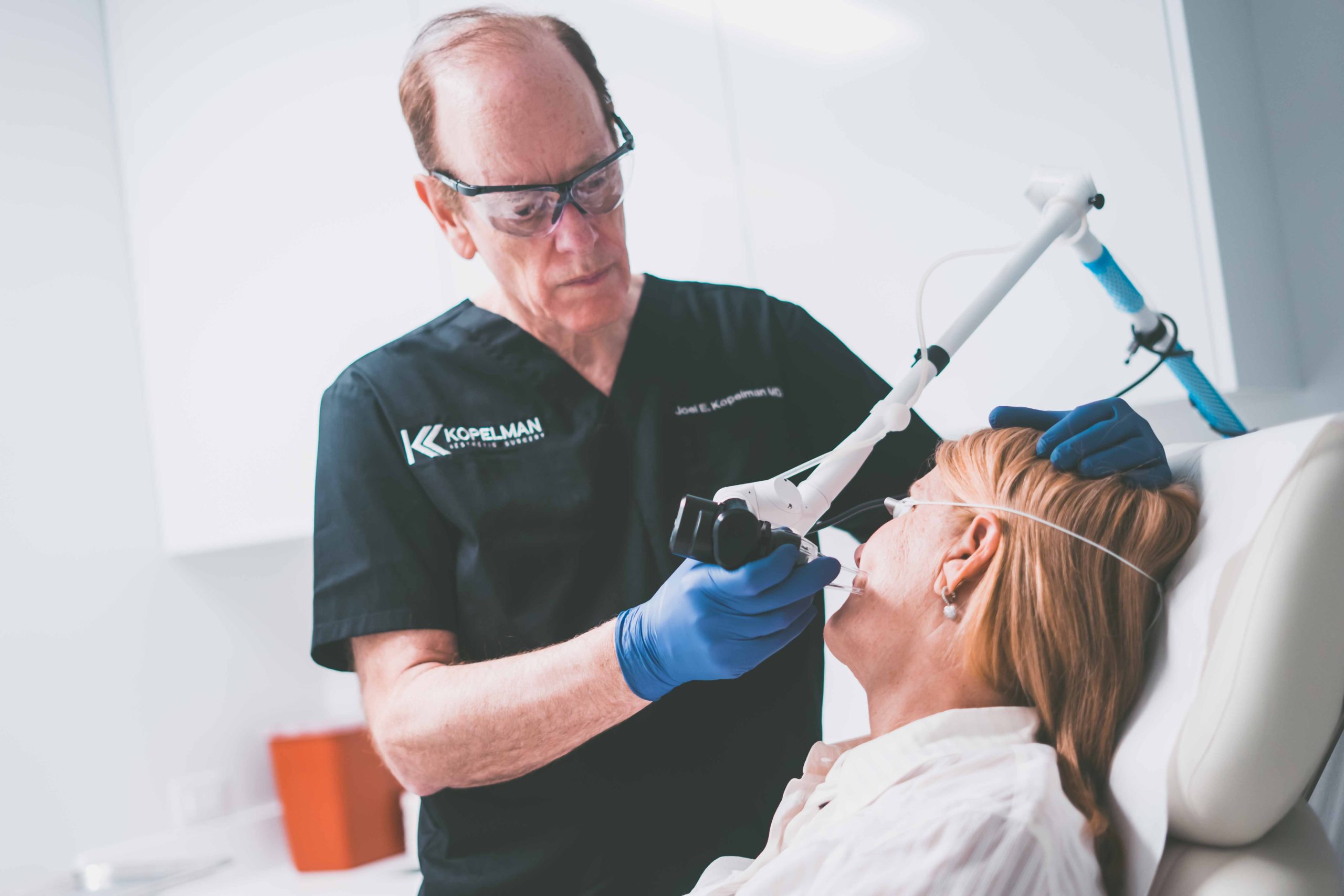
The cheek filler procedure starts with a facial exam to assess bone structure, soft tissue, and symmetry. The injection site is chosen based on anatomy and treatment goals, including precise cheek filler injection points. Fillers are placed slowly to control shape and volume.
Facial anatomy guides the depth and location of filler injection. Blood vessels and nerves vary from patient to patient, which is why precision matters. Cheekbone fillers are often placed deeper than fillers used in areas such as the nasolabial fold, also known as smile lines.
The cheek filler procedure usually takes about 30 minutes. A numbing cream or local anesthetic may be used for comfort. Most patients return to normal activities the same day with mild swelling.
Cheekbone Fillers Before and After Results
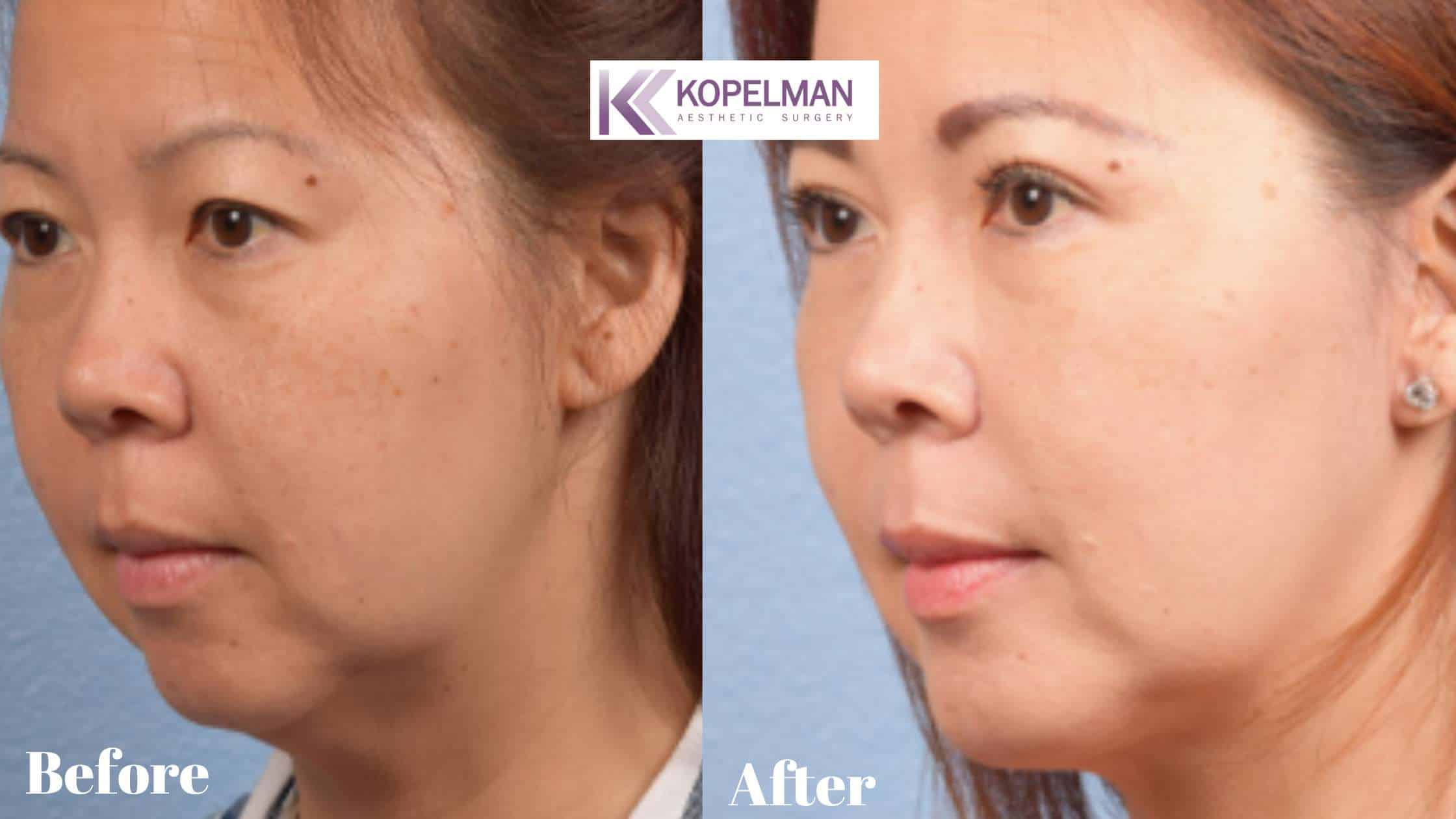
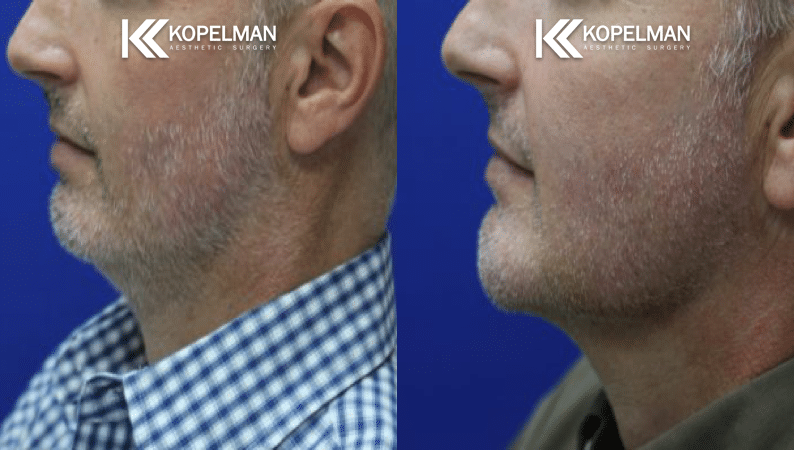
Results vary based on age, anatomy, and treatment goals. Common changes include improved cheek definition and better midface support, often as part of a broader full-face contouring with filler approach. In some cases, improved cheek structure can soften the appearance of smile lines without directly treating them.
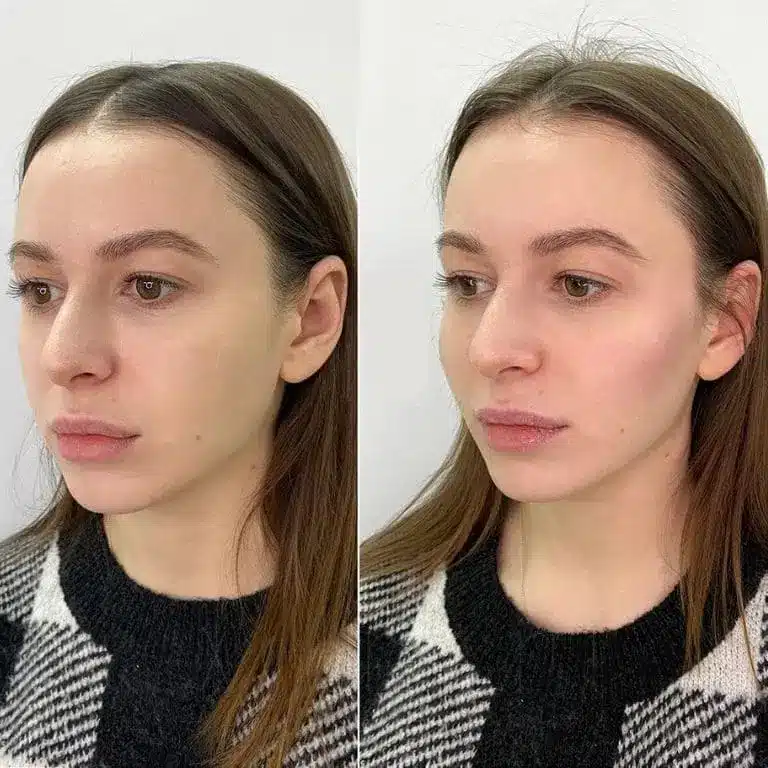
Well-planned cheekbone fillers do not restrict facial movement. Too much filler can create an unnatural look, which is why conservative placement is often recommended. Clear planning helps match outcomes with patient expectations.
How Long Do Cheekbone Fillers Last?
The duration depends on filler type, placement depth, and how the body breaks the product down. Most hyaluronic acid fillers last between 9 and 18 months.
Fillers placed closer to the bone often last longer because the area moves less. Some patients experience long-lasting results, especially when treatment supports deeper facial structures. Touch-up treatments may help maintain results over time.
Is Cheekbone Filler Worth It?
Whether cheekbone filler is worth it depends on personal goals and facial structure. Many patients seek subtle contour improvement or support for age-related volume loss. Fillers are not meant to replace surgery when skin laxity is advanced.
Understanding both benefits and limits is important. Cheekbone fillers improve structure but do not stop aging. A consultation with an experienced surgeon helps guide realistic decisions.
Cheekbone Fillers for Men
Men also choose cheekbone fillers, though goals often differ. Most male patients seek definition instead of fullness. Treatment plans are adjusted to preserve masculine facial structure.

Using too much filler can soften features in an unwanted way. Careful planning and smaller volumes help maintain a natural look. Experience with male facial anatomy supports balanced results.
Cheekbone Fillers Cost
The cost of cheekbone fillers at Kopelman Aesthetic Surgery is $1,800 per session. This price reflects the use of FDA-approved products, careful treatment planning, and the experience required to perform injections safely in the midface.
Several factors are already included in this session-based price:
- The type of filler used
- The amount of product needed to meet aesthetic goals
- The complexity of the cheek filler treatment
Because results can last for many months, patients often view the cost of cheek fillers in terms of longevity and safety rather than price alone. A consultation helps confirm whether a single session is sufficient or whether future treatments may be considered.
Side Effects and Recovery
Common side effects include swelling, redness, and mild bruising. These usually improve within a few days. Cold compresses and rest can help during early recovery.
Less common risks include uneven results or lump formation. Serious complications are rare but possible. Proper technique and follow-up care reduce these risks.
Some symptoms need urgent medical care. Patients should seek help if they notice:
- Sudden vision changes
- Severe pain that worsens
- Skin color changes that appear pale or gray
Early care helps prevent long-term problems and supports safe recovery.
Choosing the Right Provider
Choosing the right provider affects both safety and results. Experience with facial anatomy is especially important for cheek filler treatment. Board-certified facial plastic surgeons are trained to assess structure and risk.
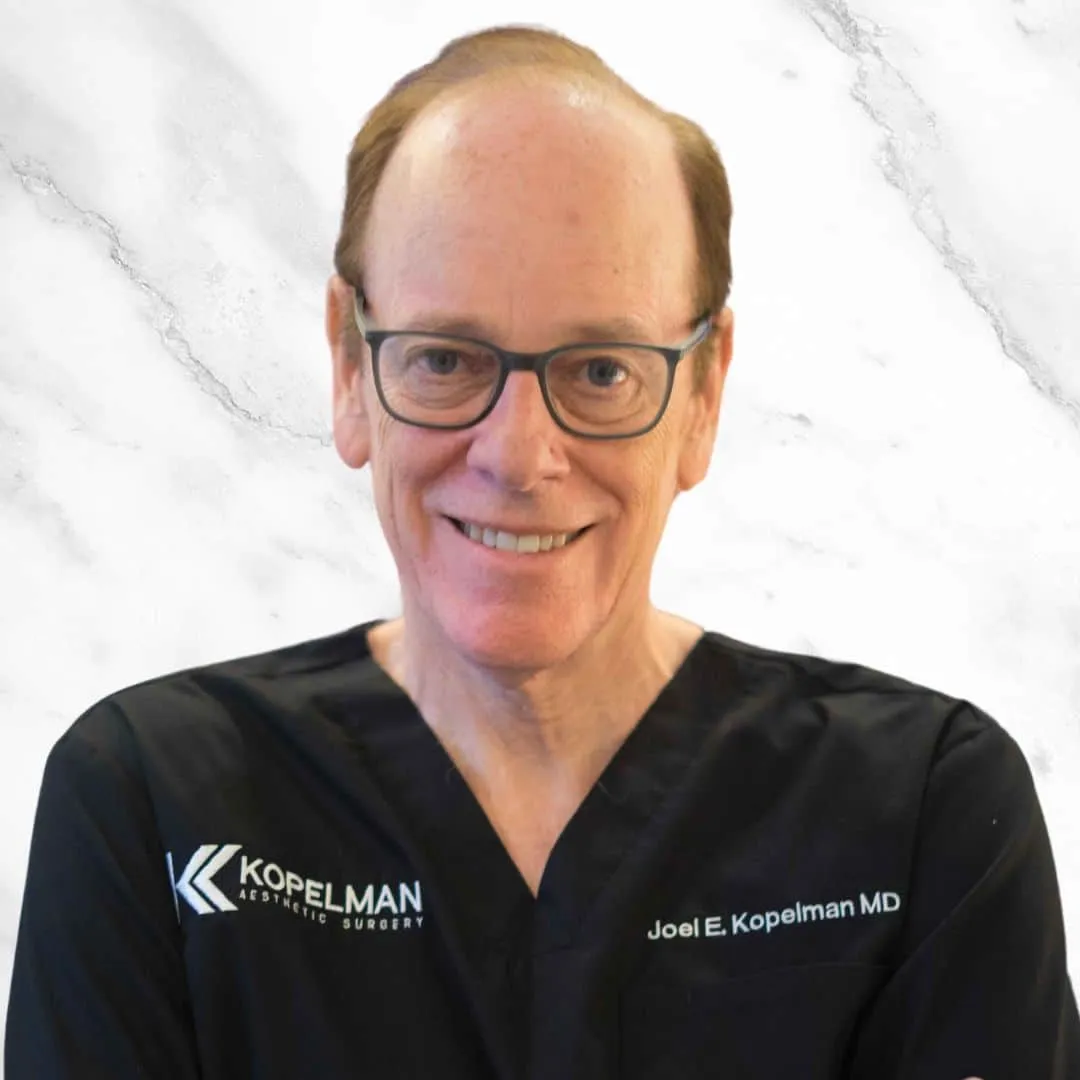
Dr. Joel Kopelman, a facial plastic and oculoplastic surgeon, focuses on careful planning and precise placement. In some patients, proper filler placement may also stimulate collagen production over time by supporting underlying tissue. Patients should look for providers who explain risks clearly and support realistic expectations.
Scheduling a visit allows for a personalized evaluation and a clear explanation of whether this treatment is appropriate based on facial structure and medical history.