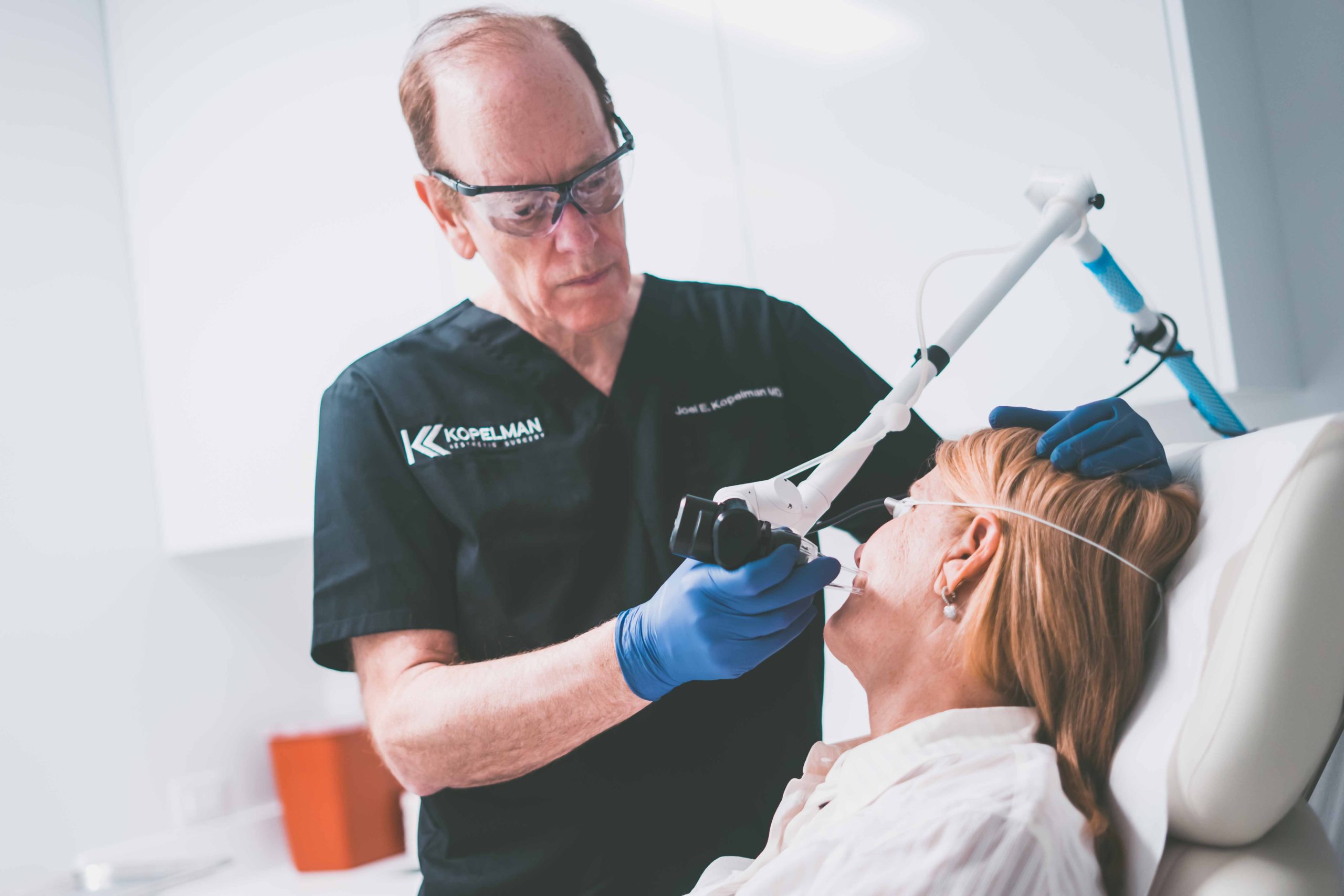

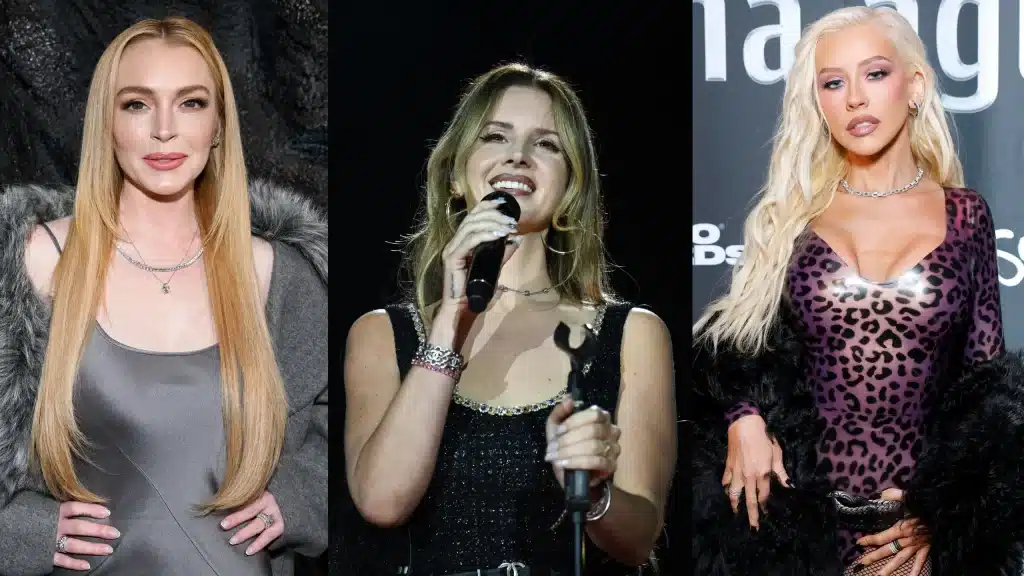
The Hollywood approach stands apart because it blends deep-plane structural correction with volumetric restoration (fat grafting). Rather than simply lifting tissue, it rebuilds the facial scaffolding. This is why results tend to look like a younger version of the patient rather than a surgically altered one.
Celebrity Facelifts – Who’s Had Them?
Which Celebrity Has the Best Facelift?
Many fans and surgeons praise Jane Fonda, Christie Brinkley, and Demi Moore for their results. These examples often top discussions of the best celebrity facelifts for their natural, refreshed appearance. Their procedures demonstrate how facial surgery can preserve expression while minimizing signs of aging.
Confirmed and Rumored Celebrity Facelifts
Here are 18 celebrities who are confirmed or widely rumored to have had facelifts:
1. Jane Fonda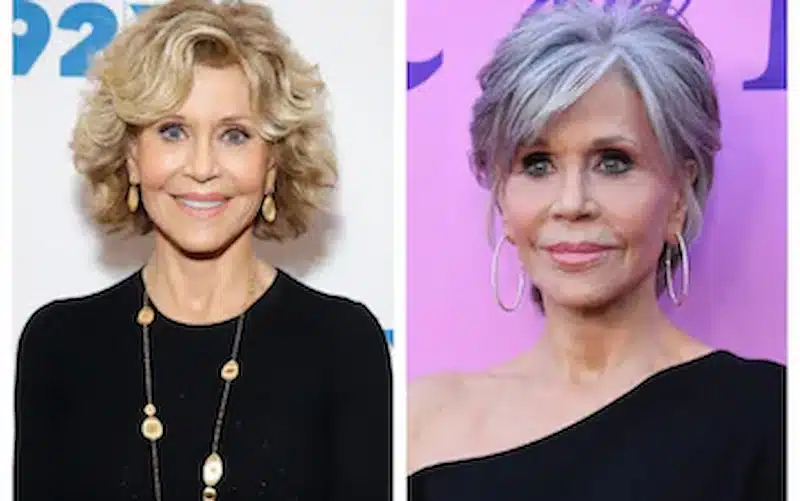
Jane Fonda confirmed her facelift in an interview with Vogue, saying she’s “not proud of the fact” but admits it happened. She has publicly stated she stopped after one procedure because she didn’t want to “look distorted.”
At 84, Fonda emphasized that while money and genetics help, she has seen wealthy women with multiple surgeries who “look terrible.” Her result is frequently cited as one of the best facelifts in Hollywood because the procedure preserved her expressive features and recognizable bone structure.
2. Kris Jenner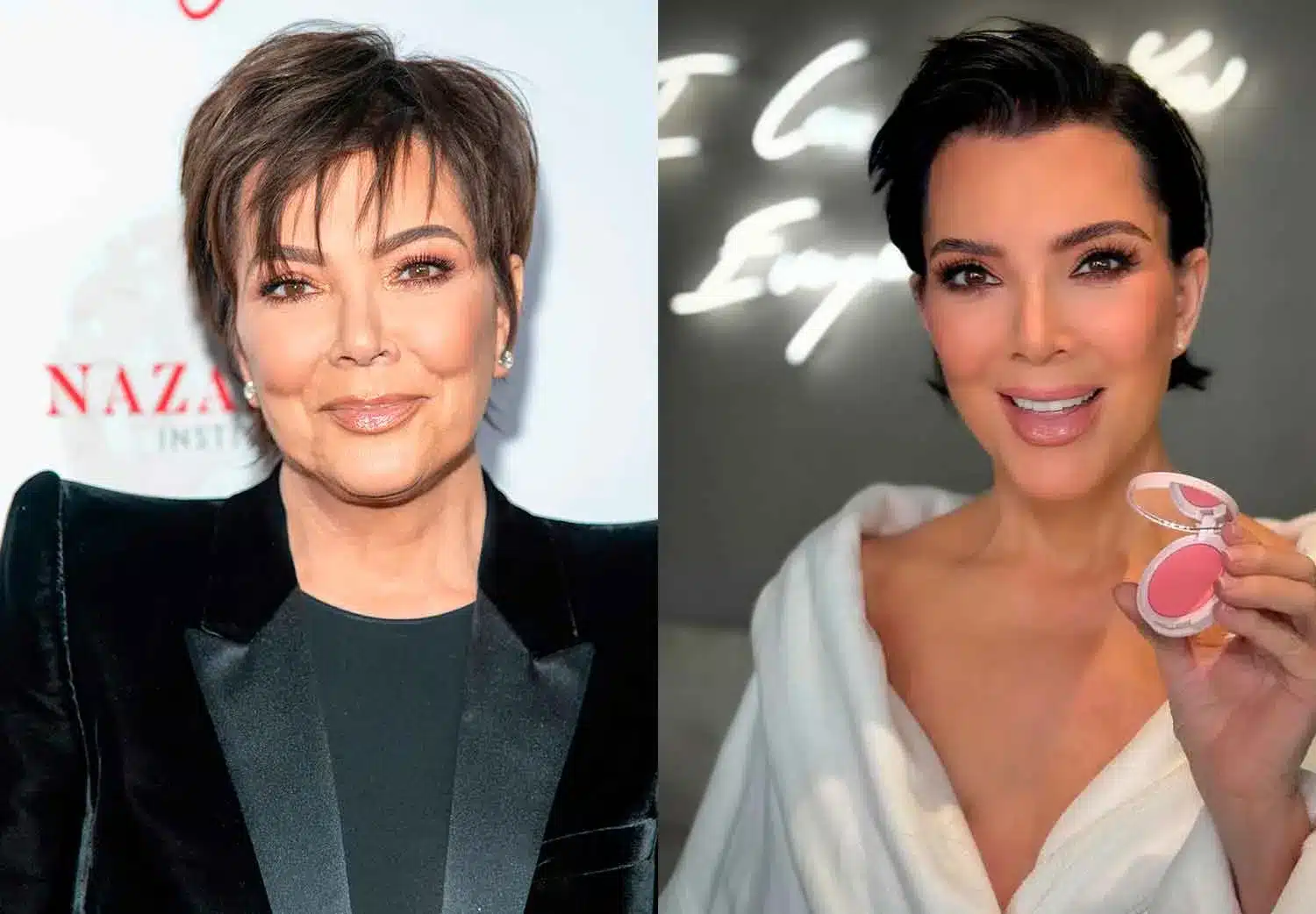
Kris Jenner has had two confirmed facelifts. Her first, performed around age 55, was documented on Keeping Up With the Kardashians ahead of Kim’s wedding to Kris Humphries in 2011.
Her second, done by Dr. Steven Levine around the time she turned 70, was discussed in Vogue Arabia in 2025. She framed the decision as “my version of aging gracefully” and noted that Kylie accompanied her to the procedure while Kim joined via FaceTime.
3. Sharon Osbourne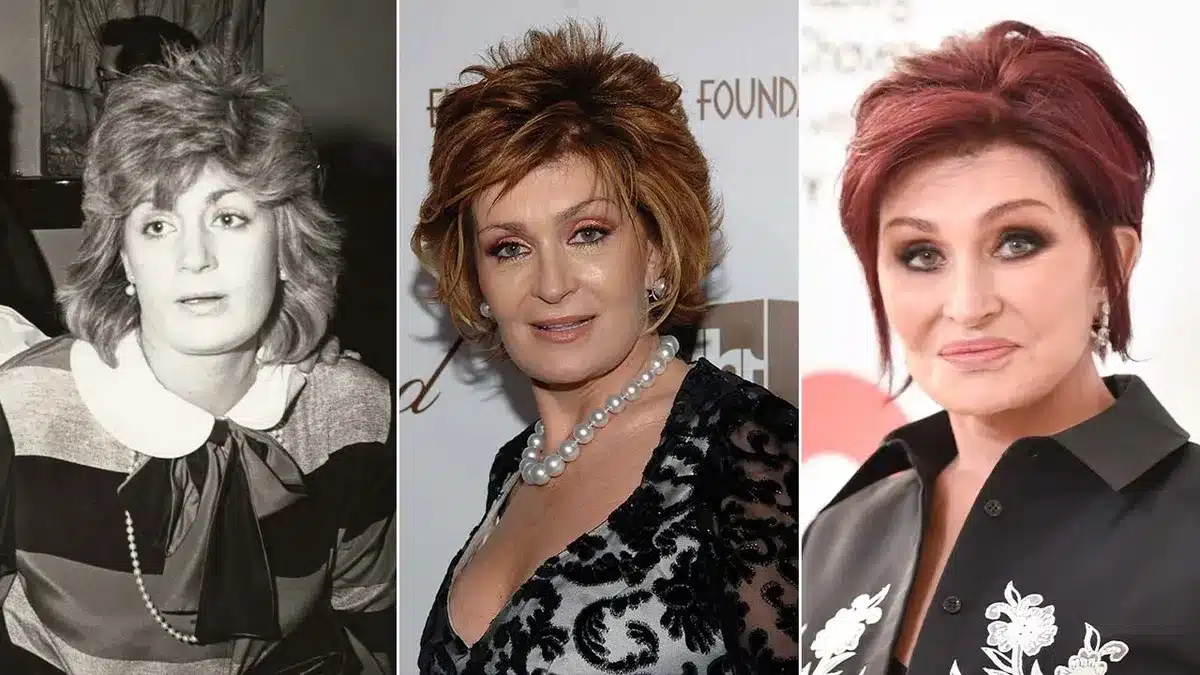
Sharon Osbourne has been candid about multiple cosmetic procedures, including a full facelift in October 2021 at age 69. In an interview with the Sunday Times, she described the initial recovery as difficult, saying one eye appeared different from the other. She later confirmed the results settled over the following months. Her openness about both the pain and the imperfect early outcome makes her case valuable for patients evaluating realistic expectations.
4. Kathy Griffin
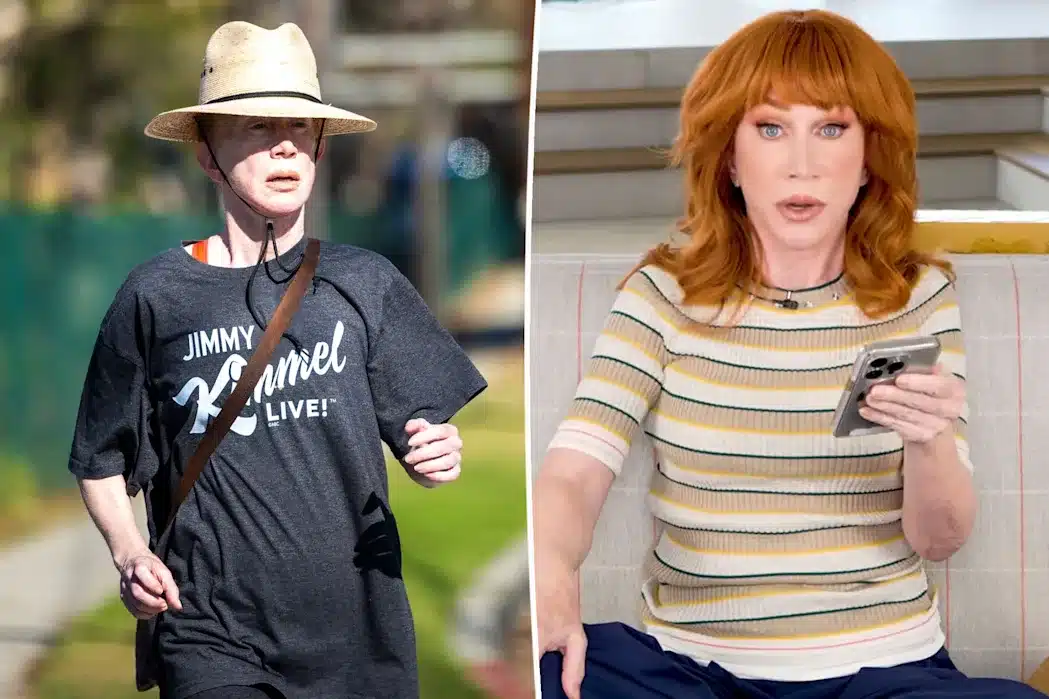
Comedian Kathy Griffin has undergone three facelifts, the most recent performed by Dr. Ben Talei. In a 2025 YouTube video titled “New Face, Same Kathy!” she described the recovery bluntly: drains under the chin, significant pain, and days of discomfort. Griffin represents a case in which multiple revisions were pursued over time, a reminder that a single well-executed procedure by a skilled surgeon can avoid the need for repeated corrections.
5. Marc Jacobs
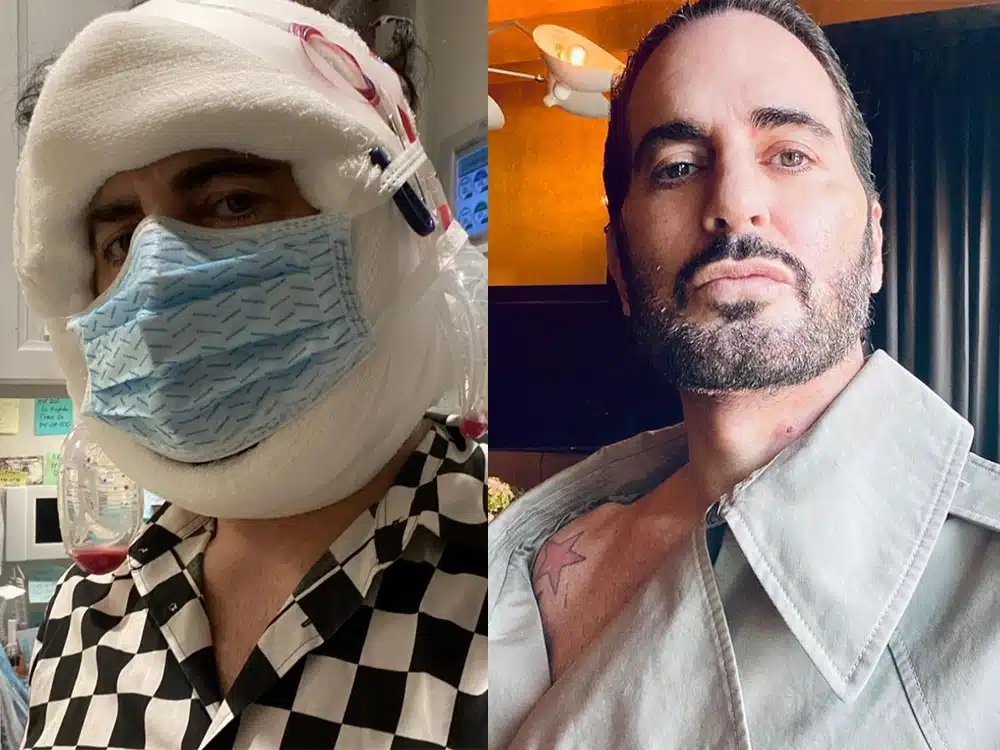
Designer Marc Jacobs received a deep-plane facelift from Dr. Andrew Jacono in 2022 at age 59. He and his husband, Charly Defrancesco, originally planned to have their facelifts on the same day — Marc compared it to couples getting massages together. He has spoken openly about being happy with his results and has become one of the more visible male public figures to normalize the procedure.
6. Ricki Lake
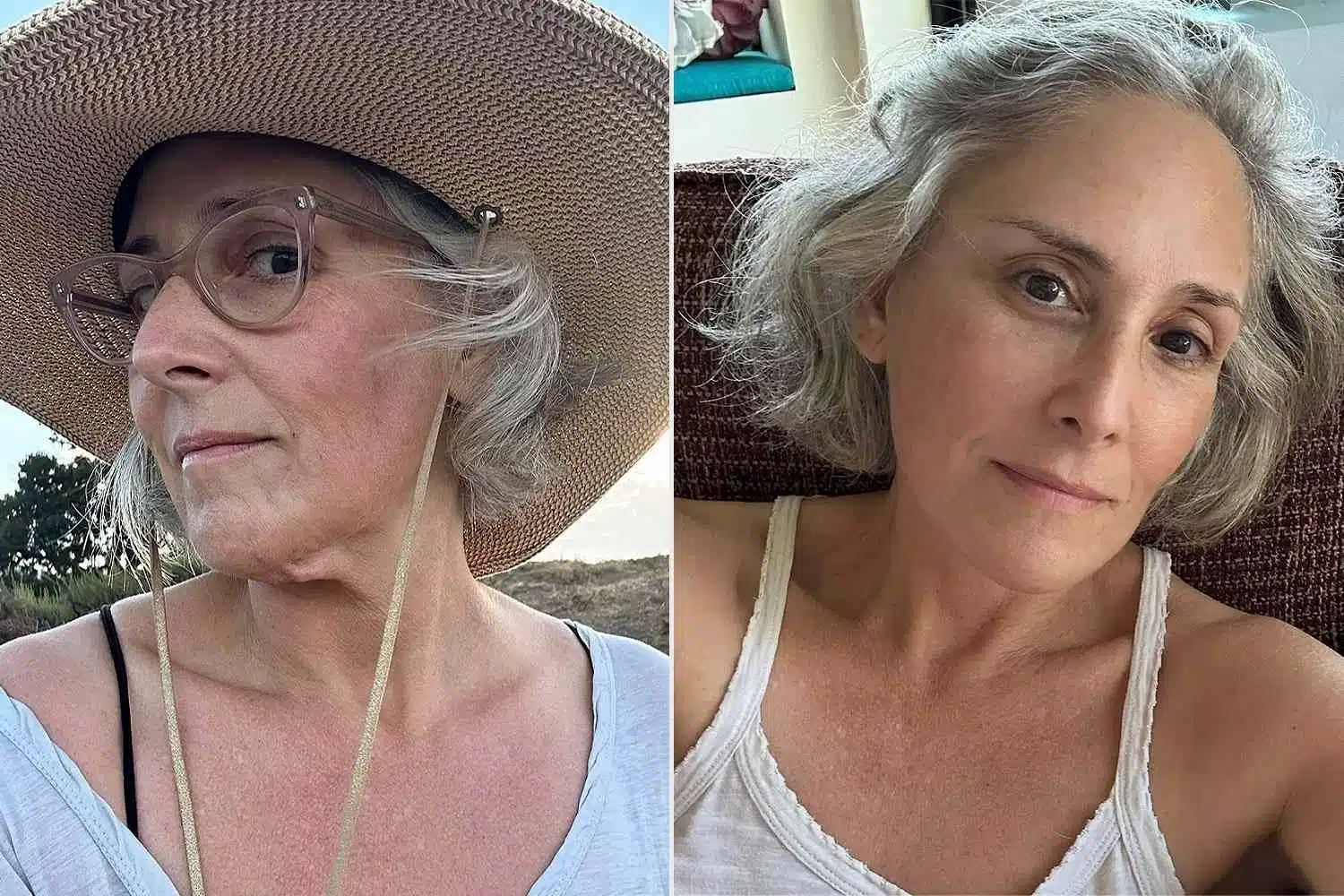
Talk show host Ricki Lake had a deep-plane lower face and neck lift in July 2024 at age 55, performed by Dr. Allen Foulad. She chose the procedure after losing 40 pounds, which left her with excess skin beneath the chin that wouldn’t tighten on its own. On Watch What Happens Live, she called it “the best facelift I’ve ever seen” and said it was one of the best decisions she ever made for herself.
7. Dr. Paul Nassif
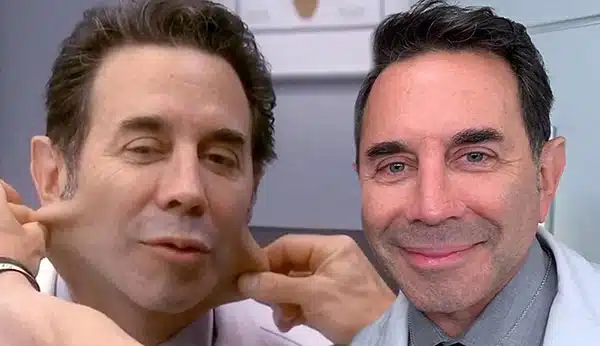
The Botched cohost and board-certified facial plastic surgeon got a deep-plane facelift from Dr. Andrew Jacono in 2018 at age 56 after losing weight, which left excess neck skin. His surgeon told Bravo that the deep-plane technique costs approximately $50,000 but lasts 12–15 years, roughly twice as long as a traditional SMAS lift. As a surgeon who chose to undergo the procedure himself, he carries unique credibility.
8. Denise Richards
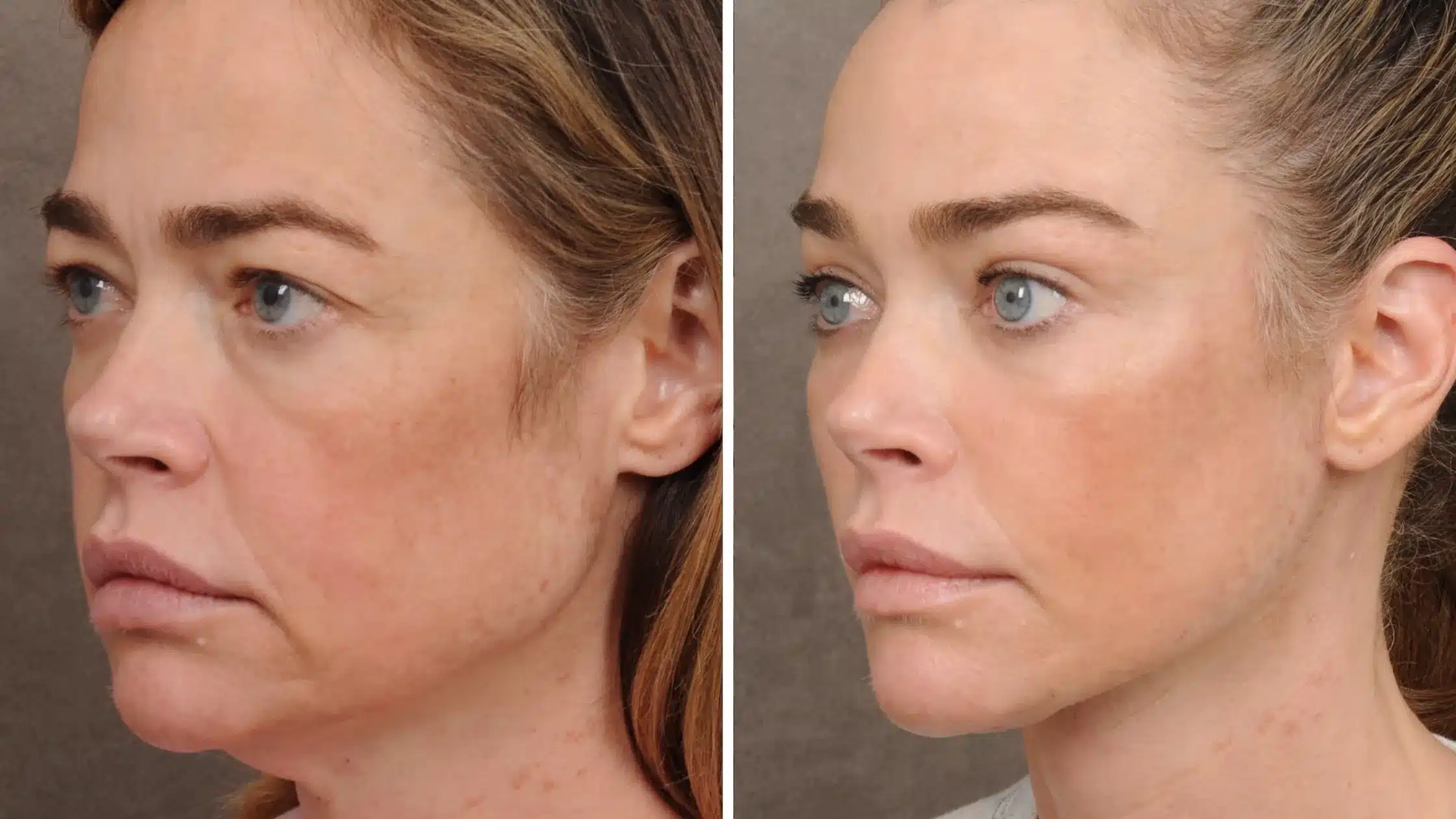
Actress Denise Richards underwent a facelift with Dr. Ben Talei in June 2025 at age 54, along with a temporal brow lift, upper blepharoplasty, and fat transfer from her thighs to her face and neck. She told Allure she wanted to “put things back up, where they were before” and that the difference was “night and day.” She also emphasized the importance of transparency with other women about cosmetic work.
Rumored or Speculated Celebrity Facelifts
The following celebrities are widely speculated to have had facelift procedures based on visible changes in appearance, media analysis, and expert commentary. None has publicly confirmed surgical facelifts.
9. Kenny Rogers
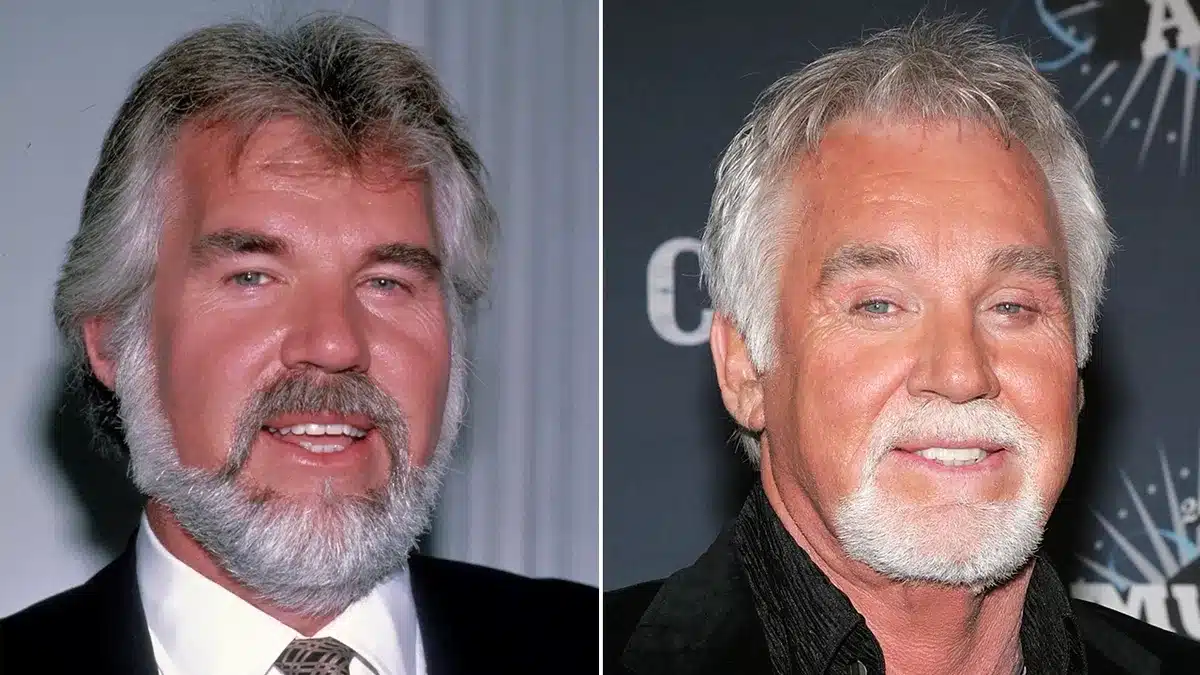
Kenny Rogers underwent cosmetic work that significantly altered his appearance, and he later expressed regret, telling People magazine that he was not happy with the results. His case is frequently referenced as an example of overcorrection; the surgeon reportedly tightened the eye area excessively, changing his recognizable appearance.
10. Courteney Cox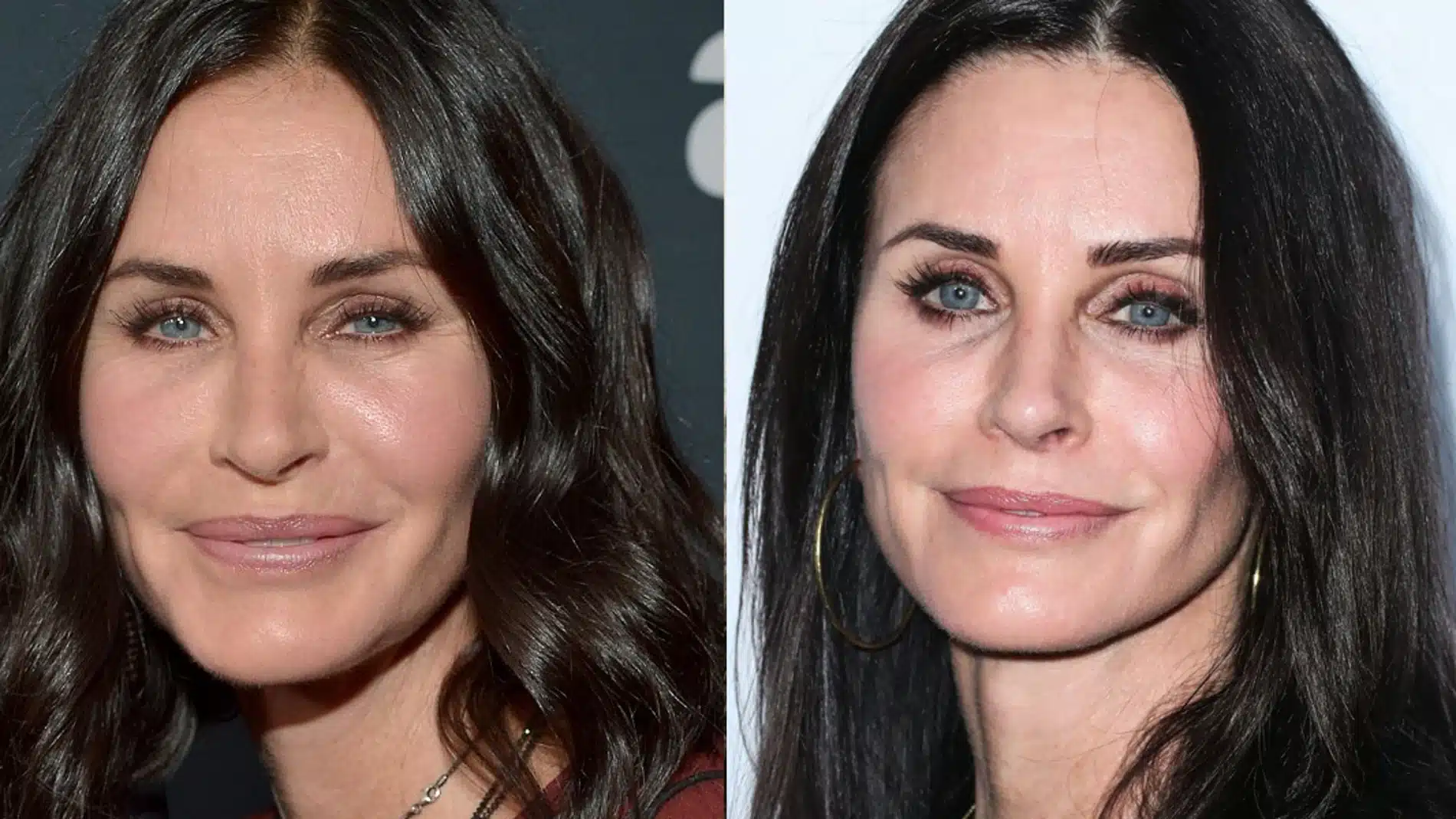
Courteney Cox has spoken publicly about regretting her use of fillers and having them dissolved. While she has not confirmed a surgical lift, experts have noted changes consistent with a conservative mid-face procedure combined with filler removal, a growing trend among celebrities who overused injectables in the 2010s.
11. Demi Moore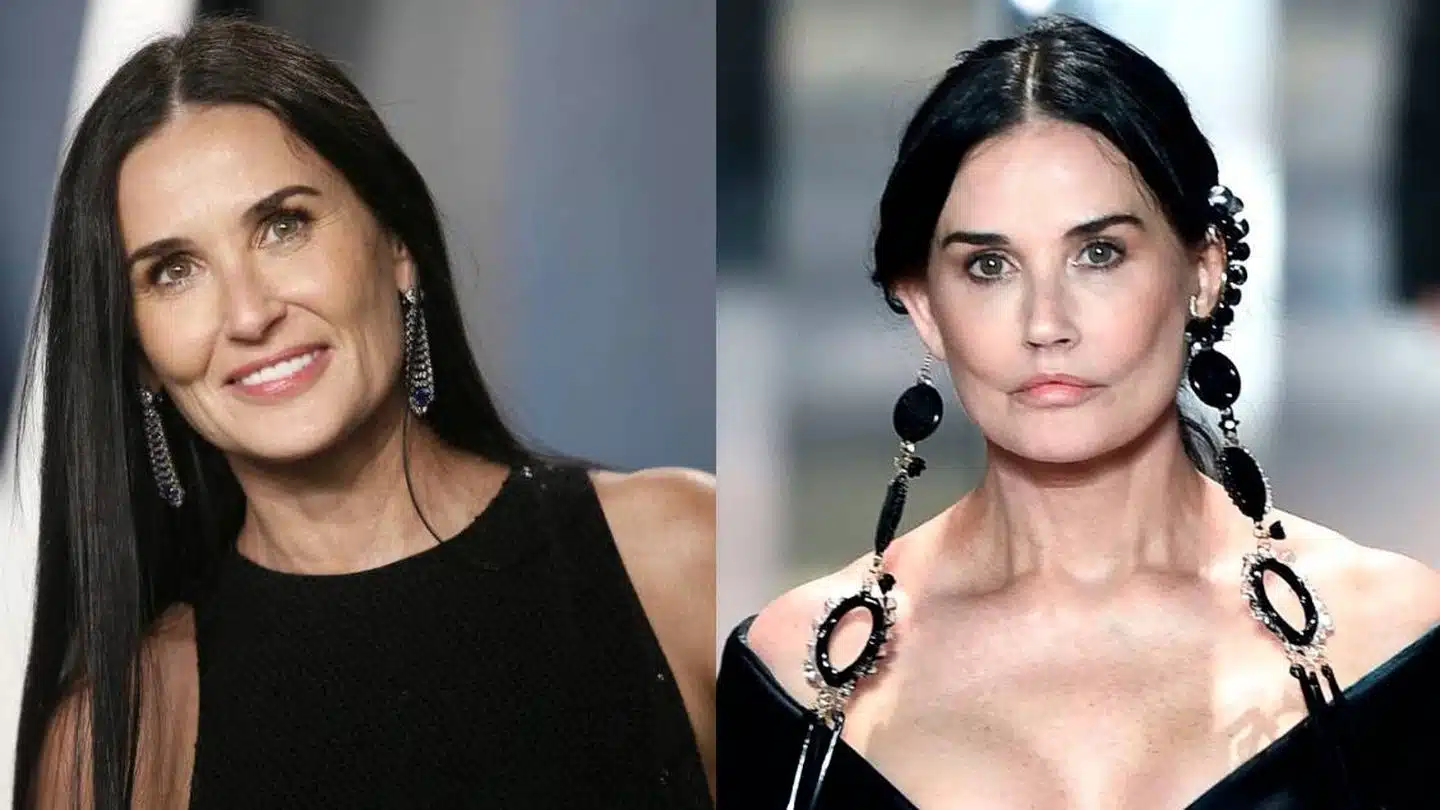
Demi Moore has consistently denied plastic surgery, attributing her appearance to good genetics and skincare. However, surgeons not involved in her care have speculated about possible lower face and neck work based on how her jawline has maintained its definition over time. Her appearance remains a frequent reference point in discussions of the best facelifts in Hollywood.
12. Madonna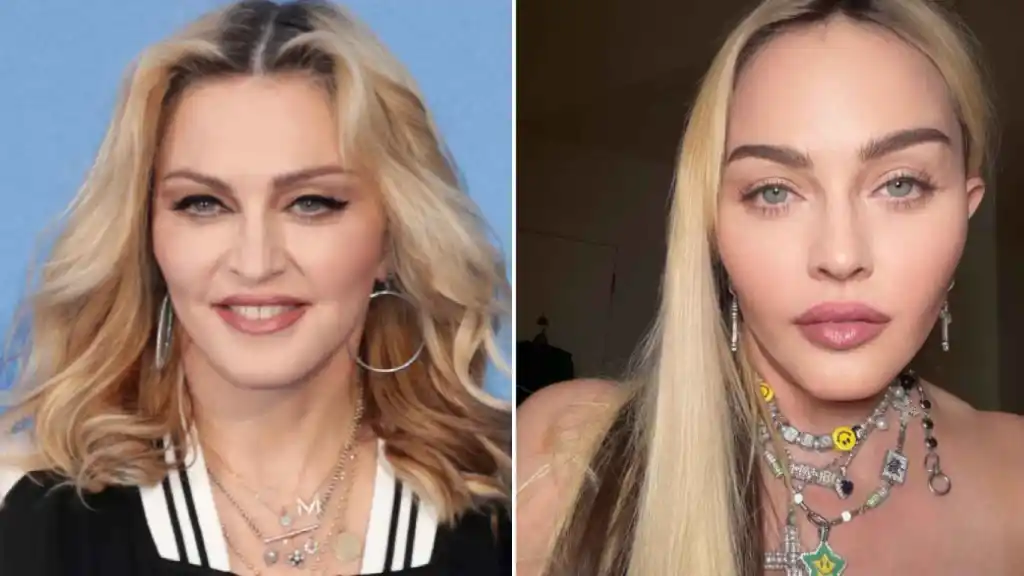
Madonna’s evolving appearance has generated significant media scrutiny. While she has not confirmed surgical intervention, facial plastic surgeons have publicly noted changes consistent with possible lifting procedures, fillers, and fat grafting. Her case illustrates the difficulty of distinguishing between surgical and non-surgical rejuvenation in celebrities who use a combination of treatments.
13. Joan Rivers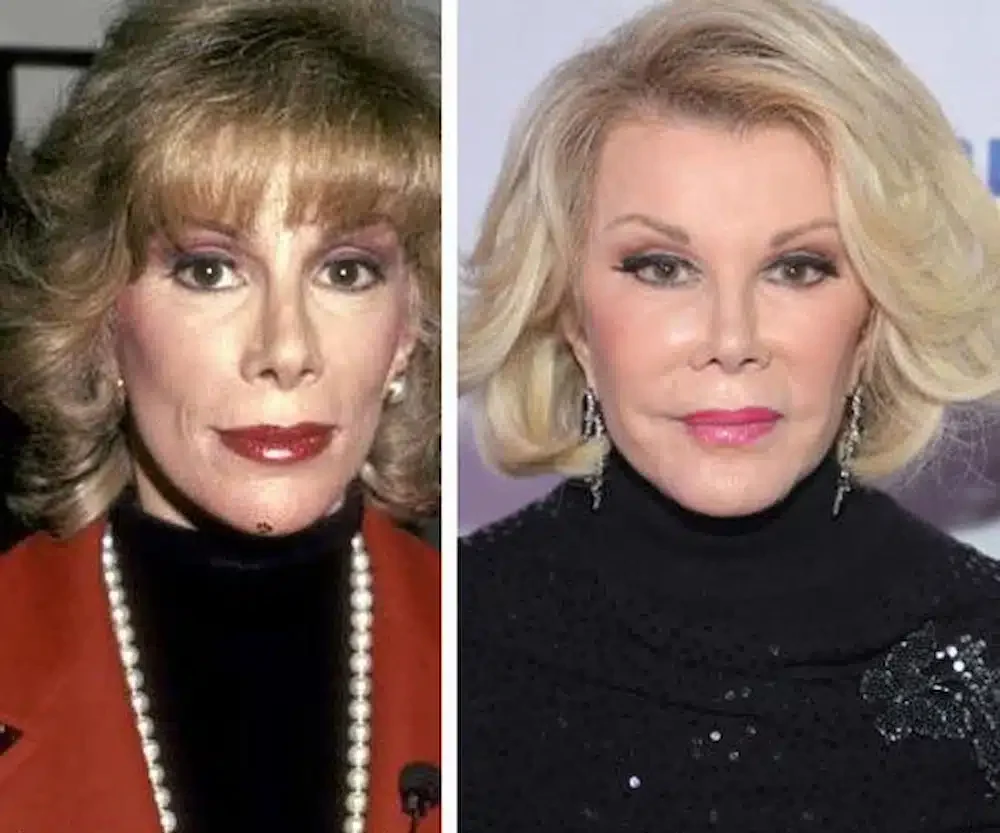
Joan Rivers was one of the most vocal celebrities about cosmetic surgery, reportedly undergoing over 300 procedures throughout her life, including multiple facelifts. She joked about it openly and became synonymous with both the possibilities and the risks of repeated intervention.
14. Mickey Rourke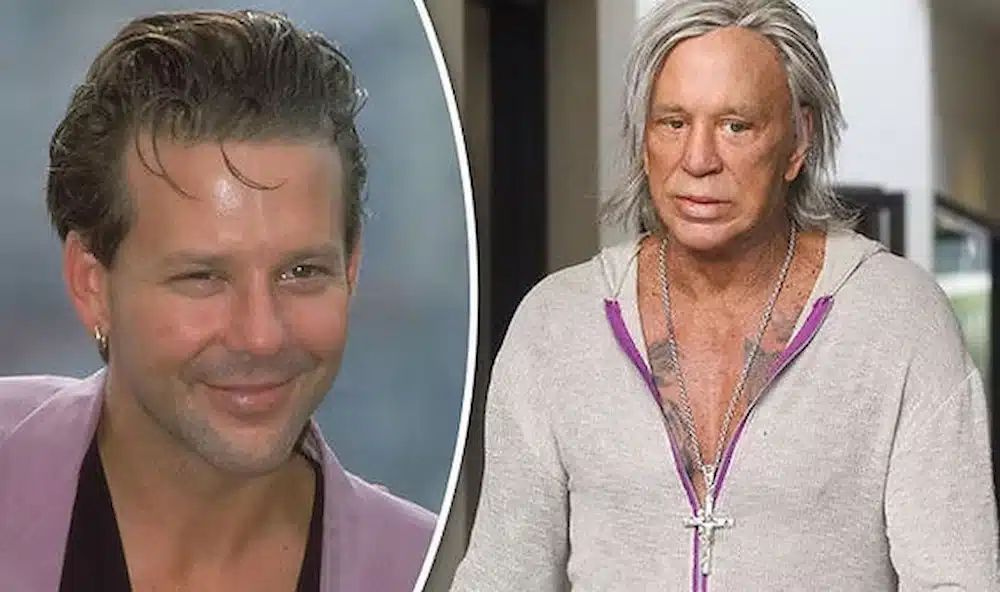
Mickey Rourke acknowledged having reconstructive and cosmetic work done on his face, partly due to injuries from boxing. He has said he went to “the wrong guy” for some of his procedures. His outcome is one of the most commonly cited cautionary cases in discussions of plastic surgery.
15. Caitlyn Jenner
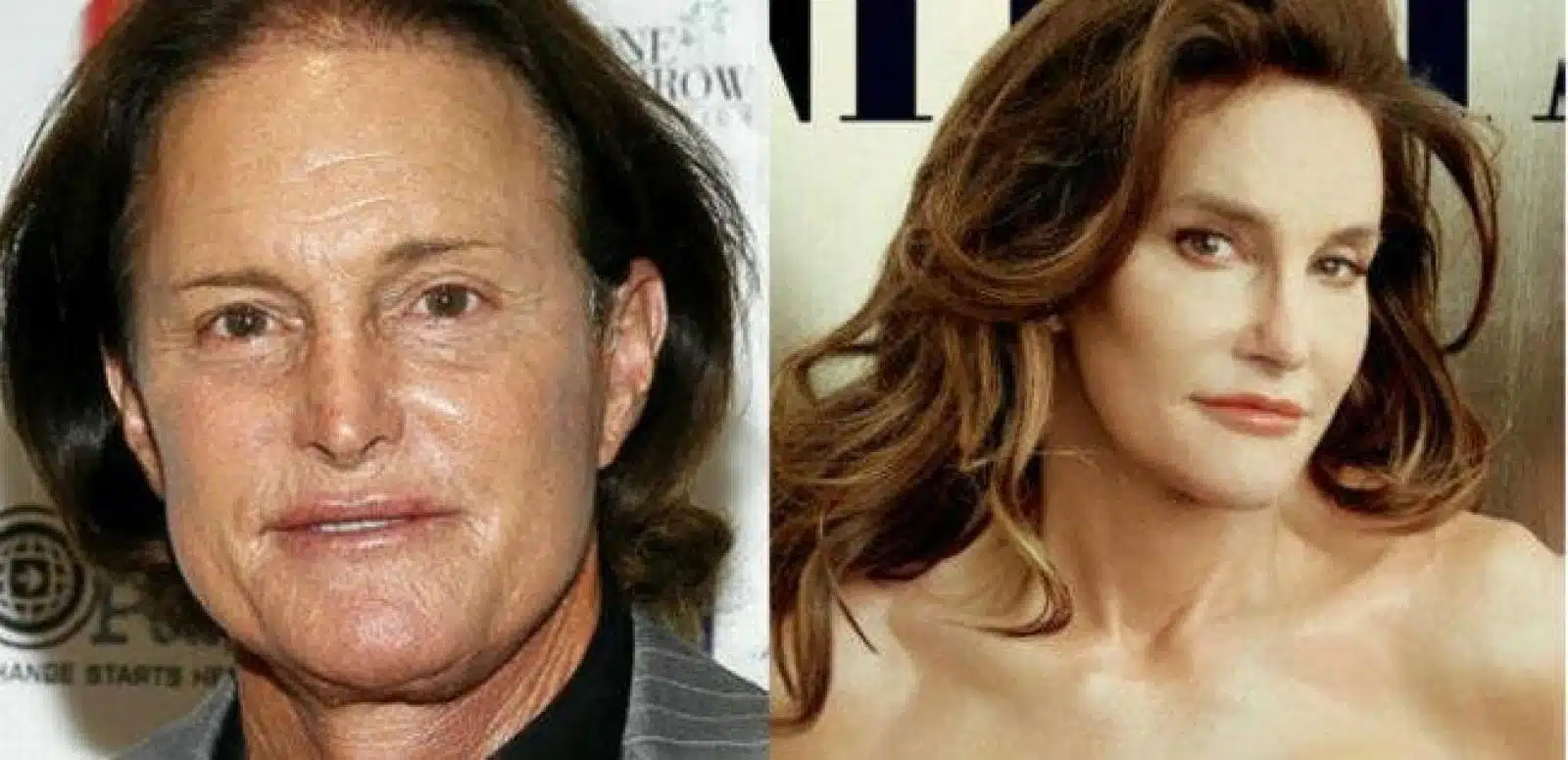
Caitlyn Jenner has confirmed extensive facial feminization procedures, including work on the jaw and brow. As part of her transition, she has spoken about these changes publicly as both cosmetic and gender-affirming.
16. Barry Manilow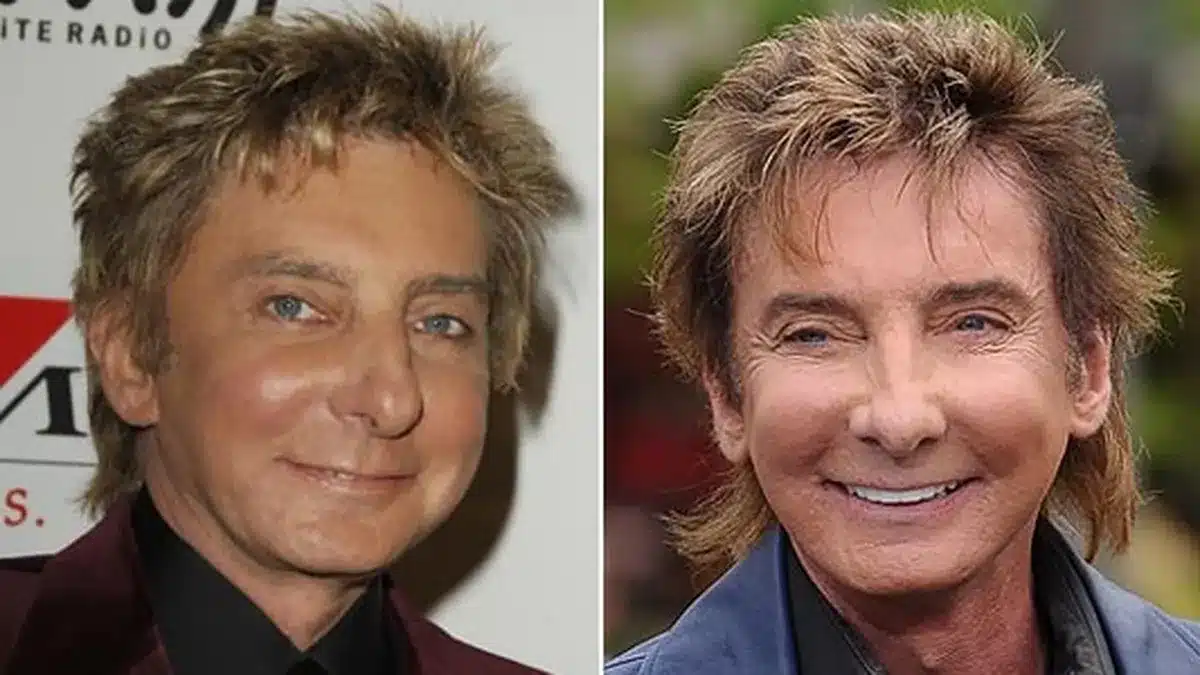
Barry Manilow’s changing appearance has been the subject of media speculation for years, though he has not publicly confirmed a facelift.
17. Donatella Versace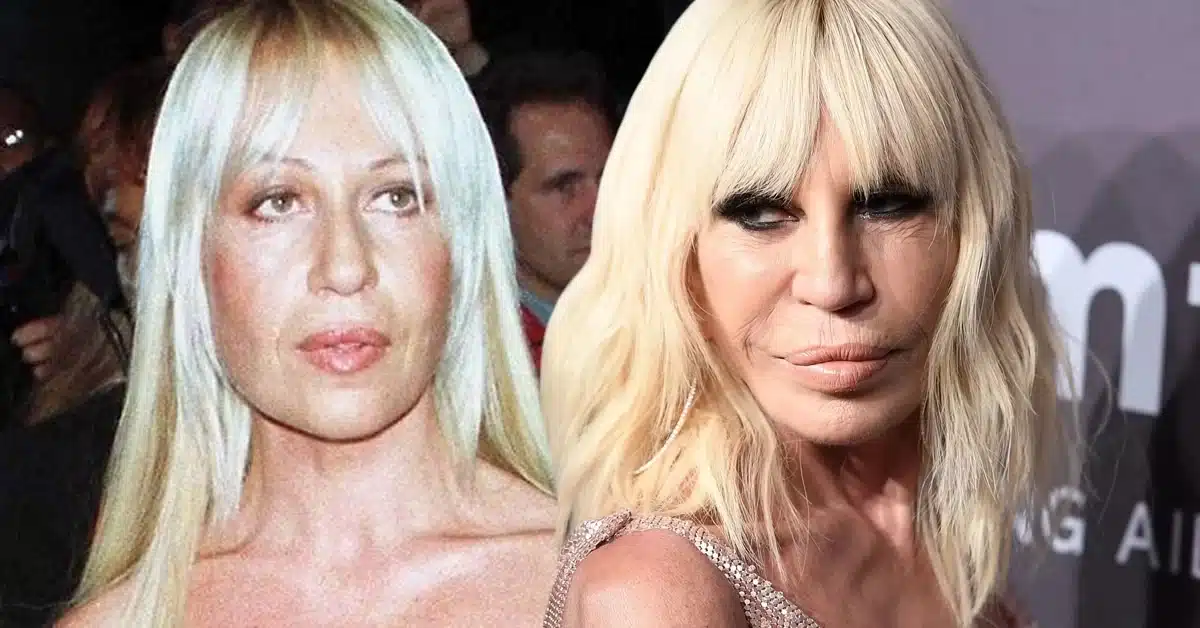
Donatella Versace’s appearance has evolved significantly over the decades, with cosmetic surgery widely presumed. Her look is often discussed in the context of aggressive intervention that alters rather than preserves the original facial structure.
18. Cher
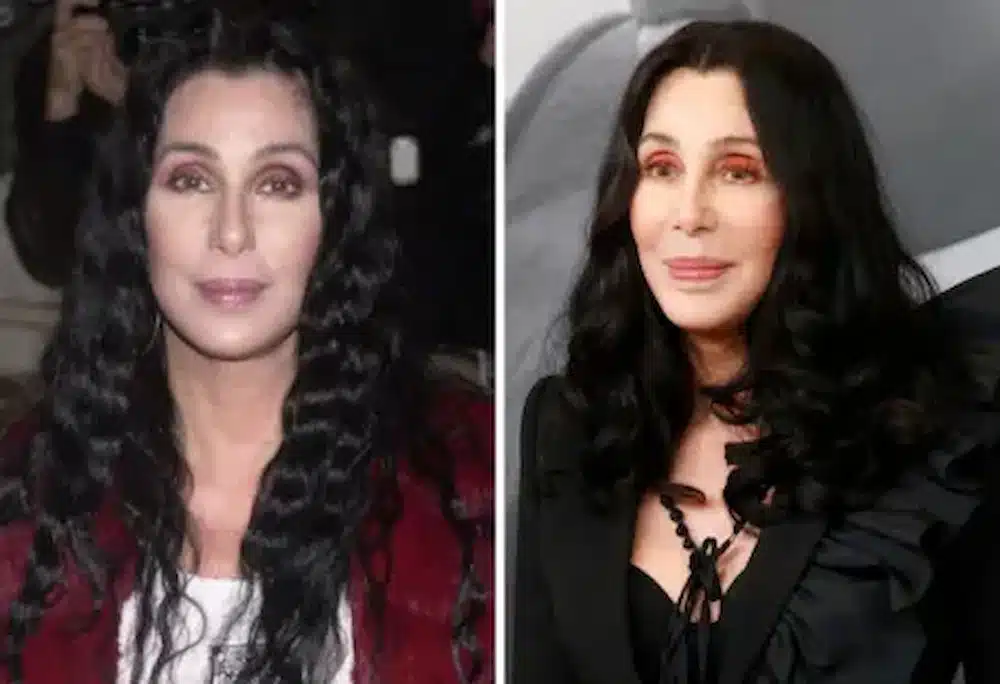
Cher has confirmed having a nose job and dental work, but has been less specific about other procedures. Plastic surgeons have speculated about facelift work based on the longevity of her jawline definition into her late 70s. She remains one of the most discussed figures in celebrity cosmetic surgery.
Additional speculated cases: Renee Zellweger, Daryl Hannah, Burt Reynolds, Meg Ryan, and Wayne Newton have all had their appearances discussed extensively in media and expert commentary, though confirmed details remain limited.
Young Celebrities with Facelifts
Facelifts are no longer exclusively for patients in their 60s and 70s. Podcaster Bunnie Xo (Jelly Roll’s wife) underwent a facelift by Dr. Daniel J. Gould in March 2026 at age 46, not to reverse advanced aging, but to remove migrated filler that had caused persistent swelling in her cheeks. She described on Instagram how filler she’d stopped getting three years prior was still present in her tissue and “continued to migrate to other places.”
McKenzie Westmore, the Passions actress, had a deep-plane facelift at age 45 by Dr. Paul Nassif specifically to address filler damage. Her surgeon reported finding filler “deep in her cheek tissue” and around facial nerves during the operation.
These cases reflect a newer trend: younger patients seeking facelifts not primarily for aging but to correct complications from prior injectable treatments, a pattern Dr. Kopelman has increasingly observed in his practice.
How Many Facelifts Has Nicole Kidman Had?
Nicole Kidman has never confirmed undergoing a facelift. She has, however, admitted to trying Botox in the past and choosing to stop. The ongoing speculation about her youthful appearance at 57 (as of 2025) centers on the smoothness of her forehead, the fullness of her midface, and the consistent definition of her jawline.
Facial plastic surgeons who have commented publicly, without having treated her, have suggested that her appearance is consistent with a combination of conservative skin-tightening procedures (such as Ultherapy or radiofrequency treatments), possible fat grafting, and disciplined skincare rather than a traditional surgical lift.
Her case is a reminder that not every youthful celebrity face is the result of a scalpel; non-surgical maintenance can produce significant results when started early and maintained consistently.
Best Celebrity Facelifts — Before and After Comparisons
Many patients seek out famous before-and-after face-lift images to calibrate their expectations. The most instructive celebrity outcomes share common qualities: the person looks unmistakably like themselves, their facial expressions remain mobile and dynamic, and the improvement appears as though they’ve simply rested well and reversed five to ten years of aging.
The facelifts before-and-after results that surgeons point to as exemplary, cases like Ricki Lake, Denise Richards, and Marc Jacobs, all involved deep-plane techniques with conservative skin redraping. In each case, the surgeon prioritized restoring volume and repositioning tissue over aggressive skin removal. The result is a lifted but relaxed appearance rather than a tight or pulled one.
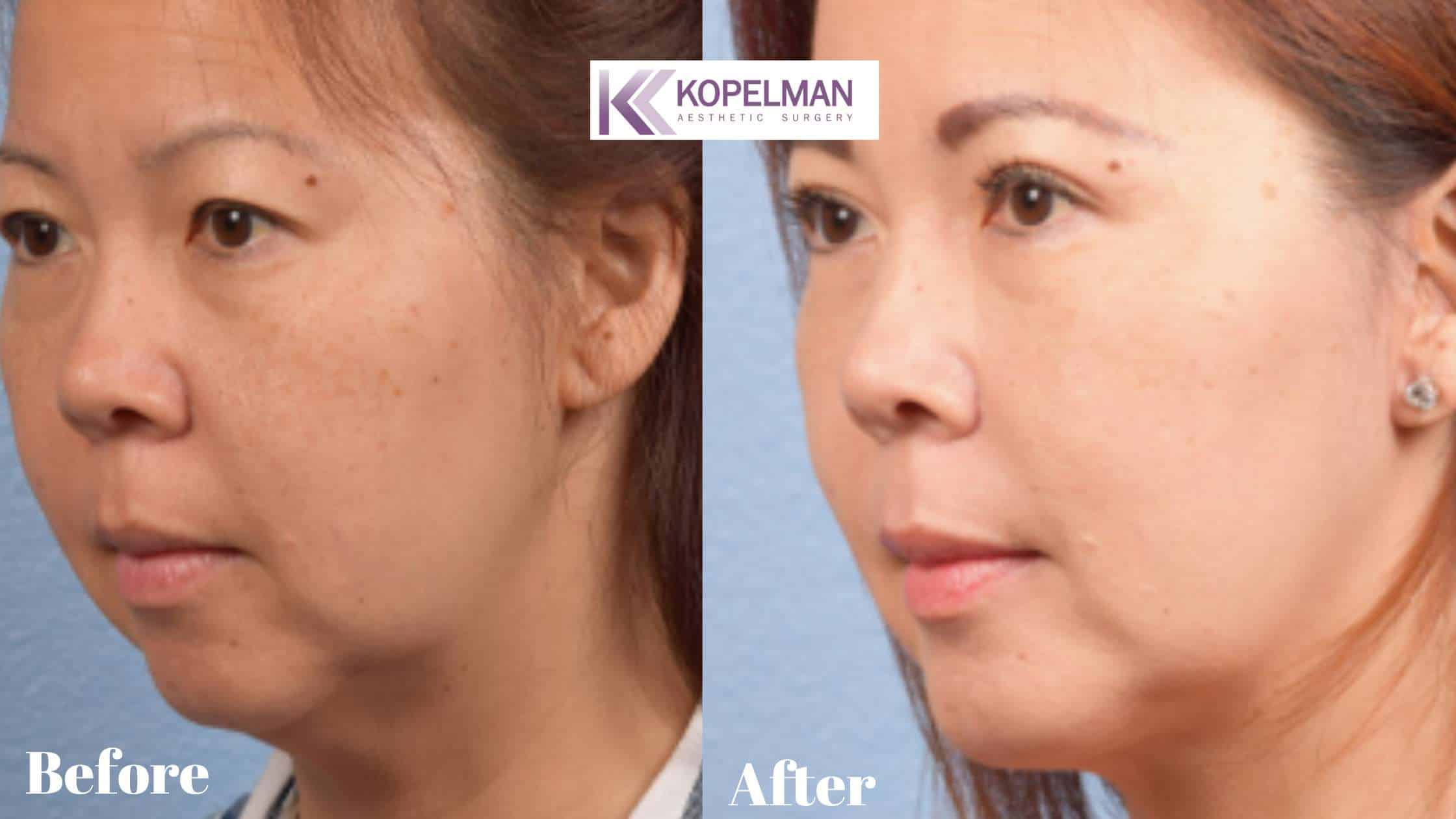
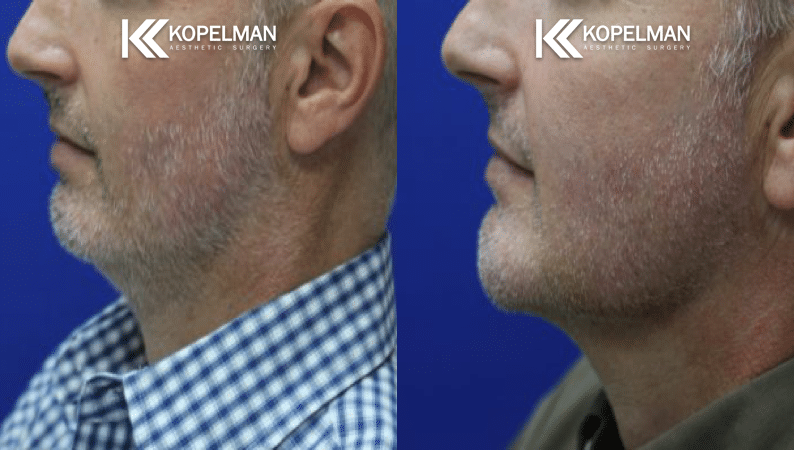
Dr. Kopelman’s own before-and-after gallery demonstrates this same principle in non-celebrity patients: the goal is facial harmony, where every feature looks proportional and age-appropriate rather than frozen in time.
Celebrity Neck Lift Before and After
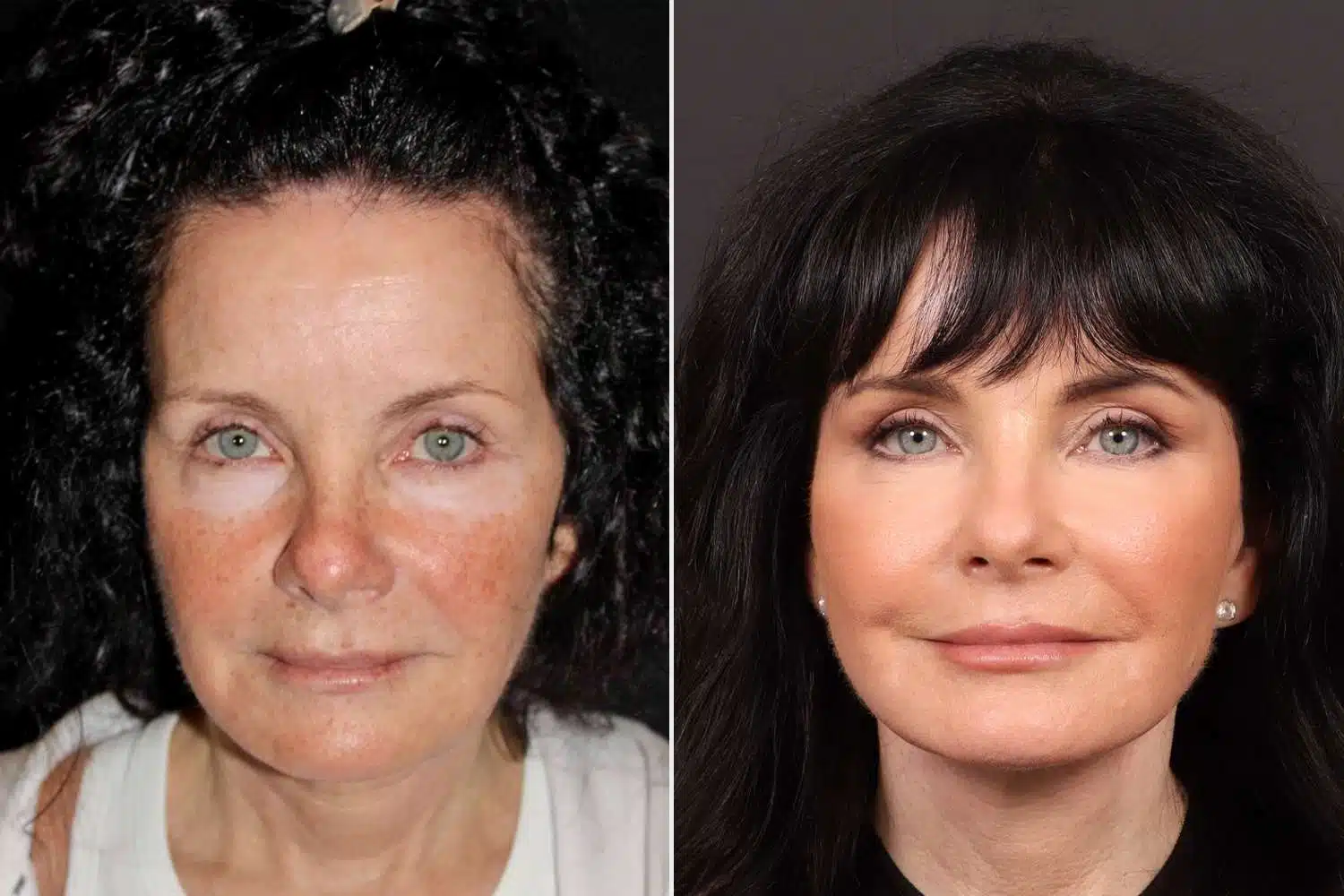
Neck rejuvenation is often the most transformative component of a facelift. The submental area (beneath the chin) is where aging shows earliest and where patients express the most dissatisfaction. A “turkey neck”, loose, hanging skin with visible platysma bands, can age a person’s profile by a decade even when the front-facing view still looks relatively youthful.
Ricki Lake’s case is a strong example: after losing 40 pounds, she was left with excess neck skin that no amount of exercise, diet, or non-surgical treatment could tighten. Her deep-plane lower face and neck lift restored a defined jaw-to-neck contour that matched her overall physical transformation.
Neck contouring during facial surgery requires careful attention to the cervicomental angle and the balance between fat removal and skin tightening. Removing too much fat can create a hollow, aged appearance; leaving too much preserves the heaviness. The difference in outcomes often comes down to the surgeon’s experience with neck anatomy specifically.
When Facelifts Go Wrong
Worst Hollywood Facelifts
The most widely discussed poor outcomes, Mickey Rourke, Joan Rivers’s later procedures, and Kenny Rogers, share common surgical errors. Rourke has stated publicly that he visited “the wrong guy.” Rogers told People magazine he wasn’t happy with his results. Rivers’s repeated interventions over decades led to a look that was increasingly distant from her original features.
Common Surgical Mistakes and Visible Outcomes
Facelift complications that lead to visible problems typically fall into a few categories:
- Overcorrection: Removing too much skin or pulling tissue too tightly can create a “windswept” appearance, unnaturally smooth cheeks, a pulled mouth, or flattened earlobes. This was the hallmark of 1980s and 1990s facelift techniques and is the primary reason the deep-plane method was developed as an alternative.
- Volume neglect: Lifting tissue without restoring lost fat leaves the face taut but hollow. The patient appears thinner and tighter but not younger. This is why the Hollywood facelift’s inclusion of fat grafting is critical; it addresses deflation alongside descent.
- Visible scarring: Poor incision placement or tension on the closure can result in widened scars in front of or behind the ear. Experienced surgeons place incisions within the natural creases of the ear (tragal incisions) and along the hairline to minimize visibility.
- Nerve damage: The facial nerve runs through the parotid gland in close proximity to the surgical field. Deep-plane dissection requires precise knowledge of facial nerve anatomy. Temporary weakness occurs in a small percentage of cases; permanent damage is rare (less than 1% in published surgical series) but possible, underscoring the importance of choosing a surgeon with extensive facelift-specific training.
Selecting a board-certified facial plastic surgeon, ideally one who is a fellow of the American Academy of Facial Plastic and Reconstructive Surgery (AAFPRS), significantly reduces the risk of these outcomes.
Trends in Hollywood Facelifts
Subtle Trends – Techniques and Preferences
The shift in aesthetic goals over the past decade has been decisive. Where patients once asked to “look 20 years younger,” the prevailing request today is to “look like myself, but rested.” This mirrors what Dr. Kopelman hears in consultations: patients bring in photos of themselves from five to eight years ago rather than images of celebrities.
Current procedural trends include:
- Deep-plane dominance: The deep-plane technique has overtaken SMAS plication as the preferred method among high-volume facelift surgeons. Its longevity (10–15 years versus 5–7 for SMAS) and more dimensional results have made it the standard at top practices.
- Fat grafting as a default addition: Injecting the patient’s own fat — harvested from the abdomen or thighs — into the temples, cheeks, and nasolabial area during a facelift has become nearly routine. It replaces the volume that deflates with age, which a lift alone cannot address.
- Filler reversal before surgery: A growing number of patients — like Bunnie Xo and McKenzie Westmore — are seeking facelifts specifically to address complications from years of injectable filler use. Surgeons report that filler migration during deep-plane dissection is increasingly common, and dissolving or surgically removing it has become a routine part of the procedure for these patients.
- Male facelifts rising: Marc Jacobs’s openness has coincided with a broader trend. The ASPS reported a significant increase in male facelift procedures year over year, driven by reduced stigma and the visibility of male celebrities publicly discussing their results.
Non-Surgical Alternatives Celebrities Use
Not all celebrity transformations involve surgery. Many people rely on non-invasive or minimally invasive treatments to delay or enhance the results of a facelift.
- Dermal fillers — Restore volume in the cheeks, temples, and nasolabial folds. Hyaluronic acid fillers (Juvederm, Restylane) are the most common, though overuse carries the risk of migration and the “pillow face” effect that has driven some celebrities toward surgical correction.
- Botox or Dysport — Relax dynamic wrinkles (forehead lines, crow’s feet, frown lines) and prevent further deepening. Results last 3–4 months and require ongoing maintenance.
- Ultherapy or RF microneedling — Stimulate collagen production through focused ultrasound or radiofrequency energy. These treatments offer modest tightening without downtime, but cannot replicate the structural repositioning achieved by a surgical lift.
- Thread lifts — Provide a temporary lift for mild sagging using absorbable sutures placed under the skin. Results are subtle and typically last 12–18 months.
These treatments can help maintain a youthful appearance, particularly for patients who are not yet candidates for surgery or who want to extend the results of a prior facelift. Dr. Kopelman often recommends a combination approach, tailoring surgical and non-surgical plans to meet each patient’s specific anatomy and goals.
What Surgeons Say About the Hollywood Look
How Experts Achieve Natural Results
Dr. Kopelman emphasizes that every face ages in its own pattern. A 55-year-old patient with heavy jowls but good midface volume requires a different plan than one with global deflation and minimal ptosis. His approach evaluates three factors before recommending a technique: skin quality and elasticity, the degree of muscular laxity in the SMAS and platysma, and overall facial symmetry (which is never perfect and must be accounted for in surgical planning).
The difference between a good facelift and an exceptional one often comes down to restraint. The goal is to lift tissue to where it was, not to where the patient wishes it had been. Overcorrection in the midface creates a “surprised” look; overcorrection in the lower face creates the pulled appearance that patients most fear. Board-certified surgeons with extensive facelift experience develop an eye for this balance through thousands of cases.
Who Should Consider a Hollywood Facelift?
Ideal candidates are typically between 45 and 75, with visible signs of aging such as jowls, deep nasolabial folds, midface descent, or loose neck skin. The best outcomes occur in patients who are in good general health, do not smoke (smoking impairs blood supply to the skin flap and significantly increases complication risk), and have realistic expectations about what surgery can achieve.
Patients younger than 45 may benefit more from a mini facelift or non-surgical treatments, while patients over 75 require careful medical evaluation to ensure safe anesthesia and recovery.
A consultation at Kopelman Aesthetic Surgery can help determine if a Hollywood facelift is the right option. The procedure is not limited to public figures — the majority of Dr. Kopelman’s facelift patients are professionals, executives, and individuals who simply want to look as vital on the outside as they feel on the inside. Schedule a consultation today.
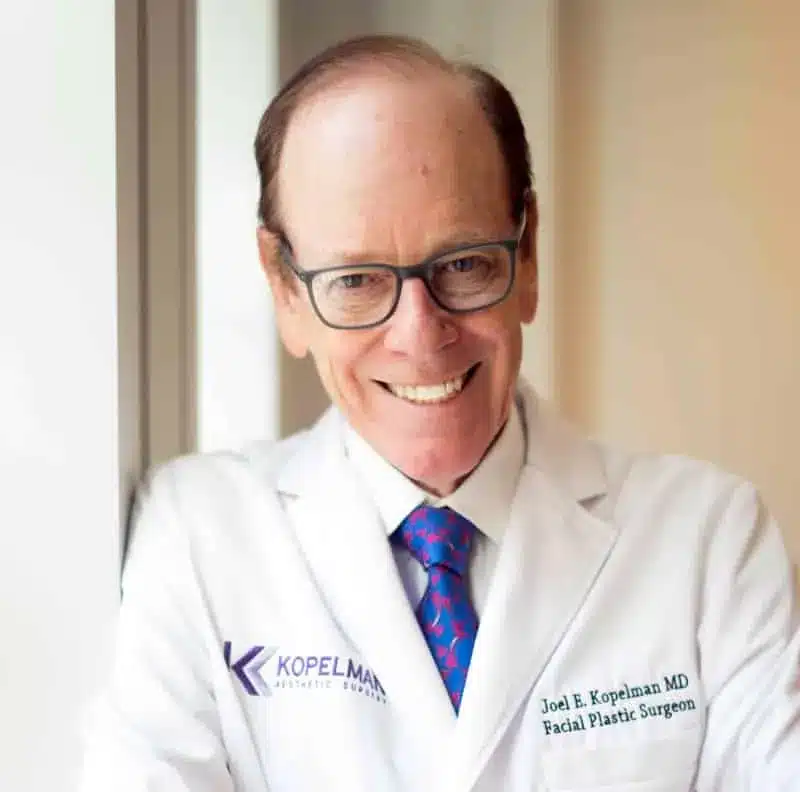
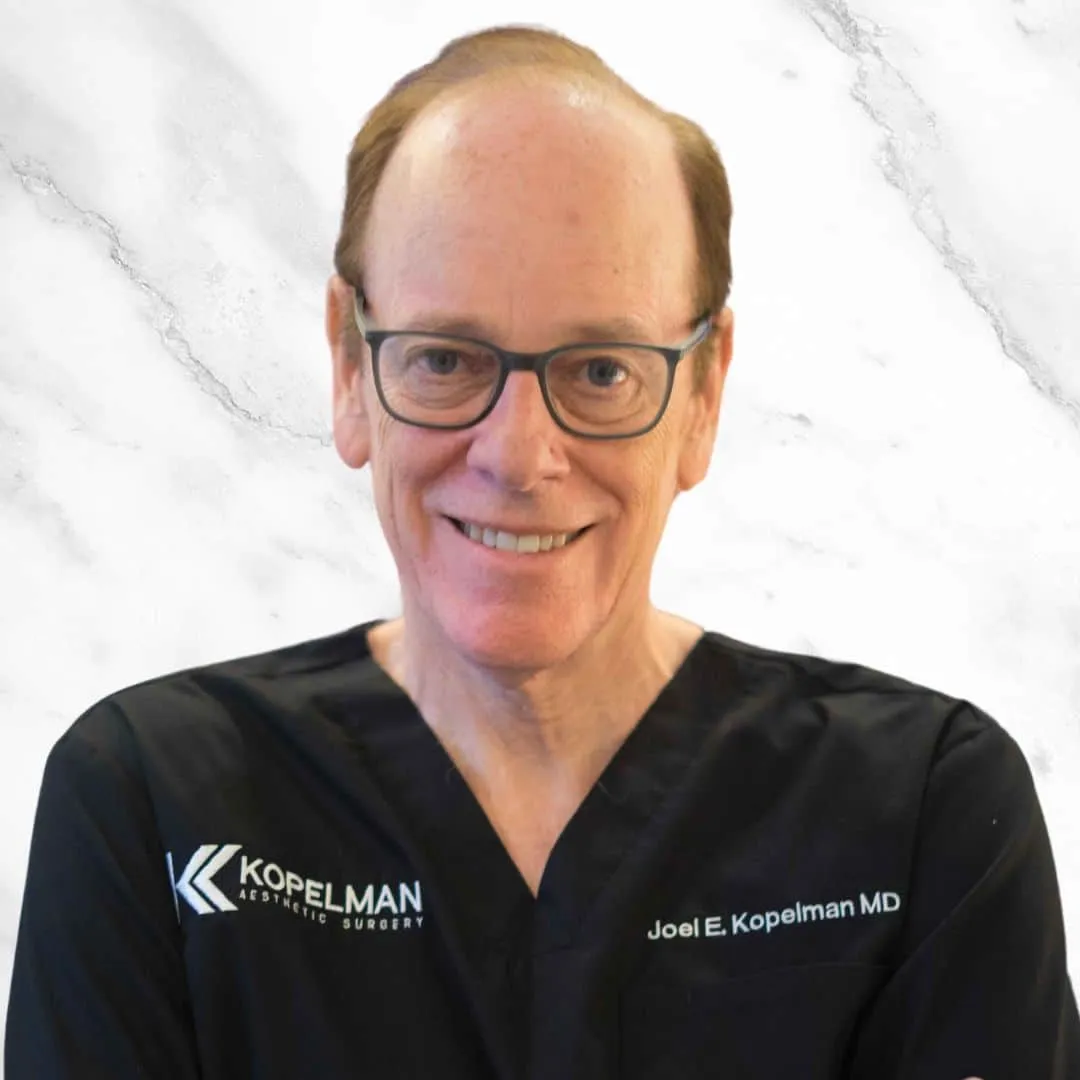
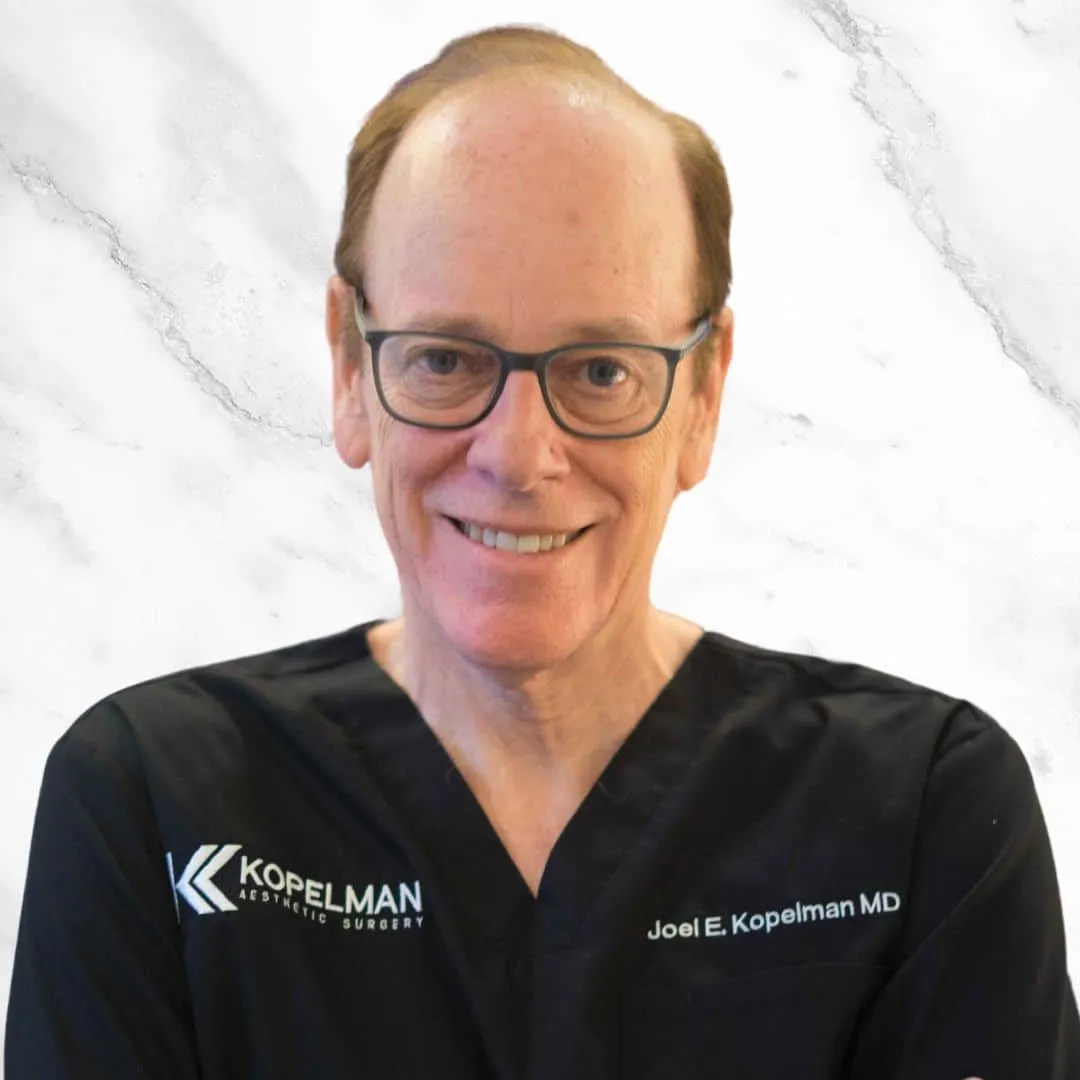
Dr. Joel Kopelman is a board-certified facial plastic and oculoplastic surgeon with over 35 years of experience. He is a fellow of the American College of Surgeons (FACS) and a member of the American Academy of Facial Plastic and Reconstructive Surgery (AAFPRS). He practices at Kopelman Aesthetic Surgery in New York City, New Jersey, and Palm Beach, Florida.