Lateral Canthoplasty Surgery: Complete Guide

I hope you’re enjoying reading this blog post if you want a consultation with Dr. Kopelman, click here.

Dr. Joel Kopelman

July 20, 2025

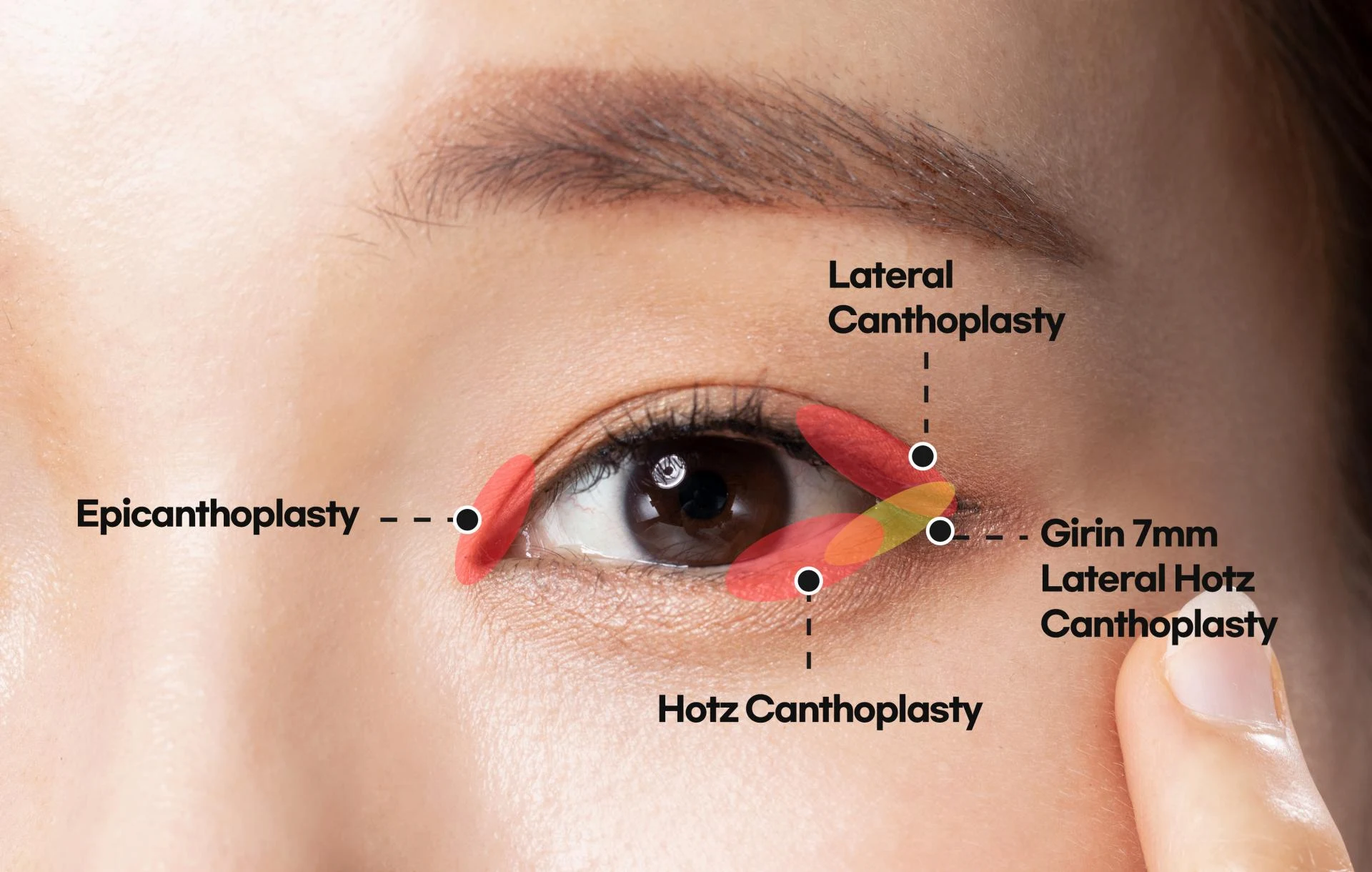
Lateral canthoplasty is a specialized procedure that reshapes the outer corner of the eye where the upper and lower eyelids meet. It corrects sagging, restores eyelid function, and refines eye shape for a more balanced, natural appearance. Dr. Joel Kopelman performs this surgery using small, precise incisions to tighten or reposition the canthal tendon, producing lasting results with a short recovery window.
before and after asian eyelid blepharoplasty

Whether you are considering canthoplasty in NYC for cosmetic enhancement or to correct a functional issue from aging or a prior procedure, this guide covers what to expect from the surgery, who qualifies, how it compares to similar procedures, and what it costs.

Dr. Joel Kopelman utilizes advanced techniques to achieve natural-looking results while restoring eyelid function.

Key Takeaways

  • Canthoplasty tightens the outer corner where the eyelids meet to correct laxity, improve symmetry, and enhance eye shape.
  • The procedure involves small incisions and is often combined with upper- or lower-lid procedures for full rejuvenation.
  • Most patients experience a short recovery, with swelling and bruising subsiding within 7 to 10 days.
  • It differs from canthopexy, which tightens the area with sutures but does not reposition or rebuild the tendon.
  • Choosing an experienced oculoplastic surgeon, such as Dr. Joel Kopelman, helps ensure safe outcomes and natural-looking results.

Understanding the Lateral Canthoplasty Procedure

What Is Lateral Canthoplasty?

Lateral canthoplasty is a surgery that tightens the canthal tendon at the outer corner of the eye. The canthal tendon is a small but critical structure made up of two components: the superficial lateral palpebral ligament, which connects the eyelid’s tarsal plate to the orbital rim, and the deeper lateral palpebral ligament, which anchors further inside the orbit at Whitnall’s tubercle.

When this tendon weakens from aging, genetics, or complications from a prior procedure, the lower lid can sag or pull away from the eye. That leads to problems ranging from a tired, rounded appearance to functional issues like excessive tearing, irritation, or eyelid malposition.

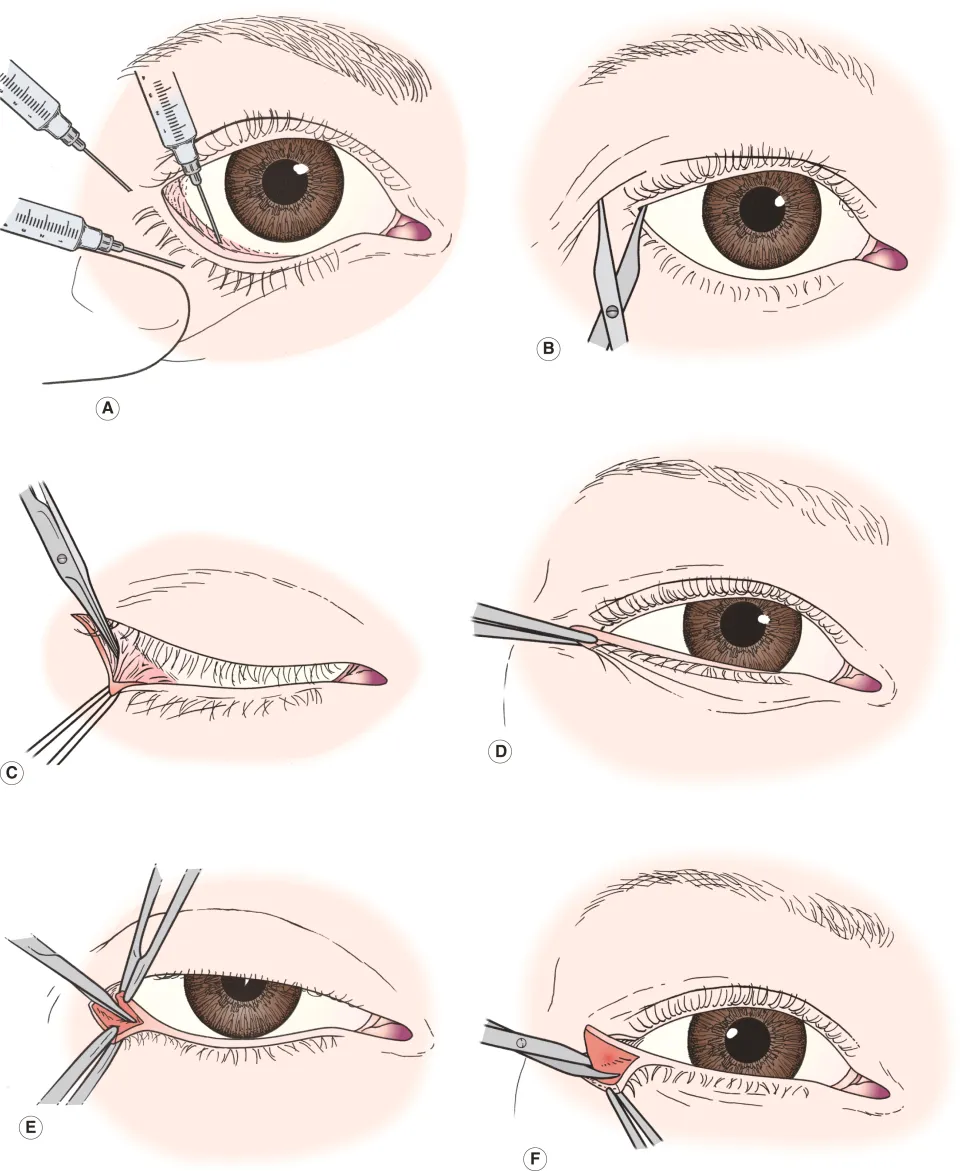
During surgery, the surgeon releases the superficial ligament through a small incision at the outer corner, then repositions and secures the tendon to the periosteum (the bone lining inside the orbital rim). This restores proper tension, lifts the outer lid margin, and creates a more defined, almond-shaped contour.

Canthoplasty vs. Canthopexy vs. Other Eye Procedures

Patients often confuse canthoplasty with canthopexy or blepharoplasty. Each addresses a different problem, and understanding the distinctions helps determine the right approach.

Procedure What It Does Focus Area Best Suited For
Canthoplasty Rebuilds and repositions the canthal tendon for long-term structural support Outer eye corner (lateral canthus) Moderate to severe lid laxity; cosmetic reshaping; revision cases; achieving an almond or cat-eye shape
Canthopexy Uses sutures to reinforce the canthus without cutting or detaching the tendon Outer eye corner (no repositioning) Mild laxity; preventive tightening during other procedures
Blepharoplasty Removes excess skin, fat, or muscle from the eyelid Upper or lower lid surface Hooded upper lids; under-eye bags; puffiness
Epicanthoplasty Modifies the inner corner of the eye to reduce the epicanthal fold Inner eye corner (medial canthus) Creating a wider, more open inner eye appearance
Canthopexy is less invasive but provides a weaker correction that may not hold over the long term. For patients with significant laxity or those seeking a visible change in the outer lid angle, canthoplasty provides more durable results.

Upper Lateral Canthoplasty and Lateral Canthotomy

Upper lateral canthoplasty targets sagging at the upper portion of the outer lid junction, while lateral canthotomy is a release incision used to relieve tension in the lower lid. Both can be combined with blepharoplasty or ptosis correction for a comprehensive eye lift.

Who Is a Good Candidate?

This procedure works well for patients with:

  • Sagging or loose lower lids caused by aging or weakened connective tissue
  • Eyelid malpositions such as ectropion (outward turning) or mild retraction
  • A rounded or downturned outer eye shape, they want to refine
  • A desire for a more almond-shaped or slightly upturned “cat eye” contour
  • Prior surgical complications that have distorted the outer lid angle and require revision

A board-certified oculoplastic surgeon, such as Dr. Kopelman, will evaluate the patient’s eyelid structure, orbital anatomy, and medical history to determine whether they are a suitable candidate. Ideal candidates have adequate space between the outer canthus and the lateral orbital bony wall, allowing the tendon to be repositioned effectively.

Patients with deeply set (enophthalmic) eyes, significant blepharochalasis, or very small palpebral fissures may see more limited results, and the surgeon will discuss this during the consultation.

Canthoplasty for Almond Eyes and the Asian Patient

One of the most common aesthetic goals patients bring to a canthoplasty consultation is achieving a more almond-shaped or subtly upturned outer eye contour, often described as a cat-eye or fox-eye appearance. This involves adjusting the angle and height at which the canthal tendon is fixed, lifting the outer corner relative to the inner corner of the eye.

This goal is particularly common among patients of Asian descent, where the horizontal dimension of the eye is naturally shorter and the outer corner may sit level with or slightly below the inner corner. Unlike double eyelid surgery, which addresses vertical eye appearance, canthoplasty works horizontally, widening the visible eye opening and refining the outer angle.

For these patients, results are most harmonious when the procedure is planned with an understanding of the surrounding facial structure. Dr. Kopelman evaluates the palpebral fissure width, the canthal tilt angle, and the available space between the lateral canthus and the orbital wall before recommending the approach.

In some cases, combining canthoplasty with blepharoplasty or epicanthoplasty produces a more complete and balanced result.

How the Surgery Is Performed

Patients should know there are several surgical approaches for canthoplasty, each suited to different lid conditions:

  • Lateral tarsal strip: The most commonly used method. A strip of the lower lid’s tarsal plate is isolated, shortened, and reattached to the periosteum inside the orbital rim. This provides strong, long-lasting support and is well suited for patients with moderate to severe lower lid laxity.
  • Wedge resection: A small, full-thickness section of the lower lid is removed near the outer corner and the lid is sutured back together. This directly shortens the lid and is often used when excess horizontal lid tissue is the main concern.
  • Canthal tendon plication: The existing tendon is folded and tightened with sutures rather than being fully detached. This is a less invasive option for patients with milder laxity who want a subtle tightening.

In many cases, Dr. Kopelman combines the chosen technique with upper or lower lid procedures or with medial canthoplasty when more than one area needs attention.

The procedure begins with a small incision at the outer corner of the eye, typically following the natural skin crease to minimize visible scarring. Dr. Kopelman then releases, tightens, and repositions the canthal tendon. Fixation is performed at the inner aspect of the bony orbital wall to prevent postoperative eyelid eversion. The incision is closed carefully with fine sutures, which are usually removed within five to seven days.

The surgery is performed under local anesthesia, with or without intravenous sedation, and typically takes 45 to 90 minutes, depending on whether additional procedures are done at the same time.

Canthoplasty for Revision and Functional Correction

Not every patient seeking canthoplasty is doing so for the first time. A significant number of consultations involve patients who have had a prior lower lid procedure that produced an unsatisfactory result, such as a pulled-down or retracted lower lid, a rounded lateral canthus that looks unnatural, visible scleral show (white of the eye exposed below the iris), or asymmetry between the two eyes.

In these revision cases, the lateral canthal tendon often needs to be fully reconstructed rather than simply tightened. Dr. Kopelman evaluates the extent of the prior surgical changes and may combine canthoplasty with a midface lift, spacer graft, or additional lid repositioning to restore a natural contour.

Patients with functional problems, including chronic eyelid laxity that causes tearing, irritation, or difficulty closing the eye fully, also benefit from this procedure. Insurance may cover functional cases when medical necessity is documented.

Canthoplasty Recovery Time and Healing Tips

Patients can expect some swelling and bruising. Here is a typical progression:

  • Days 1 to 3: Swelling and bruising are at their peak. Apply cold compresses for 10 to 15 minutes at a time.
  • Days 4 to 7: Sutures are typically removed. Swelling begins to improve noticeably.
  • Week 2: Most visible swelling subsides. Light daily activities can usually resume.
  • Weeks 3 to 4: Patients can often wear makeup and return to light exercise.
  • Months 2 to 3: The incision line, which may appear pink initially, fades and blends with surrounding skin.

It is essential to avoid strenuous activities, saunas, swimming, and contact lens use for at least two to three weeks to allow the lids to heal properly. For most patients, the recovery period is relatively short, with noticeable improvements after the first week.

Before and After Results: What to Expect and Longevity

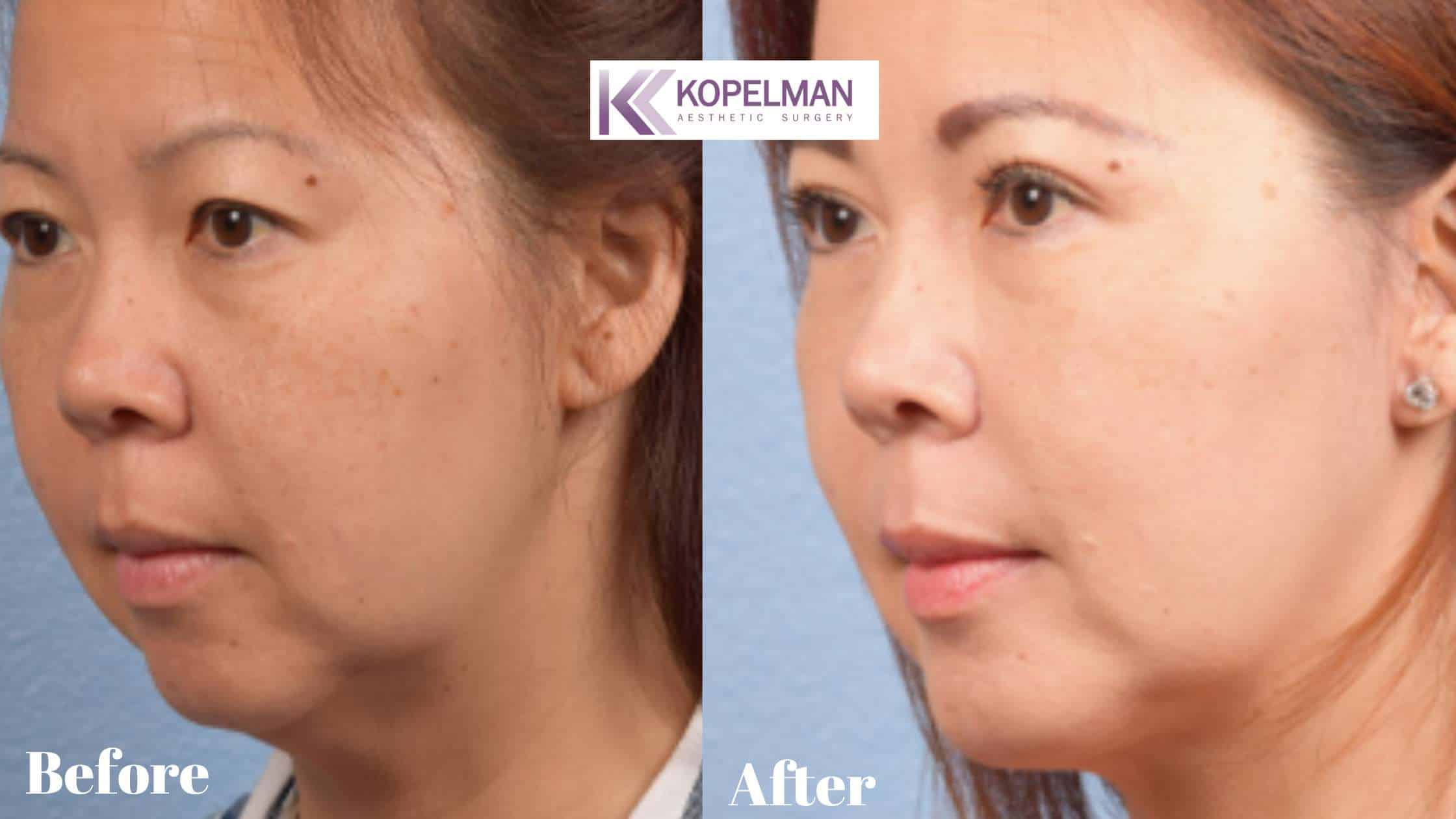
Before and after photos often show a subtle lift in the outer lids, improved symmetry, and a more defined eye shape. These results typically last 7 to 10 years, though some gradual changes may occur as part of natural aging.

Lifestyle Considerations Before and After Surgery

Patients preparing for canthoplasty should plan for some adjustments. Before surgery, stop smoking and discontinue blood-thinning medications (with your doctor’s guidance) to reduce surgical risks. After the procedure, follow these recovery guidelines:

  • Sleep with your head elevated to reduce swelling.
  • Avoid strenuous activities for at least two weeks.
  • Protect your eyes from sun exposure and wind during healing.
  • Follow your surgeon’s instructions for cleaning and caring for the incision site.
  • Avoid wearing contact lenses for a minimum of three weeks.

These small changes support faster healing and better long-term results.

When the procedure is combined with complementary work, such as a brow lift or filler treatment, the overall rejuvenation can appear even more pronounced and may extend the visual longevity of the outcome.

Possible Risks and Complications

All surgical procedures carry some risk, and canthoplasty is no exception. Potential complications include:

  • Infection or bleeding: Uncommon but possible, managed with antibiotics and careful post-operative monitoring.
  • Temporary changes in lid position: Mild asymmetry or over- or under-correction may occur during early healing and typically self-resolves.
  • Dry eyes or irritation: Can result from altered lid tension, usually temporary. Lubricating eye drops are prescribed as part of the post-op regimen.
  • Conjunctival swelling (chemosis): The inner lining of the lid may swell temporarily. This resolves with conservative care, usually within two to three weeks.
  • Wound dehiscence: Because the incision borders the eyeball and the tear film, the area is prone to moisture. Patients must avoid rubbing or stretching the wound for the first three weeks. If separation occurs, a minor scar revision can correct it once the tissue has fully matured.
  • Revision surgery: Rarely, a second procedure is needed to fine-tune the result.

Dr. Kopelman’s approach to minimizing these risks includes performing fixation at the inner wall of the orbital rim (to prevent lid eversion), using fine, non-irritating suture material, and scheduling regular post-operative check-ups to catch and address any concerns early.

Average Canthoplasty Price and What Affects It

The canthoplasty price depends on the complexity of the case, the geographic location of the practice, and the surgeon’s experience and credentials.

At Kopelman Aesthetic Surgery, the cost is personalized to each patient’s treatment plan. On average, the procedure ranges between $7,500 and $8,500.

Factors that influence the final estimate include anesthesia fees, facility charges, and whether additional procedures (such as blepharoplasty or a brow lift) are performed during the same session. Patients who are considering canthoplasty in NYC or at one of our New Jersey or Palm Beach locations receive a detailed cost breakdown during their initial consultation.

Surgeon Qualifications and What to Look For

When choosing a surgeon for this procedure, look for board certification in facial plastic surgery or ophthalmology, with specialized fellowship training in oculoplastic surgery. Membership in the American Society of Ophthalmic Plastic and Reconstructive Surgery (ASOPRS) indicates the surgeon has completed dedicated training in the anatomy of the eyelids and orbit, and in both reconstructive and cosmetic procedures involving that area.

Dr. Joel Kopelman is a board-certified facial plastic and oculoplastic surgeon with over 35 years of practice. He holds ASOPRS membership and is a Fellow of the American College of Surgeons (FACS). His specific expertise in delicate periorbital procedures allows him to handle primary cosmetic cases as well as complex revisions with equal precision.

WHY CHOOSE DR. KOPELMAN

Dr. Joel Kopelman is a board-certified plastic surgeon and ASOPRS member with over 35 years of experience in eyelid and facial procedures. He has performed thousands of periorbital surgeries, ranging from first-time cosmetic enhancements to complex revisions of prior work done elsewhere.

His approach combines technical precision with a commitment to natural-looking outcomes. Whether the goal is subtle refinement or a more transformative change, Kopelman Aesthetic Surgery is equipped to deliver results tailored to each patient’s anatomy and expectations.

Frequently Asked Questions about Lateral Canthoplasty

Canthoplasty involves cutting, repositioning, and reattaching the canthal tendon for a structural correction. Canthopexy uses sutures to tighten the tendon without detaching it. Canthoplasty produces a stronger, longer-lasting result and is better suited for patients with significant lid laxity or those wanting a visible change in eye shape.

Results typically last 7 to 10 years or longer. Natural aging will continue to affect the tissues over time, but the structural repositioning of the tendon provides a durable foundation.

Yes. Canthoplasty is frequently combined with blepharoplasty, ptosis repair, brow lifts, or epicanthoplasty. Combining procedures can address multiple concerns in one session and reduce overall recovery time.

The terms overlap. A “cat eye lift” generally refers to using canthoplasty to create a more upturned, almond-shaped outer lid angle. Dr. Kopelman can achieve this look by adjusting the angle and height at which the canthal tendon is fixed during surgery.

Most patients describe mild soreness and a tight sensation around the outer eye for the first few days. Bruising and swelling peak around day 2 to 3 and resolve steadily over the following week. Most people feel comfortable returning to normal routines within 10 to 14 days.

Yes. Revision canthoplasty is one of the most common reasons patients seek this surgery. If a prior blepharoplasty or lid procedure has caused retraction, rounding, or asymmetry at the outer corner, canthoplasty can reconstruct the tendon and restore a natural lid contour.

To learn more and take the first step, you can schedule a consultation with Kopelman Aesthetic Surgery for a personalized assessment.

About the doctor

Dr. Joel Kopelman

Facial Plastic Surgeon & Oculoplastic Specialist
Dr. Joel Kopelman is a highly experienced facial plastic and oculoplastic surgeon known for his refined surgical technique and meticulous attention to detail. With decades of expertise in facelifts, eyelid surgery, and cosmetic facial procedures, he has built a reputation for delivering natural, elegant outcomes tailored to each patient’s anatomy and goals. He sees patients in both New York City and Palm Beach, Florida, and also offers virtual consultations for patients across the United States and internationally.
Follow the specialist:

Ready to See Results?

Dr. Kopelman offers personalized consultations for eyelid surgery and facelifts in New York, New Jersey, and Palm Beach.

In this Article

Before & After Results

Kopelman Aesthetic Surgery

With over 40 years of combined experience, Kopelman Aesthetic Surgery provides advanced facial rejuvenation for men and women in New York City, New Jersey, and Palm Beach. The practice specializes in eyelid surgery, facelifts, and minimally invasive treatments that deliver natural, lasting results.

40+

Years Combined Experience

10K+

Procedures Performed

5.0★

Patient Rating

3

Locations

Stay in the loop

Get the latest on eyelid surgery, facelifts, and rejuvenation tips from Dr. Kopelman.
Photofacial IPL NYC

Dr. Joel Kopelman

Dr. Kopelman is a board-certified facial plastic and oculoplastic surgeon with over 40 years of experience delivering natural, elegant results in eyelid surgery, facelifts, and facial rejuvenation. He sees patients in New York City, New Jersey, assnd Palm Beach.

Schedule Appointment

Add Your Heading Text Here

Lorem ipsum dolor sit amet, consectetur adipiscing elit. Ut elit tellus, luctus nec ullamcorper mattis, pulvinar dapibus leo.