
This article explains the differences between Sculptra and traditional dermal fillers, focusing on how each works, expected timelines, and clinical considerations used by surgeons such as Dr. Joel Kopelman at Kopelman Aesthetic Surgery.
Key Takeaways
- Sculptra and dermal fillers address aging differently: Sculptra supports collagen growth over time, while fillers provide immediate volume.
- The choice depends on anatomy, goals, and the extent to which volume loss affects the face, not on any single option being universally superior.
- Sculptra develops gradually and may last longer, while fillers show immediate results but often need more maintenance.
- Safety depends on proper technique, anatomy, and patient selection rather than the product alone.
Is Sculptra Better Than Dermal Fillers?
Rather than asking which option is better overall, it is more useful to understand how each treats different aging patterns. Some faces lose support across larger areas, while others develop isolated folds. These differences guide treatment choices more than preference.
In practice, the comparison of Sculptra vs. fillers focuses on mechanism, durability, and tissue behavior. One option may suit long-term support, while the other fits short-term correction.
For example, gradual thinning across the cheeks may respond better to Sculptra, while a single deep crease may respond better to a filler. This explains why facial structure matters more than product choice.

How Sculptra and Fillers Work
Collagen Stimulation vs Added Volume
Sculptra injections stimulate collagen production in the deeper skin layers. This process promotes the formation of new collagen and elastin, supporting gradual tissue growth rather than an immediate response.
Traditional facial fillers rely on hyaluronic acid ha to add volume at the time of injection. These ha fillers fill spaces and attract water. This difference defines the distinction between filler and Sculptra.
Results Timeline and Longevity
Sculptra treatment does not create immediate fullness. Results appear over weeks as collagen builds, as explained in detail in the section on how long Sculptra lasts. This timeline is suitable for patients who prefer gradual change.
Fillers show visible correction immediately, with the final shape becoming apparent as the swelling resolves. The tradeoff is more frequent maintenance.
Treatment Timeline and Session Planning
Sculptra treatment typically requires several sessions spaced weeks apart, as results develop gradually as collagen forms.
Most patients do not experience immediate change; improvement typically occurs over 1 to 3 months, depending on the extent of volume loss and the biological response. For example, someone with gradual cheek thinning may require two or three visits before noticing any improvement.
Fillers often require fewer visits, and many patients see visible improvement after one session. Touch-ups may be needed based on how the filler settles and how long it lasts.
For example, a patient treating a deep fold may see immediate correction after one appointment, then return months later for maintenance.
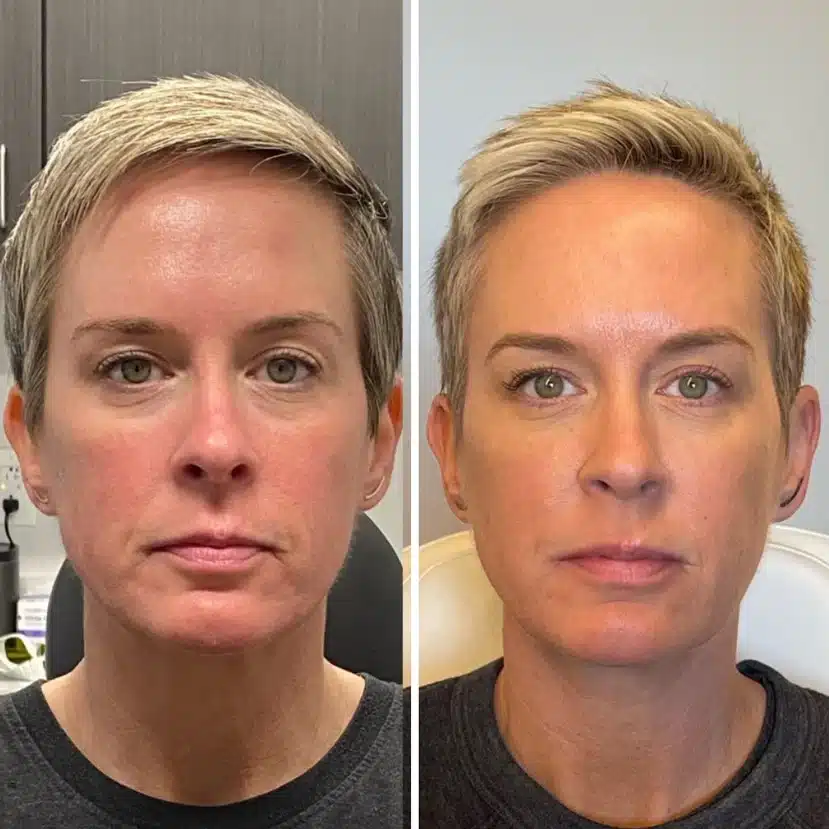
Sculptra vs Fillers: Key Differences
Natural Results and Appearance
Sculptra supports overall skin structure and can improve skin texture and skin quality over time. The gradual change blends with natural movement and may help prevent early-onset sagging skin.
Fillers are used to shape and contour areas affected by fine lines and wrinkles. Results depend on placement rather than collagen response.
Safety and Side Effects
Both treatments are fda approved for specific uses. Common reactions include swelling or bruising, and each can have potential side effects. Technique and anatomical knowledge strongly influence safety.
Fillers can often be dissolved, while Sculptra cannot be reversed once placed. This affects planning and risk management.
Cost and Long-Term Value
Injectable costs vary by product, treatment area, and number of sessions. When comparing fillers versus Sculptra, fillers such as Restylane typically cost approximately $2,500 per treatment, whereas Juvederm Ultra and Juvederm Voluma are commonly about $1,800 per session. Repeat treatments can affect the overall cost of injectable fillers.
Sculptra is typically priced at about $2,500 per vial and usually requires multiple sessions. Because it stimulates collagen production rather than adding immediate volume, the total cost depends on the extent of volume loss treated.
Many patients prioritize long-term value over single-session pricing, as further outlined in the cost of injectable fillers.
Treatment Areas: Face, Neck, and Body
Face, Cheeks, and Neck
Sculptra is often used to treat generalized facial aging, particularly in the cheeks and temples. It helps restore lost volume by supporting tissue rather than reshaping it. The neck may also benefit when laxity relates to reduced collagen support.
Fillers are commonly used to achieve defined contour changes. The decision depends on the treatment area and tissue behavior.

Nasolabial Folds
Nasolabial folds often respond well to fillers, which add volume beneath the fold. Sculptra may support surrounding tissue rather than filling the fold directly.
Buttocks and Off-Label Use
Sculptra is sometimes used off-label for body areas such as the buttocks. These uses require careful planning. Fillers are rarely used for large body areas due to volume limits.
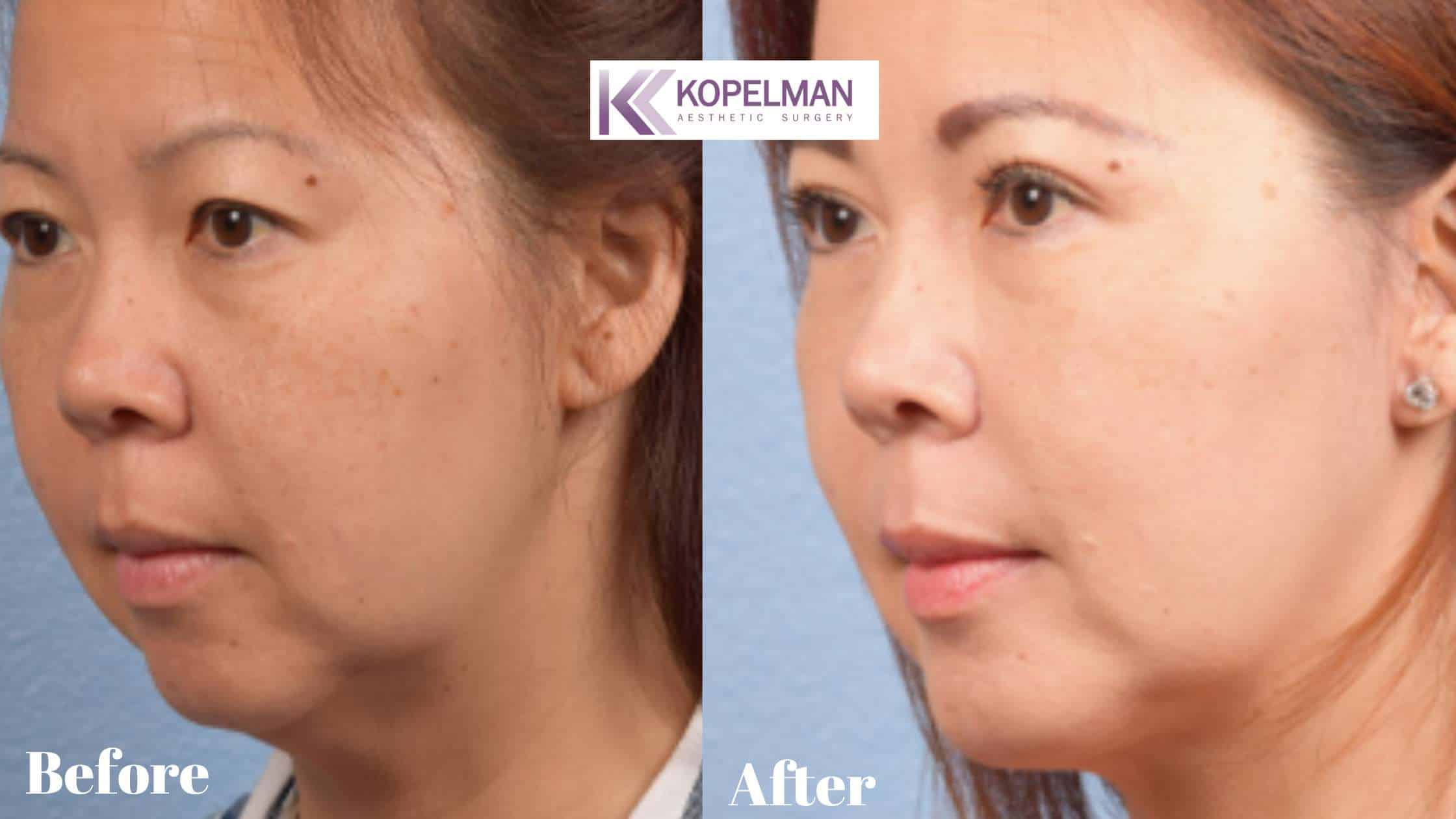
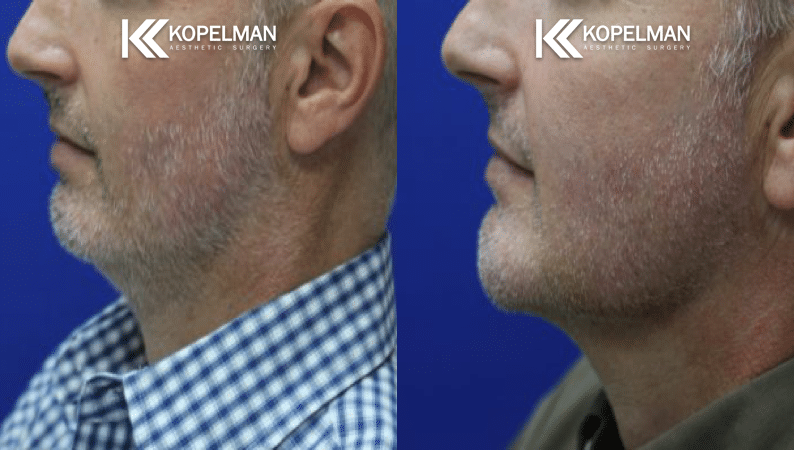
Sculptra vs Fillers: Before and After Results
Sculptra results appear gradually as collagen develops, so early photos may not show the final change. Fillers show immediate results that stabilize after swelling resolves.
Understanding these timelines is important when comparing outcomes.
Medical Considerations and Limitations
Who Is Not a Good Candidate for Sculptra
Sculptra may not be suitable for patients who require immediate correction or precise shaping. It is also unsuitable for areas requiring precise contour control. Certain inflammatory conditions may require alternatives.
Filler volume may also be limited when volume loss is severe or the skin is very thin. These factors guide safe selection.
Is Sculptra Safer Than Fillers?
Safety depends more on use than product. Both options are safe when performed correctly; however, poor technique increases the risk.
What Are the Negatives of Sculptra?
Sculptra requires patience and multiple visits. Results take time, and the product cannot be removed once placed. Rarely, nodules can occur with improper technique.
Why Some Doctors Avoid Sculptra
Some physicians prefer fillers because they allow immediate adjustment. Sculptra requires long-term planning and follow-up, which may not suit every practice.
Is Sculptra Worth the Money?
Value depends on expectations and maintenance preferences. Patients seeking gradual improvement may find Sculptra cost-effective over time. Those wanting targeted correction may prefer fillers.
Sculptra or Filler: Which Should You Choose?
Treatment Goals
Choosing Sculptra or filler starts with defining aesthetic goals. Sculptra supports structure, while fillers shape specific areas.
Age and Volume Loss
Age and the pattern of volume loss matter. Younger patients with early changes may benefit from collagen stimulation, whereas deeper folds, such as marionette lines, often respond better to direct volume replacement.
When to Consult a Specialist
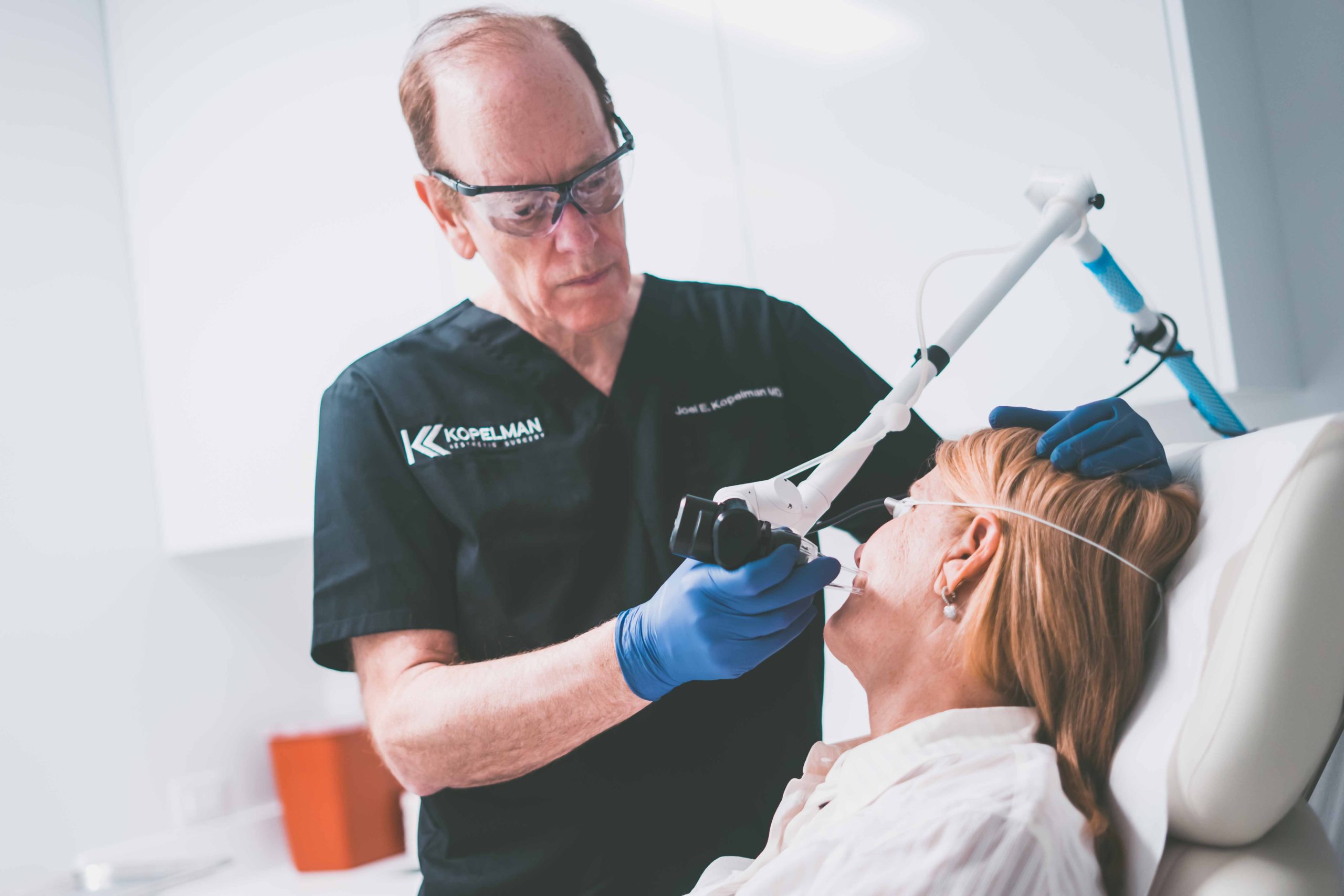
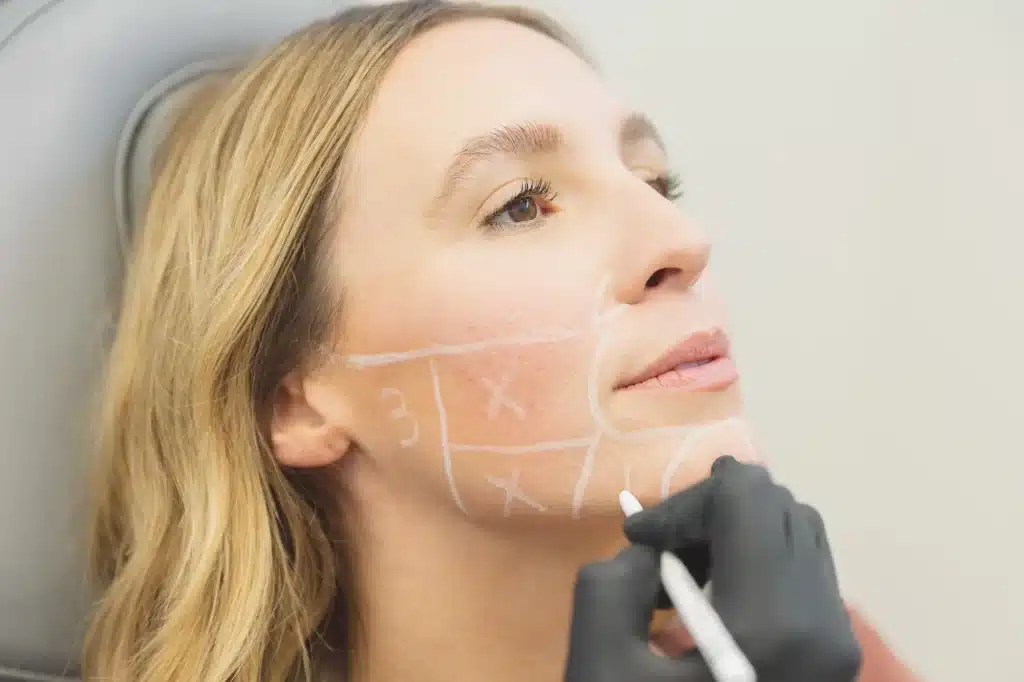
A specialist can assess facial structure, skin behavior, and medical history before recommending treatment. This evaluation supports safe, informed decision-making.
For patients considering injectable options, a consultation with Dr. Kopelman enables a detailed, case-specific discussion grounded in medical factors rather than assumptions. This step supports safe, informed decision-making before treatment planning begins.