
Hemifacial spasm treatment depends on the cause, symptom severity, and the muscles involved. This educational guide from Kopelman Aesthetic Surgery explains treatment options, diagnosis, cost, and when patients may discuss facial twitching with a specialist such as Dr. Joel Kopelman.
Key Takeaways
- Hemifacial spasm treatment often starts with Botox injections, which relax the affected facial muscles and may reduce twitching.
- Facial twitching is usually not a stroke, but sudden weakness, numbness, speech trouble, or severe headache needs urgent medical care.
- Diagnosis may include a facial movement exam and imaging to check whether a blood vessel is compressing the facial nerve.
- Treatment options may include Botox, medication, at-home trigger tracking, or microvascular decompression surgery in selected cases.
- Botox treatment at Kopelman Aesthetic Surgery costs $1,800 per session and is not priced per unit.
What Is the Best Treatment for Facial Twitching?
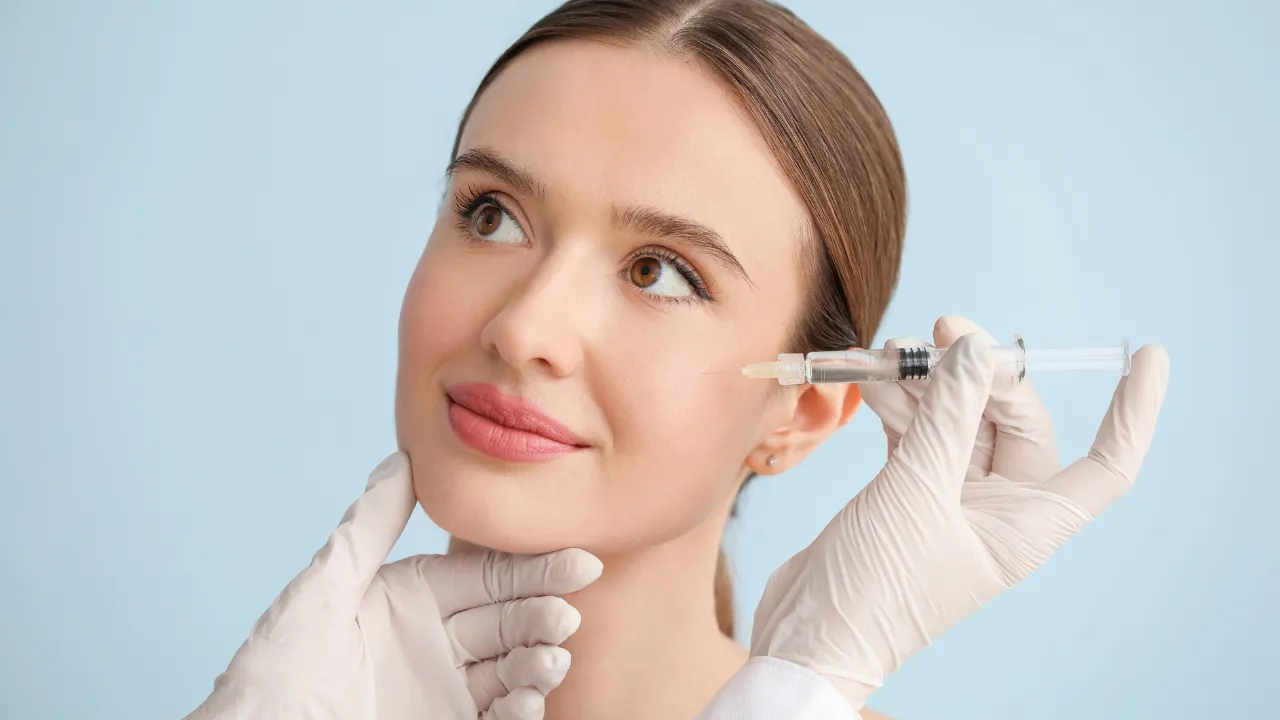
- Botulinum toxins are often the first treatment for hemifacial spasms.
- The injections relax the affected muscles and reduce involuntary movement on one side of the face.
- Medication may help some patients, especially when injections are not the right fit.
- Microvascular decompression surgery may be considered when a blood vessel presses on the facial nerve.
- The best treatment depends on diagnosis, symptom severity, health history, and quality of life.
Botox results are temporary and usually need repeat treatment every few months. Possible side effects can include mild bruising, eyelid drooping, dry eye, or temporary facial weakness.
Surgery may offer longer-term relief in selected cases, but it carries risks such as hearing changes, infection, bleeding, or nerve injury.
Is Facial Twitching Dangerous?
This condition is usually not dangerous, but it can affect comfort, vision, speech, and daily function. It is not the same as a stroke. Sudden facial weakness, confusion, speech trouble, numbness, or severe headache needs urgent medical care.
Causes and Symptoms of Facial Spasms
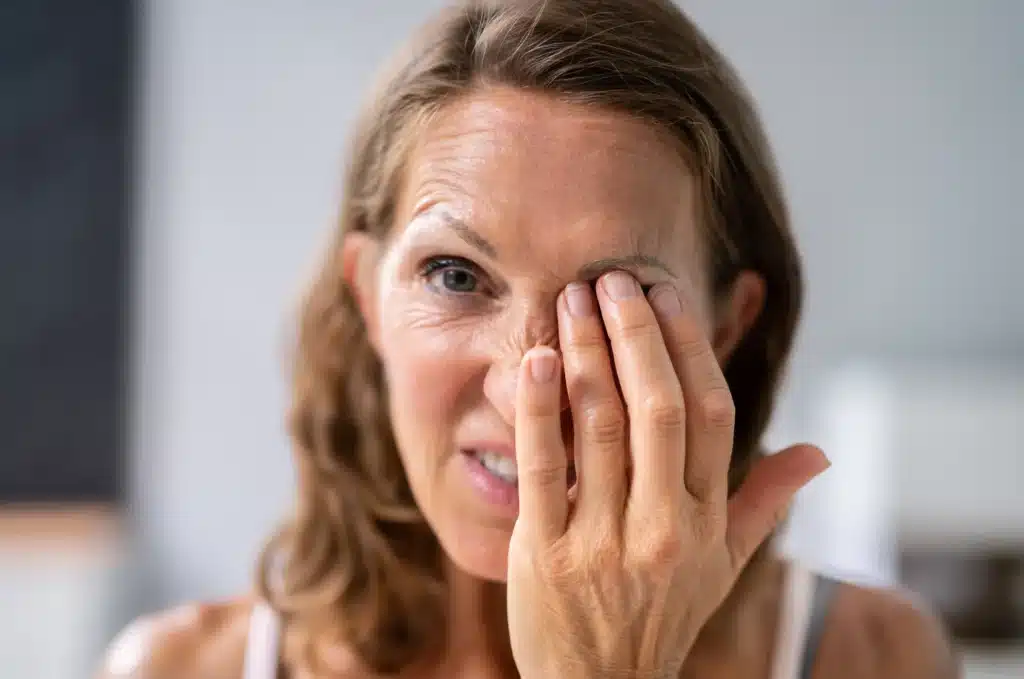
Facial nerve irritation often involves pressure from a nearby blood vessel. Less common causes can include multiple sclerosis, prior nerve injury, or a brain tumor. Symptoms of hemifacial spasm often start near the eye and may spread to the cheek, jaw, or mouth.
Hemifacial spasm involves twitching that usually affects only one side. Some patients with hemifacial spasm notice symptoms worsen with stress, fatigue, or facial movement. Spasms may involve the muscles on one side and become more frequent over time.
How Doctors Diagnose Facial Spasms
Diagnosing hemifacial spasm starts with a medical history and facial movement exam. A doctor may check eye closure, facial strength, nerve function, and which muscles contract. MRI or other imaging may help rule out structural causes and assess whether a vessel is compressing the facial nerve.
Treatment Without Surgery
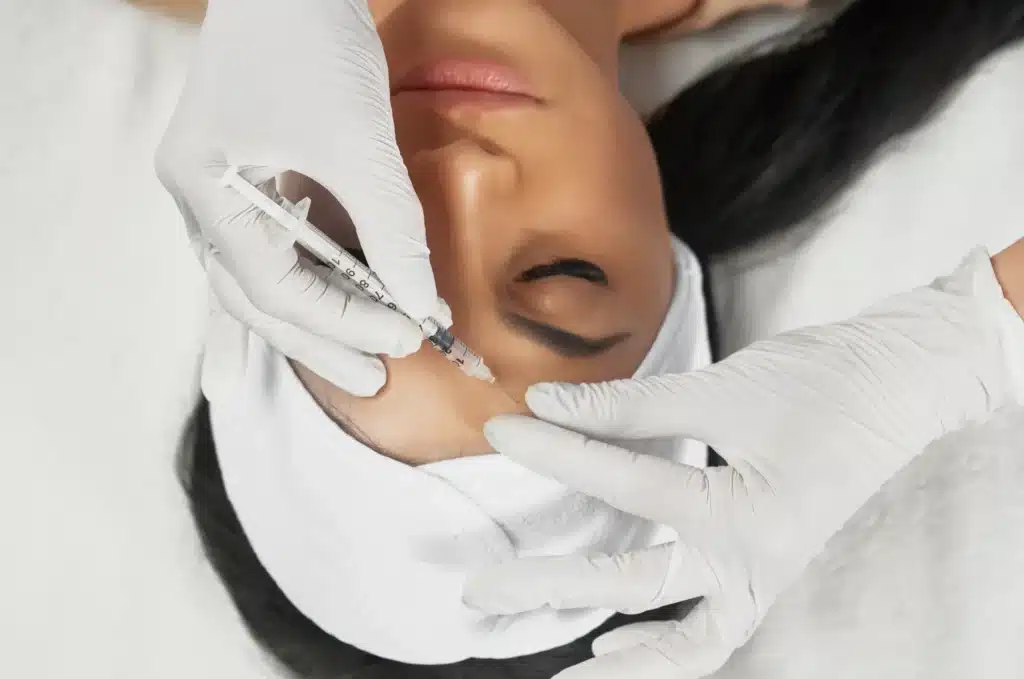
Treatment without surgery may include Botox injections, oral medication, and symptom tracking, but patients should understand where to get Botox injections before choosing a provider. This approach can help patients understand how to stop hemifacial spasms without assuming surgery is the first step. It may also support safer planning for treating facial twitching.
Hemifacial spasm treatment medication may include muscle relaxants or nerve-calming drugs in selected cases. Hemifacial spasm treatment at home may include improving sleep, reducing stress, reducing eye strain, and tracking triggers. These steps can help patients explain how to stop face muscle twitching during a medical visit, but they do not correct nerve compression.
Hemifacial spasm exercises should be used carefully. Gentle facial relaxation may help raise awareness of tension, but exercises do not replace medical evaluation. A clinician can explain which movements are safe.
Surgery for Facial Spasms
Surgery may be considered when symptoms are severe, persistent, or poorly controlled with injections. Microvascular decompression surgery reduces pressure on the facial nerve.
It separates the nerve from the irritating blood vessel. This may offer a long-term option for some patients. It needs a careful review of risks, recovery, and medical fitness.
Is There a Cure?
A hemifacial spasm cure depends on the cause of nerve irritation. Botox can control symptoms, but it does not remove the underlying compression. Surgery may address the cause in selected cases, but no treatment can promise a specific result.
Are There New Treatments?
New treatment for this facial movement disorder often means more precise use of existing tools. Current care focuses on accurate diagnosis, targeted injections, safer surgical planning, and patient-specific decisions, as the treatment approach can vary depending on whether the spasm pattern is clonic (hemifacial spasm) or tonic.
The right treatment for hemifacial symptoms depends on anatomy, severity, and medical history.
Botox vs Surgery
Botox is less invasive and usually temporary, and patients researching facial balance may also want to understand Botox for uneven eyes. Surgery targets the cause when a blood vessel presses on the nerve, but it carries surgical risks. The choice depends on symptom burden, health status, goals, and tolerance for repeat treatment.
Treatment Cost
Hemifacial spasm treatment costs vary based on exam needs, imaging, medications, insurance coverage, and whether surgery is needed.
For Botox, the typical session cost at Kopelman Aesthetic Surgery is $1,800. The practice does not charge per unit for this treatment, so pricing is based on the session rather than the number of Botox units used.
When to See a Specialist
See a specialist when twitching spreads, affects function, or does not improve. Medical care is also important when facial spasm is accompanied by pain, numbness, weakness, one eye closing of one eye, or a sudden change.
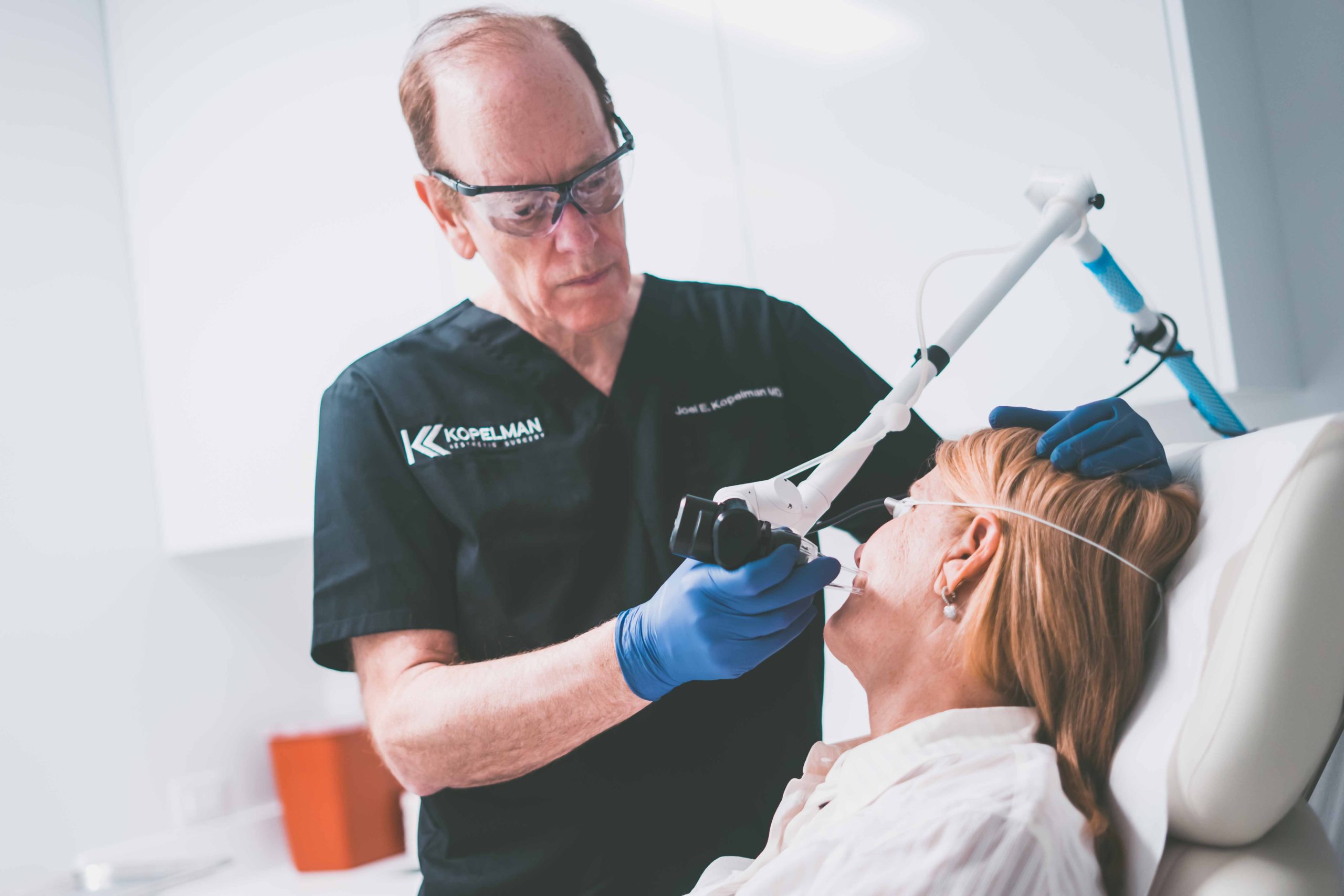
Dr. Kopelman’s background in facial plastic and oculoplastic surgery gives patients insight into facial anatomy when evaluating concerns related to eyelid and facial movement.