
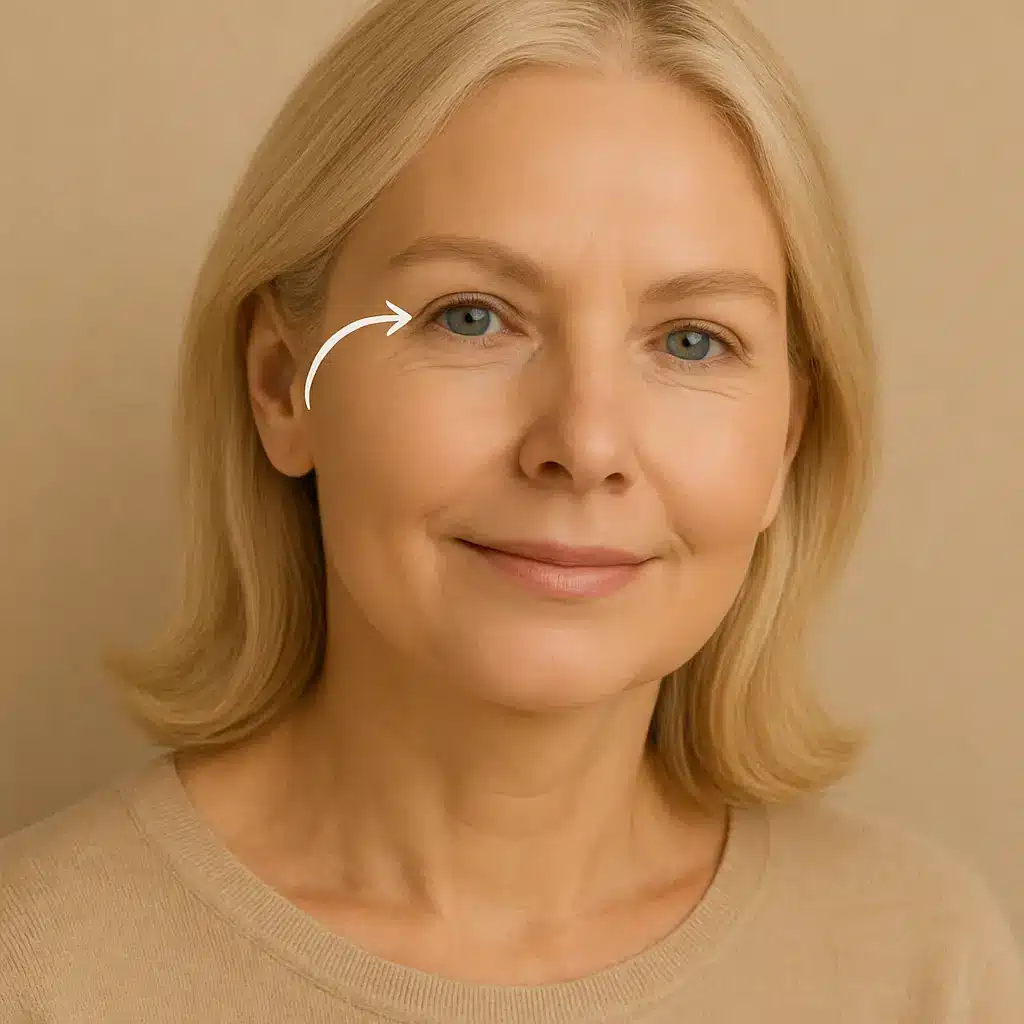
At Kopelman Aesthetic Surgery, Dr. Joel Kopelman offers precise, medically proven solutions to restore the upper eye area.
A filler for volume on droopy eyes can smooth hollowing, improve symmetry, and refresh the face without surgery. This treatment delivers subtle, natural results tailored to each patient’s needs.
Key Takeaways
- Filler for droopy eyelids restores volume, reducing hollowing, shadows, and mild sagging without surgery.
- Hyaluronic acid gel fillers, sometimes paired with Botox, give natural results lasting 6–12 months.
- Best for mild to moderate eyelid changes; severe sagging may need upper blepharoplasty.
- Risks are low with a skilled provider, but fillers cannot remove excess skin or correct major drooping.
What Is Filler for Droopy Eyelids?
How fillers restore lift and smoothness
A filler for droopy eyelids uses targeted injections to add volume and support to areas where skin and tissue have thinned. By replenishing structure, the treatment reduces shadows, improves contour, and refreshes the eyelid and brow appearance.
In patients with early hooding, hooded eyes filler treatments focus on restoring volume in the upper lid crease to reduce heaviness.
Filler for volume on droopy eyes injections
Upper eyelid filler injections use hyaluronic acid gel or a similar dermal filler upper eyelid products to lift and smooth the eye area. These products bind water for subtle support, with type and placement varying from patient to patient.
Pros and Cons of Eyelid Fillers
Before discussing causes, it helps to weigh the benefits and drawbacks.
Pros:
- Quick recovery, often same-day return to activities.
- Reversible using hyaluronidase if needed.
- Subtle, natural results without surgery.
- Can function as an eyelid lift filler in select patients with mild volume loss.
Cons:
- Temporary results, lasting 6–12 months.
- Less effective for severe excess skin.
- Requires maintenance for lasting effects.
Causes of Droopy or Hooded Eyelids
Anatomy-Based Causes of Drooping
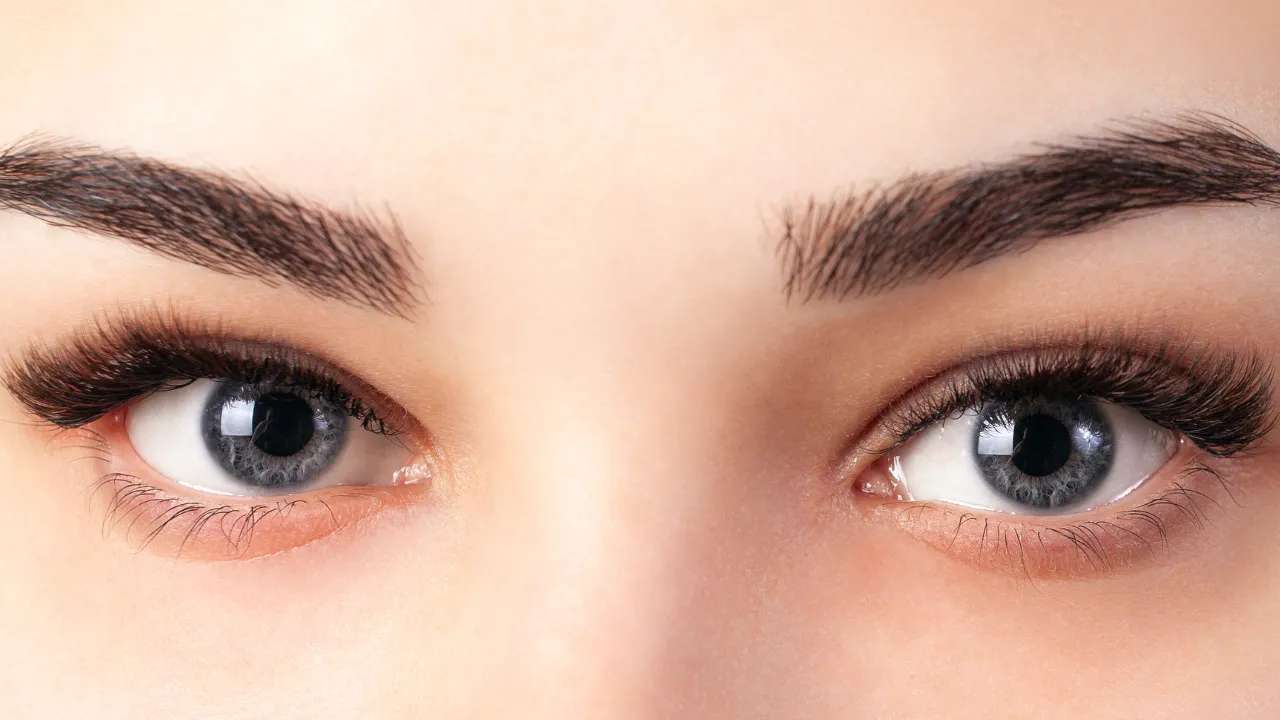
Droopy eyelids often result from fat pad shrinkage, leading to upper eyelid hollowing. Skin in the upper eyelid and brow area loses elasticity, and levator muscles weaken, creating a heavier, tired look.
Age-related skin and muscle changes
Upper eyelid skin stretches and muscles weaken over time, contributing to droopy eyelids.
Loss of eyelid fat volume
Loss of volume in the upper lids creates a hollow or sunken eye effect, making the upper eyelid skin appear looser. In these cases, dermal filler for hooded eyes may improve contour if excess skin is minimal.
Lifestyle and medical factors
Sun damage, genetics, and certain health conditions can accelerate facial aging in the eye and brow area.
Best Fillers and Treatment Options
What fillers are good for droopy eyes?
Upper eyelid hyaluronic acid fillers are preferred for their ability to be shaped, adjusted, and reversed.
Mechanism of Action Explained Simply
Hyaluronic acid gel fillers attract and bind water molecules, hydrating and lifting tissues. In the upper lids, they improve contour, reduce shadowing, and support the skin without altering expressions.
Which filler is best for volume?
Hyaluronic acid gel products are popular for their safety and ability to restore natural results.
Upper eyelid filler for hooded or hollow eyes
Eyelid filler and tear trough filler improve hooded eyes by addressing excess skin and upper eyelid hollowing resulting from volume loss.
Dermal fillers for hooded eyes are most effective when the heaviness stems from volume depletion rather than from excess skin.
FDA-approved filler types
Only FDA-approved dermal fillers should be used in the upper lids for safety and consistency.
Treatment Process and Results
Step-by-step procedure
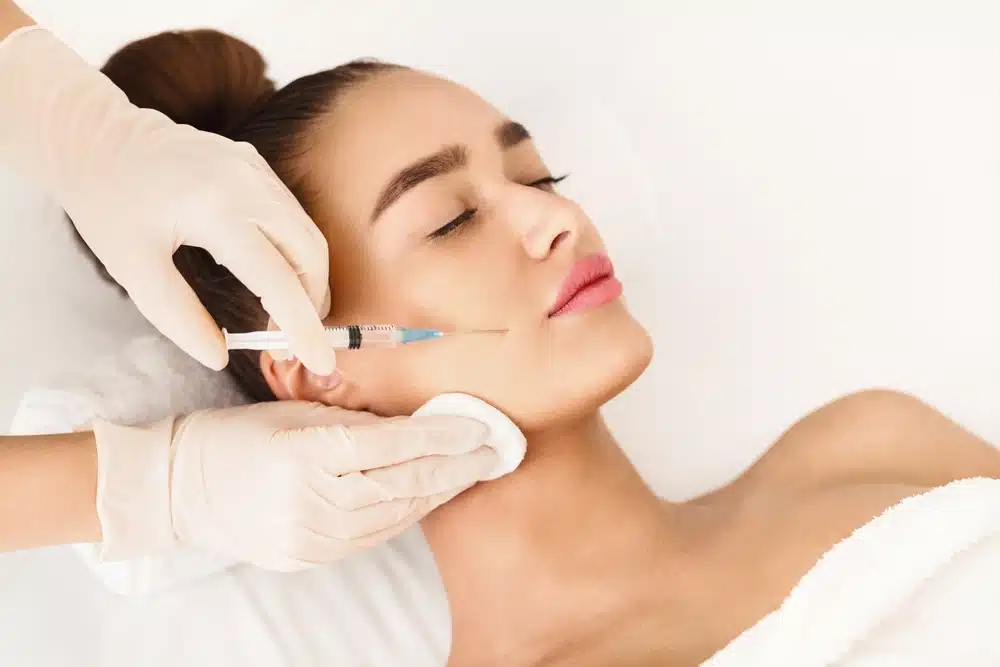
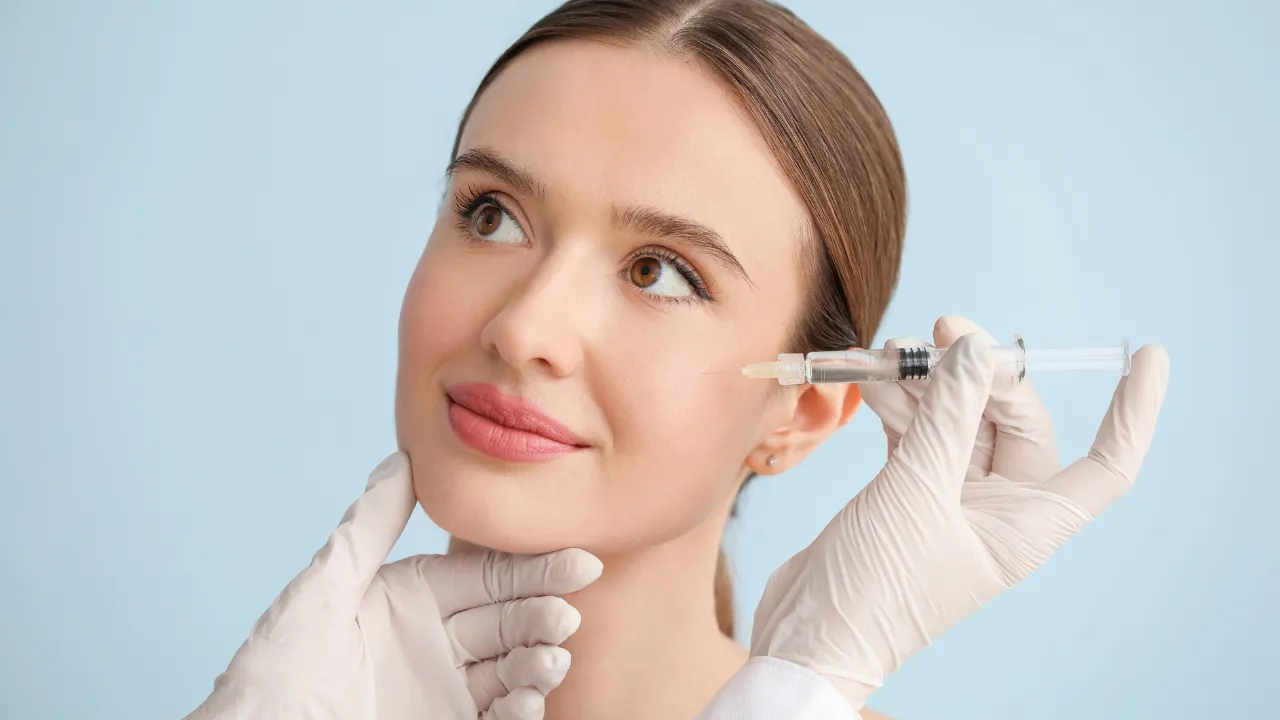
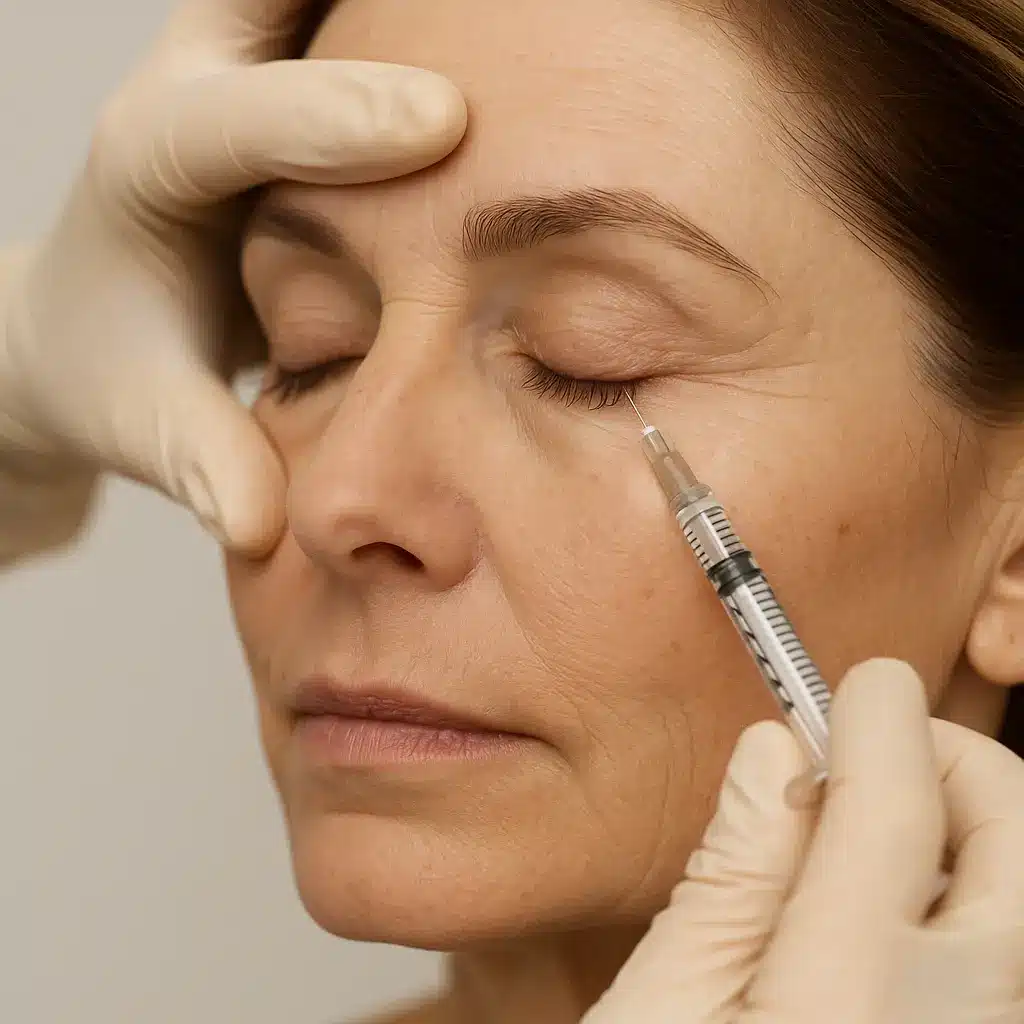
Treatment begins with an exam of the upper lids and brow area. After a local anesthetic, Dr. Kopelman uses fine needles or cannulas to place filler precisely.
Pairing eyelid filler with Botox
Combining filler with Botox for drooping eyelids can lift the brow area slightly and soften lines.
Before and after expectations
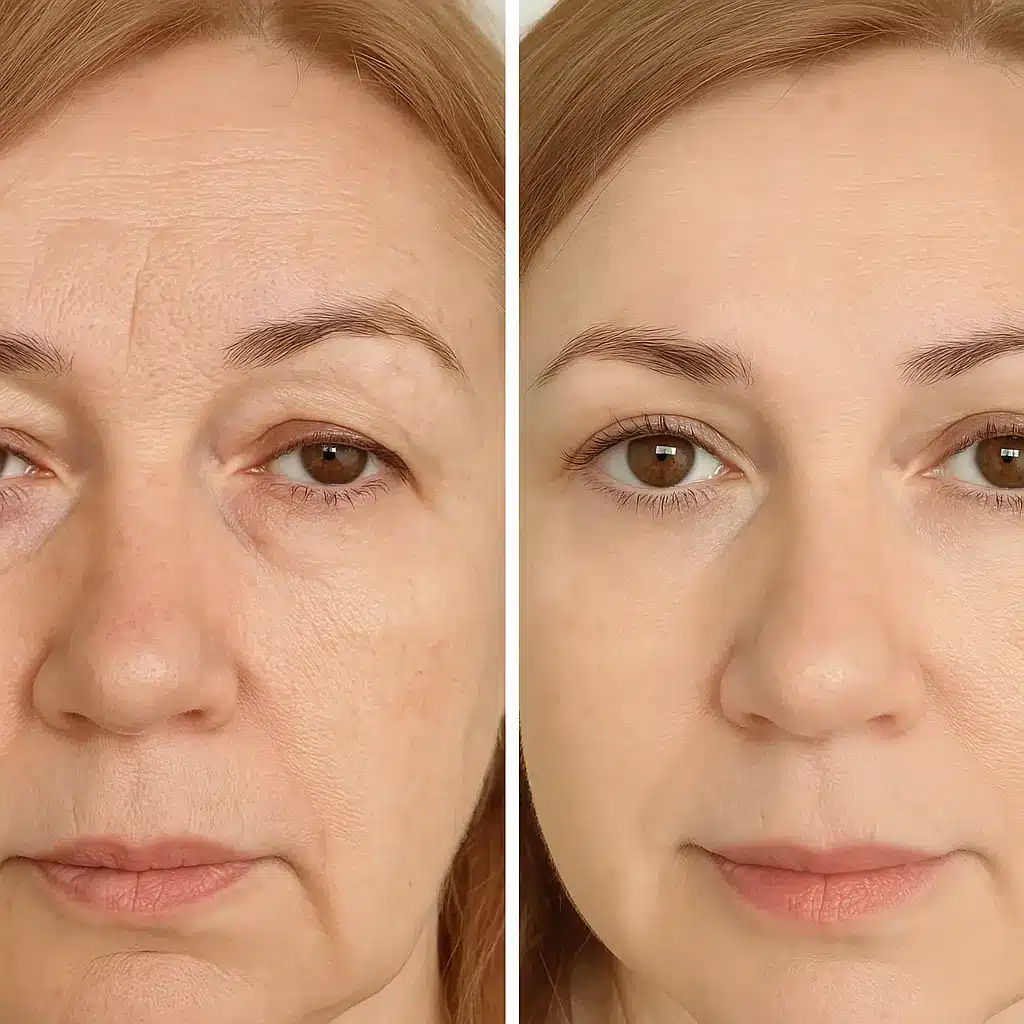
Before treatment, patients may notice hollowing, dark circles, or loose upper eyelid skin. After treatment, the lids appear smoother and brighter, especially in cases treated with upper eyelid filler for hooded eyes.
Expected recovery timeline
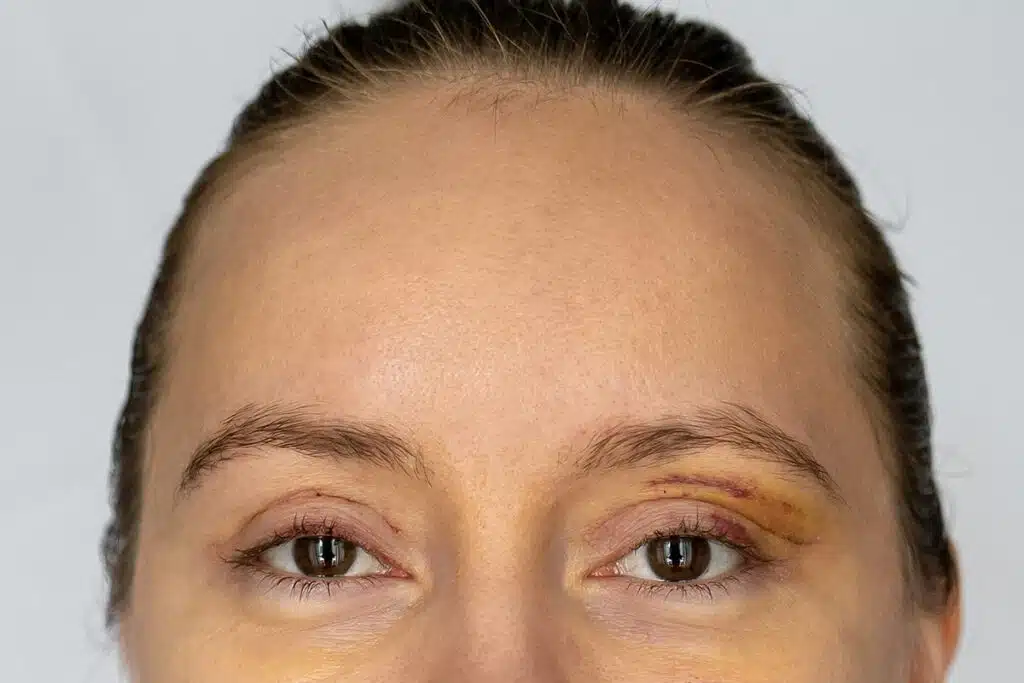
Minor swelling or bruising may last 1–3 days. Most resume normal activities quickly, with results visible right away.
How long do fillers last
Results usually last 6–12 months, though they vary from patient to patient. Learn more about how long under eyelid fillers last.
Maintenance treatment schedule
Follow-ups once or twice a year help maintain results.
Candidate Suitability
Signs you may benefit from eyelid filler
You may be a candidate if you have droopy eyelids from loss of volume, mild excess skin, or early signs of aging.
Non-Surgical vs. Surgical Candidates
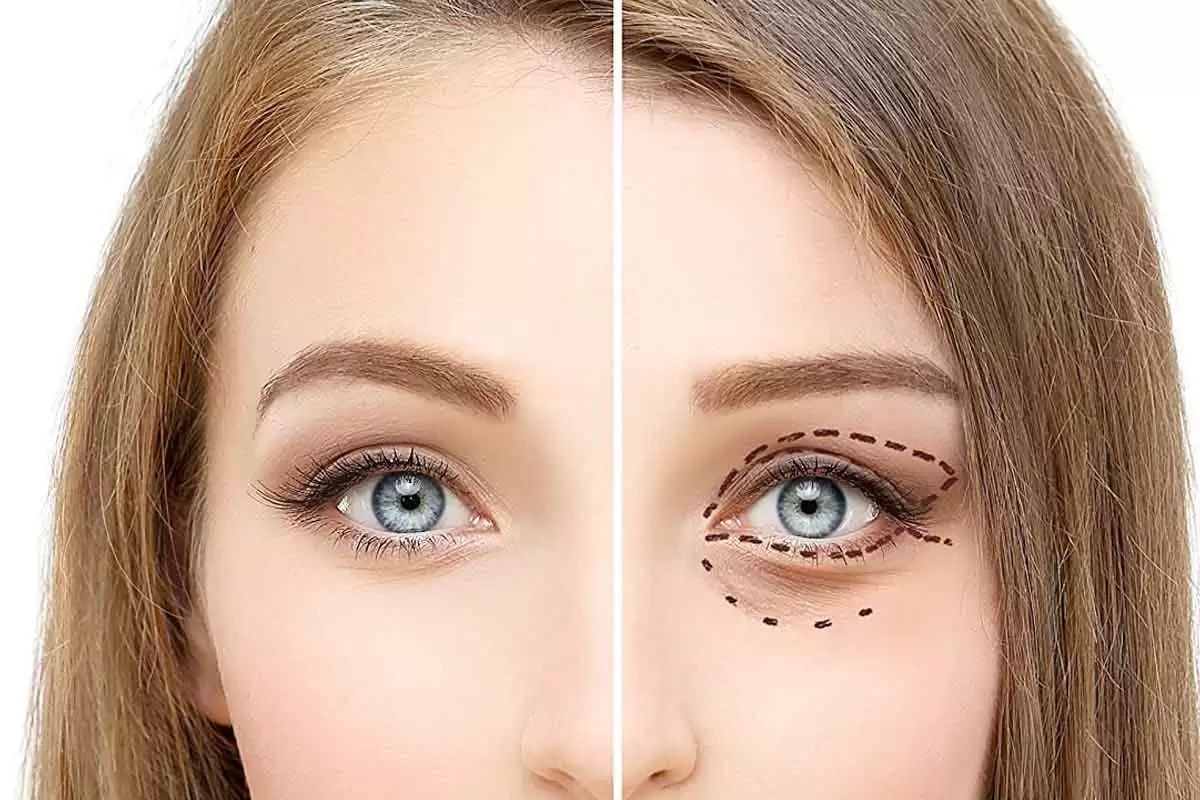
Filler works best for mild to moderate volume loss, minimal excess skin, and early aging. Upper blepharoplasty is suited for significant excess skin, loose muscle tissue, or vision obstruction.
Best candidates for filler:
- Mild upper eyelid hollowing.
- Early droopy eyelids without severe sagging.
- Preference for temporary, reversible results.
Best candidates for upper blepharoplasty:
- Large amounts of excess skin or fat.
- Vision issues from eyelid sagging.
- Desire for long-term correction.
When surgery is the better choice
If you have significant excess skin or sagging that obstructs vision, upper blepharoplasty may be more effective.
Choosing a qualified provider
Select a board-certified facial plastic or oculoplastic surgeon like Dr. Kopelman, experienced in the upper eyelid and brow area.
Limitations of Eyelid Fillers
Eyelid fillers cannot remove excess skin, tighten muscles, or address severe drooping. Surgical procedures like upper blepharoplasty or a brow lift may be better for these cases.
Risks and Safety
Is upper eyelid filler dangerous?
When performed by a qualified specialist, the risk is low.
What is the downside of undereye fillers?
Potential downsides include swelling, bruising, or, rarely, filler migration.
Common side effects and rare complications
Mild tenderness and redness are common. Rare complications may include vascular occlusion.
Cost and Pricing
Eyelid filler cost overview
Costs vary based on provider expertise, filler type, and case complexity. In New York City, typical under-eye filler (often similar to upper eyelid applications) ranges from $800 to $1,500 per syringe
Upper eyelid filler price range
Upper eyelid filler costs generally mirror or slightly exceed under-eye rates due to the precision required in the upper lid. The final price depends on the number of syringes and treatment complexity.
Surgical alternatives such as upper blepharoplasty range from $3,000 to $8,500 or more, depending on complexity
Factors that affect cost
Final costs depend on several variables:
The number of syringes required for the desired volume
Choice of dermal filler brand (e.g., various hyaluronic acid gels)
Whether additional procedures, like Botox or surgical treatments, are combined
Alternatives to Filler
How can you add volume under the eyes without using fillers?
Options include fat grafting, laser treatments, or collagen-stimulating devices.
Non-surgical and surgical alternatives
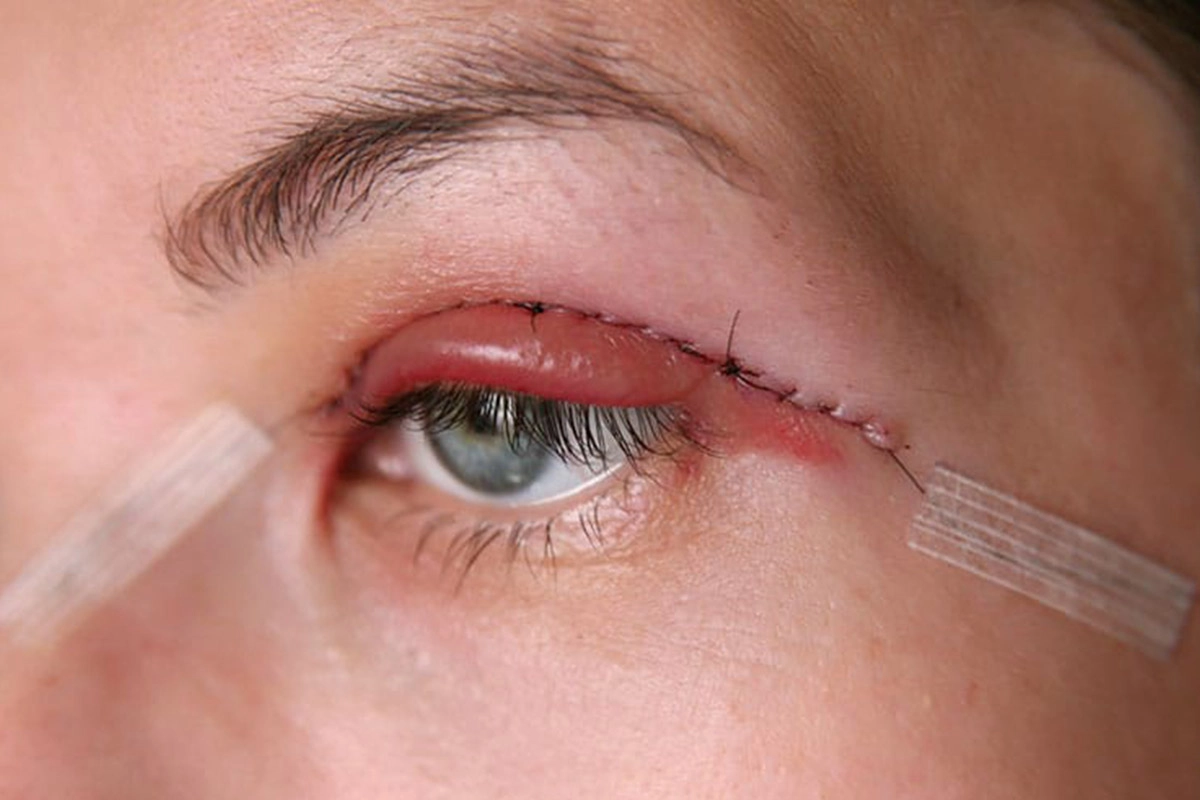
Advanced droopy eyelids or excess skin may require non-surgical blepharoplasty or an upper blepharoplasty, sometimes paired with a brow lift.
Discover Your Best Treatment Option
Whether you are exploring eyelid filler or considering upper blepharoplasty, Dr. Joel Kopelman offers expert guidance to help you choose the right path.