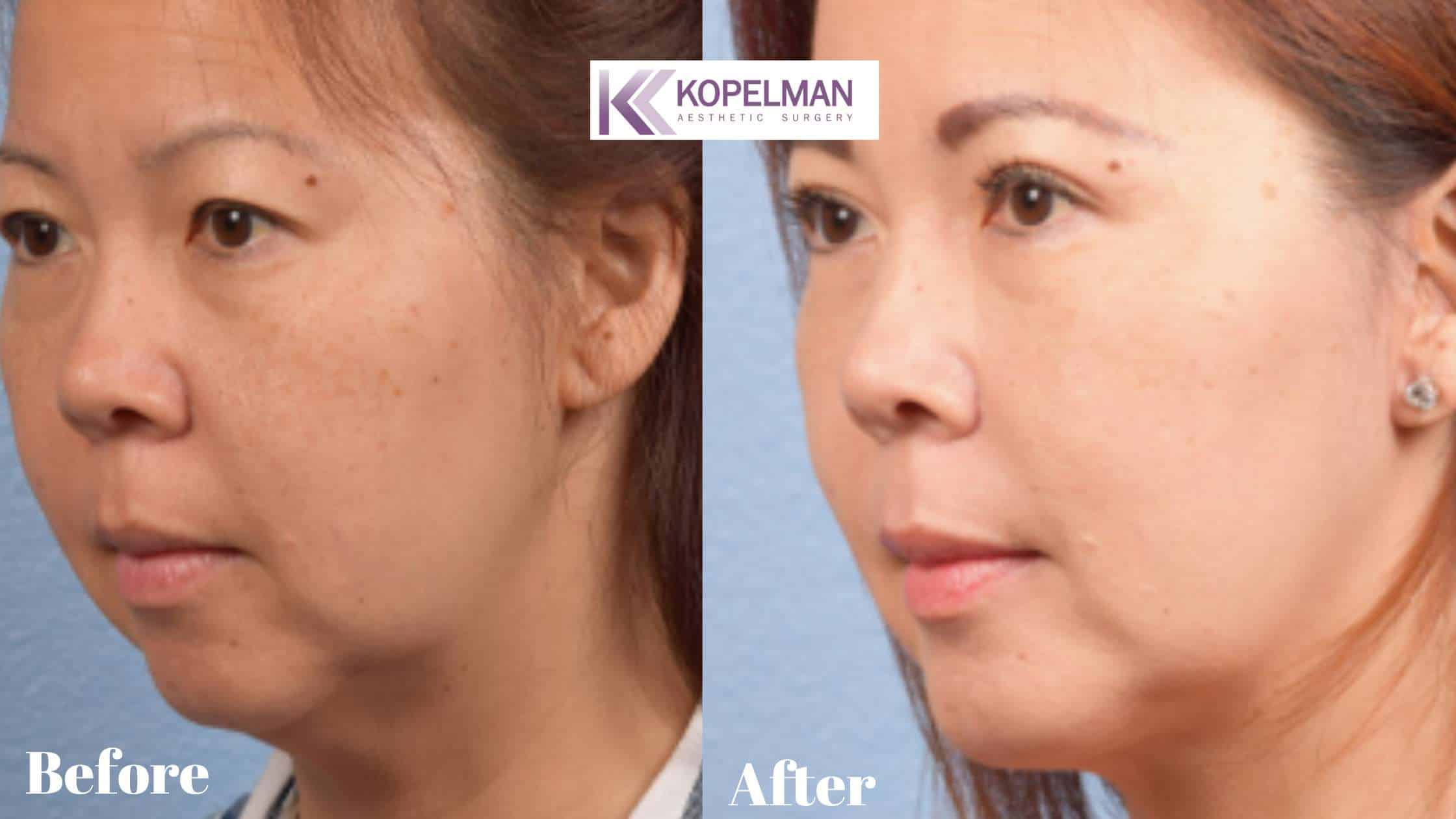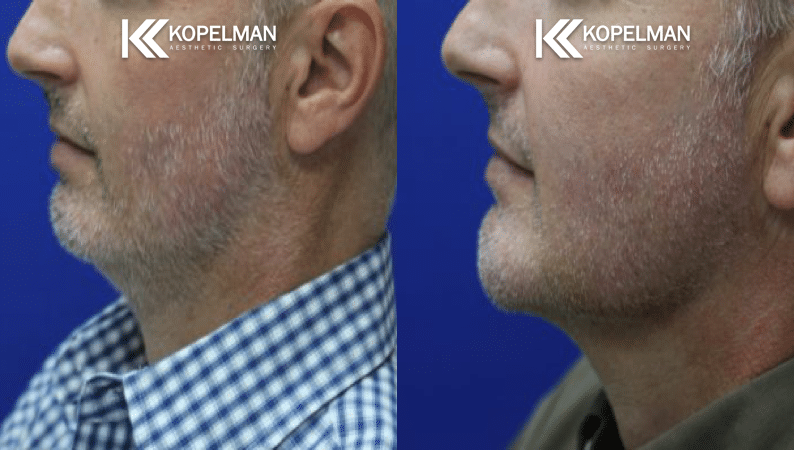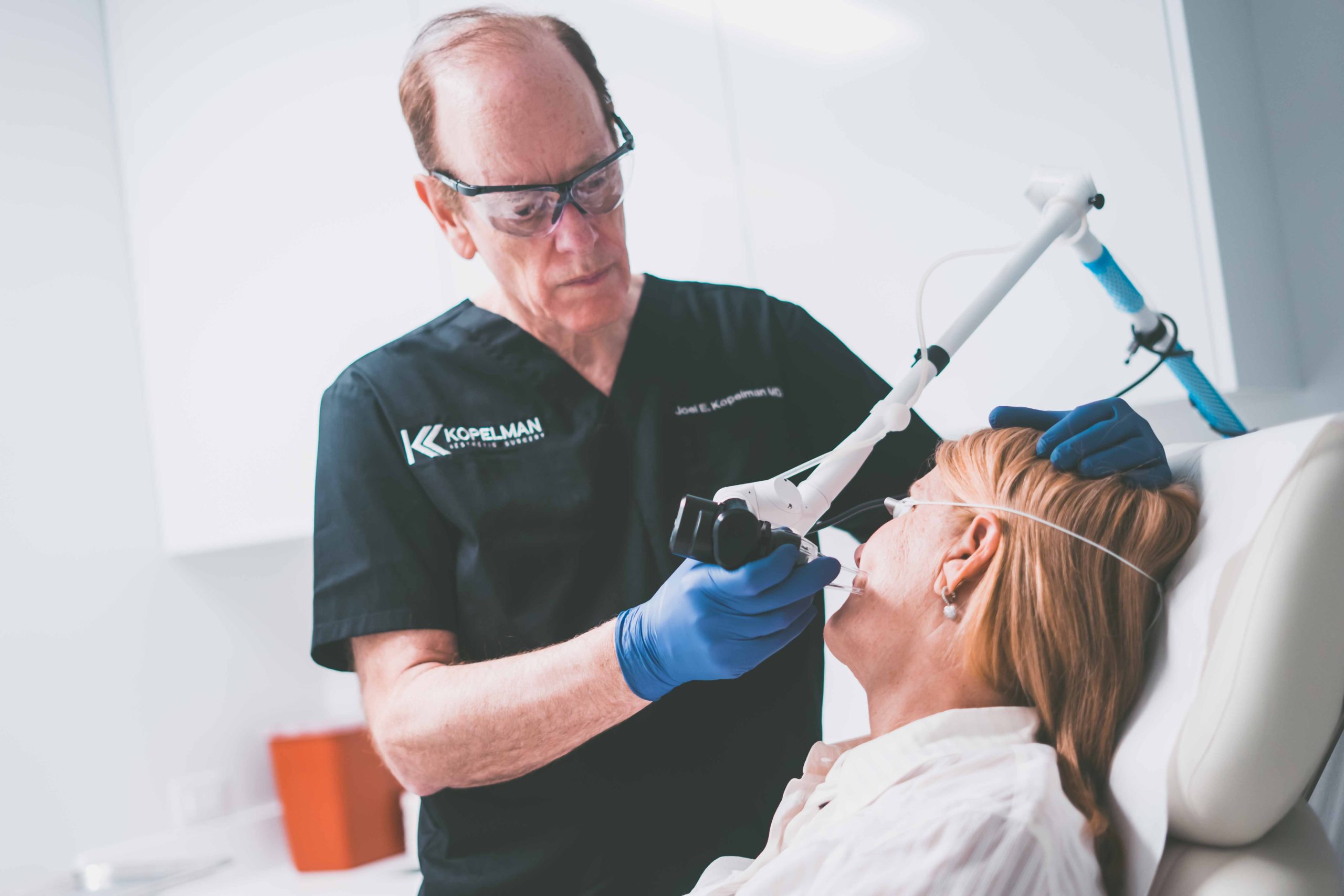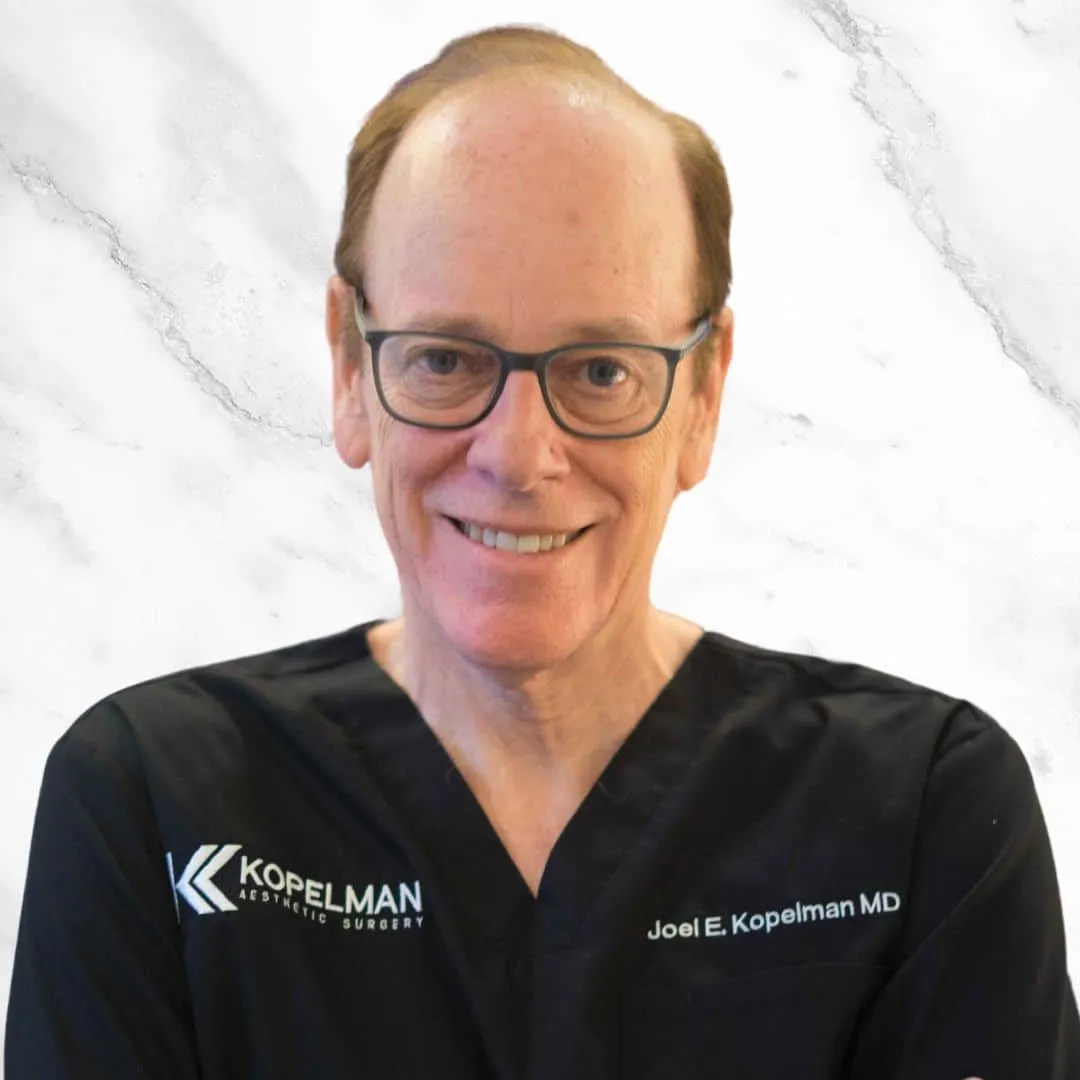

At Kopelman Aesthetic Surgery in New York, Dr. Joel Kopelman offers tailored solutions to restore a youthful look. This guide explains how to remove loose skin under eyes using safe and proven methods..
Key Takeaways
- Droopy under-eye skin can result from aging, genetics, or medical conditions like allergies or fluid retention.
- Options range from at-home care to fillers, lasers, and surgery—depending on severity.
- Blepharoplasty offers long-term correction when sagging is moderate to severe.
- Knowing whether your concern is medical or cosmetic helps determine the right treatment path.
- Dr. Kopelman brings 35+ years of expertise in oculoplastic and reconstructive surgery.
Difference Between Cosmetic and Medical Concerns
Cosmetic concerns involve mild sagging or puffiness, while medical issues may interfere with vision or include persistent swelling or irritation. A specialist can help determine the cause and treatment approach.
Causes of Droopy Under-Eye Skin and Bags
Aging leads to a loss of collagen and elastin, causing saggy skin under eyes as fat shifts forward and forms visible bags. Genetics, smoking, dehydration, sun exposure, and sleep loss can worsen this. Some cases relate to health issues like allergies, sinus problems, or thyroid conditions.
If lifestyle changes don’t help, medical advice may be needed. It’s also essential to distinguish between a drooping upper eyelid and loose skin below the eye, as each has different causes and treatment options.
How to Fix Droopy Under Eyes
Treatment depends on the cause and severity. If you notice saggy under eyes, options include home care, non-invasive methods, and surgery.
Home Remedies and Daily Habits That Help
Under Eye Skin Tightening Home Remedies
If you’re wondering how to tighten under eye skin, remedies may slightly improve mild cases. Try cool compresses, caffeinated creams, or green tea bags for puffiness and inflammation.
Is Vaseline Good for Under Eyes?
Some people ask if petroleum jelly can help improve dryness or texture under the eyes. While it can lock in moisture, it does not tighten skin or reduce sagging. It may be useful as a barrier for hydration, but it will not address structural concerns like collagen loss or fat displacement.
Lifestyle Changes to Support Skin Firmness
Get enough sleep, stay hydrated, wear sun protection, and avoid rubbing your eyes. These habits protect the delicate skin around your eyes and support long-term firmness if you’re looking for how to tighten skin under eyes naturally.
Non-Surgical Treatments for Sagging Skin Under Eyes
Skincare Products and Ingredients
They hydrate and may promote improved skin tone while helping maintain firm skin around eyes over time. Eye creams that reduce dark circles and visible blood vessels can also help rejuvenate the eye area.
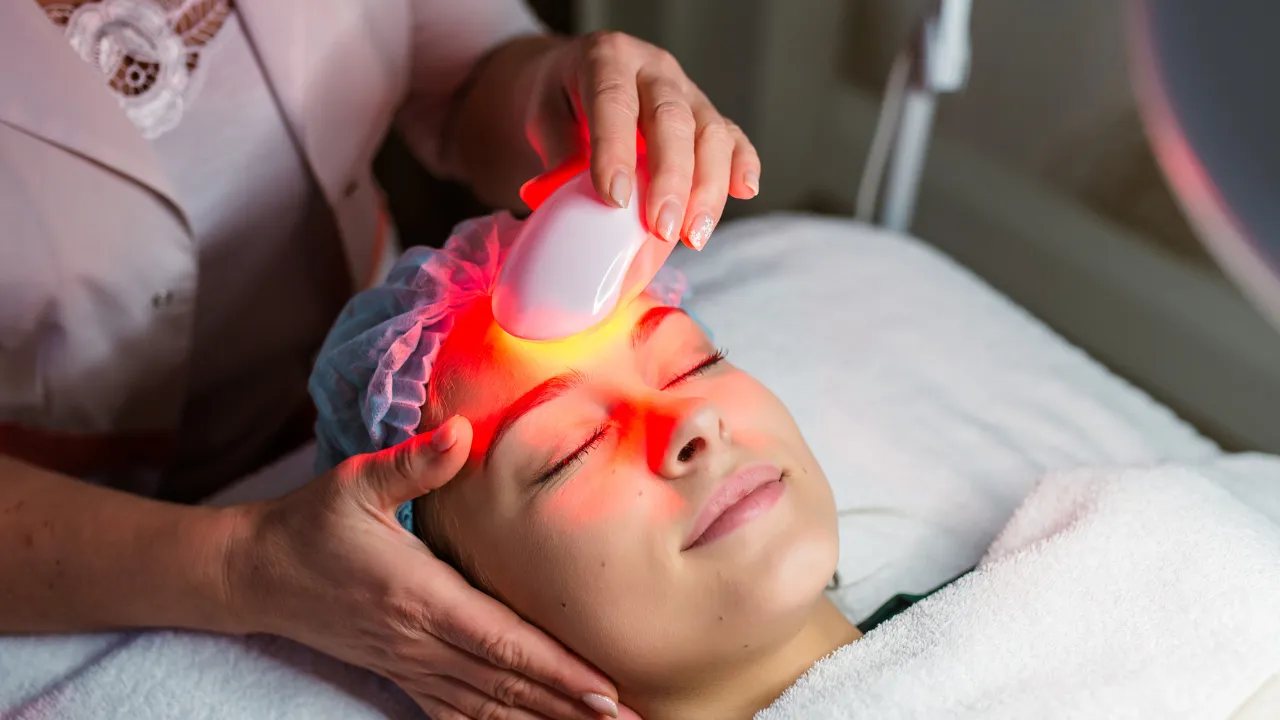
Laser, Ultrasound, and Radiofrequency
These treatments stimulate collagen and tighten skin with minimal downtime. Ultrasound reaches deeper layers, while lasers and RF improve surface texture.
Chemical Peels
Mild chemical peels can reduce fine lines, dark circles, and uneven skin tones by resurfacing the area beneath the eyes.
Comparison of Under-Eye Treatment Options
TreatmentEffectDowntimeBest For CreamsMild improvement NoneEarly signs, sensitive skin tonesLasers/UltrasoundModerate tightening1–3 daysTexture issues, mild to moderate saggingFillersFast visible results MinimalVolume loss, hollowing Surgery (Blepharoplasty) Long-lasting correction7–10 daysSevere sagging, excess skin
Surgical Options for Extra Skin Under the Eyes
Lower Eyelid Blepharoplasty
If you’re looking for how to tighten under eye skin permanently, surgery offers the most reliable correction when sagging is more severe or there’s extra skin under the eyes. Dr. Kopelman is board-certified and affiliated with top New York institutions.
He performs both transconjunctival (internal) and external techniques. The method depends on whether fat is repositioned or skin is tightened.
In many cases, repositioning fat preserves natural creases and avoids a hollowed appearance. This tailored approach ensures aesthetic harmony. Plastic surgery becomes necessary when bags under the eyes or skin laxity are too advanced for non-invasive options.
Recovery and Risks
Recovery typically takes 7–10 days. Temporary bruising, swelling, or dry eye symptoms may occur but are uncommon under experienced care. Follow-up ensures smooth healing and long-term results.
When to See a Specialist for Droopy Under-Eye Skin
Home treatments may help with early signs. But if sagging blocks vision, worsens, or doesn’t respond to skincare, it’s time to see a specialist.
A board-certified oculoplastic surgeon like Dr. Kopelman can recommend the most effective option based on your anatomy and goals.
Signs You Might Need Medical Evaluation
See a health care provider if you notice:
- Vision blocked by sagging
- Ongoing swelling or discoloration
- Itching, dryness, or no response to treatment
- Concerns about skin quality or underlying causes
Frequently Astked Questions About Droopy Under Eyes
Your Next Step
If you’re concerned about droopy under-eye skin and want to explore the best treatment for your needs, Dr. Joel Kopelman can help. With decades of experience in oculoplastic surgery, he offers personalized care and trusted results.
Schedule a consultation with Kopelman Aesthetic Surgery today to discuss your options and take the next step toward a refreshed, confident appearance.