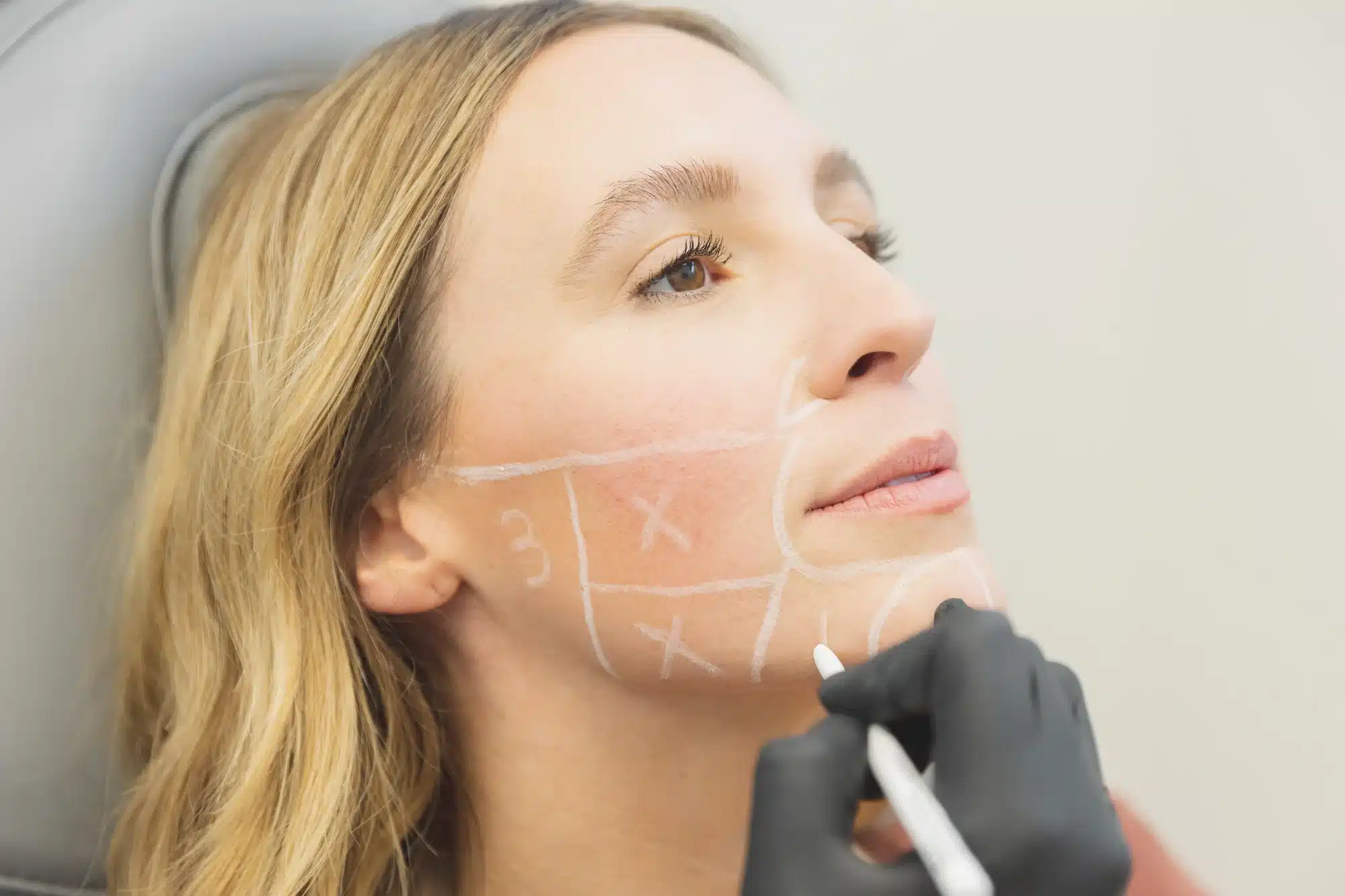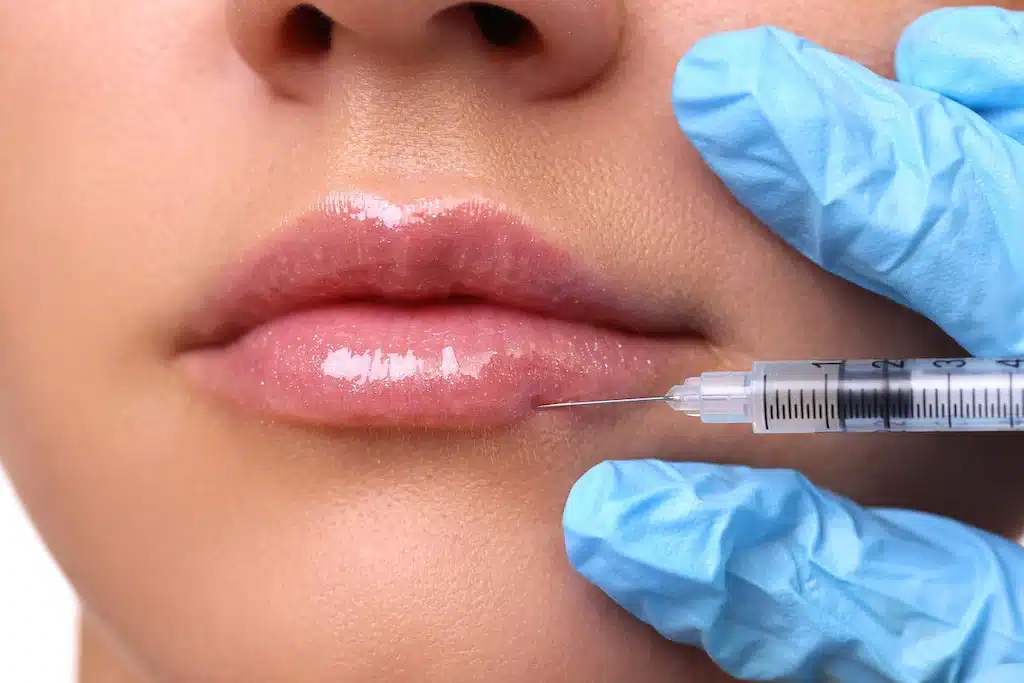


Cheek fillers for a long face can help improve facial balance by adding controlled width to the midface, reducing the appearance of vertical length without altering bone structure. This article explains how cheek fillers are used to address a long face, focusing on anatomy, placement strategy, safety, and limitations.
At Kopelman Aesthetic Surgery, cases are approached through facial analysis rather than trends, a method often emphasized by Dr. Joel Kopelman, a board-certified plastic surgeon, in clinical education.
Key Takeaways
- Cheek fillers can help balance a long face by adding controlled width to the midface, shifting focus away from vertical length without altering bone structure.
- Results depend more on precise placement and facial analysis than on filler volume, with lateral cheek support playing a central role in creating proportion.
- Cheek fillers have clear limits; they cannot shorten facial bones or correct all causes of facial elongation, so realistic expectations are essential.
- Safety and outcomes rely heavily on injector training and anatomical knowledge, especially in the midface, where blood vessels and tissue depth vary.
- Costs, recovery, and maintenance should be considered together, since cheek fillers are temporary and may require follow-up or repeat treatments.
Can Cheek Fillers Help a Long Face?
What Cheek Fillers Cannot Do?
Cheek fillers can help a long face by shifting visual focus from vertical length to midface width. When treatment adds volume in controlled areas, the face can appear more proportionate rather than elongated. This approach supports patients who want to achieve their aesthetic goals through subtle correction.
Many patients ask if cheek fillers make the face look thinner. In a long face, proper placement can create structure along the cheekbones, which may reduce the appearance of narrowness. The goal is balance, not fullness, which reflects the principles of facial balancing with fillers and requires restraint and planning. This effect depends on anatomy and injection depth rather than the amount of filler used.
Cheek fillers cannot change bone length or alter the underlying skeletal structure of the face. Their role is limited to adjusting soft tissue contours and visual balance. This distinction is essential for long faces, where excessive volume may widen features without reducing perceived length.
Fillers also cannot correct every cause of facial elongation. Jaw position, chin length, and overall facial proportions still influence appearance. Understanding these limits helps prevent unrealistic expectations and overcorrection.
How to Shorten a Long Face With Fillers
The concept behind shortening a long face is to add width rather than height. Injectors often focus on lateral cheek support and mid cheek filler placement to visually widen the midface.. This approach changes proportions without altering bone structure.
Lateral cheek filler placement plays a key role in this process. By placing filler closer to the outer cheekbone, the cheeks receive more volume where width is needed most. This technique avoids adding fullness to areas that could increase facial length.
In some cases, improved midface support can also soften adjacent features such as the nasolabial folds, often referred to as smile lines. This occurs indirectly when the cheek structure reduces downward tension on surrounding tissues. It should be viewed as a secondary effect rather than the primary treatment objective.
Best Cheek Fillers for a Long Face
What Happens During a Cheek Filler Procedure
A cheek filler procedure begins with a detailed consultation and facial assessment. The provider evaluates facial proportions, skin thickness, and the safest cheek filler injection points for each area. Treatment planning focuses on placement strategy rather than volume alone.
During the session, dermal filler injections are performed using fine needles or cannulas. The injector may inject filler at multiple depths depending on anatomy and support needs. Decisions about where to inject filler are guided by safety and proportion, not symmetry alone.

After treatment, patients are monitored briefly before returning to daily activities. Mild swelling or bruising can occur. These effects usually resolve within several days.
Several dermal fillers may be used for a long face as part of non-surgical cheek augmentation, most commonly hyaluronic acid fillers. These products are FDA-approved for facial use. Their reversibility allows careful shaping and adjustment if needed.
The choice of filler is often less important than how it is placed. Depending on the type of filler, a softer option may suit superficial contouring, while a firmer product may support deeper structure. Selection is guided by anatomy, safety, and predictability.
Cheek Filler Results and Expectations
Before-and-after results with cheek fillers depend on baseline anatomy and the technique used. Results usually show improved midface balance rather than a dramatic change. Subtlety is often the goal in long-face cases.
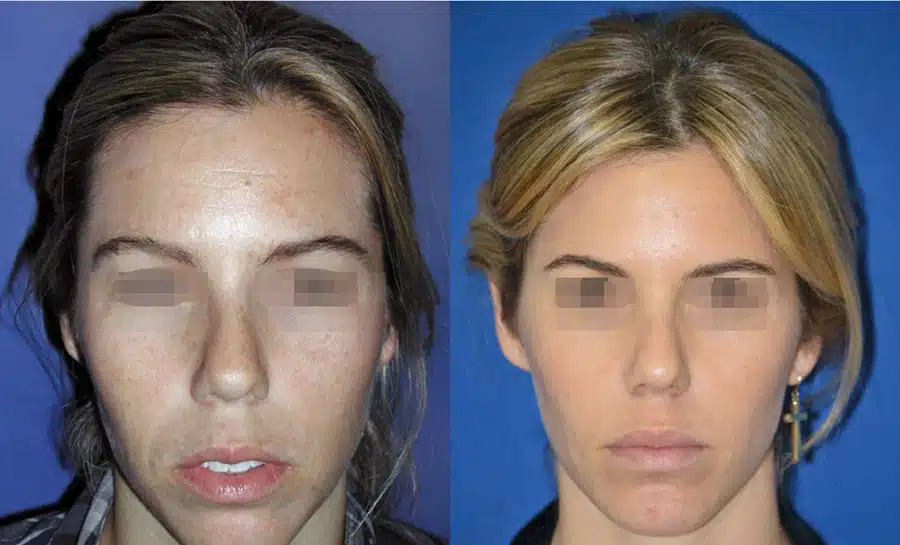
Cheek filler results are assessed over time, not immediately after treatment. Early swelling can make contours appear uneven or fuller than intended. Final evaluation typically occurs once swelling subsides and the filler integrates with the surrounding tissue.
Over time, fillers are absorbed by the body. Maintenance treatments may be needed to preserve balance. While many patients ask about long-lasting results, the duration varies depending on the type of filler used and individual metabolism.
Cheek Fillers for Long Face Cost
The cost of cheek fillers for a long face typically ranges from $900 to $1,400 per syringe. Pricing depends on the type of filler used, the amount required, and the injector’s experience. Geographic location can also influence overall cost.
Most treatments are priced per syringe. A long face may require fewer syringes if the plan focuses on targeted lateral support rather than full cheek volume. Final cost varies based on facial anatomy and treatment goals.
Cost planning often includes more than the initial appointment. Follow-up assessments and future maintenance treatments may affect total expense. Discussing these factors early helps patients plan realistically.
Cheek Fillers Safety and Eligibility
Injector Training and Safety Standards
Cheek filler injections require detailed knowledge of facial anatomy. Blood vessels, nerves, and tissue depth vary across the cheek and midface, including known cheek filler danger zones. Proper training reduces the risk of vascular or structural complications.
Physicians with surgical and anatomical training often emphasize conservative placement. Dr. Joel Kopelman frequently highlights the importance of understanding facial planes when discussing injection safety. This approach prioritizes patient well-being over aggressive correction.
Common side effects of cheek fillers include swelling, bruising, and tenderness. These effects are usually temporary and resolve within days. Serious complications are rare but possible.
Not everyone is a good candidate for fillers in the cheeks for a long face. People with certain medical conditions, unrealistic expectations, or limited cheek structure may not benefit. A medical evaluation helps identify these cases.
If you are considering cheek fillers for a long face, scheduling a consultation can help determine whether this approach is a good fit for your facial structure and goals.