

Most mild discomfort improves as swelling decreases, but severe pain, worsening pressure, fever, drainage, or vision changes should prompt a review by a surgeon. Dr. Joel Kopelman evaluates these symptoms based on each patient’s procedure, anatomy, medical history, and recovery pattern.
Key Takeaways
- Head pressure or mild aching can be normal during early recovery from eyelid surgery, especially in the first few days as swelling, tension, and eye strain develop.
- Common causes include swelling around the eyes, dry eyes, changes in sleep, dehydration, changes in medication, and postoperative muscle tension.
- Migraine symptoms may occur in patients with a migraine history, but new vision changes or severe migraine-like symptoms need medical review.
- Mild discomfort should improve as swelling decreases, but worsening pain, fever, drainage, intense pressure, or vision changes are warning signs.
- Safe relief usually includes rest, hydration, elevating the head, cold compresses, eye rest, and using only pain medication approved by the surgical team.
Is It Normal to Have Headaches After Blepharoplasty?
Yes, mild head pain can be normal during the first few days after the surgery. Blepharoplasty is a surgical procedure that may involve the upper eyelids, lower eyelids, or both. Symptoms may come from swelling, tension, disrupted sleep, or temporary eye irritation during healing.
Why Headaches Happen After Eyelid Surgery?
Several factors can contribute to head pressure after an eyelid procedure. These causes are usually part of normal recovery, but symptoms should still be monitored. A board-certified plastic surgeon can help patients understand which symptoms are consistent with expected healing and which require closer review.
Swelling, Pressure, and Healing
Swelling can create pressure around the eyes, forehead, and temples. This may feel like a mild tension-type ache. It often improves as inflammation decreases.
Eye Strain, Dryness, and Tension
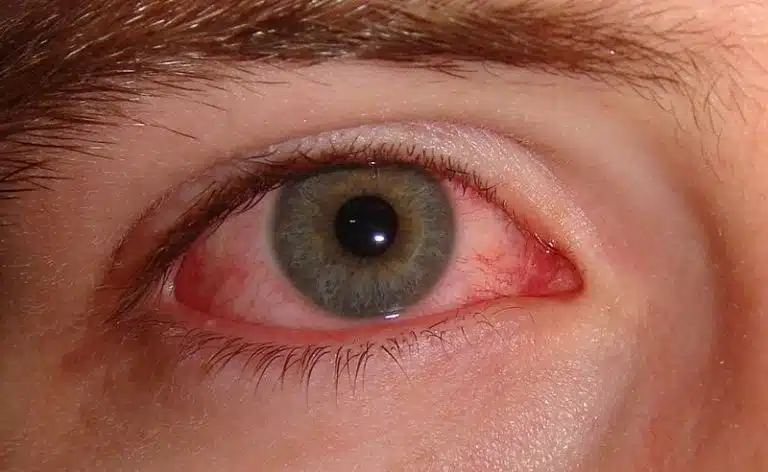
The eyes may feel tired, sensitive, or irritated. Dry eyes after blepharoplasty can increase strain, especially with reading or screen use. Some patients may need eye drops if their surgeon recommends them.
Medication, Sleep, and Dehydration
Changes in sleep position, reduced fluid intake, or pain medication can affect comfort. Sleeping with the head elevated may also create neck tension. Following postoperative instructions can help reduce avoidable triggers.
Migraine After Blepharoplasty
A migraine is different from routine recovery discomfort. Patients with a migraine history may be more sensitive to stress, light, sleep disruption, and dehydration after surgery. New or severe migraine-like symptoms should be discussed with the surgeon or primary physician.
Normal Symptoms vs Warning Signs
Some discomfort is expected after the surgery, especially when excess eyelid skin has been removed or repositioned. Mild tightness, bruising, swelling, and a dull ache can be normal healing. Warning signs are symptoms that are severe, sudden, worsening, or linked to vision changes.
Expected Discomfort
Expected discomfort is usually mild and manageable with approved care instructions. Examples may include dull aching, tightness around the eyelids, slight bruising, mild swelling, temporary dryness of the eyes, or pressure around the forehead and temples.
These symptoms should improve as swelling decreases. Patients should follow their surgeon’s medication guidance rather than self-treating.
Severe Pain or Vision Changes
Severe pain, sudden pressure, worsening blurry vision after surgery, loss of vision, or intense eye pressure are not typical recovery symptoms. These symptoms require prompt medical attention. They should not be monitored at home without guidance.
Fever, Drainage, or Infection
Fever, pus-like drainage, increasing redness, or worsening swelling may suggest infection. These symptoms need medical review. Early communication helps the surgical team decide whether treatment is needed.
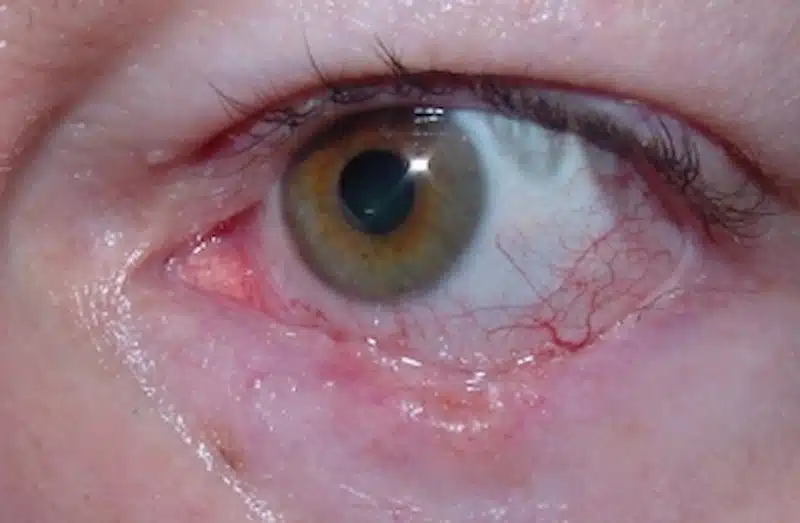
How to Relieve a Blepharoplasty Headache
A blepharoplasty headache should be managed with conservative steps approved by the surgical team. Patients should not take aspirin, ibuprofen, supplements, or migraine medication unless their surgeon says it is appropriate. Safe recovery depends on following the individualized instructions.
- Approved Pain Medication: Use only medication approved by your surgeon. Some medications can increase bleeding risk after surgery. Written postoperative instructions should guide pain control.
- Head Elevation and Cold Compresses: Elevating the head may help reduce swelling and pressure. Cold compresses may also help when used as directed. Compresses should not be applied too firmly to the eyelids.
- Eye Rest and Hydration: Resting the eyes can reduce strain during the early healing phase. Short screen breaks, hydration, and adequate sleep may support comfort. These steps do not replace medical care when symptoms are severe.
When to Contact Your Surgeon
Contact your surgeon if symptoms are severe, worsening, one-sided, associated with vision changes, or accompanied by fever or drainage. Patients should also call if pain does not improve with approved care.
If you are concerned about symptoms after eyelid surgery, you can schedule an evaluation with Dr. Joel Kopelman to review your recovery and determine the safest next step.