

Clonic hemifacial spasm is a condition that causes repeated, involuntary facial movements on one side of the face. This educational guide from Kopelman Aesthetic Surgery explains the symptoms, causes, diagnosis, and treatment options, with clinical context provided by Dr. Kopelman.
Key Takeaways
- Clonic hemifacial spasm causes repeated, involuntary facial movements, usually on one side of the face.
- Symptoms often start as eye twitching and may spread toward the cheek, mouth, or lower face.
- A common cause is pressure on the facial nerve from a nearby blood vessel.
- Diagnosis may include a symptom review, physical exam, and magnetic resonance imaging MRI when needed.
- Treatment options may include Botox injections, oral medication, or microvascular decompression surgery.
What Is Clonic Hemifacial Spasm?
Clonic hemifacial spasm causes repeated muscle spasms that usually affect muscles on one side of the face. The movements often begin near the eye and may spread toward the cheek or mouth. These facial spasms are usually linked to irritation of the facial nerve.
Hemifacial Spasm Symptoms
Hemifacial spasm symptoms often start as mild face twitching near one eye. Over time, the twitching of muscles in face areas may become more frequent or noticeable. Some patients feel embarrassed or distracted when symptoms affect daily comfort and quality of life.
Face Twitching Around the Eye
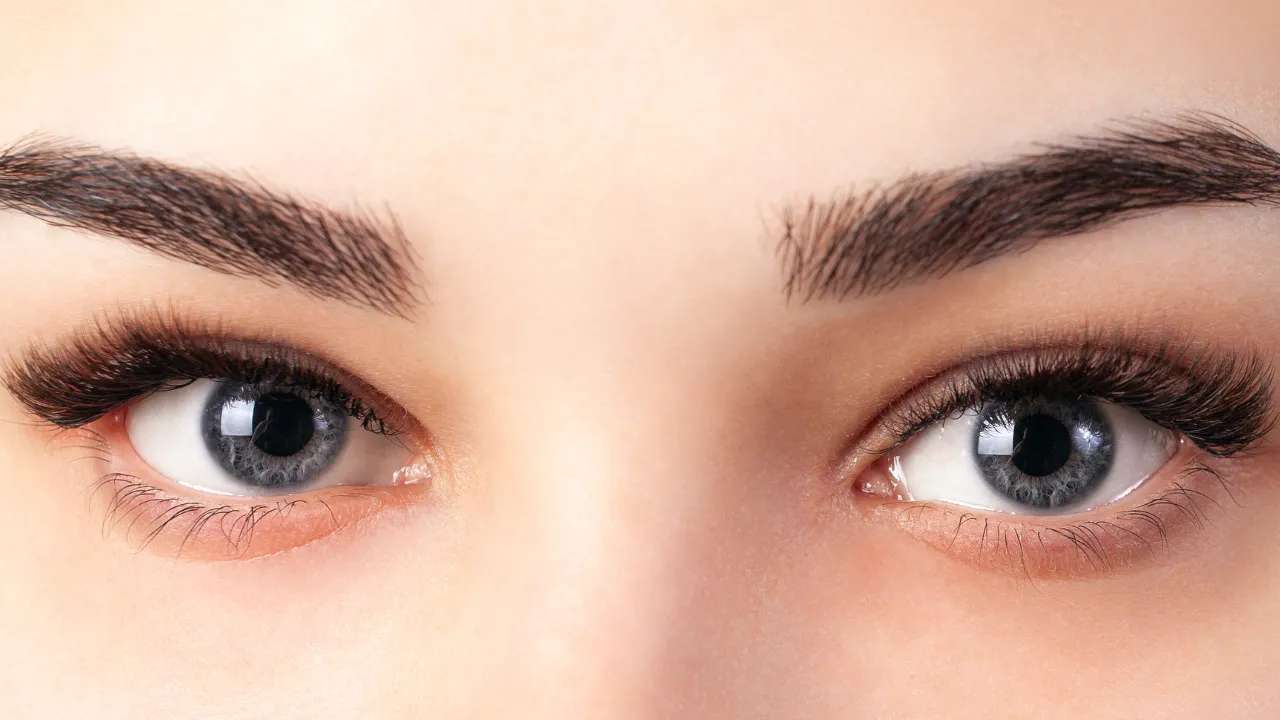
The first sign is often twitching around the eyelid, and some patients may notice one eye closing involuntarily during stronger spasms. The movement may come and go at first. It can later involve stronger contractions.
Face Twitching Near the Mouth
Face twitching near the mouth may happen when spasms spread downward. This can affect smiling, speaking, or relaxed facial posture. These changes may feel more noticeable during stress or fatigue.

Hemifacial Spasm Causes
A common cause of hemifacial spasms is a blood vessel pressing near the facial nerve. In many cases, an artery compressing the facial nerve creates repeated nerve signals. This pressure on the facial nerve can trigger involuntary contractions.
Other Possible Causes
Other causes may include tumors, prior injury, or neurological conditions. Multiple sclerosis can also cause facial nerve symptoms in some patients. A specialist evaluation helps separate hemifacial spasm from other causes of facial twitching.
Left, Right, and Bilateral Spasms
Clonic hemifacial spasm can occur on the left or right side. It usually affects one side of your face rather than both. Bilateral symptoms are less common and may need a broader neurologic review.
Main Questions About Hemifacial Spasm
- Is hemifacial spasm dangerous? Hemifacial spasm is usually not dangerous on its own, but it can affect comfort, vision, social confidence, and daily function. The condition is most often related to nerve irritation, not blocked blood flow in the brain. It is more common in middle-aged adults.
- Can hemifacial spasm lead to stroke? Hemifacial spasm does not usually lead to stroke. Sudden weakness, severe headache, speech trouble, confusion, or new neurologic symptoms need urgent medical attention.
- Does hemifacial spasm go away? Some mild symptoms may fluctuate, but persistent hemifacial spasm often needs medical management. Treatment focuses on reducing spasms and improving daily function.
How Doctors Diagnose Hemifacial Spasm
Diagnosis starts with a symptom review and physical exam. A doctor looks at the pattern, timing, and location of facial movements. Magnetic resonance imaging MRI may help identify nerve compression or rule out other causes.

Hemifacial Spasm Treatment Options
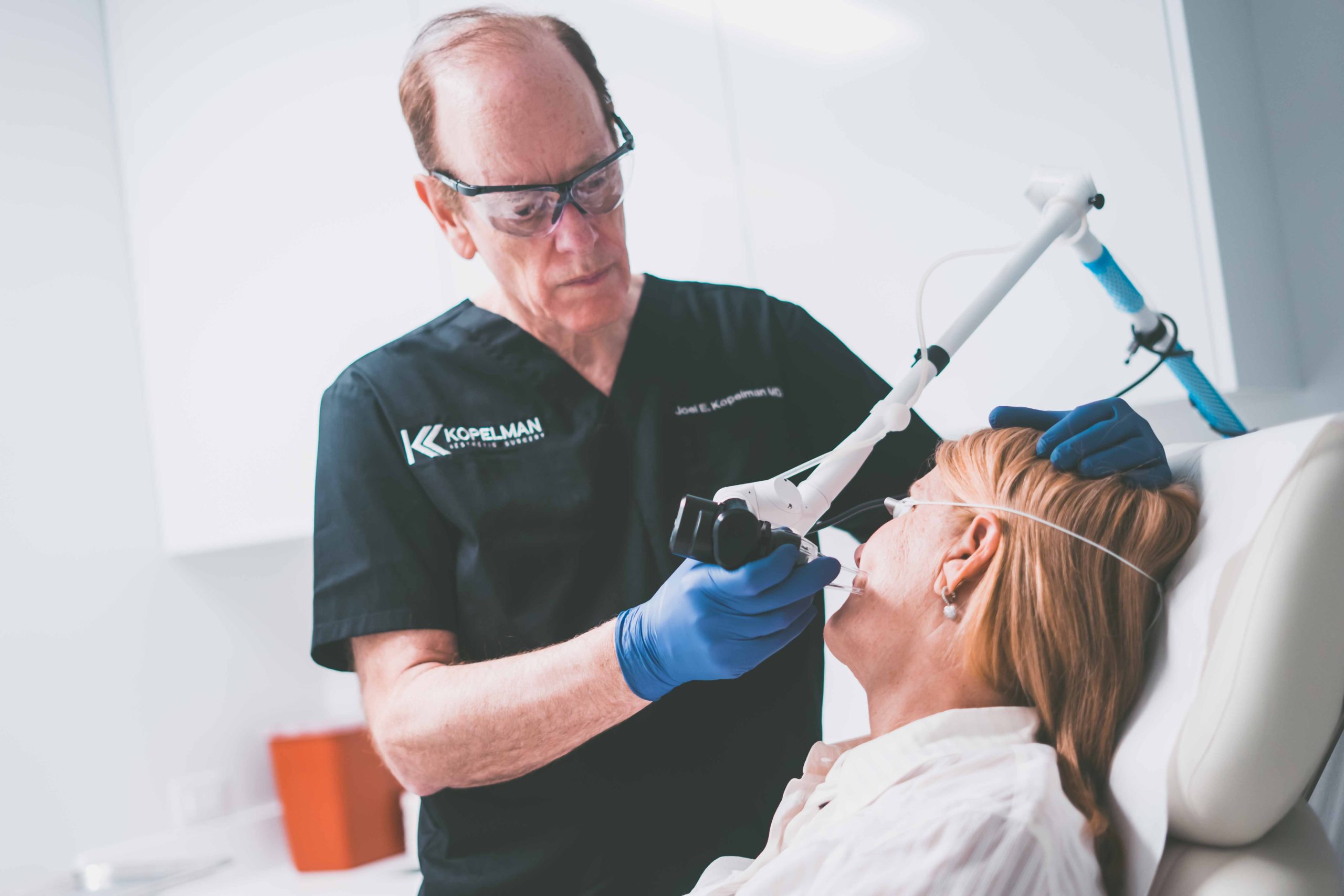
Doctors may treat hemifacial spasms with nonsurgical or surgical methods. The right plan depends on symptom severity, cause, health history, imaging results, and patient goals. Dr. Joel Kopelman may evaluate facial anatomy and eyelid function when symptoms affect the periocular area.
Botox injections may reduce unwanted contractions by relaxing targeted muscles, though treatment planning differs from cosmetic uses such as Botox for uneven eyes.
Botulinum toxins are often used to control symptoms, and a clinician may choose a specific botulinum toxin type based on the treatment plan. The effect is temporary, so repeat treatment may be needed.
Oral medications may help some patients reduce nerve signaling or muscle overactivity, but results can vary. Microvascular decompression surgery may be considered when a blood vessel compresses the facial nerve and symptoms are severe, persistent, or poorly controlled with nonsurgical care.
Possible risks include eyelid drooping, dry eye, watery eyes, facial weakness, hearing changes, infection, bleeding, or recurrence. Patients can learn more about watery eyes after Botox when reviewing injection-related side effects.
When Face Twitching Needs Care
Medical evaluation is appropriate when twitching persists, spreads, affects vision, or changes facial control. Patients should also seek care when symptoms appear with weakness, numbness, pain, or other neurologic changes. Early evaluation helps identify the cause and guide safe care.
Why Choose Dr. Joel Kopelman
Dr. Kopelman is a facial plastic and oculoplastic surgeon in New York City with experience evaluating eyelid and facial movement concerns.
His clinical background can help patients understand how facial nerve symptoms may affect the eyes and surrounding structures. Treatment decisions should be based on diagnosis, risk, expected limits, and the patient’s overall health.