

Key Takeaways
- Transconjunctival blepharoplasty is a lower eyelid surgery that removes or repositions fat through an internal incision.
- It’s ideal for individuals with eye bags and firm skin who don’t require skin removal.
- This method may include fat repositioning, laser tools, or additional facial procedures.
- Most patients recover within 7–10 days with little discomfort.
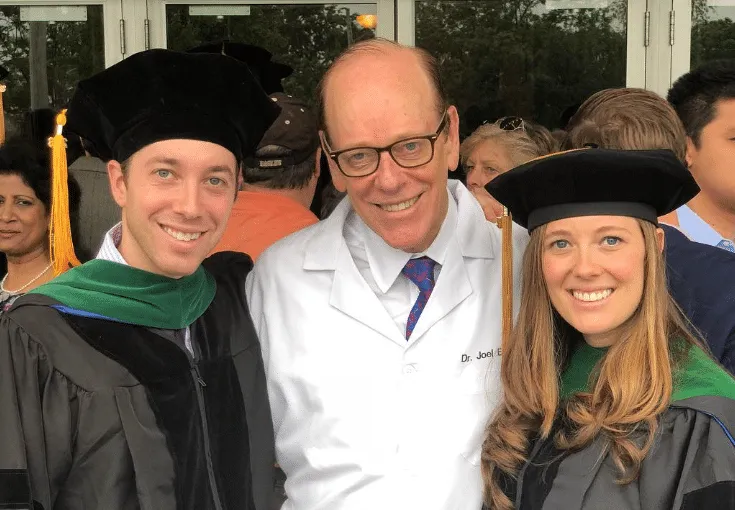
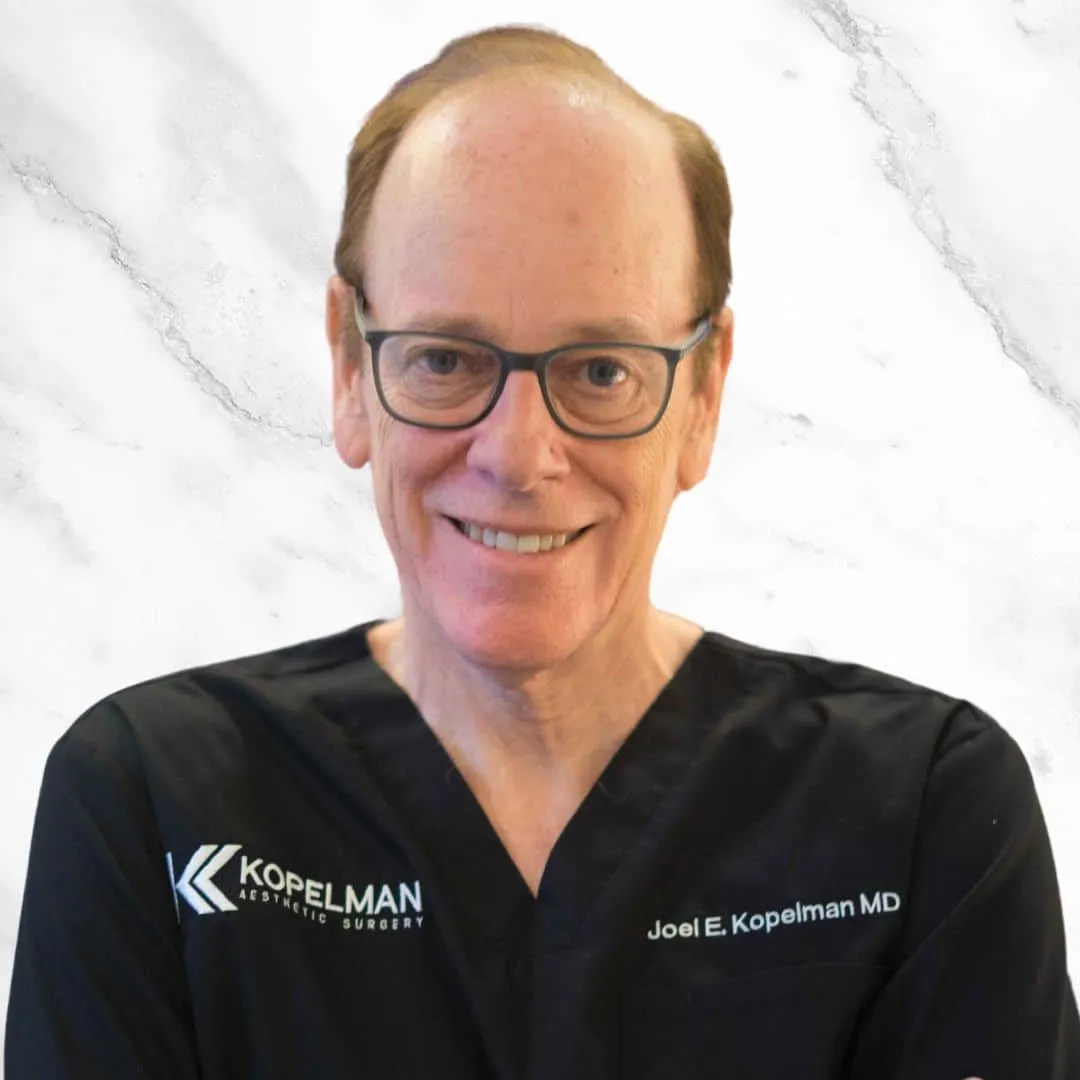
- Dr. Joel Kopelman brings over 35 years of experience to each treatment.
What Is Transconjunctival Blepharoplasty?
This technique removes or repositions fat through an incision inside the lower eyelid. The eyelid skin is not touched, which helps avoid external scarring. It’s often used to treat eye bags caused by excess fat. Patients with smooth skin and no sagging usually benefit most. Dr. Kopelman performs transconjunctival lower blepharoplasty using this gentle and effective method.
Transconjunctival eyelid surgery offers a way to restore a youthful look without leaving visible scars.
Transconjunctival vs Transcutaneous Blepharoplasty
The key difference is where the cut is made. In the transconjunctival approach, the incision is hidden inside the eyelid. In transcutaneous surgery, the cut is on the outside.
Only the transcutaneous technique allows for skin removal. It’s better for patients with loose or excess skin that needs tightening.
Transconjunctival Fat Repositioning and Laser Options
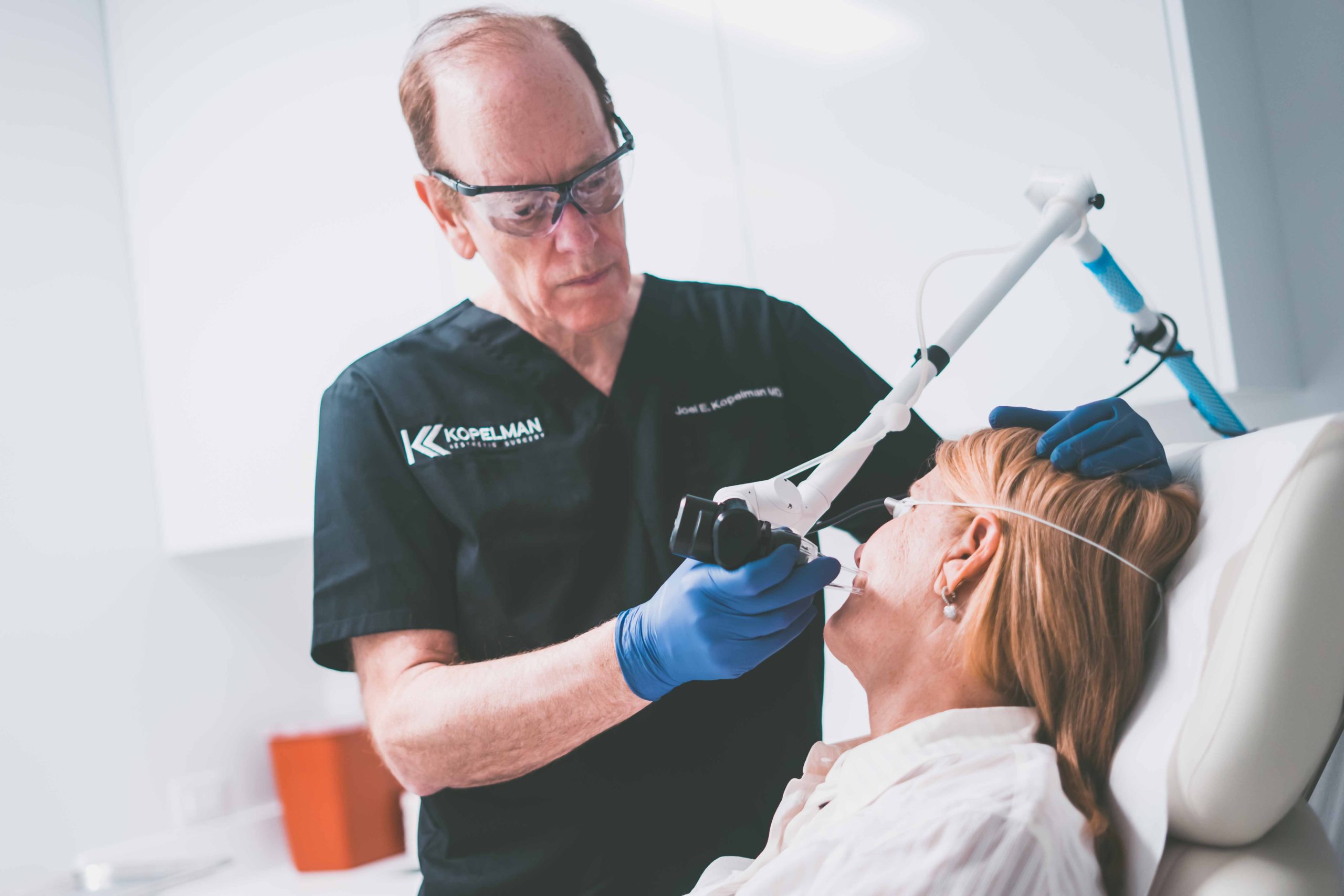
Dr. Kopelman may use lasers to reduce bleeding and help with healing. Laser skin resurfacing can also help treat fine lines that appear after surgery.
Instead of removing all fat, the surgeon often repositions fat to fill hollow areas. This step involves opening the orbital septum and moving the tissue under the skin.
Procedure Overview
The procedure uses local anesthesia. In cases that call for transconjunctival blepharoplasty with fat repositioning, the surgeon adjusts under-eye fat to improve contour and reduce hollowing.
Expected Results and Longevity
Patients see smoother contours and less puffiness. Results typically last 8 to 10 years.
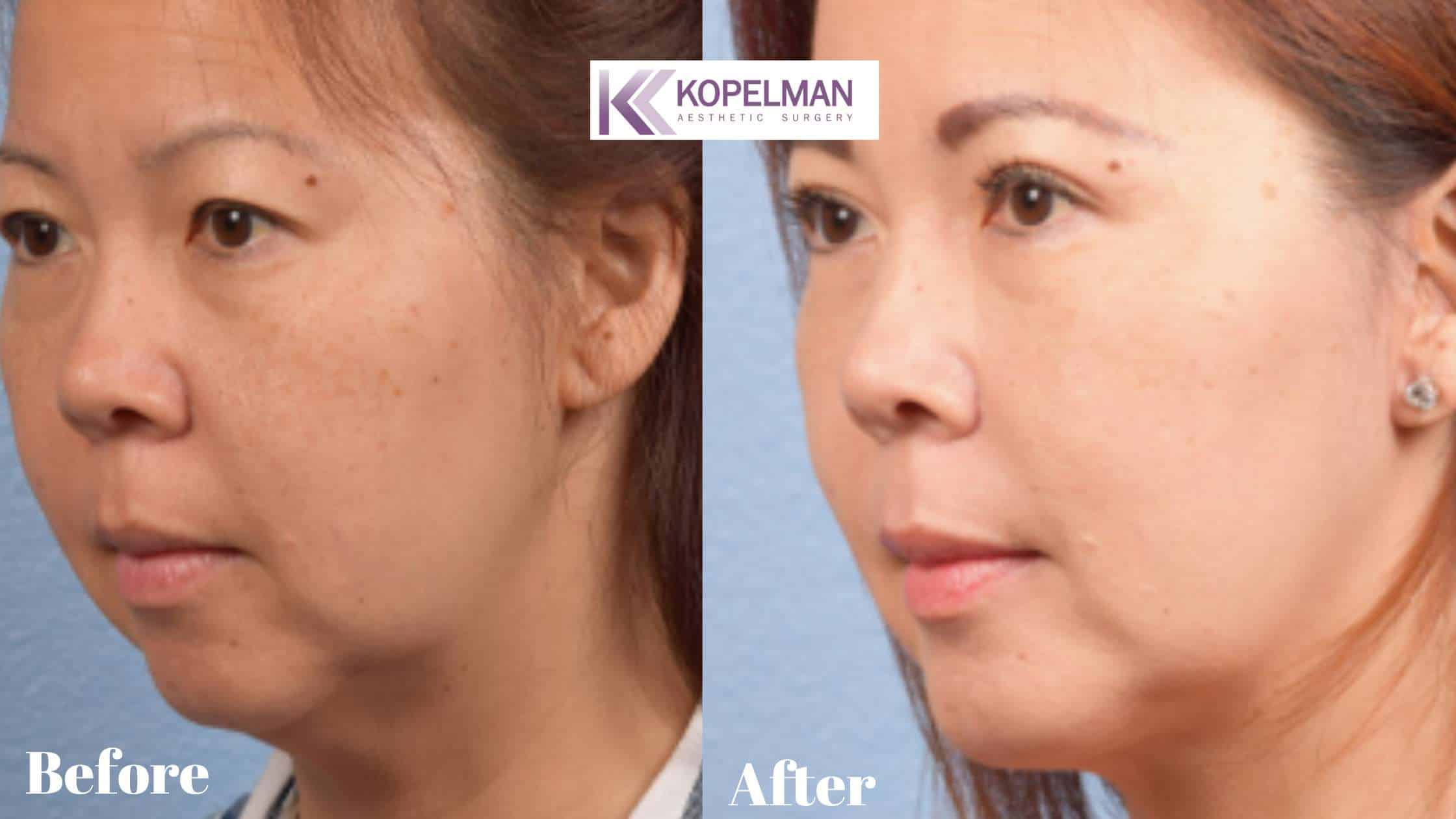
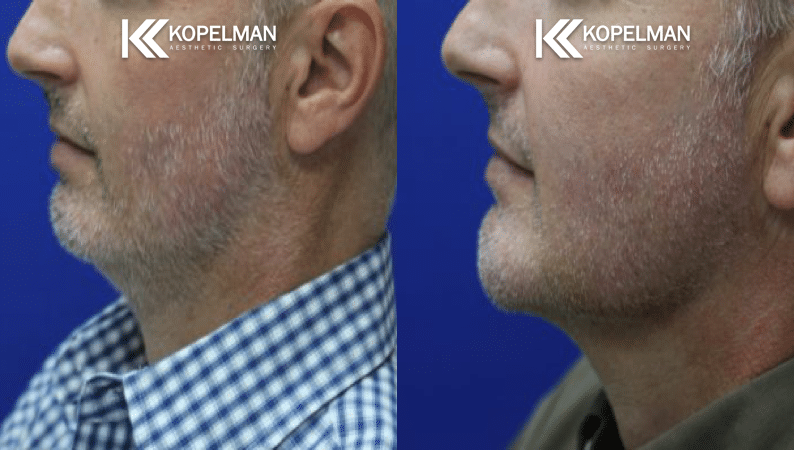
Before-and-after photos at Kopelman Aesthetic Surgery reveal subtle yet significant improvements. Good skincare helps maintain them.
Combination with Other Procedures
This plastic surgery is often performed in conjunction with other procedures, such as upper eyelid lifts or brow lifts. Laser skin treatments may also be included.
This cosmetic surgery improves balance when paired with other facial procedures. Dr. Kopelman plans each step to match your features.
Risks, Recovery, and Aftercare
Risks are low but may include swelling, bruising, or dry eyes. Most signs fade in a few days.
Recovery is typically fast—most individuals return to normal within a week. Choosing a board-certified plastic surgeon helps avoid problems.
Aftercare includes rest, eye drops, and the use of cold compresses. Dr. Kopelman gives detailed instructions.
Transconjunctival Blepharoplasty Cost and Surgeon Selection
The price for transconjunctival eyelid surgery is usually between $8,000 and $8,500. Costs vary depending on the surgeon, location, and additional services.
Dr. Kopelman is known for his long experience and personalized care. He walks you through every step using images and clear explanations.
Pre-Surgery Preparation and Questions to Ask
Before surgery, discontinue blood thinners, refrain from smoking, and arrange for transportation. Dr. Kopelman provides a full checklist.
Ask these during your visit:
- Is this the right surgery for me?
- Will you do fat removal or repositioning?
- What is the recovery time?
- What kind of anesthesia do you use?
Schedule a consultation with Dr. Joel Kopelman to explore your options for transconjunctival blepharoplasty. Get personalized care and natural-looking results from a trusted expert in eyelid surgery.