
Upper blepharoplasty recovery varies by patient, but healing typically follows a predictable pattern. This educational guide explains what to expect during upper blepharoplasty recovery, day by day, using a clear timeline to show how swelling, bruising, and incisional healing typically progress.
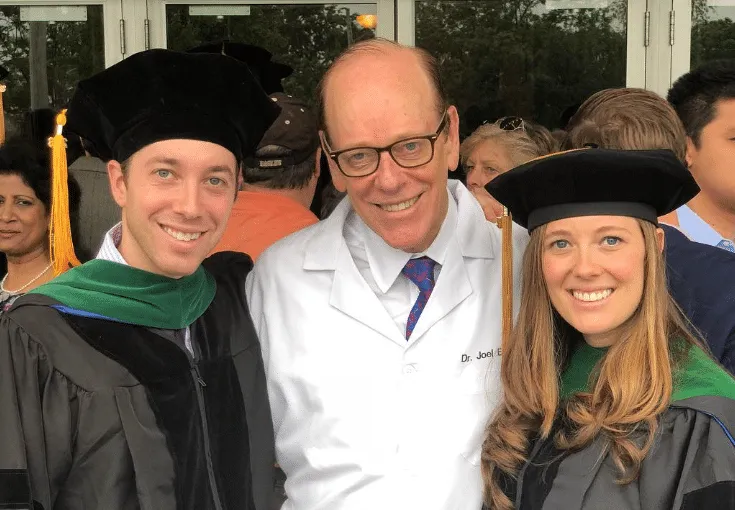
The information reflects standard postoperative care principles discussed by board-certified surgeons, including Dr. Joel Kopelman, who performs blepharoplasty in New York City, and focuses on patient education rather than outcomes.
Key Takeaways
- Upper blepharoplasty recovery follows a day-by-day pattern, with swelling and bruising peaking early and improving steadily over several weeks.
- Most patients feel comfortable returning to non-physical work and daily activities within 7 to 14 days, although subtle swelling may persist.
- Recovery photos help clarify what is normal at each stage, including changes in incision lines and eyelid contour over time.
- Upper and lower eyelid procedures performed together often result in more visible early swelling and a longer recovery time.
- Recognizing normal signs of healing and when to consult a surgeon supports safe recovery and informed decision-making.
Blepharoplasty Recovery Timeline
Recovery from eyelid surgery begins immediately after the procedure and continues over several weeks, as outlined in this guide to recovery from eyelid surgery.
Most patients experience swelling, bruising, and tightness as the body begins the healing process. These effects are expected and gradually improve with proper care.
While improvement often starts within the first week, eyelids continue to change as swelling resolves and incision lines soften. Photographs taken at different stages help patients understand the gradual nature of recovery rather than expecting immediate results.
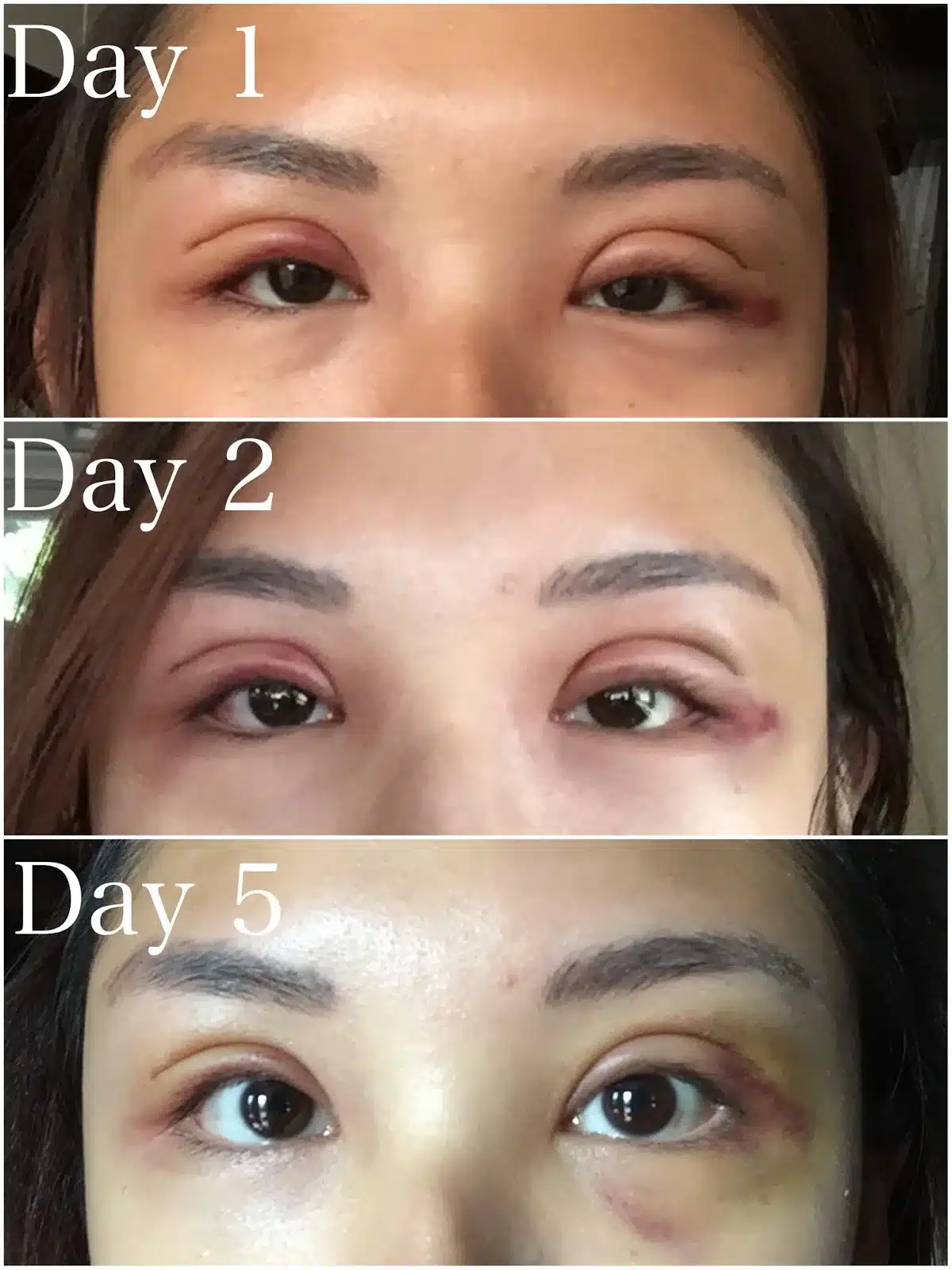
Upper Bleph Day by Day Eyelid Surgery Recovery Time Photos
A structured recovery timeline helps patients understand what symptoms are typical at each stage. The descriptions below reflect common patterns observed during recovery from upper eyelid surgery, day by day, although healing rates vary.
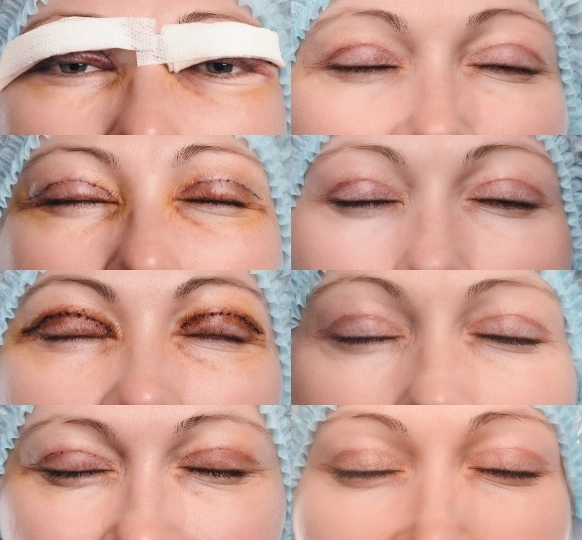
Days 1 to 3: Swelling and Bruising
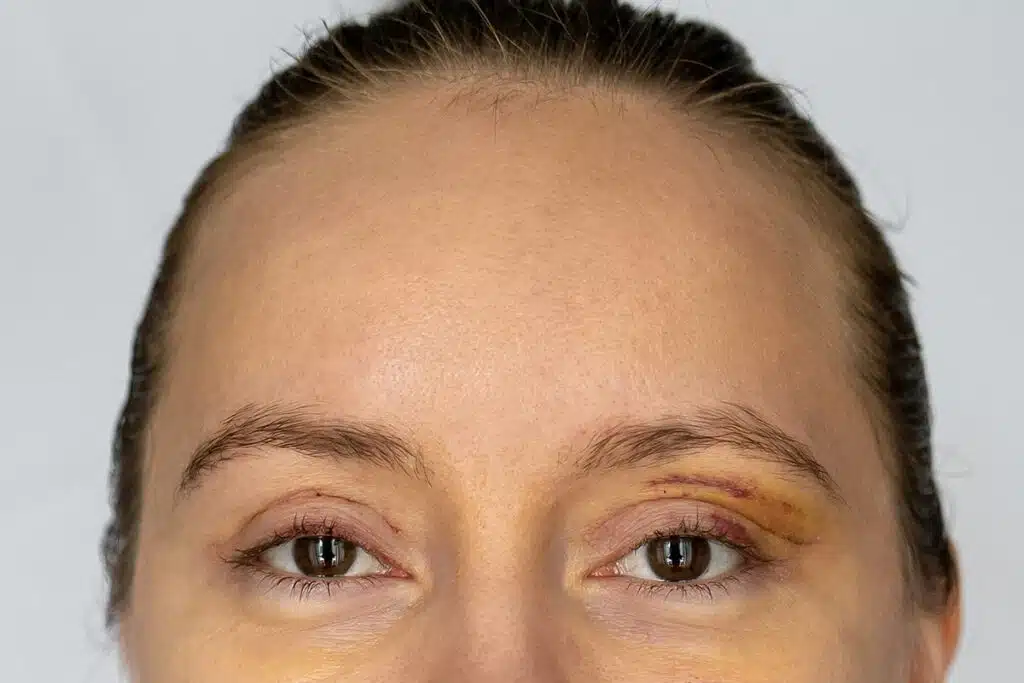
During the first few days, swelling and bruising are most noticeable. Patients may experience puffiness, tightness, or blurred vision due to the ointment or swelling. Keeping the head elevated and using cold compresses can help reduce swelling.
Light movement is encouraged, but rest remains important. Surgeons often advise avoiding heavy lifting or bending because these actions can increase blood flow to the face. Following the surgeon’s instructions supports early healing.
Daily care focuses on protecting the eyelids and limiting strain. Light walking is usually acceptable, while activities that increase intracranial pressure should be avoided.
Post-Blepharoplasty Care:
- Sleep with the head elevated
- Apply cold compresses as directed
- Avoid heavy lifting and bending
Most patients can eat normally and perform basic self-care. Screen use may cause eye fatigue, so breaks are helpful.
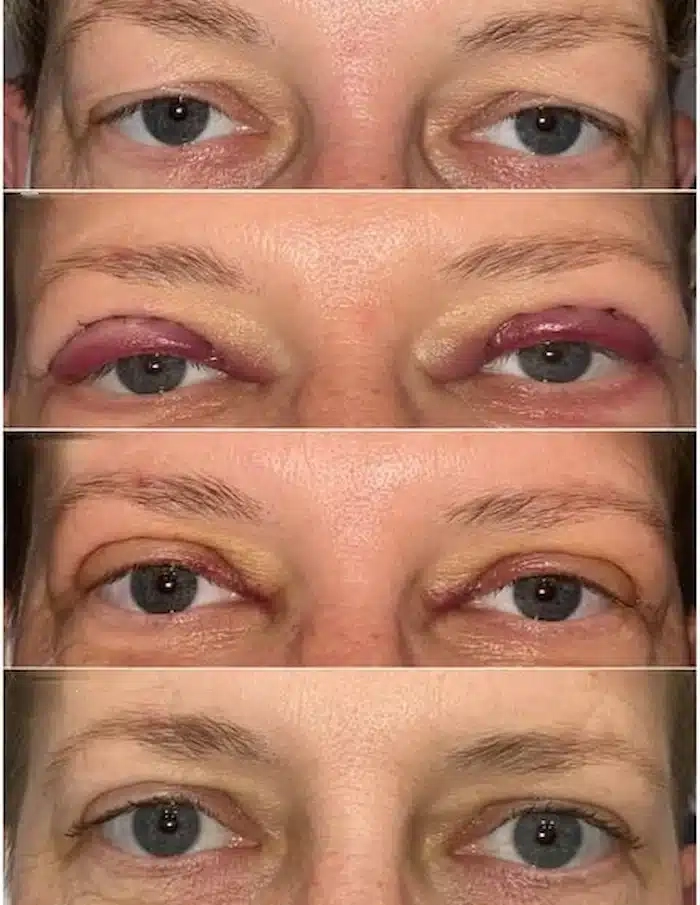
Days 4 to 7: One Week Recovery
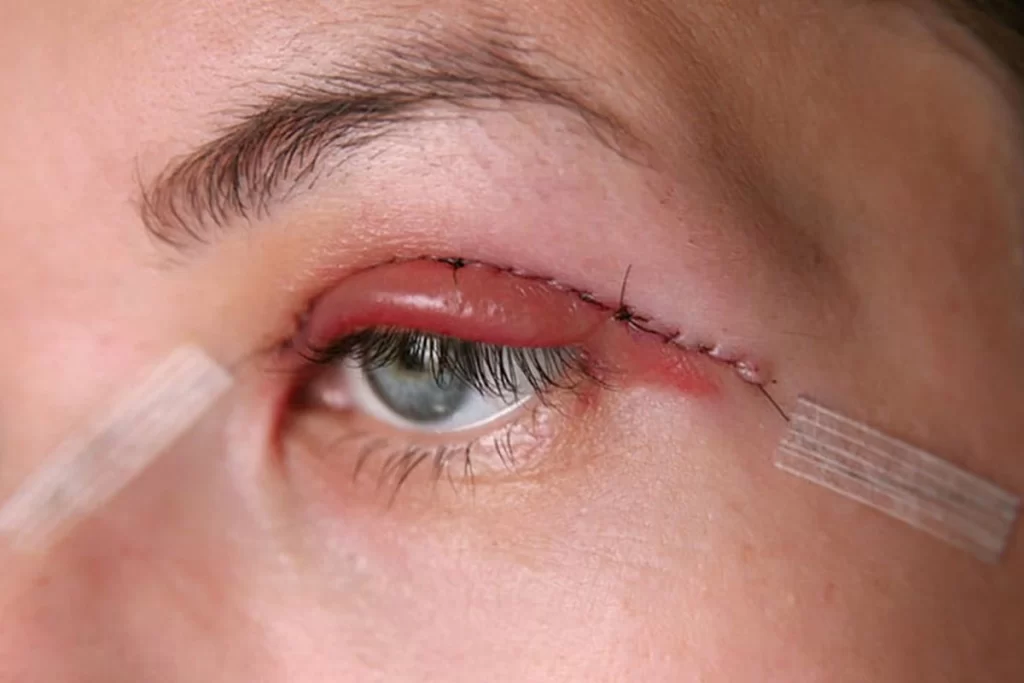
By the end of the first week, bruising often fades and swelling decreases. Eyelid movement improves, and discomfort continues to lessen. Stitches may be removed during this phase.
Many patients can return to work if their jobs are not physically demanding. Mild puffiness may still be present, but is usually easier to conceal.
Daily care shifts toward comfort and a gentle routine. Eyelids may feel tight or itchy as incision lines heal.
Daily care snapshot:
- Continue head elevation when resting
- Clean incision areas as instructed
- Resume light daily activities
Light errands are often manageable, but heavy lifting should still be avoided. Photos one week after eyelid surgery usually show less bruising, reduced swelling, and early incision healing.
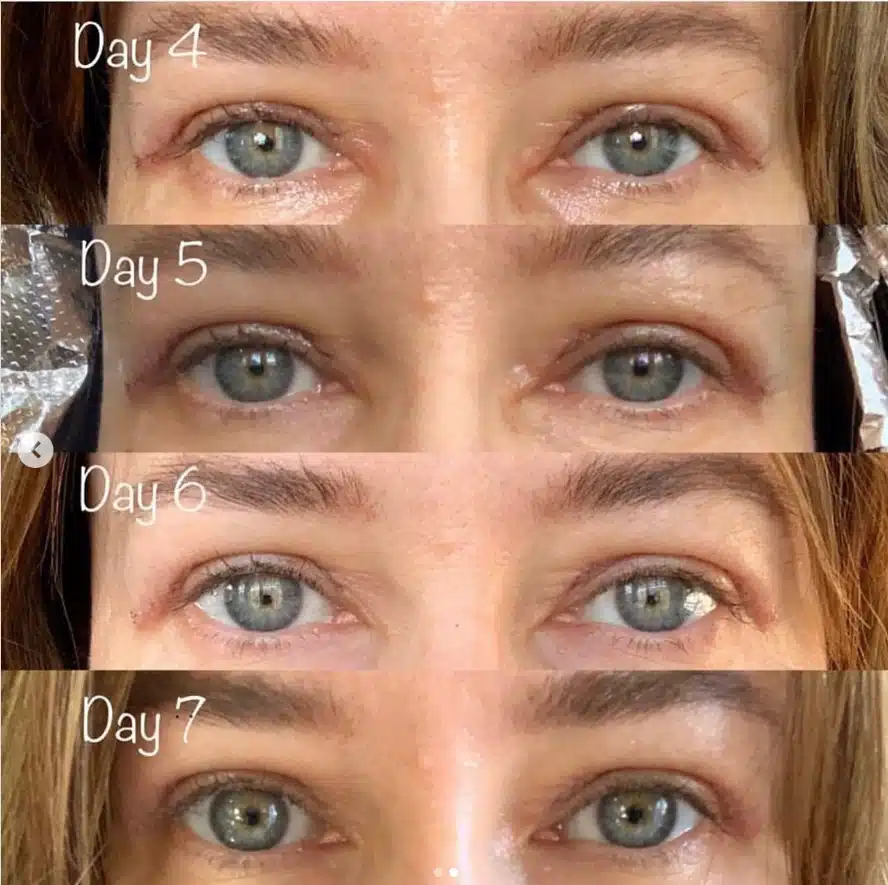
Week 2: Healing and Appearance
By around day 14, most visible bruising has resolved. Swelling continues to improve, though mild fullness may persist, especially in the morning. Eyelids appear more natural, though firmness along incision lines may persist.
Photos at this stage show improvement, but not final results. Most daily activities resume, while strenuous exercise may still be limited.
Many patients feel more comfortable socially at this point. Residual swelling remains part of the normal recovery process.
Daily care snapshot:
- Resume most normal activities
- Avoid heavy lifting if advised
- Protect eyelids from sun exposure
Most patients return to work comfortably during this phase.
Weeks 3 to 4: Near-Normal Results
Between weeks 3 and 4, the eyelids appear closer to their long-term appearance, as discussed in the upper blepharoplasty recovery section in week 3. Residual swelling continues to fade, and incision lines flatten.
Although the eyes look settled, internal healing continues. Follow-up visits help monitor progress.
Later recovery focuses on refinement rather than active healing. Improvement is noticeable, even though healing continues beneath the skin.
Daily care snapshot:
- Return to exercise if cleared
- Maintain gentle skin care
- Monitor for residual swelling
Upper Blepharoplasty Day-by-Day Eyelid Surgery Recovery Time Photos
Viewing blepharoplasty before and after photos helps patients understand how healing changes over time. Photos clarify the typical changes at each stage and help set realistic expectations.
Suggested photo captions include:
- Day 3: Swelling is most noticeable
- Day 7: Incision lines healing
- Week 2: Improved contour
Photos reflect common healing patterns rather than guarantees.
Upper Bleph Recovery Photos by Case Type
Recovery varies by anatomy and surgical goals. Reviewing photos by case type provides helpful context.
Hooded Eyes Upper Blepharoplasty Recovery
For patients with excess skin, early photos may show more swelling. As healing progresses, eyelid creases become more defined. Refinement continues as swelling resolves.
Upper Blepharoplasty Recovery for Men
Men often have thicker skin, which can affect patterns of swelling. Early improvement may appear slower, though the overall recovery timeline is similar.
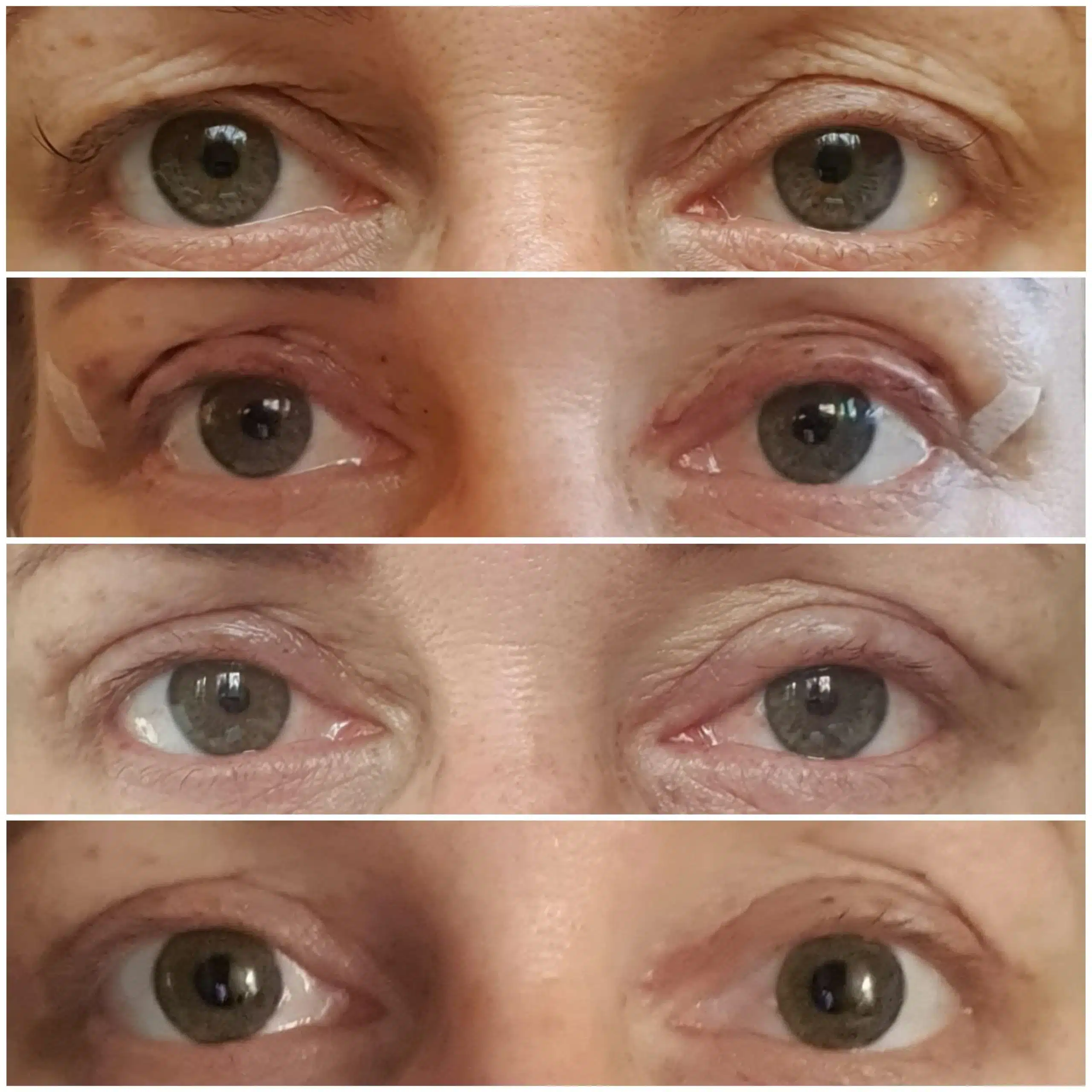
Upper and Lower Blepharoplasty Recovery Photos Day by Day
When procedures are combined, recovery may appear more pronounced early on. Swelling may extend into the cheeks, and bruising may persist. Reviewing photographs of upper and lower blepharoplasty recovery day by day helps explain these differences.
Lower eyelid healing often drives visible recovery. Improvement becomes clearer as swelling decreases.
Lower Blepharoplasty Recovery Day by Day
Lower eyelid surgery has its own healing pattern. Early swelling and bruising are common under the eyes. As healing continues, the lower lid tightens, and discoloration fades.
Avoiding strain during this phase supports a smooth recovery.
What Are the Worst Days After Blepharoplasty?
For most patients, the first three days are the most uncomfortable. Swelling and tightness are most pronounced during this period and may be uneven.
Discomfort usually improves with rest and cold compresses. Knowing this timeframe helps manage expectations.
How Long Does Upper Bleph Take to Look Normal?
Visible improvement occurs within the first two weeks for most patients. Subtle swelling may persist longer but continues to improve.
Photos from follow-ups often show ongoing refinement. The full recovery timeline depends on healing and the extent of the procedure.
What Eyelid Surgery Looks Like After Two Weeks
At two weeks, bruising is minimal, and swelling is reduced. Incision lines are less noticeable, though firmness can remain.
These changes usually improve over the following weeks.
Does Blepharoplasty Remove Hooded Eyes?
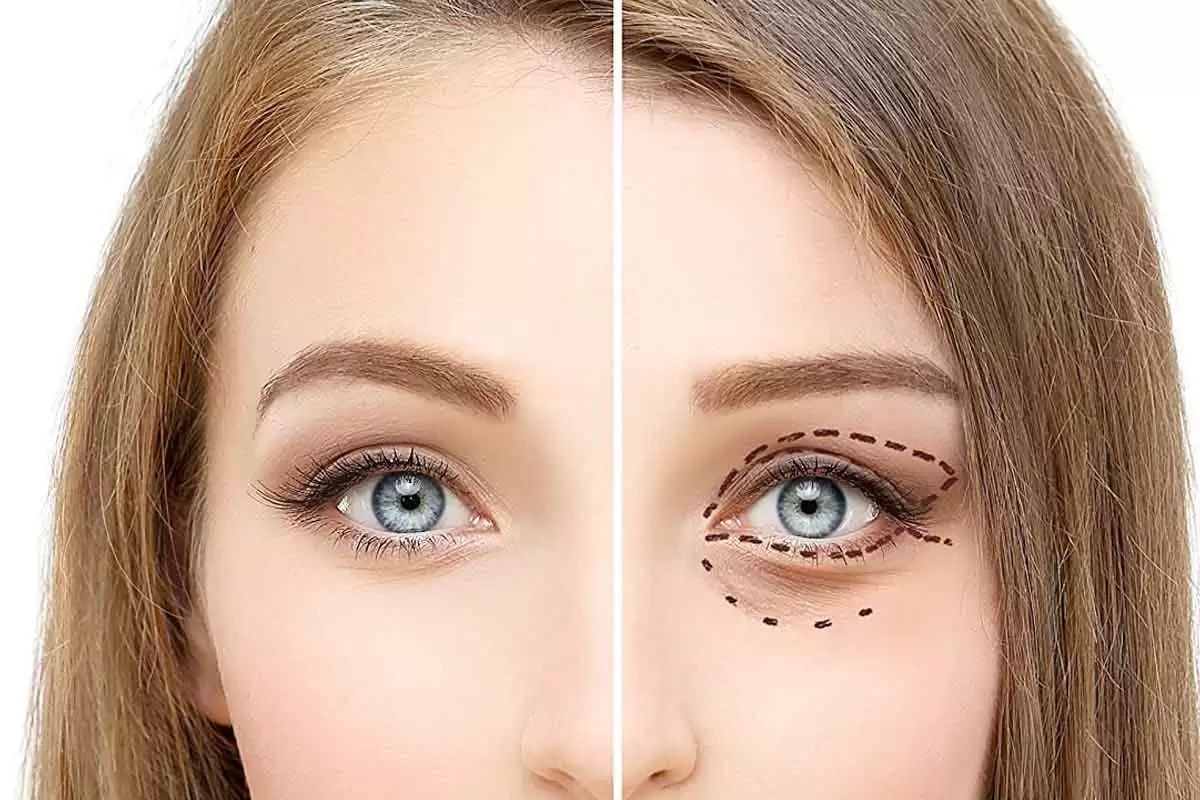
Upper blepharoplasty addresses hooded eyes caused by excess skin. Removing this tissue improves eyelid contour as swelling resolves.
Results depend on anatomy and planning; therefore, reviewing questions to ask before blepharoplasty supports informed decision-making. The goal is functional improvement, not a specific look.
What Is Normal During Eyelid Healing
Normal signs include mild redness, residual swelling, and temporary dryness. These changes occur as tissues heal.
Worsening pain, increasing redness, or changes in vision should be reported.
When to Contact Your Surgeon
Patients should contact their surgeon if symptoms deviate from typical healing patterns, such as increased swelling after improvement, persistent blurred vision, or discharge.
Timely evaluation supports safe recovery and long-term eye health. If concerns arise during the healing process, consider scheduling a consultation to review symptoms and obtain appropriate medical guidance.