
Signs may include puffiness above the lip, fullness past the border, uneven contours, or a “shelf-like” look around the mouth. Treatment depends on severity and may include monitoring, correction, or dissolving hyaluronic acid filler with hyaluronidase. Prevention depends on careful technique, conservative volume, proper product selection, and clear aftercare.
Key Takeaways
- Lip filler migration occurs when filler shifts beyond its intended placement, often due to technique, repeated treatments, or natural lip movement.
- Common signs include fullness past the lip border, uneven contours, or volume above the upper lip, which should not be confused with short-term swelling.
- Not all cases require immediate treatment, but worsening or persistent changes should be evaluated by a qualified provider.
- Treatment options vary and may include dissolving migrated filler or careful correction, while adding more filler is not always the best option.
- Reducing the risk of migration depends on conservative use of fillers, precise placement, appropriate product selection, and adherence to aftercare guidance.
What Is Lip Filler Migration
Refers to filler moving away from its injection site. Instead of remaining within the lip, the filler spreads into the surrounding tissue. This change often occurs gradually and may not be apparent at first.
Lip fillers are a type of injectables fillers used in aesthetic treatments to add volume and shape, as explained in this overview of lip fillers. The lips move often and have soft tissue, which can allow filler to shift. This helps explain why changes can appear months after treatment.
Why Lip Fillers Migrate
One reason is constant lip movement from talking, eating, and facial expressions. Over time, this motion can cause the filler to move beyond its original area.
Another reason is the amount of filler placed during treatment. Too much filler or placement too close to the surface increases pressure on the tissue. These factors may contribute to filler migration, especially after repeated sessions.
Lip Anatomy and Why Migration Happens
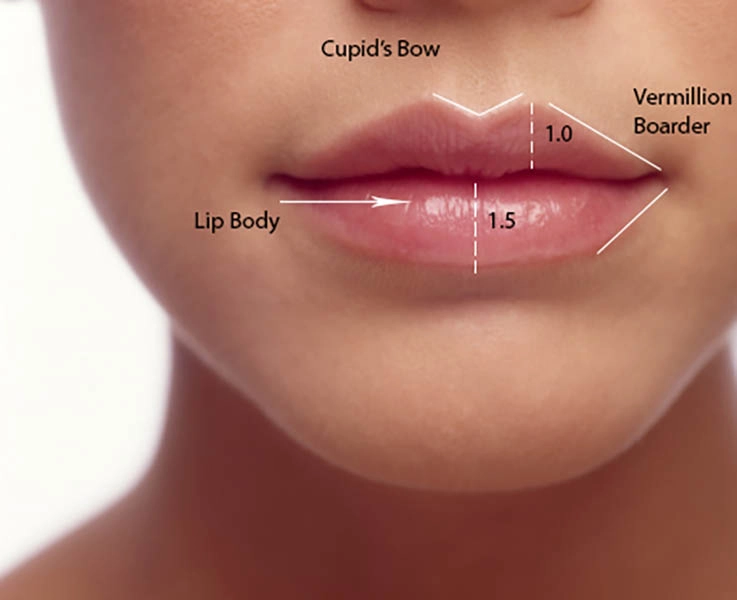
The lips are made of soft tissue, muscle, and skin, with no firm structure to hold filler in place. This makes the area more mobile than other facial regions.
Repeated motion from speaking, eating, and facial expressions constantly puts pressure on the injected filler. Over time, this pressure can push filler beyond the intended area.
The lip border is especially sensitive because it marks a transition between different tissue types. When filler crosses this boundary, it can spread more easily into nearby skin.
Understanding these anatomical limits helps explain why even well-placed filler can shift over time.
Common Situations Where Migration Is Seen
In clinical settings, lip filler migration is often seen in patients who receive multiple filler sessions over time, especially when guidance on how often to get lip fillers is not followed.
Migration may occur months after treatment rather than immediately. This delay can make the cause harder to identify. Another common situation is adding a new filler before the old filler has fully decomposed.
How Common Is Lip Filler Migration
Lip filler migration is fairly common in people who get frequent lip enhancement. The risk increases when filler is added to existing filler. Over time, this buildup can change the lip shape.
Filler type and injection technique also affect risk. Hyaluronic acid-based fillers are widely used because they blend well and can be adjusted if needed. Even so, migration can still occur if placement does not respect lip anatomy.

Long-Term Risks of Repeated Lip Filler Treatments
Repeated lip filler treatments can increase the risk of migration over time. Filler may not fully degrade before a new product is added, leading to accumulation in the tissue. This buildup can blur the lip border and affect natural movement.
Over time, repeated injections may also stretch the tissue and reduce support. These changes can make future treatments less predictable. Understanding long-term risk helps patients make informed choices about treatment frequency.
Signs and Symptoms of Lip Filler Migration
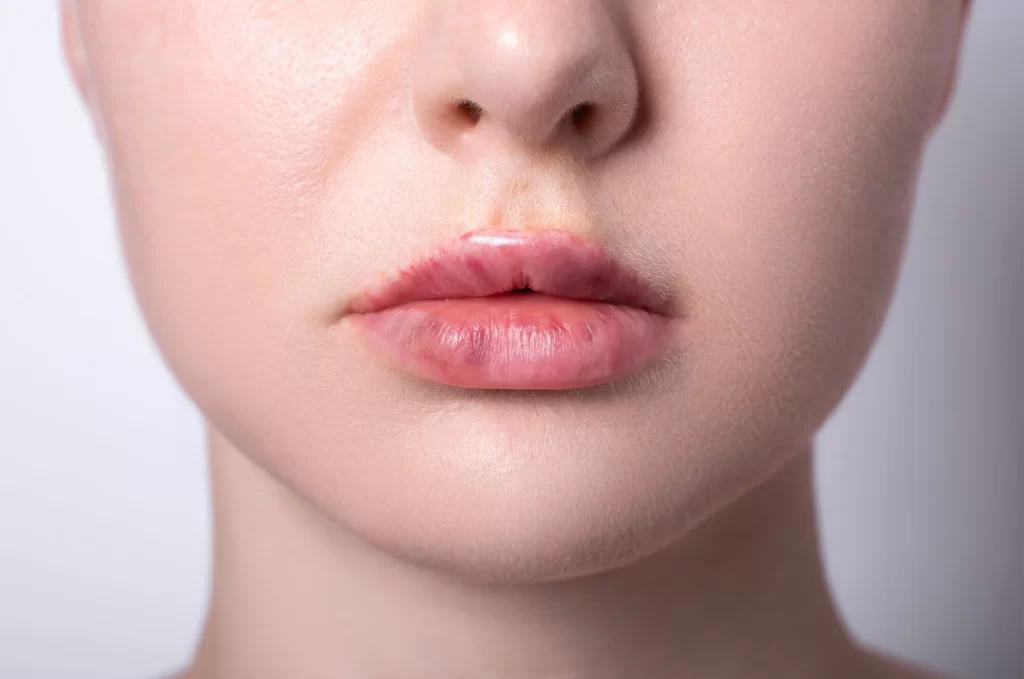
Most symptoms involve visible changes rather than pain. Patients may notice fullness past the lip line or a blurred lip border. Firmness or uneven volume above the lip can also appear.
Lip filler migration above the lip can create a rounded look, often called a duck lip. These changes usually develop slowly and may become more noticeable over time.
Many patients are concerned when these changes occur. This is common, especially when changes happen long after treatment. A clear evaluation can reduce stress and help guide next steps.
Migration vs normal swelling
Normal swelling appears soon after injection and improves within a few days. Migration does not go away on its own. Swelling appears soft and diffuse, whereas the migrated filler appears more defined.
Knowing the difference helps avoid unnecessary treatment. Changes lasting a week are more likely due to migration than to swelling.
When to Seek Evaluation for Possible Migration
Evaluation is recommended when changes last longer than expected or continue to progress. Persistent fullness, uneven shape, or firmness weeks after treatment may suggest migration rather than swelling. Changes that affect lip balance or facial symmetry also warrant assessment.
Early evaluation allows for more conservative options. It can also rule out other causes of swelling or contour change. Seeking guidance early may reduce the need for more involved correction later.
Lip filler migration above the lip
Migration above the lip often affects the area just beyond the lip line. This area does not support filler well. When filler settles there, it can blur the lip shape.
This pattern often causes concern because it changes facial balance. A clinical exam helps decide if correction is needed.
How Long Does Lip Filler Migration Lasts
Lip fillers migrate, and the rate depends on the filler and the body’s breakdown of it. This process is also affected by how long lip fillers take to settle. Some filler fades with time, but migrated filler may last longer.
In some cases, migration does not improve without treatment. Waiting alone may not solve the issue. Evaluation helps determine the right approach.
Lip Filler Migration Treatment Options
Lip filler migration treatment depends on the severity of the migration and its location. Mild cases may only need monitoring. More visible changes often require correction.
One option is to dissolve the filler using an enzyme that targets hyaluronic acid. This allows controlled removal and helps restore the lip line. Each decision depends on anatomy and clinical judgment.
When Monitoring Is Reasonable Versus When Action Is Needed
Not every case requires treatment immediately. Mild changes that stay stable may be watched over time. Treatment is more likely when migration continues or affects symmetry.
This step helps patients understand when action is needed. It also helps avoid unnecessary procedures.
When dissolving is necessary
Dissolution is indicated when the filler alters the lip shape or extends beyond the supportive tissue. It may also help when old filler blocks are safe for correction. The goal is to restore structure rather than add volume.
Dr. Joel Kopelman evaluates these cases based on anatomy and tissue health rather than trends. This approach supports safety and predictability.
How to Fix Lip Filler Migration Without Dissolving
Some patients ask how to fix lip filler migration without dissolving the filler. In limited cases, careful adjustments can improve balance without removing filler. This requires precise placement and restraint.
Adding more filler is not always safe. Extra volume can increase pressure and worsen migration. Careful assessment is essential.
How to Prevent Lip Filler Migration
Reducing the risk starts with good planning, including learning how to prepare for lip fillers. Providers must respect the lip anatomy and avoid overfilling. Attention to the lip border and lip line helps maintain definition.
Aftercare instructions also matter. Applying pressure or massage too soon after treatment can displace the filler. Following guidance supports proper healing.
Injection technique and filler choice
The injection technique plays a key role in the results. Depth, placement, and product choice all matter. Patients should choose an experienced injector who understands facial structure.
Filler choice also matters. Hyaluronic acid-based fillers differ in firmness and spread. Matching the filler to the lip shape supports natural-looking results.
Lip Filler Migration Pictures
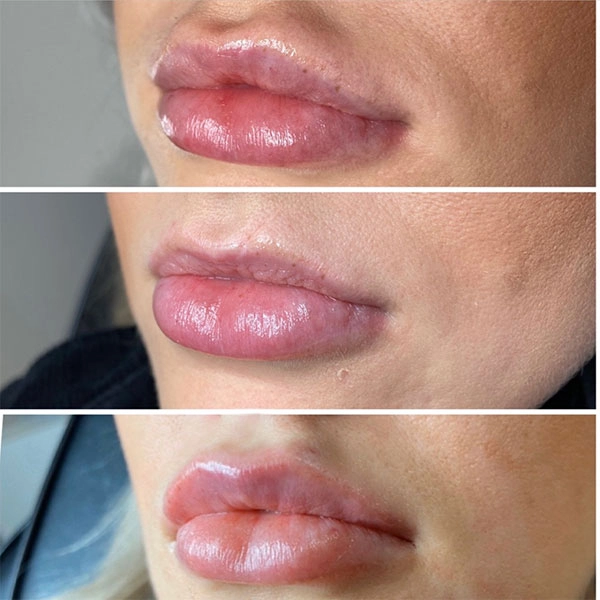
Lip filler migration pictures help illustrate how it appears in real cases. Visual examples facilitate understanding of changes. They also help separate swelling from migration.
Images support better decision-making. They can prompt early evaluation when changes first appear.
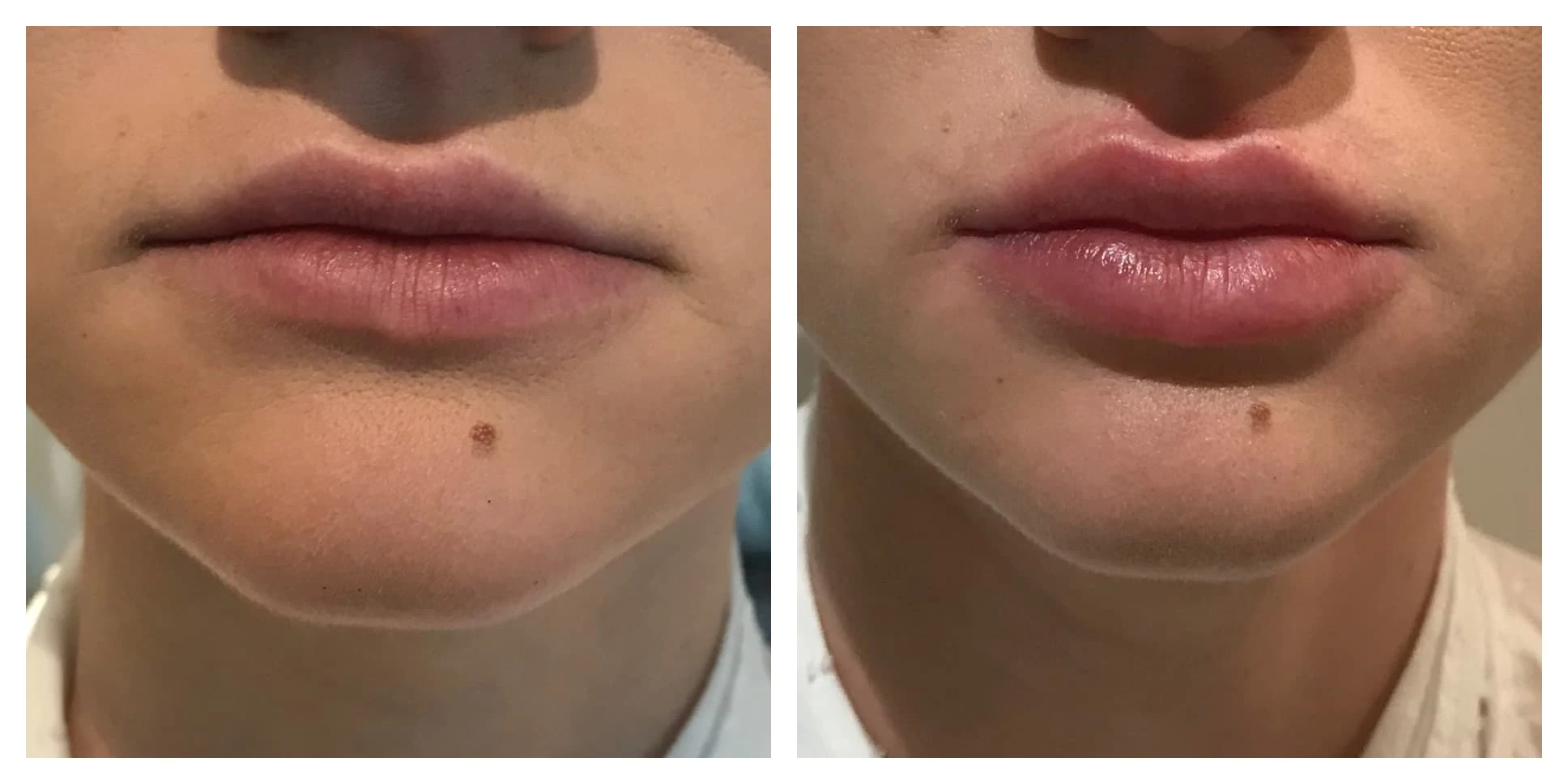
Lip filler migration pictures before and after
Before-and-after images show how correction can restore balance. These examples explain treatment options without promising results. Each outcome depends on anatomy and history.
Images should always be reviewed with professional guidance. They are educational tools, not predictions.
Next Steps for Evaluation
If you are concerned about lip filler migration or notice changes that have not improved over time, a professional evaluation can help clarify the underlying process. Scheduling a consultation with Dr. Kopelman allows for a careful review of your anatomy, prior treatments, and current concerns.