

Blepharitis is a common eye condition that often raises a key concern: is blepharitis contagious? At Kopelman Aesthetic Surgery in New York City, Dr. Joel Kopelman offers expert care for patients dealing with eyelid and facial conditions. His decades of experience help patients understand what causes this issue and how to manage it effectively.
Key Takeaways
- Blepharitis is typically not contagious; however, bacterial types may pose a minor risk of transmission through shared personal items.
- There are several types of blepharitis, including chronic forms, which often require consistent hygiene and long-term care.
- Symptoms include red, itchy eyelids and flaky skin near the lashes, and can be diagnosed through a simple eye exam.
- Dr. Joel Kopelman offers customized treatment plans that combine daily hygiene with medical therapies when needed.
- Proper eyelid care and avoiding common irritants can help manage flare-ups and reduce the chance of recurrence.
Table of Contents
ToggleCan You Catch Blepharitis from Someone Else?
This eyelid condition may appear infectious, but most forms are not. It’s an inflammation at the edge of the eyelid, often caused by blocked oil glands, skin conditions, or bacteria that live on the skin.
In general, it cannot be passed through casual contact. However, in cases of blepharitis involving a known bacterial infection, precautions like avoiding shared towels are advised.
Is Bacterial Blepharitis Contagious?
Is bacterial blepharitis contagious? It can be—particularly when caused by staph bacteria. While rare, direct contact or sharing items like eye drops or face cloths could contribute to its spread.
Contagious vs Non-Contagious Types
There are two main forms: bacterial and non-bacterial. Bacterial types may carry a minor risk of transmission, while seborrheic dermatitis-related forms are not contagious and are often associated with flaking at the lash line.
What Is Blepharitis?
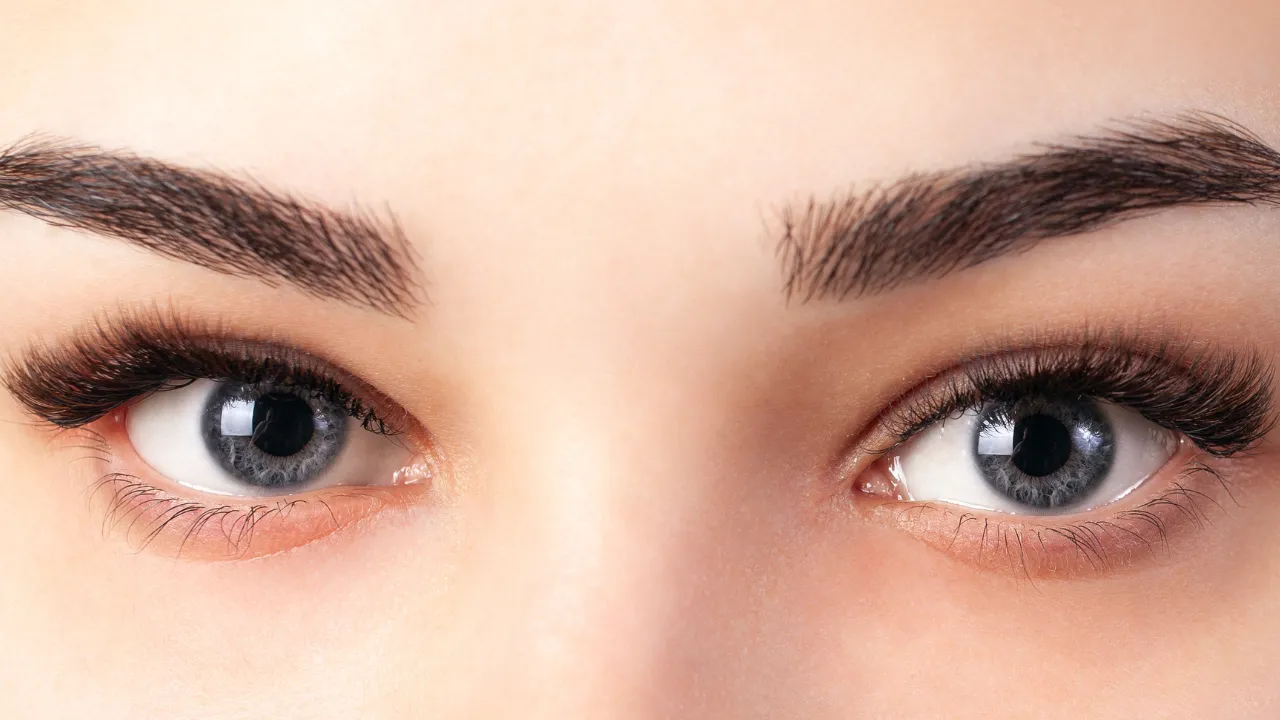
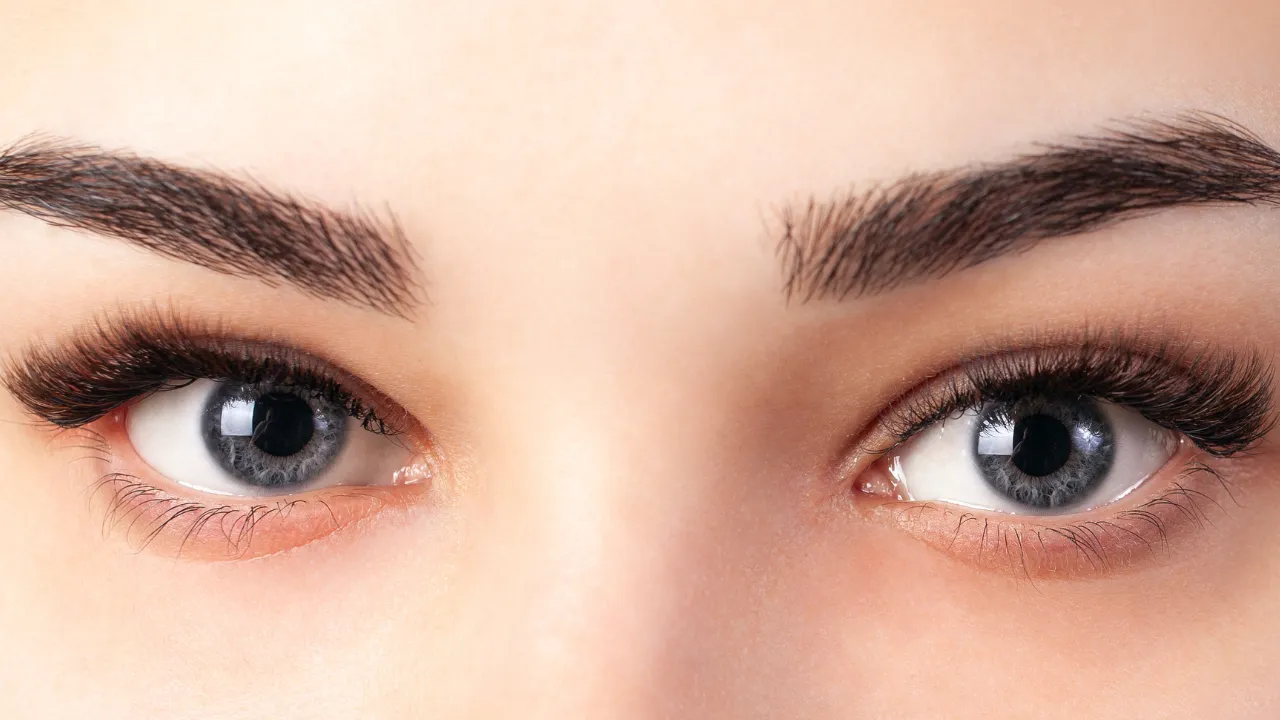
This condition refers to inflammation along the eyelid margin. It affects both upper and lower lids and can be acute or chronic depending on the cause and recurrence pattern.
It usually stems from blocked oil glands, seborrheic dermatitis, or bacterial overgrowth. Understanding its source helps guide the right blepharitis treatment and prevent recurrences.
Blepharitis as an eye disease can lead to discomfort, dry eye, and even vision issues if not addressed properly.
Common Types (Chronic and Acute)
- Anterior blepharitis affects the outside front part of the eyelid near the eyelashes.
- Posterior type involves the meibomian glands inside the lid.
Chronic blepharitis often results in flaky eyelid skin, swelling, and recurring irritation.
What Causes Blepharitis?
Bacteria, Skin Conditions, and Triggers
Key causes of blepharitis include:
- Overgrowth of skin bacteria
- Seborrheic dermatitis or rosacea
- Blocked oil glands
These problems can result in bacterial infection or persistent inflammation if left untreated.
Risk Factors
Wearing contact lenses can worsen flare-ups. People with oily skin, allergies, or preexisting skin conditions are more susceptible.
Symptoms and Diagnosis
Common Signs to Look For
Typical symptoms of blepharitis include:
- Itchy or burning eyelids
- Flaky or greasy eyelid skin
- Excessive tearing or dry eye
A closed eyelid may rub against irritated tissue, making mornings particularly uncomfortable.
How Doctors Diagnose It
Diagnosis involves a slit-lamp exam of the eyelid margins. Dr. Kopelman may test for bacteria or dysfunction of the oil glands.
Treatment and Relief Options
Eyelid Hygiene and Home Care
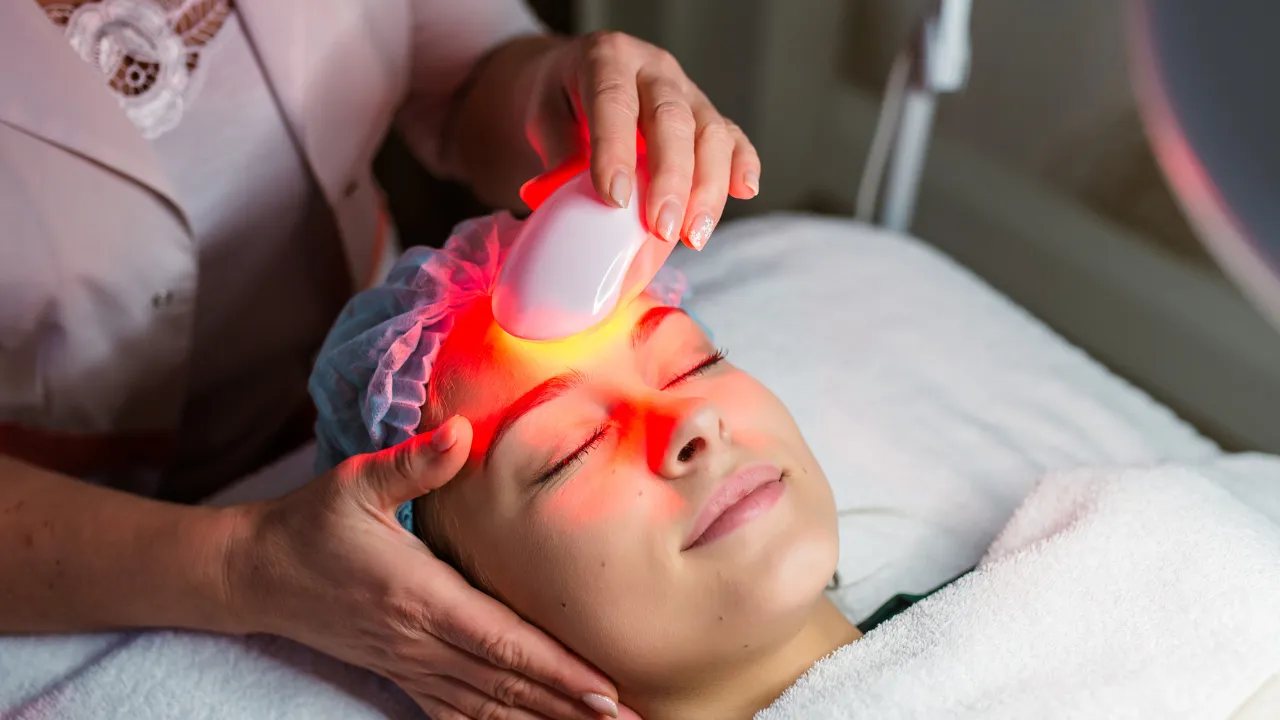
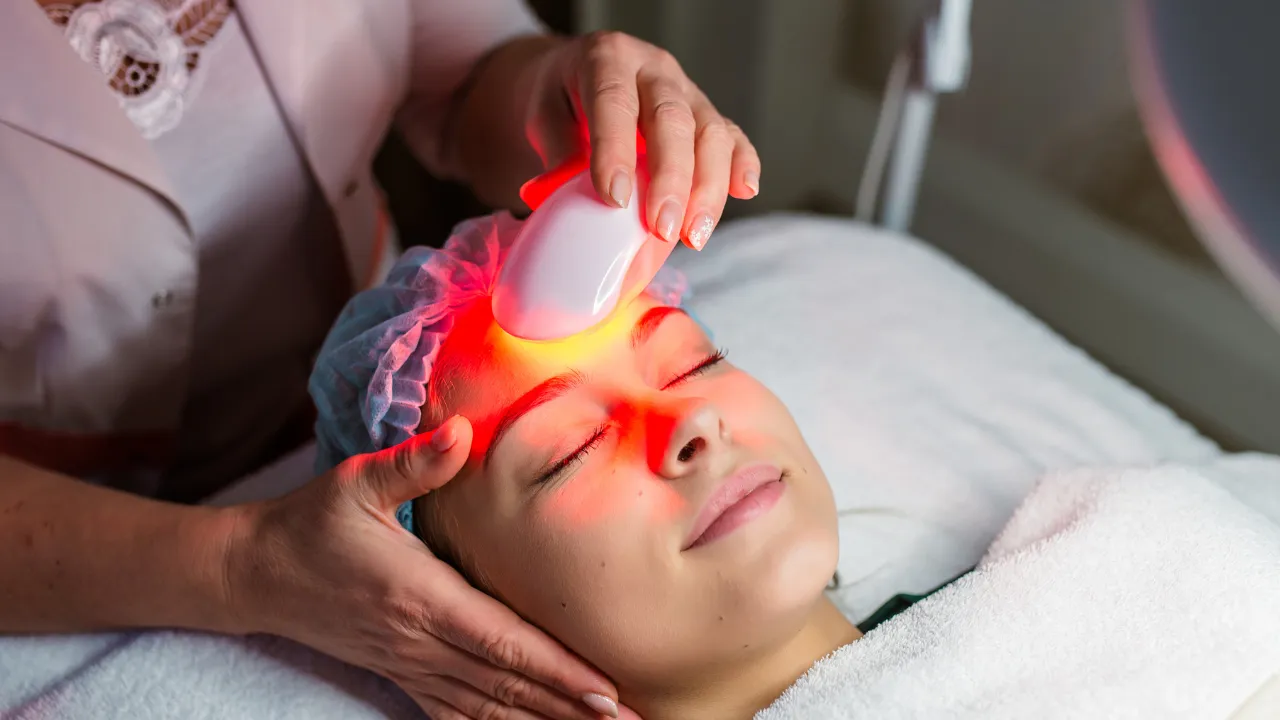
Effective management starts with daily care. A key first step in most treatment plans is cleaning your eyelids to remove bacteria, oil, and debris.
Home practices include:
- Warm compresses
- Gentle lid scrubs
- Avoiding eye makeup during flare-ups
Using artificial tears can also help alleviate dryness associated with gland issues.
Medications and Long-Term Management
More advanced treatments for blepharitis include:
- Topical antibiotics
- Anti-inflammatory drops
- In-office lid cleaning procedures
Proper blepharitis treatment involves a combination of home hygiene and medical support.
Preventing Spread and Protecting Others
When to Avoid Close Contact
Although blepharitis is contagious, most patients do not require isolation. Avoid direct contact and sharing personal items during flare-ups.
Tips for Preventing Recurrence
- Use artificial tears to protect the tear film
- Continue daily lid scrubs
- Replace old makeup and avoid rubbing your eyes
Blepharitis Do’s and Don’ts
Do:
- Wash eyelids daily
- Keep lenses and towels clean
Don’t:
- Share eye products
- Skip your hygiene routine
How Dr. Kopelman Treats Blepharitis
Dr. Kopelman customizes each treatment to suit the patient’s specific history and type of eyelid inflammation. His approach includes managing oil gland health and addressing related skin conditions.
His background in oculoplastic surgery allows for a precise evaluation of both cosmetic and functional concerns.
Frequently Asked Questions
How Do You Get Blepharitis?
This condition usually begins when oil glands near the lash line become clogged. Triggers include skin bacteria, seborrheic dermatitis, allergies, and poor hygiene. Preventing recurrence requires daily cleaning, avoiding irritants, and professional checkups.
If you’re experiencing persistent eyelid irritation or have concerns about your eye health, schedule a consultation with Dr. Joel Kopelman. His expert care and personalized approach can help you find lasting relief and protect your vision.