


Jaw fillers typically last 12 to 18 months, and in some cases up to 24 months, depending on placement and individual factors.
This guide explains what affects how long results last, what to expect during healing, and how maintenance is planned, based on standard facial plastic surgery principles discussed by Dr. Joel Kopelman at Kopelman Aesthetic Surgery.
Key Takeaways
- Jaw fillers typically last between 12 and 18 months, and in some cases up to 24 months, with gradual softening rather than sudden loss.
- Longevity depends on filler type, injection depth, metabolism, lifestyle, overall health, staying hydrated, facial structure, and individual factors.
- Swelling and firmness are expected during the first week and are part of normal healing, separate from the duration of the filler.
- Jaw fillers require ongoing maintenance, with repeat treatments often smaller and guided by aesthetic goals.
- Results and safety depend heavily on provider expertise and careful planning to achieve optimal results.
Average Duration Of Jaw Fillers
Most jawline treatments use hyaluronic acid, dermal fillers designed for structure and support. These products typically last between 12 and 18 months, and in some cases up to 24 months when placed along the jaw. Deeper placement and reduced movement in this area help results last longer than many other cosmetic procedures.
In clinical practice, surgeons often observe that jaw fillers hold their shape longer than fillers placed in highly mobile areas. Patients usually notice gradual softening rather than a sudden change. Longevity depends on placement, facial structure, the amount of filler used, and individual factors.
What Happens To Jawline Fillers Over Time
Jaw fillers break down slowly through natural metabolic processes, which explains why dermal fillers are temporary rather than permanent, as discussed in more detail in is filler permanent article. As the body continues to metabolize the filler, the jawline definition softens in a controlled, predictable way. This gradual change allows maintenance planning without abrupt shifts.
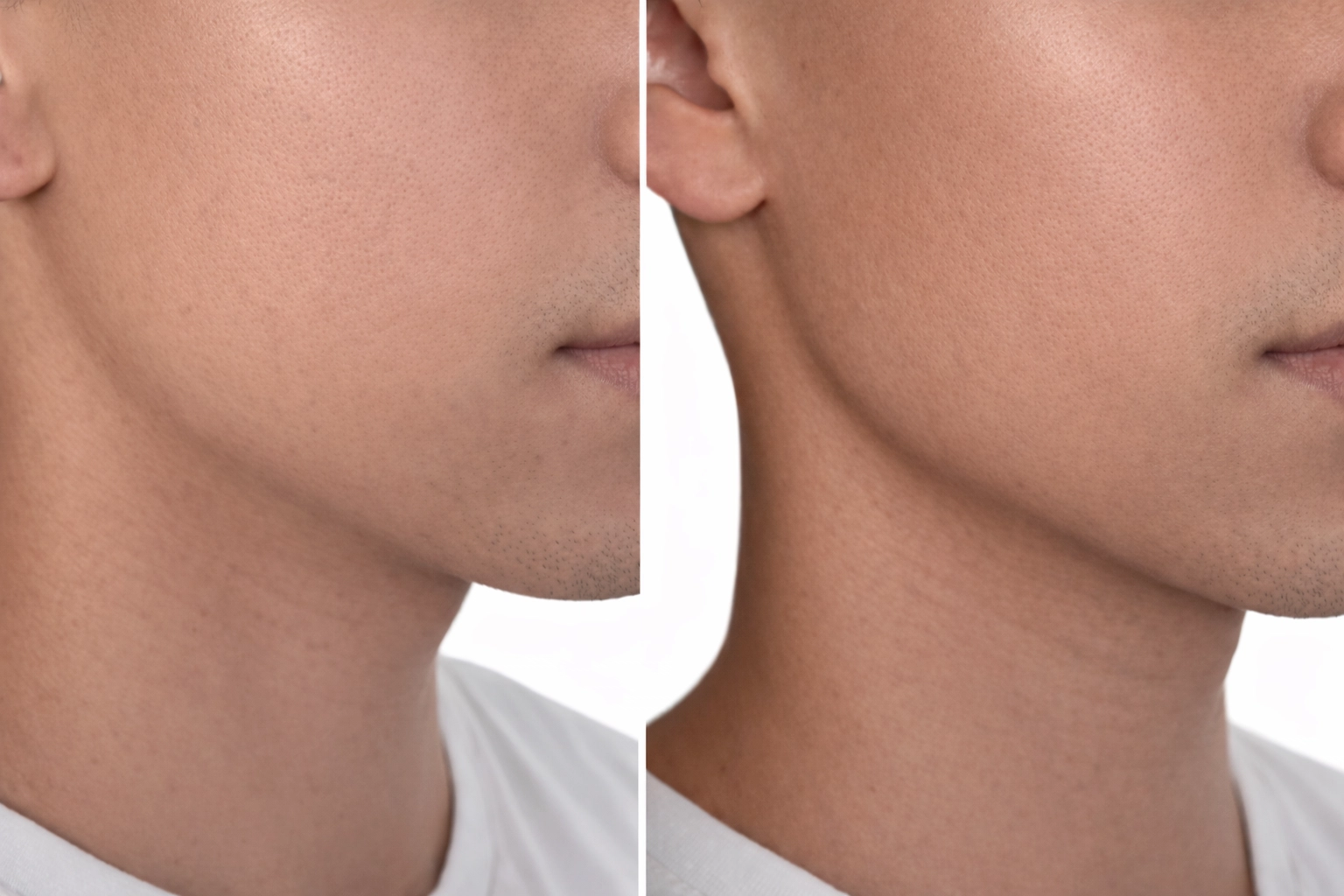
Early fading often appears as reduced sharpness rather than immediate loss of volume, similar to the gradual changes seen in jawline filler before and after examples. These changes are subtle at first and may only be noticeable at certain angles. Sudden loss of definition is uncommon with proper technique.
Jaw Filler Swelling And Healing
Swelling and tenderness are expected after jawline filler treatment due to the tissue’s density. A numbing cream is commonly applied before injections to improve comfort. Understanding the healing process helps distinguish normal recovery from complications.
How Long Does Jaw Filler Swelling Last?
Swelling usually peaks within the first 48 hours. For most patients, visible swelling improves within 3 to 7 days. Mild firmness can last slightly longer as the filler settles into place.
What’s Normal During Recovery
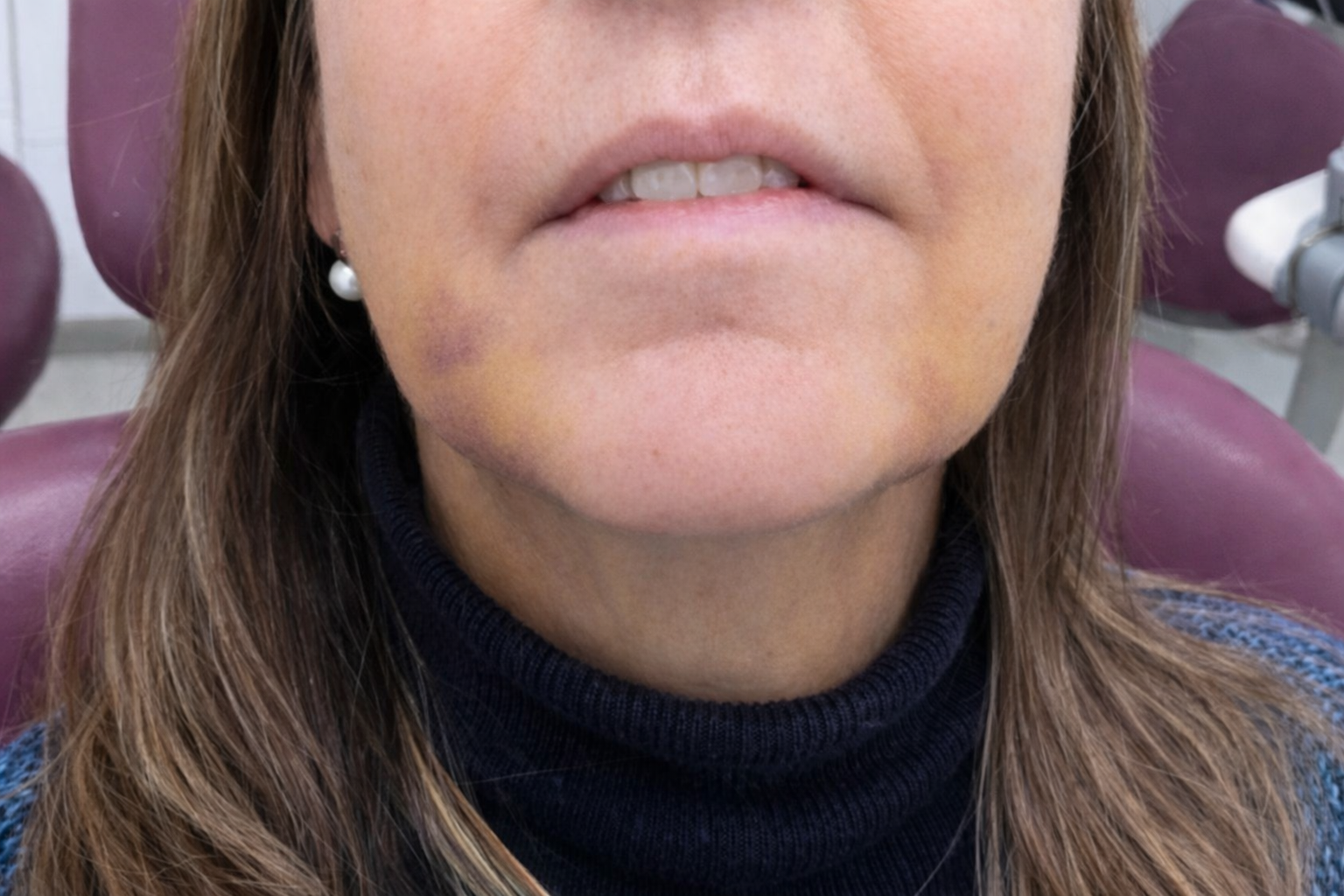
Temporary bruising, tightness, or uneven firmness may occur. Most patients experience minimal downtime and return to normal routines within a few days. Increasing pain or discoloration should be evaluated by a medical provider.
What Affects Jaw Filler Longevity
Jaw filler results vary from person to person due to both technical and biological factors. Understanding these variables explains why timelines differ. Longevity reflects how fillers work in deeper tissue and how the body responds.
Filler Type And Placement
Firmer fillers are commonly used in the jawline to provide structural support, and selecting the appropriate product depends on anatomy and treatment goals, as outlined in guides to the best facial fillers. Placement along the bone improves stability and resistance to compression. Clinical standards referenced by Dr. Kopelman emphasize technique as central to predictable fading and optimal results.
Why Firmer Fillers Are Used For The Jawline?
Filler selection for the jawline differs from softer facial areas. Firmer hyaluronic acid dermal fillers resist spreading under pressure. Softer fillers may lose definition more quickly.
The goal is support rather than simply to add volume. When placed at the bone level, fillers offer controlled shaping and even fading over time.
Metabolism And Lifestyle
Individual metabolism affects how quickly fillers break down. High physical activity, smoking, weight changes, overall health, and staying hydrated may influence how quickly the body metabolizes the filler. Even with lifestyle differences, fillers will gradually break down over time.
Maintenance, Cost, And Value
Jawline fillers require long-term planning rather than a single treatment. Patients often consider how often maintenance is needed and how the treatment’s value changes over time. These considerations are common when evaluating non-surgical cosmetic procedures.
How Often Should You Get Jaw Fillers?
Many patients schedule maintenance every 12 to 18 months, depending on how they metabolize the filler. Touch-ups are usually smaller than the initial session. Adjustments are guided by gradual changes and aesthetic goals.
Does Jaw Filler Last Longer With Repeat Treatments?
Some patients find that repeat treatments feel more stable over time. This relates to improved placement planning and consistent amounts of filler rather than permanent tissue change. Fillers remain temporary.
Repeat sessions focus on maintenance rather than rebuilding structure. This approach supports balance and avoids overcorrection.
Jawline Filler Cost
A typical jawline filler treatment costs $2,500 per syringe, reflecting the use of structural dermal fillers and precise placement along the jawbone, which aligns with broader pricing considerations discussed in the injectable fillers cost.
Because this area often requires firmer products and larger amounts of filler, the cost may be higher than for smaller cosmetic procedures.
Are Jawline Fillers Worth It?
Whether jawline fillers are worth it depends on expectations, facial structure, individual factors, and aesthetic goals. Patients seeking adjustable, temporary definition often value the flexibility fillers offer.
Those seeking permanent change may consider options discussed with a qualified plastic surgeon.
Risks And Limitations
Jaw fillers are widely used but still involve medical risk. Understanding limitations helps weigh benefits realistically. This section focuses on safety.
Jaw Filler Side Effects
Common side effects include swelling, bruising, and tenderness. Rare risks include vascular injury or infection. Proper assessment and technique reduce these risks.
What Are The Cons Of Jaw Fillers?
Jaw fillers are temporary and require repeat treatment. Results depend on injector skill and anatomical understanding. Unrealistic expectations can lead to dissatisfaction.
By understanding how long jawline fillers last, how fillers work, how the body metabolizes fillers, and how individual factors affect longevity, patients can approach jawline filler treatment with realistic expectations.
Education, anatomy, and clinical judgment remain central to safe and effective use. If you are considering jawline fillers, scheduling a consultation can help you review options, timelines, and safety considerations based on your individual anatomy.