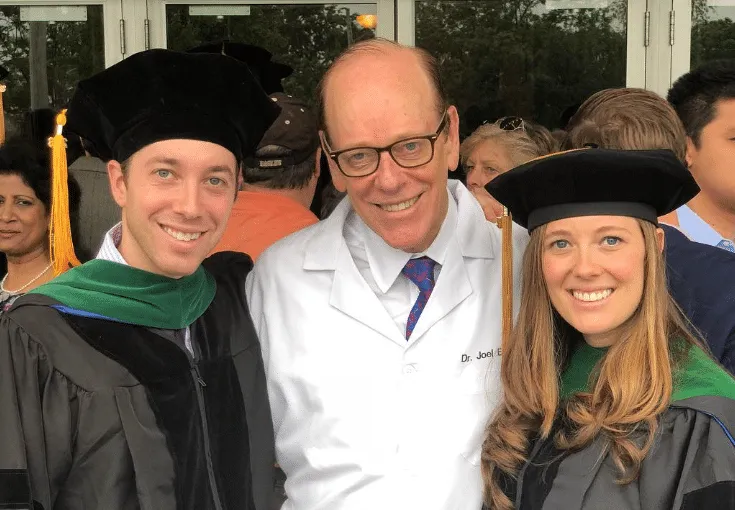

At Kopelman Aesthetic Surgery in New York City, Dr. Joel Kopelman has helped patients achieve natural, refreshed results for more than 35 years.
Many patients wonder if filler after lower blepharoplasty is safe and effective. In most cases, yes – fillers can be used after eyelid surgery to restore volume under the eyes or in the cheeks when residual hollowing or contour irregularities remain. When placed by an experienced, board-certified specialist, fillers can provide a smoother, more natural result.
This guide explains when fillers may be considered, their benefits and risks, and how to decide if they are right for you.
Key Takeaways
- Most patients can safely consider filler after lower blepharoplasty once healing is complete, typically three to six months post-surgery.
- Hyaluronic acid fillers such as Restylane, Belotero, and Juvederm are most often used because they are reversible and allow precise shaping.
- Fillers can address under-eye hollowing or restore cheek support, but results are temporary, lasting 9 to 18 months depending on the area treated.
- Costs in New York City generally range from $800 to $1,500 per syringe, with the possibility of needing maintenance sessions.
- Alternatives such as fat transfer or laser treatments may be appropriate for some patients, and candidacy should always be confirmed by an experienced surgeon like Dr. Joel Kopelman.
Can You Get Filler After Lower Eyelid Surgery?
Yes, it is possible to have fillers after lower eyelid surgery, but timing is important. Fillers are not used during the initial recovery phase because swelling and bruising can distort results. Once the eyelids have healed and tissues have stabilized, fillers can smooth remaining hollows or asymmetries.
Under-eye filler after lower blepharoplasty
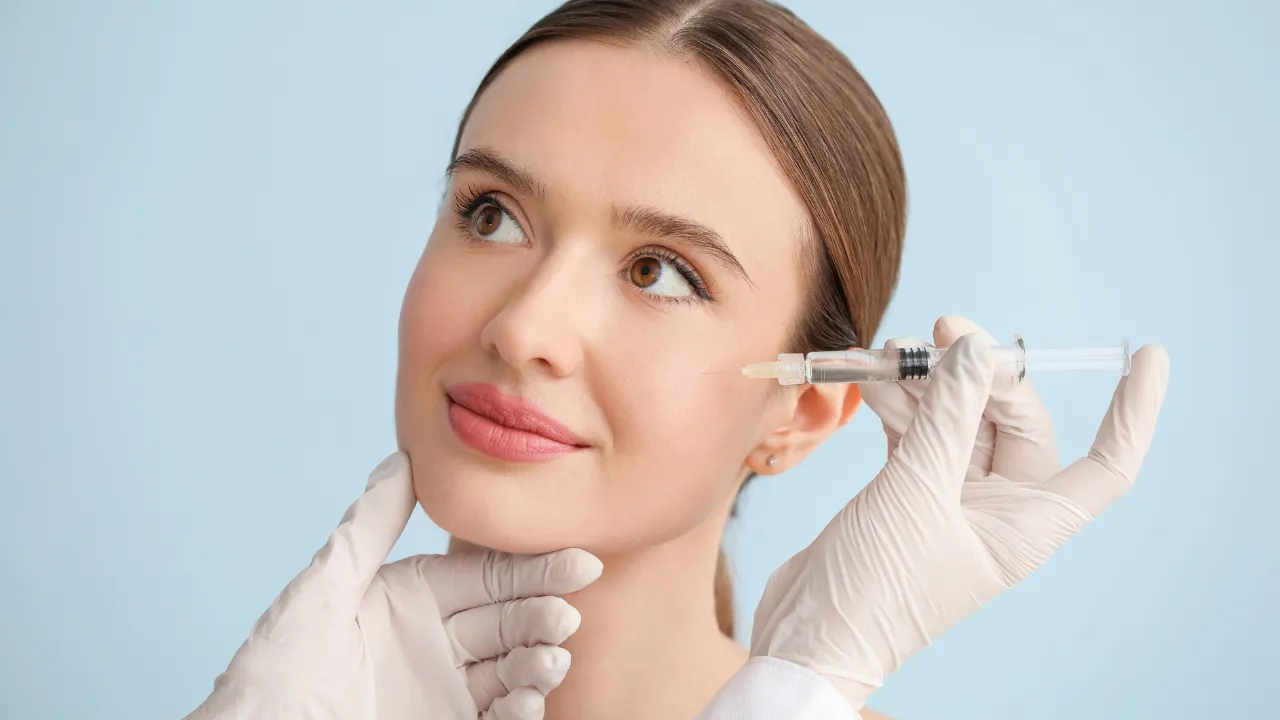
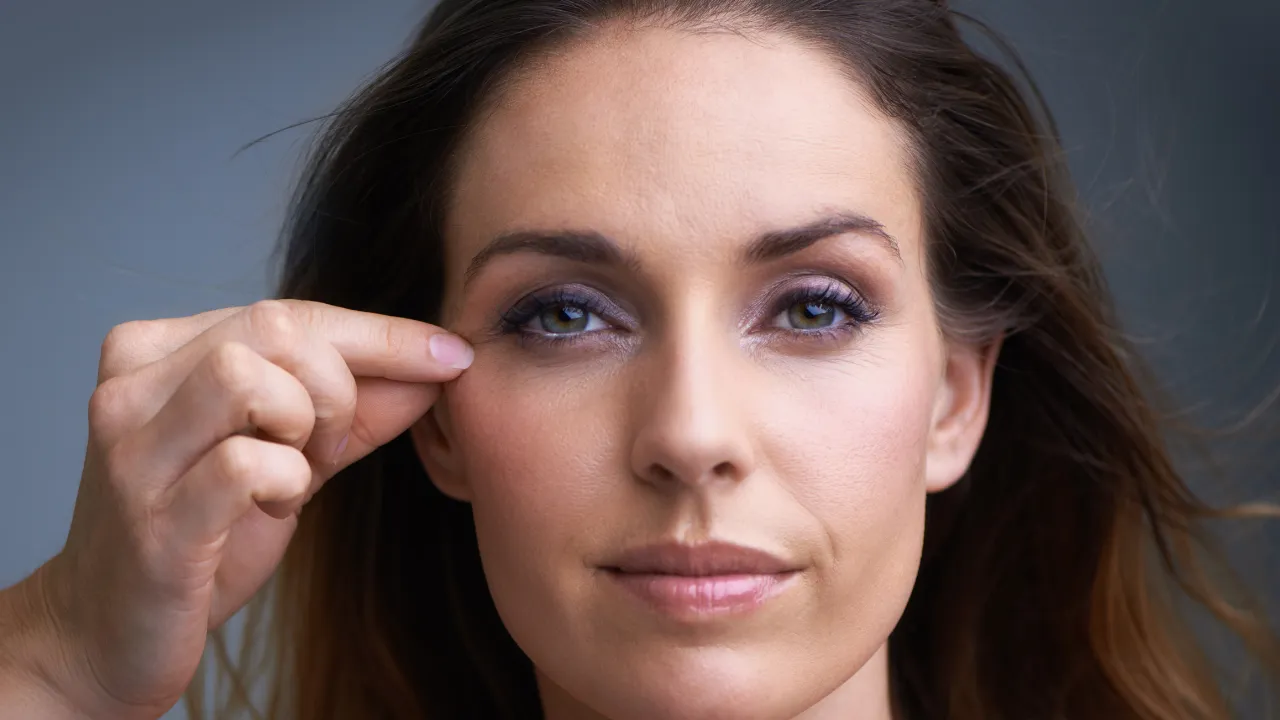
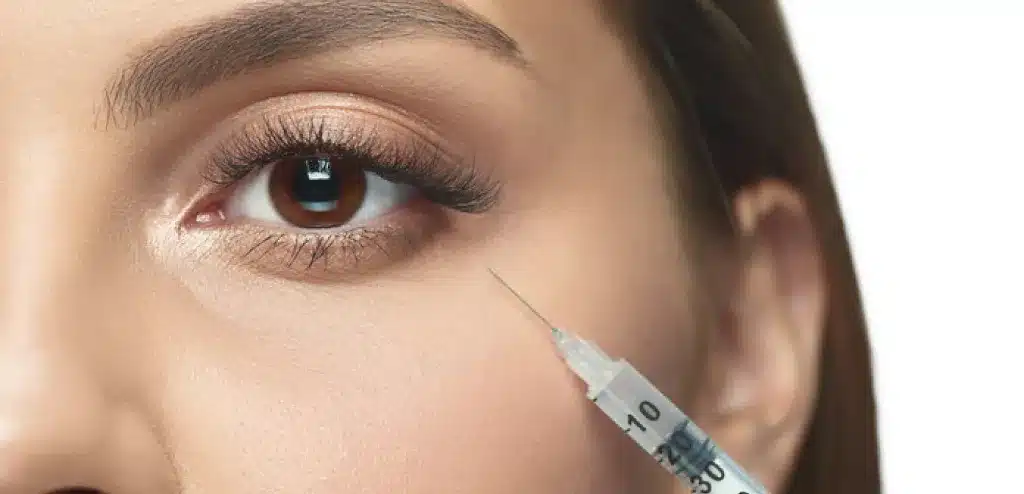
Some patients continue to notice under-eye hollowing even after blepharoplasty. In such cases, under-eye filler after lower blepharoplasty may help by replacing lost volume in the tear trough. Hyaluronic acid products are often used since they can be shaped precisely and are reversible if needed.
The outcome is a softer transition between the eyelid and cheek, reducing eye bags and giving a more rested look.
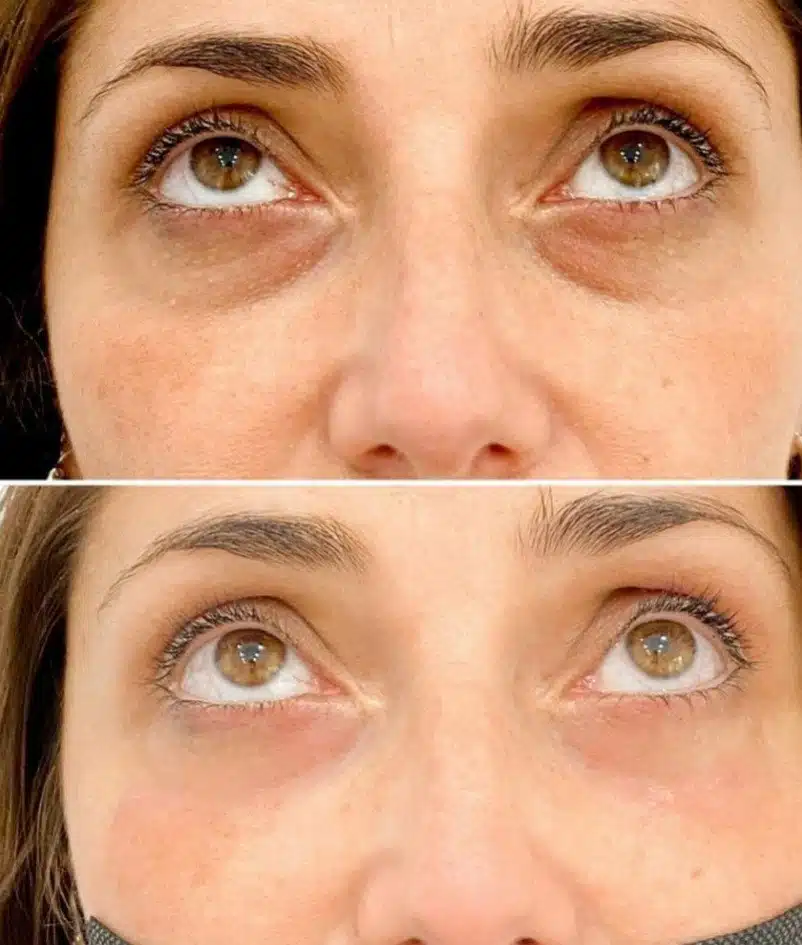
Cheek filler after lower blepharoplasty
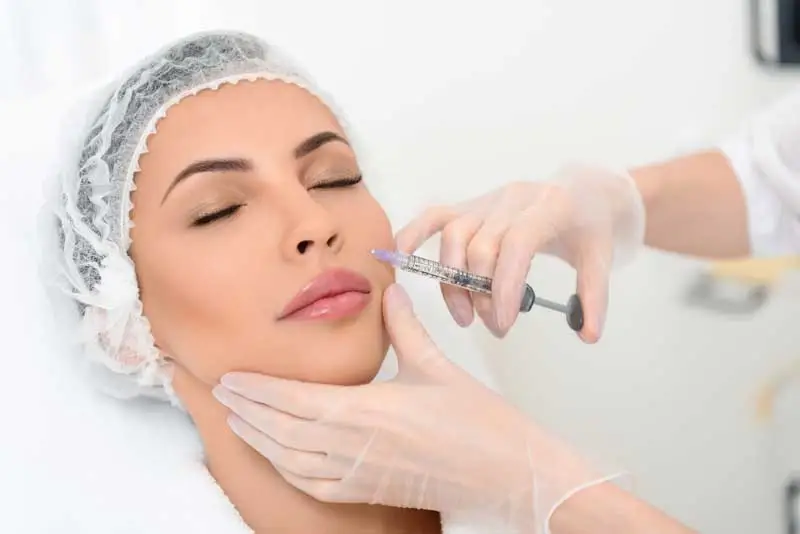
Blepharoplasty improves the eyelid area, but sometimes midface volume loss still creates an aged appearance. Cheek filler after lower blepharoplasty can restore projection and support under the eyes. By adding structure in the cheek, the filler indirectly improves the under-eye contour.
Timing and safety considerations
Most surgeons recommend waiting three to six months before adding filler after lower eyelid surgery. This ensures swelling has resolved and scar tissue has softened, lowering the risk of uneven filler placement. Choosing an expert such as Dr. Kopelman ensures safety and precision.
Types of Fillers Used After Lower Blepharoplasty
Hyaluronic acid fillers like Restylane, Belotero, and Juvederm are preferred because they are reversible and allow for precise shaping. Each has slightly different properties, influencing how natural the results appear under delicate eyelid skin.
Injection Techniques and Safety
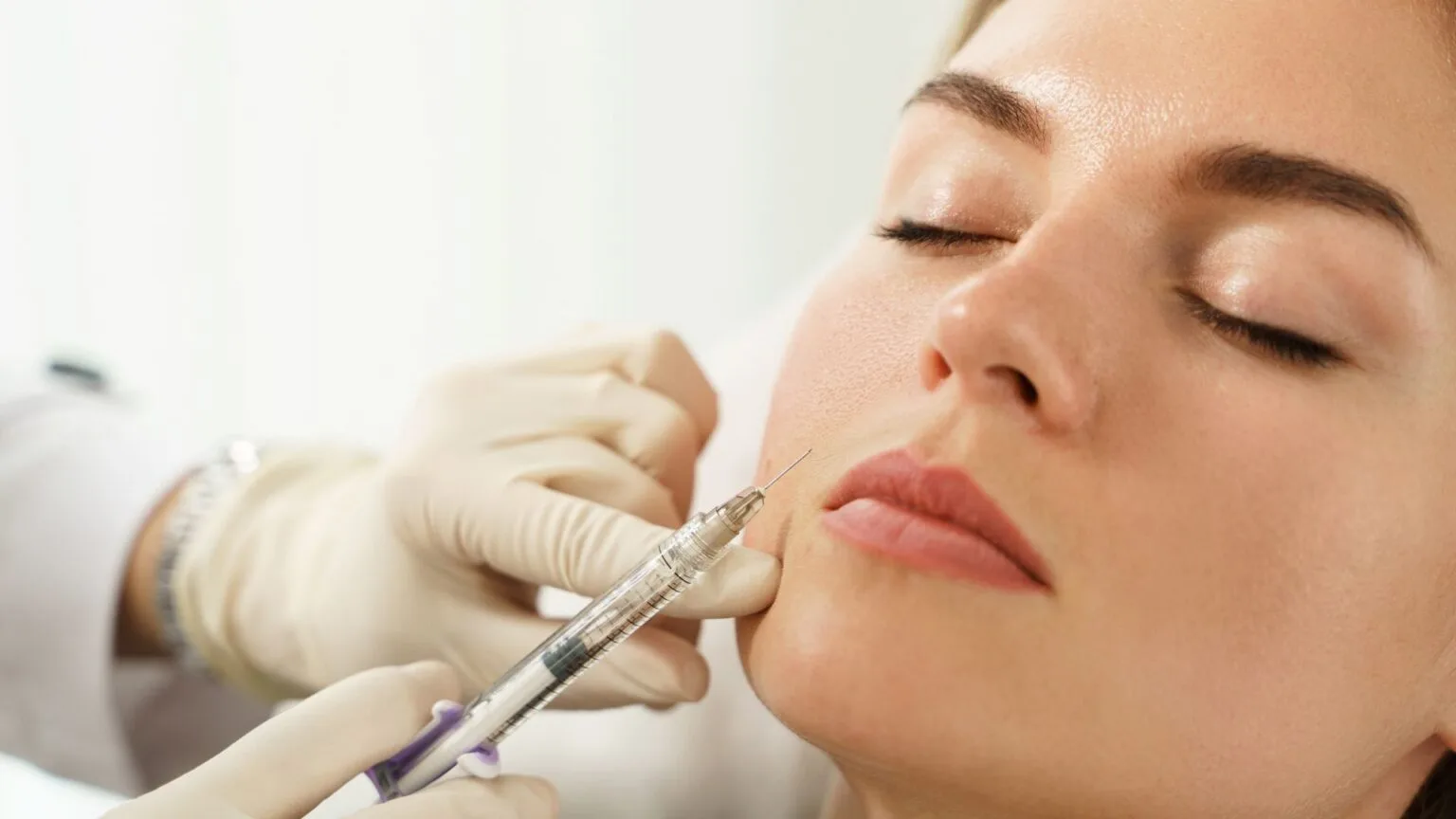
Surgeons may use either a needle or a blunt-tipped cannula to place filler. Cannulas reduce bruising and avoid blood vessels. Placement depth matters, since filler injected too close to the surface can create irregularities.
Benefits and Risks of Fillers After Surgery
Fillers can be an excellent complement to surgery, but they also carry risks. Patients should weigh both sides to make an informed choice.
Why do patients choose fillers after surgery
- Correct residual hollowness under the eyes
- Smooth contour irregularities after fat removal
- Restore cheek support for balanced proportions
- Provide non-surgical refinement without another operation
Common side effects and complications
Fillers can cause temporary swelling, bruising, or redness. Rarely, nodules, asymmetry, or overcorrection occur. The under-eye area is sensitive, so improper placement can cause visible lumps or a bluish tint known as the Tyndall effect. Serious complications like vascular occlusion are very rare but possible.
How Long Do Fillers Last After Surgery?
The longevity of filler after lower blepharoplasty depends on the product and area treated. Under-eye fillers generally last 9 to 12 months. Cheek fillers may last up to 18 months since the area moves less.
Results fade slowly, allowing patients to decide on touch-ups or longer-term options like fat transfer.
Alternatives to Fillers After Lower Eyelid Surgery
Not every patient benefits from fillers. Several alternatives exist for addressing post-surgery concerns.
Fat transfer vs filler results
Fat transfer is sometimes used as an alternative to hyaluronic acid fillers. Unlike fillers, fat is permanent once it survives. The procedure, however, requires surgery and carries variability. In contrast, injectable fillers are non-surgical, reversible, and more predictable.
Other non-surgical options
Other treatments can refine eyelid surgery results. Laser resurfacing tightens skin and reduces wrinkles. Radiofrequency improves elasticity, and medical-grade skincare supports healing.
Cost Considerations for Fillers After Lower Eyelid Surgery
The cost of filler after lower eyelid surgery can vary. In New York City, prices often range between $800 and $1,500 per syringe. Patients may need more than one syringe if both the under-eye and cheek areas require treatment.
Because fillers are temporary, planning for maintenance is important.
Recovery Timeline and Patient Candidacy
Healing after lower blepharoplasty follows a predictable timeline. Bruising and swelling improve within two to three weeks, but deeper tissues settle over several months. By three months, most patients have stable results, and by six months, healing is complete.
This recovery process affects when fillers can be considered. Early filler use may interfere with healing or lead to uneven placement. Waiting ensures smoother outcomes.
Not all patients are candidates. Ideal candidates are those who are fully healed, with realistic expectations and concerns like hollowing or irregularities. Patients with ongoing swelling or scarring should wait.
Patients who also had upper blepharoplasty may find that fillers help create balance between the upper eyelid and lower eyelid. This approach provides harmony across the eye area and enhances rejuvenation.