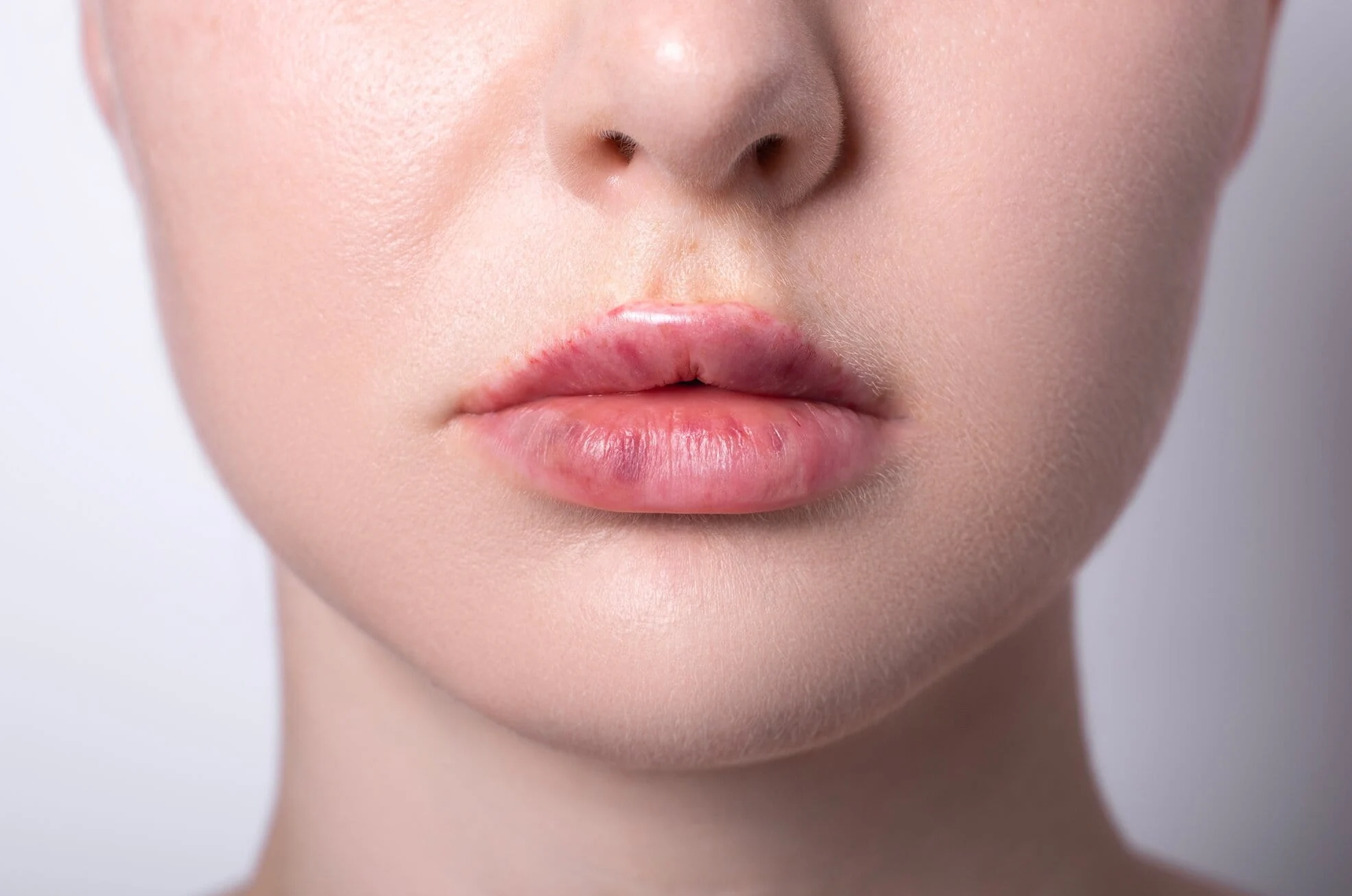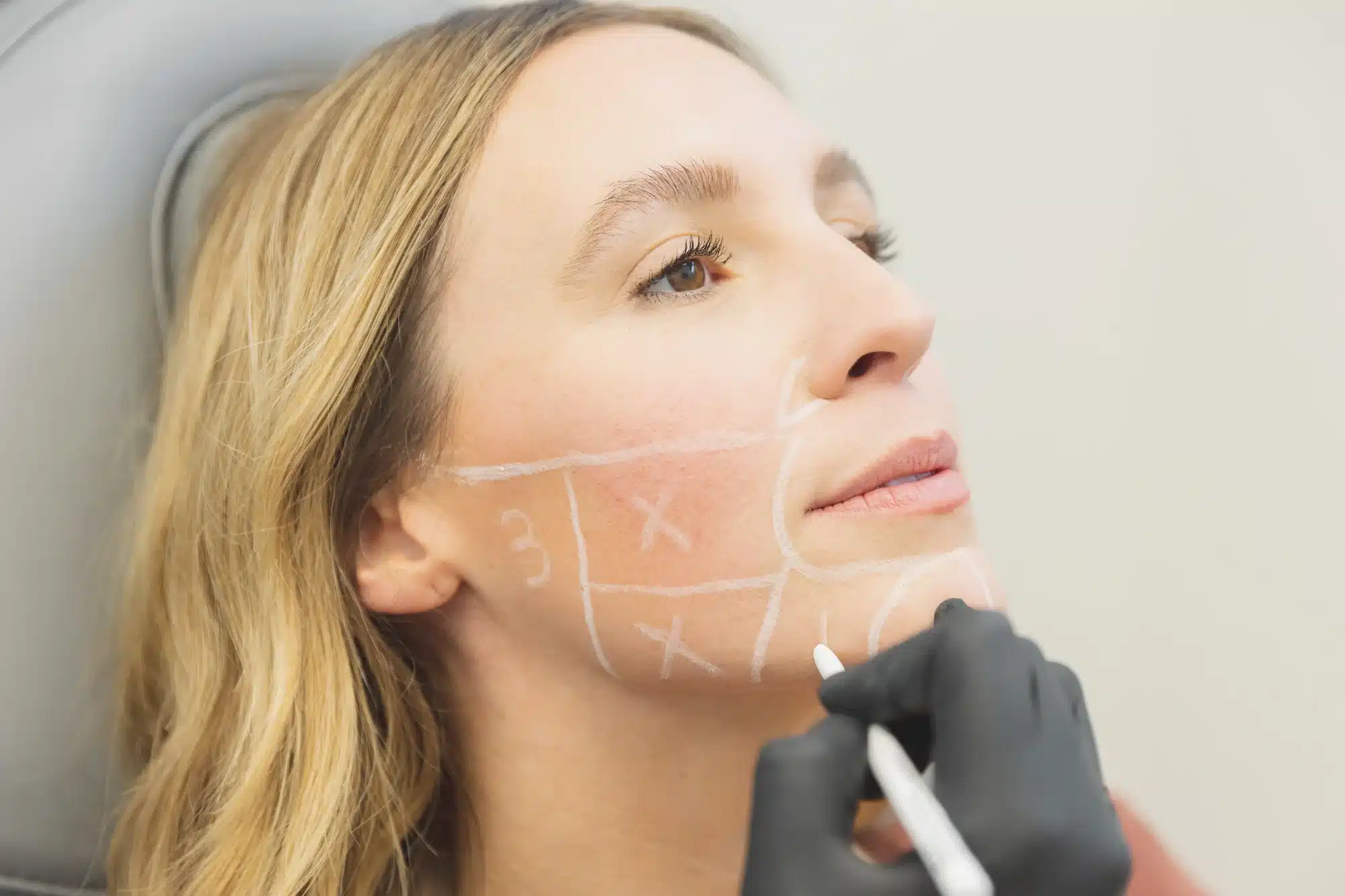

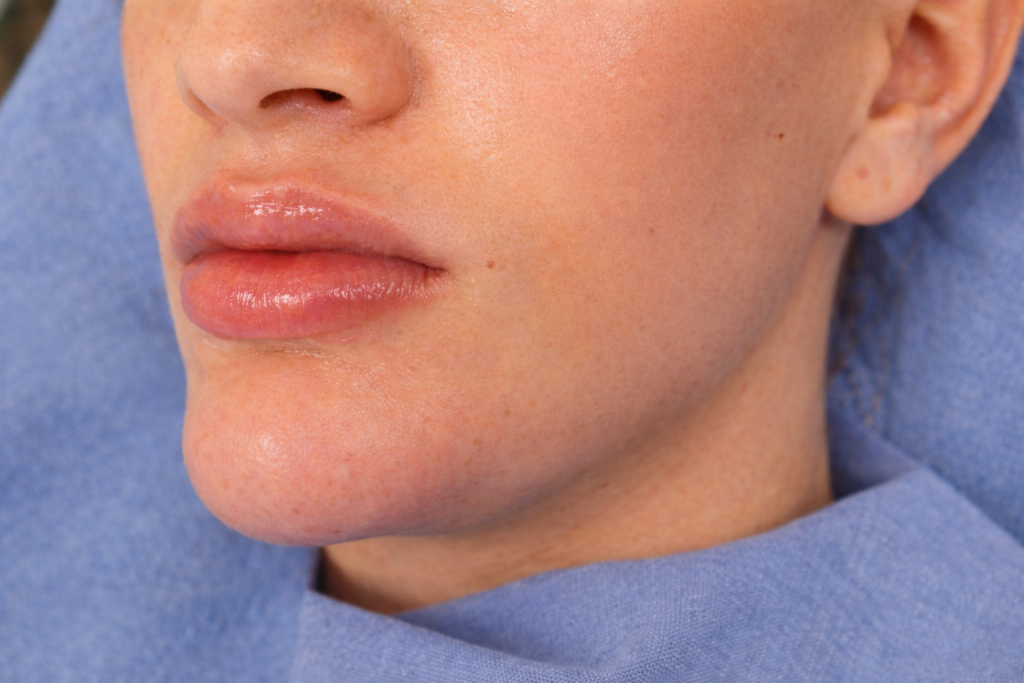
Chin fillers can migrate in some cases, but true movement outside the intended area is uncommon when dermal fillers are placed correctly. Most changes seen after treatment are related to normal settling, tissue response, or product breakdown rather than chin filler migration.
Dr. Joel Kopelman, a facial plastic and oculoplastic surgeon at Kopelman Aesthetic Surgery, addresses this question clinically by helping patients distinguish expected changes from a migrated chin filler that may require evaluation.
Key Takeaways
- Chin fillers are designed to stay in place, but subtle changes can occur over time due to tissue movement, filler breakdown, or repeated treatments rather than sudden displacement.
- True chin filler migration is uncommon and is more often related to injection technique, filler type, and total volume than to normal settling.
- Early post-treatment changes usually reflect swelling or adjustment, while later changes may require evaluation to rule out migration.
- Persistent changes in chin shape or fullness outside the treated area should be assessed by a qualified medical provider.
Do Chin Fillers Migrate Over Time?
Chin fillers are designed to remain in place, but they do not become a permanent part of the tissue. Over time, facial movement, gravity, and product breakdown can influence how filler products behave in the chin area, especially with the longest-lasting dermal filler options.
Migration does not mean the filler suddenly moves far from the chin. In most cases, changes are gradual and subtle, influenced by injection depth, facial anatomy, and the filler material used. These changes are often noticed during facial movement rather than at rest.
Changes seen in the first few weeks after injection are usually related to swelling or tissue adjustment. These early changes often improve as the filler settles. Later changes, especially those appearing months after treatment, are more relevant when evaluating possible chin filler migration.
Do Chin Fillers Migrate After 2 Years?
In two years, most hyaluronic acid-based fillers have largely broken down or been absorbed by the body. Changes seen at that stage are more often related to residual product, tissue stretching, or repeated treatments rather than active movement. True migration after two years is uncommon but possible in patients with multiple prior injections.
Long-term changes may also reflect natural aging. Bone structure, fat distribution, and skin elasticity evolve over time, which can affect chin appearance even after the filler has dissolved.
Does Chin Filler Migrate Easily?
Chin filler does not migrate easily when placed correctly. The chin has dense tissue and strong support structures that help limit movement. Migration is more likely when large volumes are injected, when filler is placed too superficially, or when an unsuitable type of filler is selected.
Proper technique reduces risk. Conservative dosing, correct depth, and respect for facial anatomy all help reduce the risk of migration.
How Chin Filler Settling Differs From Migration
After injection, the filler undergoes a settling phase as swelling resolves and the product integrates with surrounding tissue. During this time, temporary firmness or shape changes are common and usually improve on their own. Settling does not mean the filler has moved to another area.
Migration refers to persistent filler displacement beyond the intended anatomical zone. This distinction matters because early changes often resolve on their own. Understanding the difference helps patients interpret changes accurately and avoid unnecessary concern.
What Causes Chin Filler Migration?
Chin filler migration is usually related to technique and anatomy rather than the filler itself. Understanding these causes explains why outcomes vary between patients and why careful planning is essential.
For example, migration is more common in patients who receive repeated chin augmentation treatments without sufficient time between sessions. Added volume can stretch tissue, reducing its ability to retain filler. This type of migration due to cumulative volume may also be described as filler displacement ation due to tissue fatigue.
Injection Technique And Depth
Injection depth plays a major role in stability. Filler placed too close to the skin surface has less support and may spread beyond the target area. Deeper placement near the bone provides better anchoring.
Technique also matters. Poor pressure control or excessive filler injection in a single area increases the risk of displacement and may lead to unwanted side effects.

Filler Type, Volume, And Placement
Different fillers behave differently depending on their composition and firmness, which is why selecting from the best facial fillers matters. Softer fillers spread more easily, while firmer fillers are often used for structural chin augmentation. Using the wrong type of filler can increase the risk of chin filler migration.
Some products, such as calcium hydroxylapatite, behave differently from hyaluronic acid (HA) fillers and must be selected carefully. Overfilling overwhelms tissue support, leading to spreading rather than projection.
Where Can Chin Filler Migrate?
When migration occurs, it usually stays close to the original injection site.
Can Chin Filler Migrate To The Neck Or Double Chin?
Migration into the neck is rare due to anatomical separation between the chin and neck. Fullness near the chin crease is more often related to placement rather than true movement. Filler placed too low can also contribute to submental fullness that resembles a double chin.
In these cases, the issue is distribution rather than widespread migration. Proper placement helps avoid this outcome.
How Common Is Chin Filler Migration?
Clinically significant migration is uncommon when chin fillers are placed correctly. Most patients do not experience noticeable movement beyond the treated area. Minor spreading within the chin region can occur and is often not visible.
Reports of migrated chin filler are more frequent in patients with repeated treatments or high total filler volumes. This highlights the importance of experience, product choice, and technique.
How To Tell If Chin Filler Has Migrated
Recognizing migration requires knowing what is normal after filler treatment. Some changes are expected, while others suggest displacement.
Clinicians assess appearance and tissue feel, including firmness, symmetry, and movement. A review of the patient’s medical history and prior treatments helps place these findings in context, along with documented medical history from earlier procedures.
Common Signs Of Migrated Chin Filler
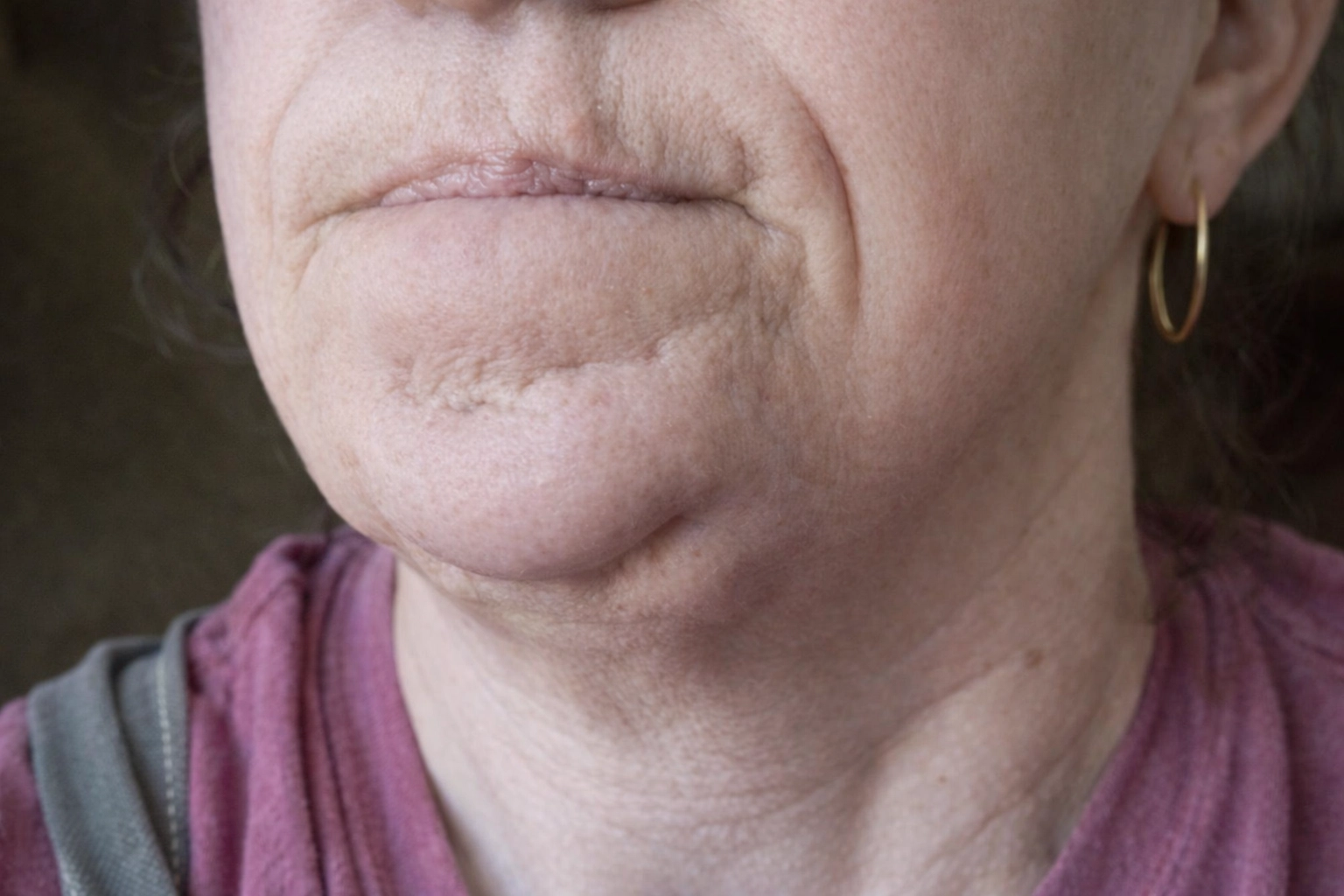
Signs may include persistent asymmetry, widening of the chin, or fullness outside the treated area. Some patients notice firmness in unexpected locations. These findings do not always indicate migration, as inflammation or muscle activity can appear similar, as is often seen in cases of face fillers gone wrong.
How To Prevent Chin Filler Migration
Prevention starts before treatment and continues after injection. Several factors reduce the likelihood of filler movement and the overall risk of migration.
Injector Experience And Treatment Planning
Experience matters in structural areas like the chin. Providers must understand facial anatomy, filler behavior, and injection strategy. Dr. Kopelman emphasizes planning based on overall facial balance rather than isolated chin projection.
Proper Filler Selection And Placement
Using a filler designed for structural support helps maintain position. Correct depth and conservative volume reduce tissue stress. Reviewing filler products and choosing the appropriate filler material based on anatomy and goals helps reduce complications.
How Migrated Chin Filler Is Treated
When migration is suspected, management depends on severity and patient symptoms. Not all cases require treatment.
Providers evaluate injection depth, remaining filler, tissue response, and facial balance together. This clinical reasoning guides whether observation, dissolving, or correction is appropriate.
When Dissolving Migrated Chin Filler Is Needed
Hyaluronic acid-based fillers can be dissolved with hyaluronidase if distortion or discomfort is present. Dissolving may be partial or complete depending on findings. This allows correction without surgery.
Corrective Reinjection And Reshaping
After dissolving or when minor changes exist, reinjection may restore balance. This should be done conservatively after tissues stabilize. The goal is symmetry and proportion, not added volume.
When To See A Qualified Medical Provider
Patients should seek evaluation for persistent asymmetry, shape changes, or discomfort after dermal filler treatment, especially when considering questions about dermal filler safety. Early assessment helps distinguish normal settling from migration.
A qualified provider can determine the appropriate next step based on anatomy, technique, and clinical findings. If you have questions or concerns, scheduling a clinical evaluation can help clarify your options.