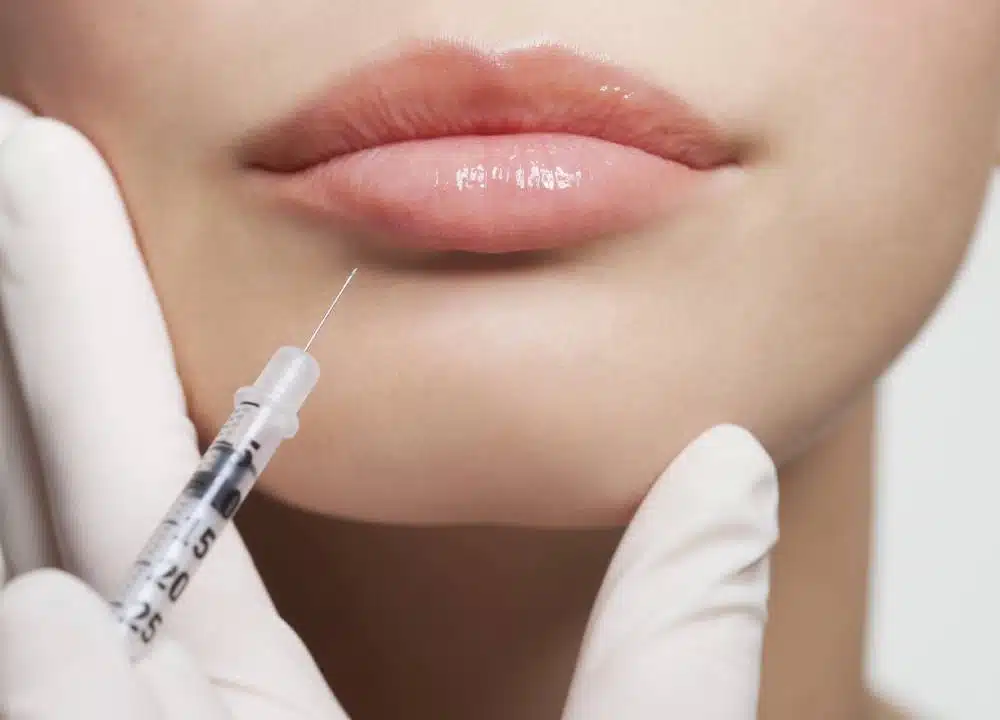

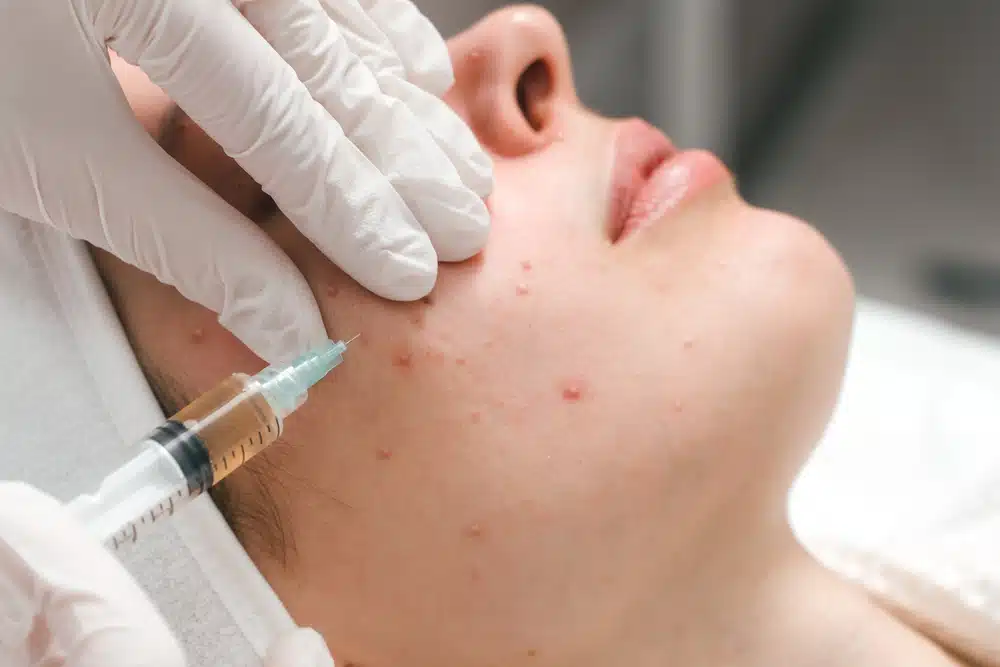
Dermal fillers for acne scarring are used to improve the appearance of certain depressed scars by adding support beneath the skin. The process involves injecting filler beneath the scar to reduce its depth and improve its surface contour, promoting localized skin rejuvenation rather than full scar removal.
This article explains how the treatment works, what realistic results are, and which factors influence outcomes, based on the clinical approaches used by facial plastic surgeons, including those discussed by Dr. Joel Kopelman at Kopelman Aesthetic Surgery.
Key Takeaways
- Dermal fillers can reduce the appearance of certain acne scars by supporting depressed areas of the skin, but they do not remove scars or treat active acne.
- Results depend on the types of acne scars present, with rolling and boxcar scars responding more predictably than deep ice-pick scars.
- Filler injections for acne scars require careful placement and medical evaluation to determine candidacy, skin type suitability, and long-term safety.
- Fillers are not permanent and may require maintenance treatments as scar tissue and skin structure change over time.
Are Dermal Fillers Good For Acne Scars?
Yes, this dermal filler treatment can be effective for acne scars, but only for specific types that involve volume loss, since dermal fillers are injected beneath the scar to support the overlying skin and improve contour irregularities. It restores structure in areas affected by damaged scar tissue, reducing indentation and improving surface smoothness. Some fillers also stimulate collagen production around the treated area.
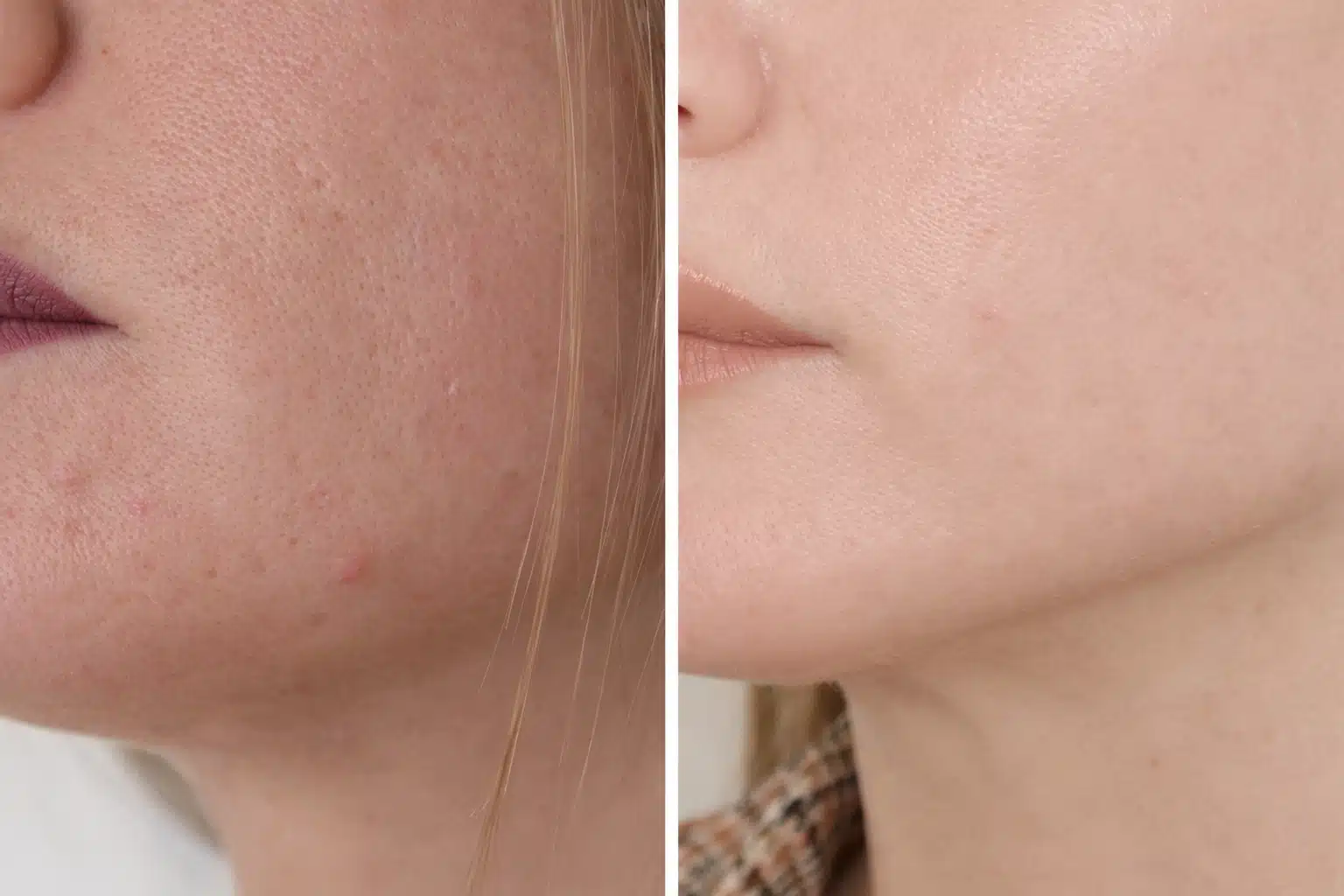
They do not eliminate scars, but they can soften shadowing and uneven texture caused by volume loss. Outcomes vary based on scar type, skin quality, skin type, and how the treatment differs from approaches used for fine lines, which are typically injected more superficially.
This approach works best when volume loss contributes to the scar’s appearance. Flat discoloration, active acne, or surface-only texture changes do not respond to fillers. A medical evaluation helps determine whether fillers are appropriate when treating acne scars.
Which Acne Scars Can Be Treated With Fillers
Not all acne scars respond the same way to a dermal filler treatment. The shape, depth, and extent of scar tissue largely determine whether treatment is useful. Understanding the different types of acne scars helps set realistic expectations.
Rolling scars and boxcar scars often respond best because they involve broader areas of depression beneath the skin, similar to other forms of atrophic scars treated with dermal fillers. Dermal fillers for ice pick scars offer limited benefit due to their narrow, deep nature, and other treatment options may be more effective.
Best Dermal Fillers For Acne Scarring
Several fillers are used for acne scarring based on duration and tissue response. Hyaluronic acid fillers are commonly used due to their reversibility and predictable behavior. Poly-L-lactic acid is another option that gradually stimulates collagen rather than providing immediate volume.
Earlier filler materials included bovine collagen, which required allergy testing and had a shorter duration. Modern fillers used for acne scarring are only FDA-approved for specific indications, and off-label use requires careful medical judgment.
Treatment Process And Recovery
Acne scar filler injections are usually performed in an outpatient setting. The skin is cleaned, numbed, and treated with small injections; most sessions last under an hour. Treatment plans may include multiple sessions, depending on the scar’s depth.
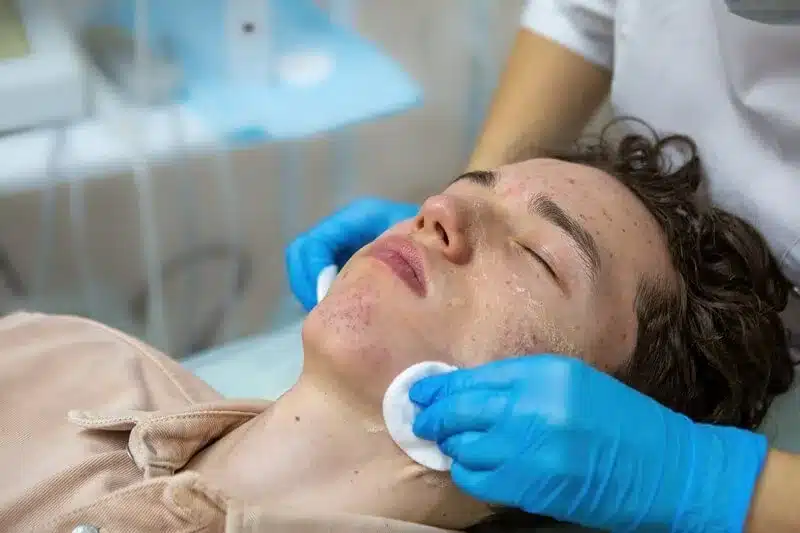
Common side effects include swelling, redness, and tenderness at injection sites, which usually resolve within days. Less common risks include uneven texture or filler migration, which is why many patients ask whether dermal fillers can negatively affect facial appearance. Most patients return to daily activities shortly after treatment, with follow-up visits used to assess balance.
How Long Do Dermal Fillers For Acne Scars Last?
Results vary by filler material, skin type, and individual metabolism. Some fillers last 6 to 12 months, while others persist longer and fade gradually. Long-term improvement often depends on maintenance treatments.
Dermal Fillers For Acne Scars Cost
Dermal fillers for acne scars typically cost $1,800 per session. But it depends on the type of filler used, the amount required, and the number of sessions. Geographic location and clinical expertise also influence pricing. Treatment plans are individualized based on scar severity.
Fillers Vs Other Acne Scar Treatments
Fillers address volume loss beneath depressed scars, while other treatment options focus on different structural problems. Laser treatments and laser resurfacing target surface irregularities, while microneedling promotes collagen across broader areas.
Some patients benefit from combining treatments rather than relying on a single method. Choices depend on scar type, skin condition, and long-term goals.
Medical Evaluation And Candidacy
A thorough evaluation reviews scar patterns, skin health, and medical history. Dr. Kopelman notes that candidacy depends on anatomy rather than age or skin tone, and skin type also influences planning.
Scheduling an evaluation allows for a discussion of options, expectations, and safety based on your individual case.