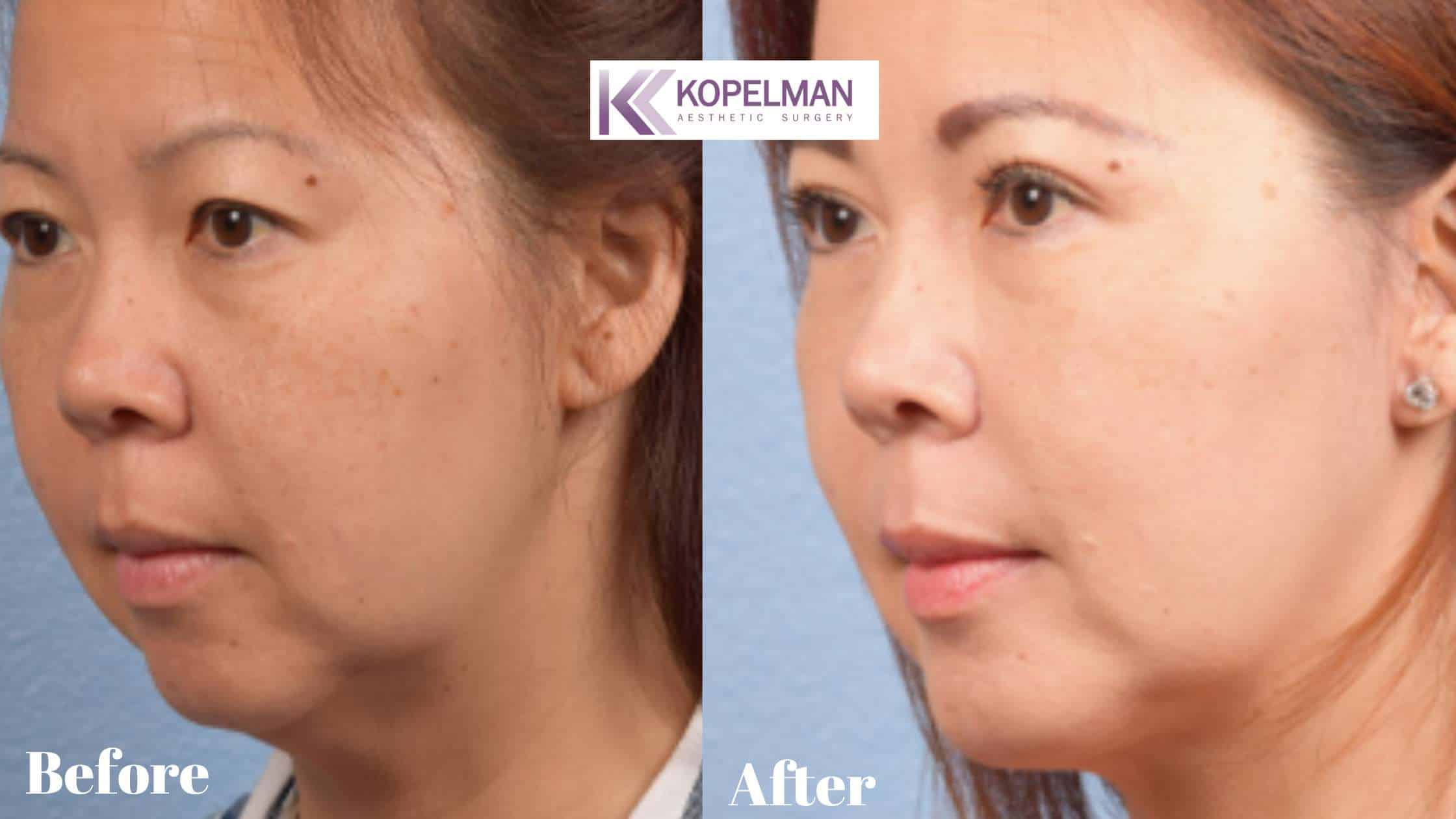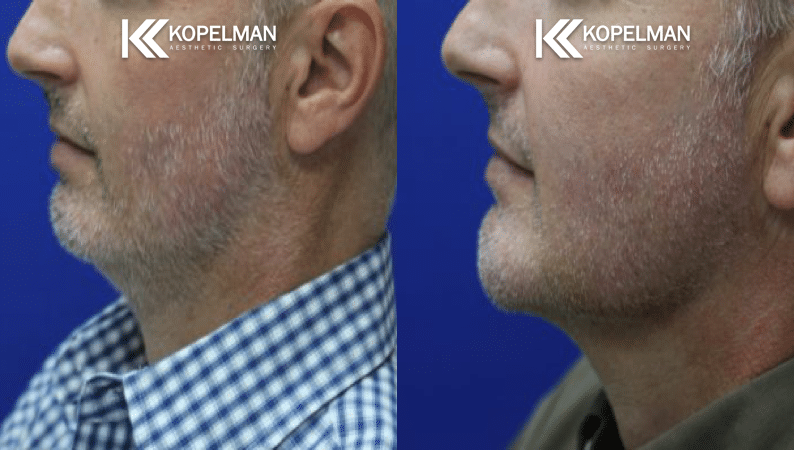


Feel more confident after fillers is possible for some patients when these address a specific concern, such as volume loss, facial imbalance, or early signs of aging. The confidence change often comes from spending less time thinking about a single feature rather than from a sudden emotional shift.
At Kopelman Aesthetic Surgery, Dr. Joel Kopelman approaches dermal fillers as a medical treatment guided by facial anatomy, balance, and informed decision-making.
This article explains how filler treatments and injectable fillers may affect confidence, what changes are emotional versus physical, and how to approach care with realistic expectations.
Key Takeaways
- Dermal fillers may influence confidence by addressing specific facial concerns, but they do not directly change emotions or self-esteem.
- Feeling more confident after fillers is often linked to reduced focus on appearance rather than a dramatic visible change.
- Results vary based on anatomy, expectations, and treatment goals, so emotional responses differ for everyone.
- Careful technique and proper placement help fillers look natural and less noticeable.
Do Fillers Actually Improve Confidence?
Dermal fillers do not change personality or emotions. They can influence how a person views their own appearance. For some patients, correcting a specific concern related to volume loss reduces daily attention on that area.
Confidence depends on many factors. These include expectations, mental health, and social setting. While some patients experience a short-term confidence boost, fillers are not a solution for emotional challenges.
Confidence and self-esteem are related but different. Confidence often relates to comfort in certain situations. Self-esteem is broader and shaped by many parts of life.
Do People Feel More Confident After Cosmetic Treatments?
Some patients report improved self-image after cosmetic procedures. These reactions are personal and vary from one person to another. Results often depend on whether the treatment addressed a clear, realistic goal.
Patients who understand what filler treatments and injectable fillers can and cannot do tend to feel more balanced afterward. Clear education before care shapes how outcomes are judged. This reflects Dr. Kopelman’s clinical approach.
Emotional and Psychological Effects
Some patients feel calmer or less self-conscious after treatment. This is more common when results are subtle and balanced. Emotions often settle as swelling goes down and the face adjusts.
Other patients notice little emotional change even when their appearance improves. This highlights that confidence is personal. Individual context plays a major role.
How Fillers Change Your Appearance
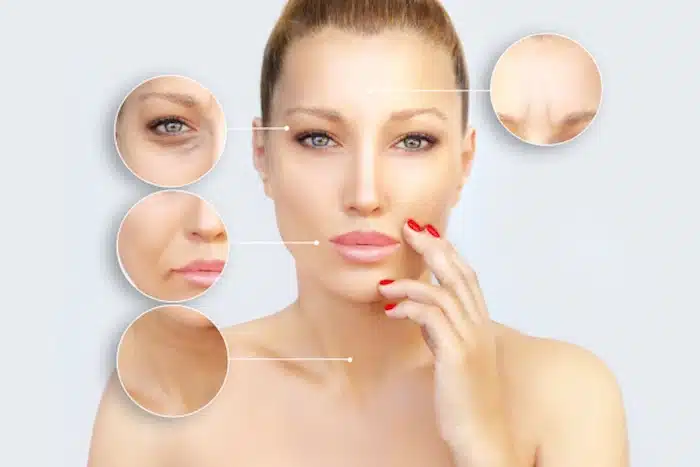
Dermal fillers add or restore volume in areas affected by aging, such as the cheeks, lips, jawline, or under the eyes. Many fillers contain hyaluronic acid, a naturally occurring substance found in the body that supports hydration and structure. Other products, such as poly-L-lactic acid, work differently by supporting gradual tissue response over time.
These materials can soften fine lines and wrinkles and improve balance. Some fillers may also support collagen production, depending on the product and plan. The goal is to enhance facial features while maintaining natural proportions, which is especially important when considering approaches such as full-face contouring with fillers.
Effects of Dermal Fillers Over Time
The effects of dermal fillers can appear at different stages. Some results are visible soon after treatment, while others develop gradually. Understanding this timeline helps manage expectations.
Results depend on anatomy, placement, and product choice, as well as concerns some patients have about whether fillers stretch your skin. Conservative planning supports a natural look. This approach helps avoid overcorrection.
Does Filler Make You Look Younger?
Fillers can reduce hollow areas and shadows linked to common signs of aging. This may create a more rested appearance. Some patients interpret this as meaning they look younger.
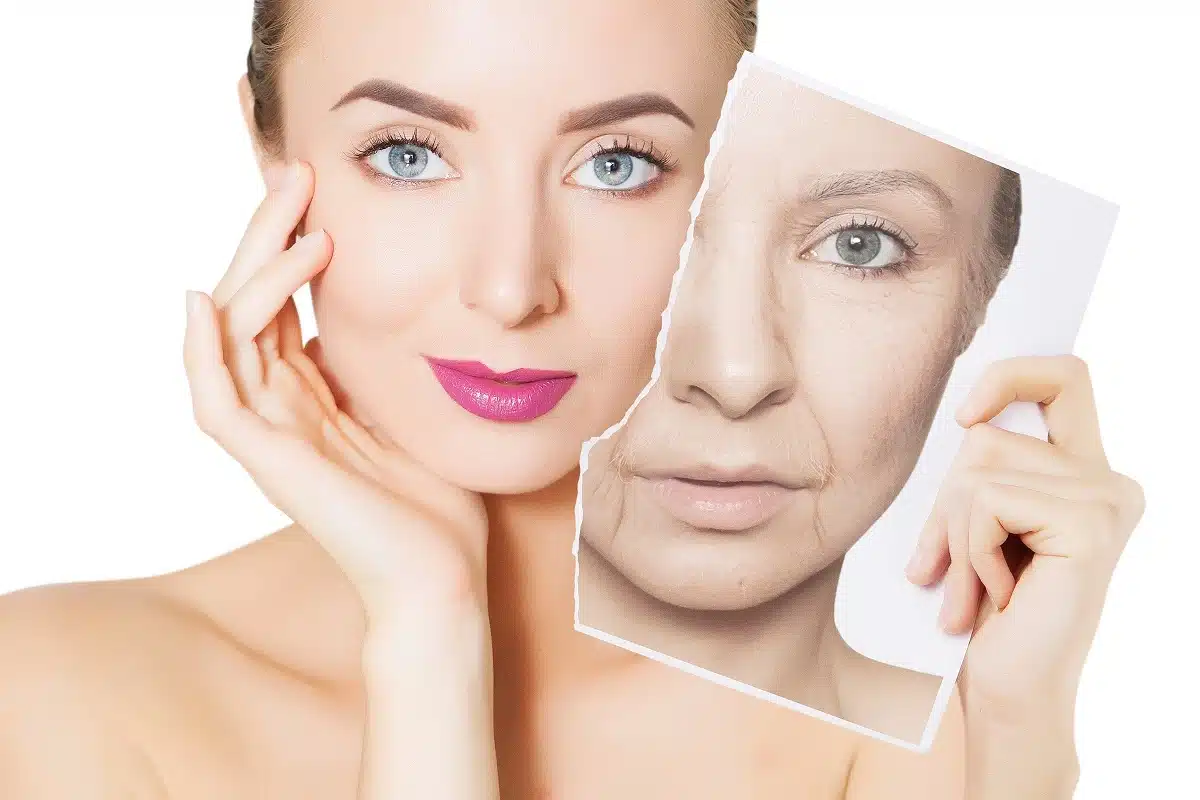
Results vary between individuals. Too much filler can disrupt balance. Looking younger should not be the only goal.
Can People Tell You Have Fillers?
Many patients worry that fillers will be obvious. In many cases, well-placed injectable fillers are not noticeable. Most people see a refreshed appearance rather than a procedure.
Visibility depends on technique, amount used, and facial structure. Lighting and movement also matter. Because of this, outcomes differ.
Why Subtle Technique Matters
Subtle technique supports natural movement and expression. Fillers should work with facial anatomy, not replace it. This lowers the chance of visible change.
Knowledge of facial structure helps guide safe placement. Technique affects both appearance and safety. Precision is a core part of medical care.
Who Benefits Most From Fillers
Not everyone responds the same way to fillers. Benefit depends on anatomy, goals, and expectations. A clear discussion helps determine which treatment options are appropriate, including choosing the best facial fillers based on anatomy and goals.
Both men and women seek filler treatments for different reasons. Patients who want to correct a specific concern often respond best. Those expecting broad emotional change may feel disappointed.
When Fillers May Not Improve Confidence
Fillers do not improve confidence for every patient. Some individuals feel no emotional change after treatment. Physical correction does not always affect self-perception.
Confidence is shaped by many aspects of life. These include mental health and personal experience. Cosmetic treatments cannot replace those factors, and in some cases, patients may explore alternatives to fillers based on their needs.
Setting Expectations and Staying Safe
Safety and clear expectations are essential. Filler treatments can cause swelling, bruising, or other risks. These should be discussed openly before treatment.
Results are temporary and may require maintenance, which often leads patients to ask whether the filler is permanent. Understanding this helps avoid frustration. Safety depends on technique, experience, and patient compliance.
Why Provider Experience Affects Results
Experience affects both outcome and safety. Understanding facial anatomy lowers risk and guides proper filler use. Good judgment supports balance.
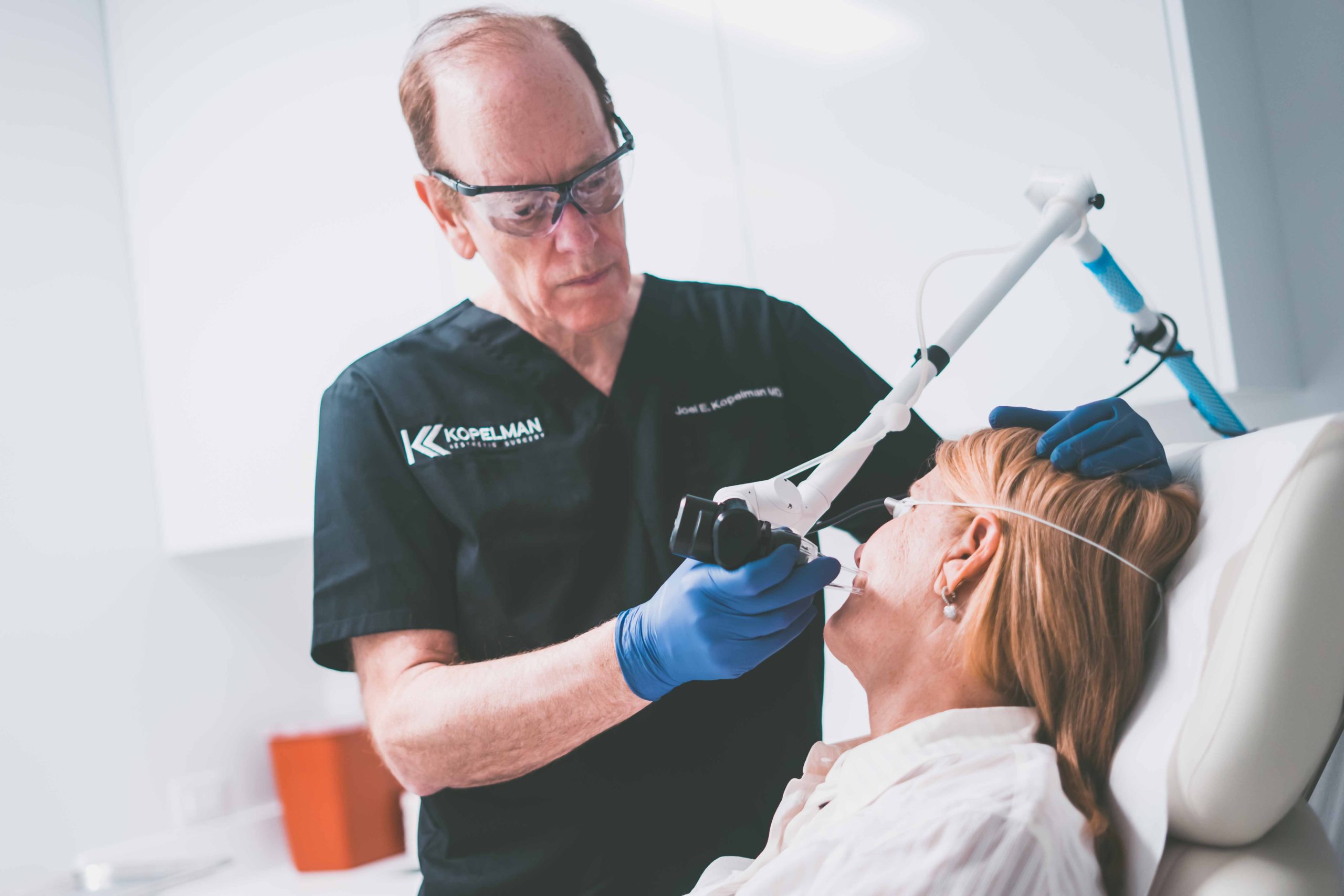
Dr. Kopelman’s training as a facial plastic and oculoplastic surgeon informs his careful approach. This experience helps patients make informed decisions and feel good about choosing treatment based on knowledge rather than pressure.
If you are considering dermal fillers and want guidance based on anatomy, safety, and realistic expectations, you can schedule a consultation to discuss your goals and treatment options in detail. A professional evaluation helps ensure decisions are informed, appropriate, and tailored to your individual needs.