
Key Takeaways
- Dermal fillers are generally safe when injected by licensed physicians who understand facial anatomy, since most serious risks come from poor technique rather than the filler itself.
- Risk varies based on where the filler is placed, the type used, and how deeply it is injected, with a higher risk in areas with many blood vessels.
- Most side effects are mild and short-term, while serious adverse events are rare and usually linked to blocked blood flow or improper injection.
- FDA approval applies to specific filler products and uses, but safety also depends on provider skill, patient screening, and careful treatment planning.
- Patients can lower their risk by avoiding unsafe practices and choosing care in a medical setting that can recognize and manage complications.
Are Dermal Fillers Safe When Performed by a Doctor?
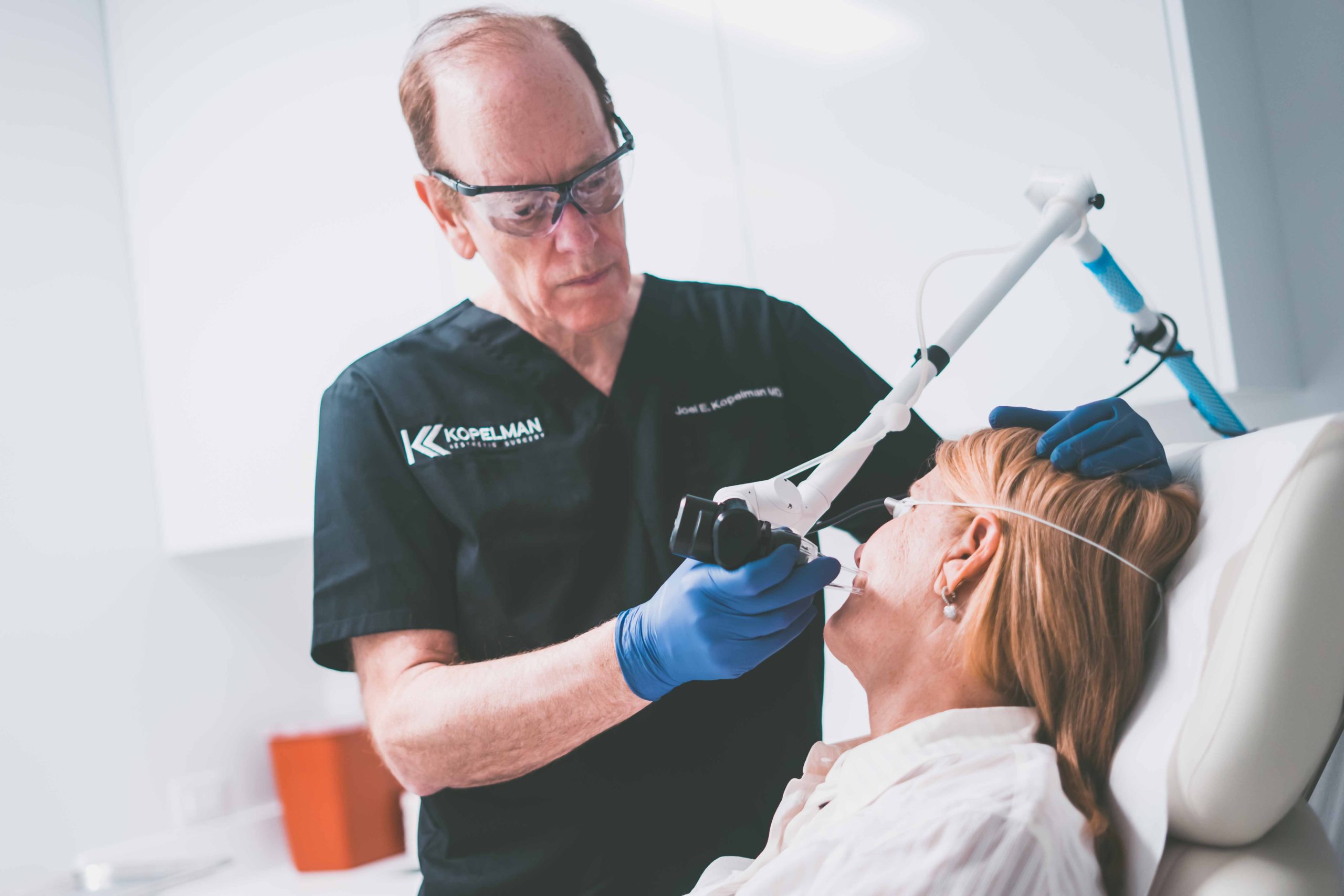
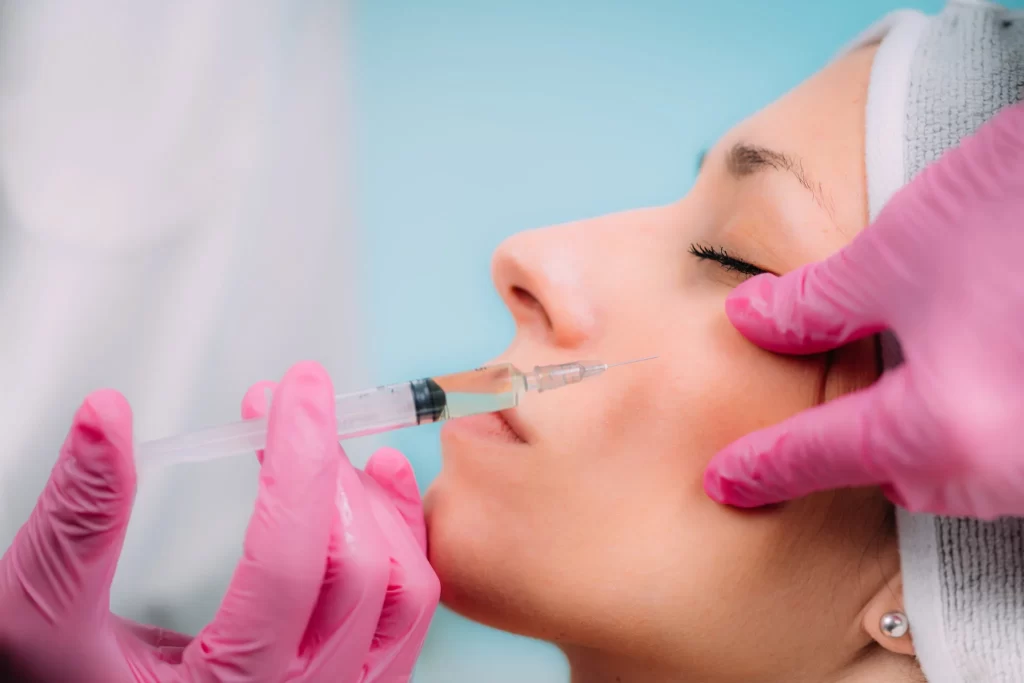
When a licensed doctor performs dermal filler injections, the procedure is usually safe. Trained physicians understand where blood vessels run and how deep injections should go. This knowledge lowers the chance of preventable problems during filler procedures.
Doctors also review each patient’s medical history before treatment. They look at medications, health conditions, and past filler use. This process helps decide who can safely receive facial fillers.
Medical standards focus on proper training and careful judgment. Board-certified doctors often work in fields related to plastic surgery and facial care. No cosmetic procedure is entirely risk-free, even when done correctly.
Clear discussion of risks supports informed consent. Patients benefit when limits and uncertainties are explained in advance. This approach reflects accepted medical practice.
How Risky Are Dermal Fillers?
For most patients, risk is low and limited to mild reactions. Risk rises when technique or product choice is poor.
Risk also depends on the types of dermal fillers used. Some fillers stimulate collagen over time, such as poly-L-lactic acid, while others add structure or firmness. Each option behaves differently in tissue and requires specific handling.
Safety of Dermal Fillers and FDA Approval
The safety of dermal fillers is closely linked to regulation. In the United States, the Food and Drug Administration reviews and approves fillers for specific uses. These uses often include smoothing facial wrinkles, skin folds, and restoring volume in targeted areas.
FDA approval does not remove all risk. It shows that substances injected into the skin meet testing and quality standards. Patients should confirm that only an FDA-approved injectable is used from trusted medical sources.
Unsafe Practices That Increase Risk
Some practices pose risk regardless of the filler used. These risks usually stem from a lack of medical care rather than the product itself. Knowing what to avoid helps prevent harm.
Examples of unsafe practices include:
- Injecting fillers at home or outside medical offices
- Using fillers bought online or from unknown sellers
- Treatment by people without medical licenses
Medical offices offer sterile conditions and emergency support. These protections are not available in non-medical settings.
Dermal Fillers Side Effects
Most side effects are mild and expected after treatment. Swelling, redness, soreness, and bruising are common. These usually improve within a few days.
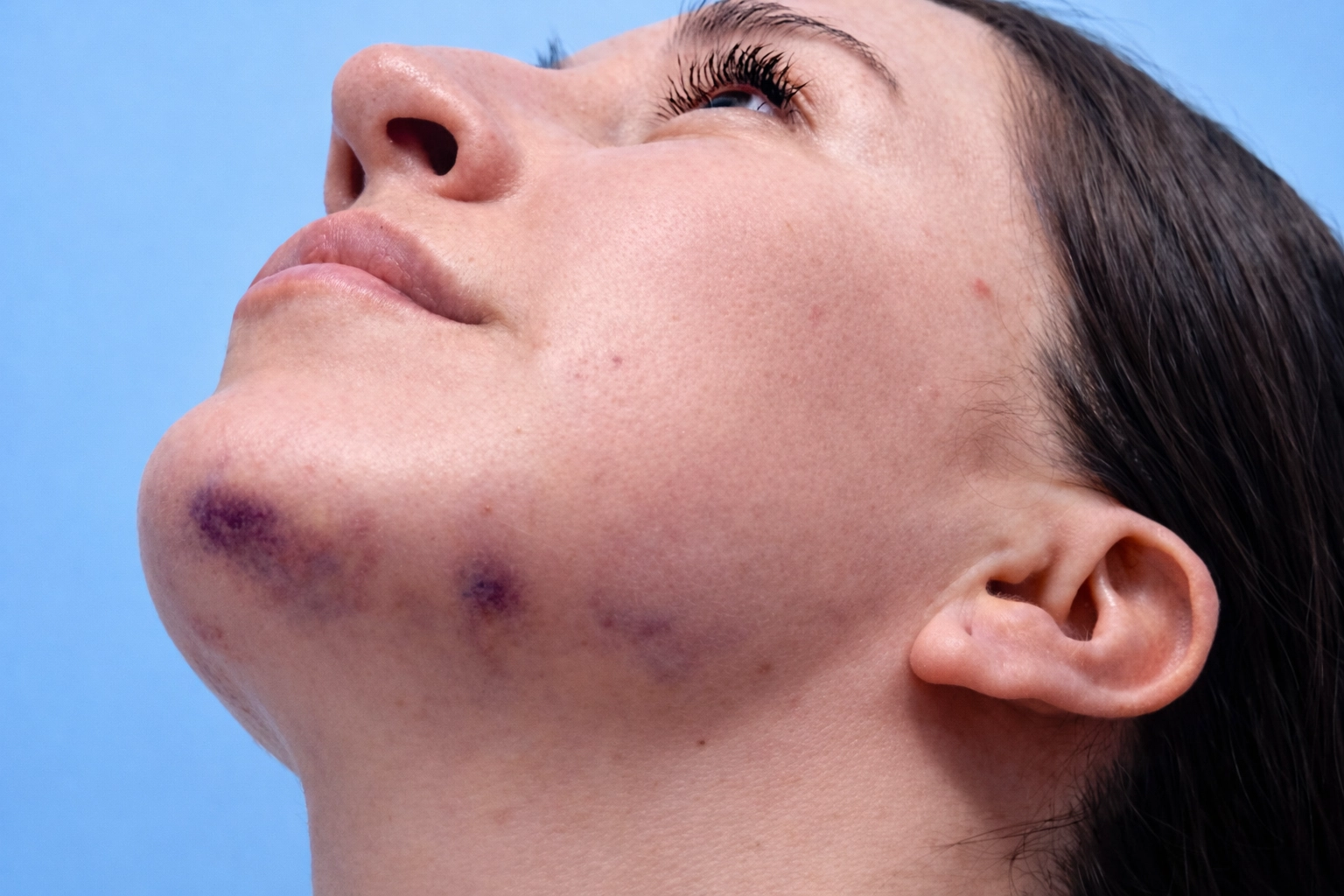
Some fillers, such as calcium hydroxylapatite, may feel firmer at first due to their interaction with tissue. This sensation often softens over time as healing occurs. Follow-up visits help doctors check progress.
Serious complications are rare but important. They include skin injury, lasting pain, vision changes, or an allergic reaction. Knowing the difference helps patients know when to seek care.
Long-Term Effects and Facial Changes
Long-term effects depend on the filler and how often it is used. Hyaluronic acid fillers slowly break down over time, while other products stimulate collagen production. Repeated injections can subtly alter tissue structure.
Questions like “Do fillers ruin your face?” often come from overuse. Using small amounts and spacing treatments reduces this risk. A related concern many patients raise is whether fillers stretch your skin, which is more closely linked to overfilling and poor planning than to properly spaced treatments.
Long-term safety improves when fillers support natural shape.
High-Risk Areas and Serious Complications
Serious problems can occur if filler enters a blood vessel. This can block blood flow and damage skin or deeper tissue. In rare cases, it may affect vision.
Risk is higher in areas with many small vessels. Slow injections and proper depth reduce this risk. Strong anatomy knowledge is critical in these regions.
Some facial areas are known to be at higher risk. Detailed discussions of high-risk anatomy, including cheek filler danger zones, help explain why injector training and anatomical knowledge are critical in these regions. Errors in these zones can block blood flow.
Rare complications include skin damage and vision loss. These events are uncommon but serious. Medical settings are best prepared to handle them quickly.
Why People Choose to Dissolve Fillers
Some patients request filler dissolution due to overfilling or product migration. Hyaluronic acid fillers can be reversed with hyaluronidase, especially when doctors inject hyaluronic acid for correction. This adds an extra safety option.
Dissolving fillers does not always mean something went wrong. Tastes and facial structure can change over time. Proper evaluation helps decide when dissolution is helpful.
Online stories often focus on extreme cases. Complications get shared more than routine outcomes. Early swelling is also frequently mistaken for final results.
This pattern can distort risk perception. Medical context helps balance these stories with real likelihood.
For examples often shared out of context, see marionette lines filler gone wrong pictures, which typically show early swelling or uncommon complications rather than typical results.
Who Should Avoid Dermal Fillers
Some people should not receive dermal fillers. Active skin infections, certain autoimmune conditions, and known filler allergies increase risk. A prior allergic reaction to injectable materials also requires careful review.
Pregnancy and breastfeeding are common reasons to delay treatment. Careful consultation helps find these risks early. Medical screening protects patient safety.
How to Improve Dermal Filler Safety
Patients can lower their risk by choosing trained medical providers. Essential factors include medical education, filler experience, and knowledge of anatomy. These matter more than cost or speed.