

Most patients pay between $7,500 and $10,000 for this surgery. This range reflects the surgeon’s skill, the quality of medical care, and the use of an accredited operating room. Final cost depends on the treatment plan and location.
Understanding the cost of transconjunctival blepharoplasty begins with understanding what the surgery entails. It also helps to know how pricing works. This article explains cost factors, what is included, and why prices differ.
At Kopelman Aesthetic Surgery, cost discussions adhere to medical regulations and safety standards. Dr. Joel Kopelman is a board-certified facial plastic and oculoplastic surgeon with extensive experience in eyelid surgery. His clinical background guides the review of pricing.
Key Takeaways
- Transconjunctival lower blepharoplasty cost usually ranges from $7,500 to $10,000.
- Price can change based on anatomy and whether surgery includes the upper and lower eyelids.
- Costs are often higher in large cities like New York.
- Insurance coverage is uncommon because the surgery is cosmetic.
- A written estimate explains what is included and what is not.
How Much Does Transconjunctival Blepharoplasty Cost
In most cases, the cost is $7,500 to $10,000. This reflects care in the delicate eye area. Online prices can be confusing. Some quotes include anesthesia and facility fees. Others do not. Knowing the normal range helps explain the difference.
The transconjunctival blepharoplasty is performed through an incision inside the eyelid. The technique addresses fat repositioning without skin removal. These factors influence surgical planning and cost.

How to Compare Blepharoplasty Cost Estimates
Cost estimates may look similar at first. They often include different services. Comparing quotes means checking details.
Patients should review the surgeon’s experience and facility type. Anesthesia and follow-up care also matter. A higher price may reflect more complete care.
Why Blepharoplasty Costs Vary Between Practices
Blepharoplasty costs vary for clear reasons. Surgeon training and facility standards play a role. The level of care also matters.
Some practices include anesthesia and follow-up visits under a single fee. Others list them separately. Understanding this helps compare estimates.
Typical Transconjunctival Blepharoplasty Price Range
Transconjunctival blepharoplasty usually costs about $7,500 to $10,000. This often includes the surgeon’s fee, the surgical facility, and basic care during and after surgery.
Extra costs may include:
- anesthesia
- lab work or medical tests
- prescription medicine
- recovery supplies
- extra follow-up visits
- added procedures like upper eyelid surgery or a brow lift
The total cost goes up if more than one area is treated. A written quote should show what is included and what costs extra.
What Affects the Cost
Several factors affect where the cost falls within the range. These explain why prices differ. Knowing them helps set expectations.
Key Cost Factors
- Surgeon experience, especially among board-certified plastic surgeons
- Surgery length and complexity
- Use of local anesthesia or other anesthesia
- Geographic location, which affects overhead
These factors shape pricing for cosmetic procedures.
Who Is a Good Candidate for Transconjunctival Blepharoplasty
This surgery is not right for everyone. It is most effective for under-eye fullness caused by fat. Individuals with sagging skin may require an alternative option.
Eye health and skin quality also matter. A medical examination helps determine whether surgery is safe. Early evaluation supports informed choices.

Transconjunctival Blepharoplasty Cost in New York City
The transconjunctival blepharoplasty cost in New York City is often higher than the national average. Most patients in NYC can expect pricing toward the upper end of the range, usually $8,500 to $10,000. Higher staffing, facility, and operating room costs contribute to this difference.
Many surgeons in New York City work in accredited surgical centers. These centers support safety and proper care but increase overhead. Patients can learn more about local eyelid surgery options through this New York City blepharoplasty overview.
Transconjunctival Lower Eyelid Blepharoplasty Cost Breakdown
This section explains how the total price is set. Lower eyelid surgery requires careful work near the eye. This affects time and skill.
The transconjunctival lower eyelid blepharoplasty cost, usually $8,500 to $10,000, often includes:
- Surgeon fee
- Covers experience and time.
- Operating room and facility fees
- Covers staff, equipment, and safety.
- Anesthesia services
- Often includes local anesthesia and monitoring.
- Post-operative care
- Includes follow-up visits during recovery.
This cost does not include other cosmetic procedures. Adding upper eyelid surgery or a brow lift raises the price. Treating both eyelids requires more planning.
What Is Not Included in the Quoted Cost
Not all services are included in the quoted price. Some costs depend on personal needs. These details are reviewed during planning.
Common exclusions include prescription drugs and extended recovery support. Travel and time off work are not included. Reviewing exclusions helps avoid confusion.
What Happens During the Blepharoplasty Procedure
The blepharoplasty procedure follows a clear medical plan. Before surgery, the surgeon reviews anatomy and health history. This helps guide safe care.
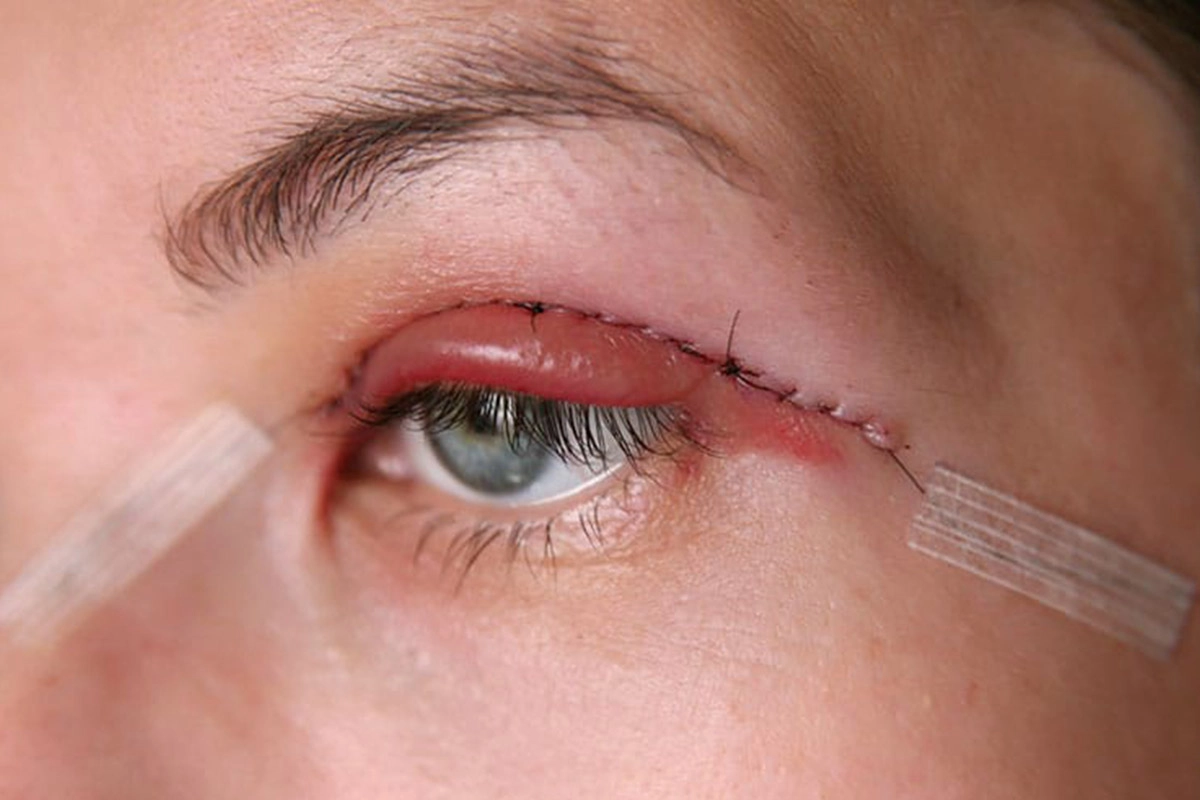
The transconjunctival method uses an incision inside the eyelid. This avoids visible cuts. Many cases use local anesthesia with monitoring.
Will Insurance Cover Blepharoplasty Costs
Insurance coverage depends on the reason for the surgery. Transconjunctival blepharoplasty is usually a cosmetic surgery. Insurance rarely covers it.
In rare cases, insurance may review surgery done to improve vision. This requires testing and proof. Patients should confirm the benefits early and review these questions to ask before a blepharoplasty.
Side Effects and Recovery After Transconjunctival Lower Blepharoplasty
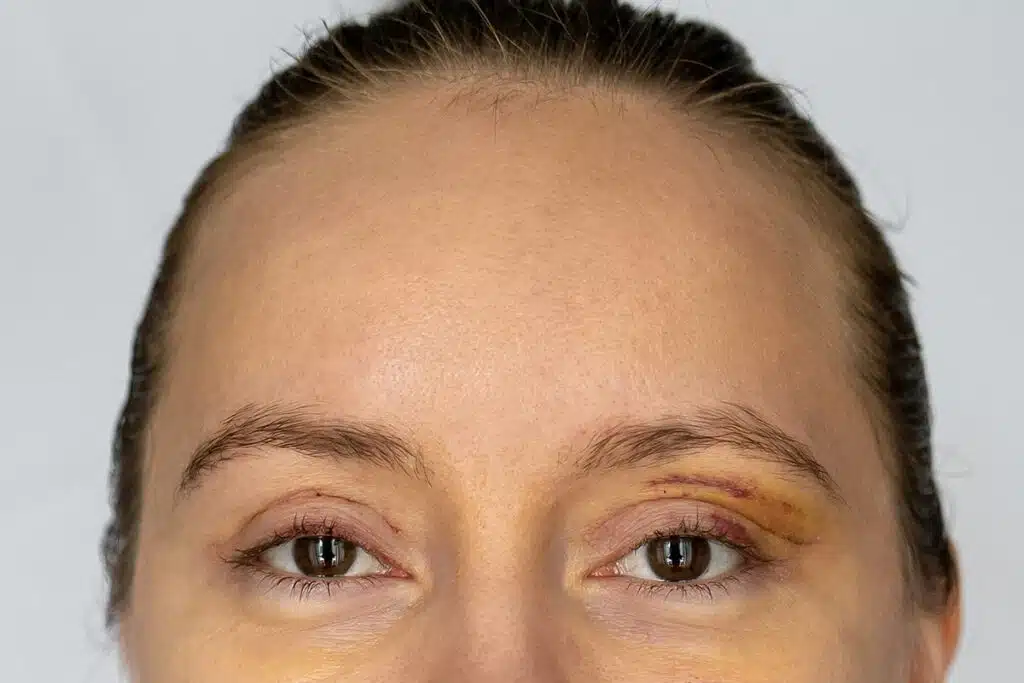
All cosmetic surgery has risks. Common effects include swelling and bruising. These usually improve with time.
Recovery includes postoperative care and follow-up visits. Recovery time varies, but many patients return to normal activity within weeks. More details on blepharoplasty recovery are provided in this guide.
How Recovery Time Can Affect Overall Cost
Recovery time affects planning. Surgery costs remain the same, but time off work may incur indirect costs. Planning ahead helps reduce stress.
Most patients return to daily routines within weeks. Follow-up care is part of recovery. This helps patients plan financially.
Before and After Results
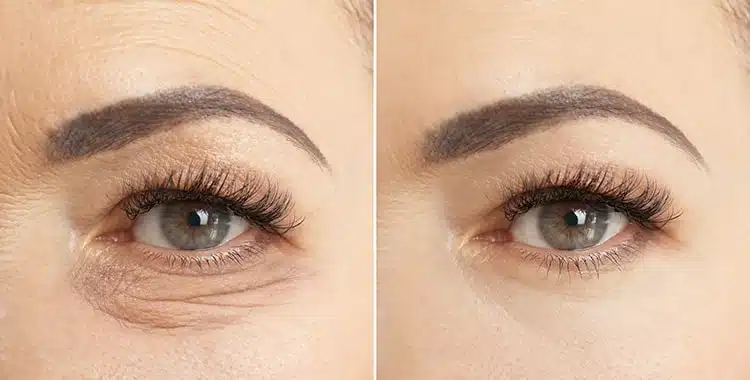
Patients often evaluate eyelid surgery outcomes using before-and-after photographs. These images show common changes, not guarantees. Results vary.
Lower blepharoplasty before and after outcomes depend on healing. The transconjunctival method avoids visible scars. Anatomy matters.
Transconjunctival vs Other Blepharoplasty Costs
Costs vary by technique and the condition being corrected.
- Transconjunctival lower blepharoplasty targets under-eye fat through an internal incision. This costs around $8500.
- No external scar
- Shorter recovery
- Often lower cost when skin removal is not needed
- Traditional lower blepharoplasty addresses loose skin and muscle using an external incision. This costs around $8500.
- Visible incision line under the lashes
- Longer recovery
- Higher cost due to added surgical steps
- Laser blepharoplasty uses lasers to assist with cutting or resurfacing. Light laser rejuvenation around the eyes often costs about $500 to $4,000.
- May improve precision or skin texture
- Does not replace surgical skill
- Cost varies and may increase the total price
Understanding which concern is being treated helps explain why prices differ.
Financing and Payment Considerations
Some practices offer financing options. These allow payments over time. Approval depends on the provider.
Discussing payment early helps reduce stress. Clear cost talks support informed decisions.
Consultation and Pre-Surgical Planning
A consultation allows review of anatomy and health history. It also helps confirm whether surgery is appropriate for the eye area and goals. Cost, recovery time, and planning are discussed.
Meeting with Dr. Joel Kopelman allows for questions about risks and postoperative care. This step supports informed decision-making prior to surgery.