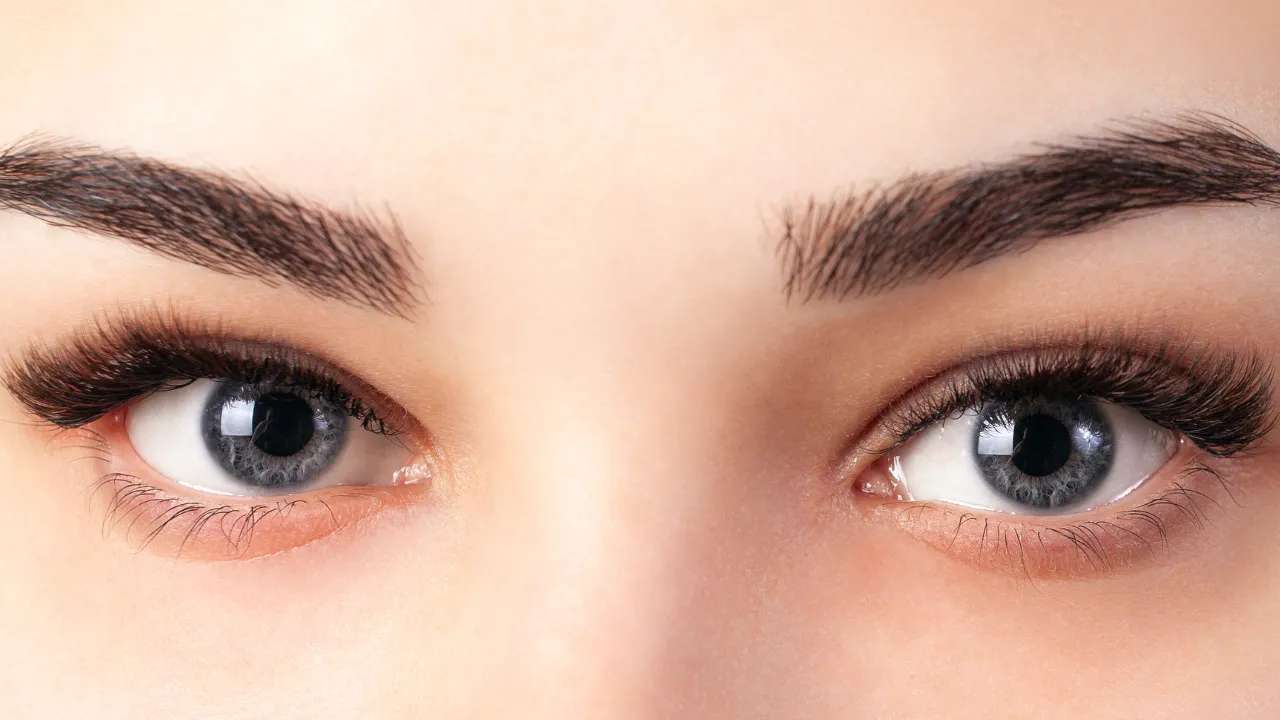

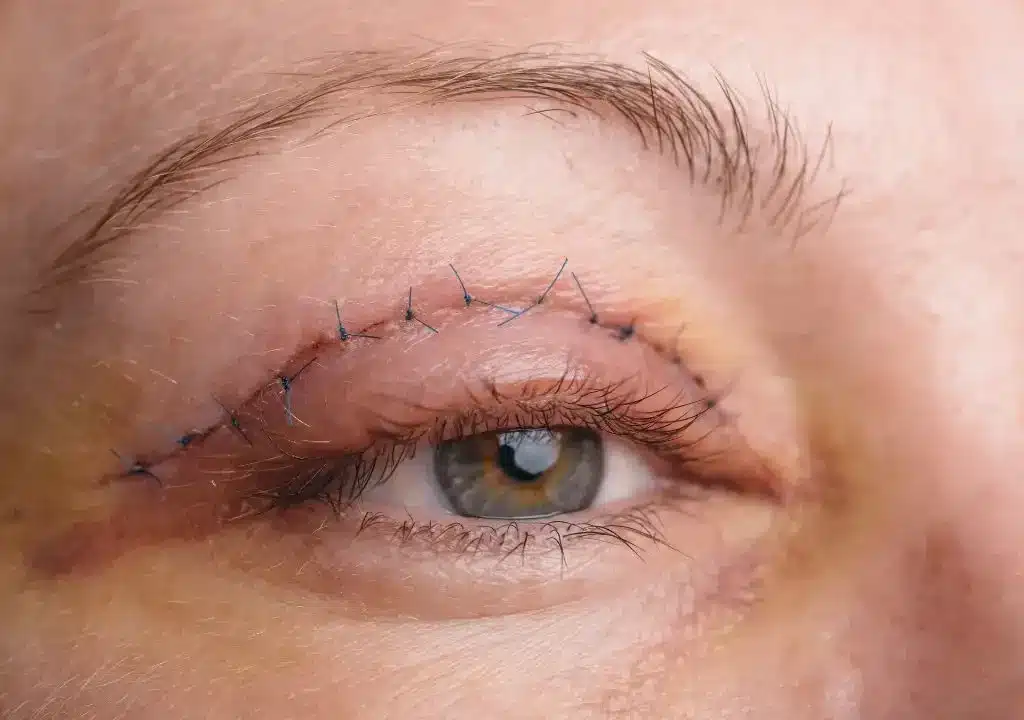
Suture blepharoplasty is a type of eyelid surgery that creates a clear crease using small stitches instead of a long cut. The surgeon selects special blepharoplasty sutures, either absorbable or non-absorbable, to hold the fold and give a natural look.
This method offers a precise way to improve eyelids with little scarring and is a trusted option within modern cosmetic surgeries and plastic surgery.
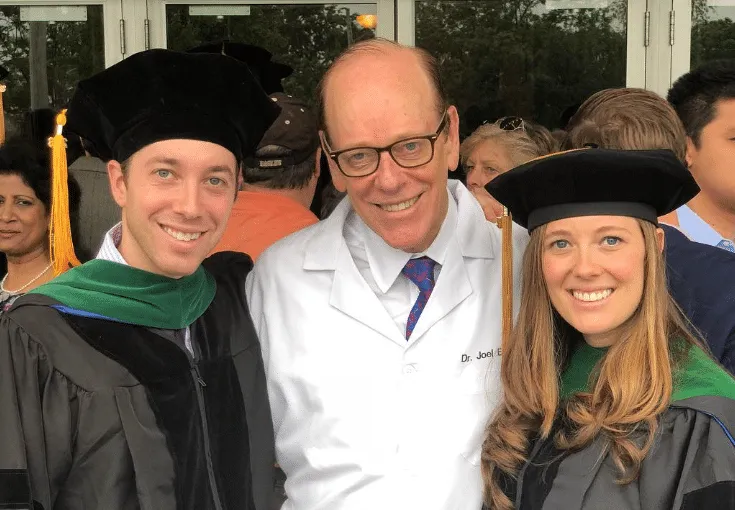
At Kopelman Aesthetic Surgery in New York City, Dr. Joel Kopelman brings more than 35 years of skill to eyelid procedures. In this guide to suture blepharoplasty, he explains the steps, suture choices, and surgery recovery tips that help patients get safe and natural results.
Key Takeaways
- Suture blepharoplasty creates a clear eyelid crease with small stitches and gives a shorter recovery with less scarring.
- Patients with thin eyelid skin and little extra tissue are the best candidates, while those with heavy eyelids may need an incisional method for lasting results.
- Blepharoplasty sutures can dissolve on their own or need removal, usually within one to two weeks.
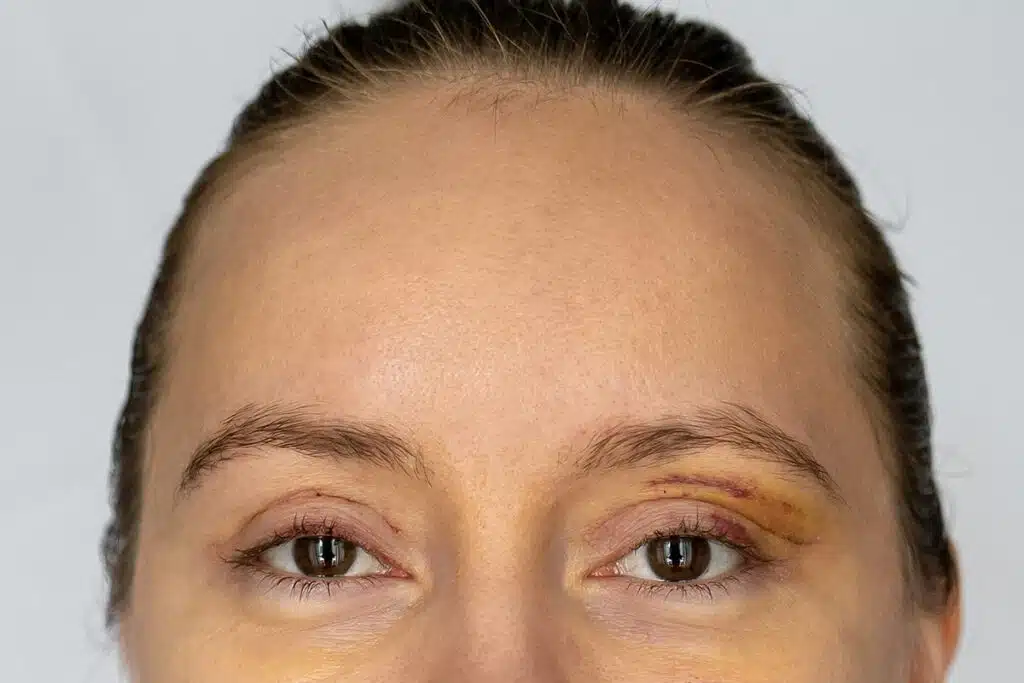
- Most patients see mild swelling and bruising that improve in the first two weeks, and proper care keeps the crease stable for months after surgery.
- Complications like suture bumps, granulomas, or short-term unevenness are rare and can be treated by a surgeon.
Overview of Suture Blepharoplasty
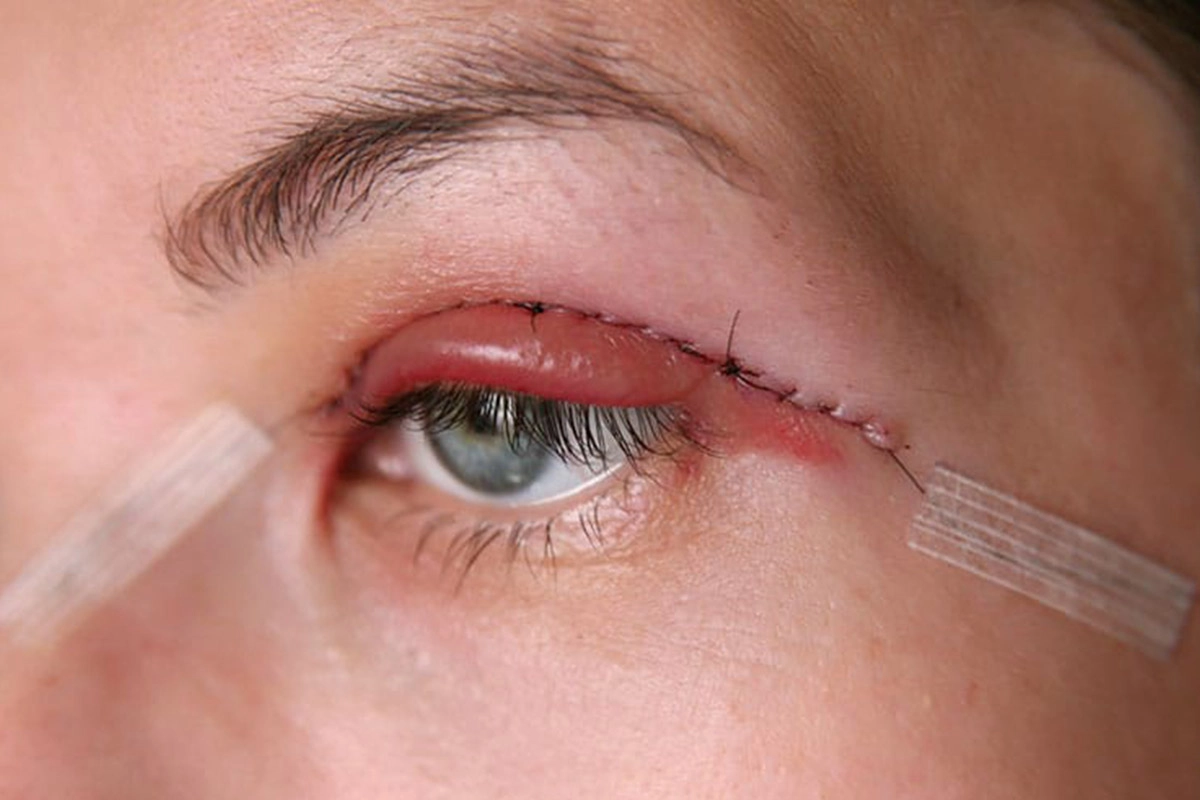
Suture blepharoplasty is a less invasive eyelid surgery that makes or improves the eyelid crease using stitches instead of a long cut. Surgeons place fine blepharoplasty sutures under the skin to hold the fold while leaving only tiny entry points.
This reduces scarring and helps the eyelid heal faster than a standard method that requires long blepharoplasty incisions. For patients considering upper blepharoplasty but hoping to avoid a larger incision, the suture method can provide a similar crease with less downtime when anatomy allows.
What the procedure involves
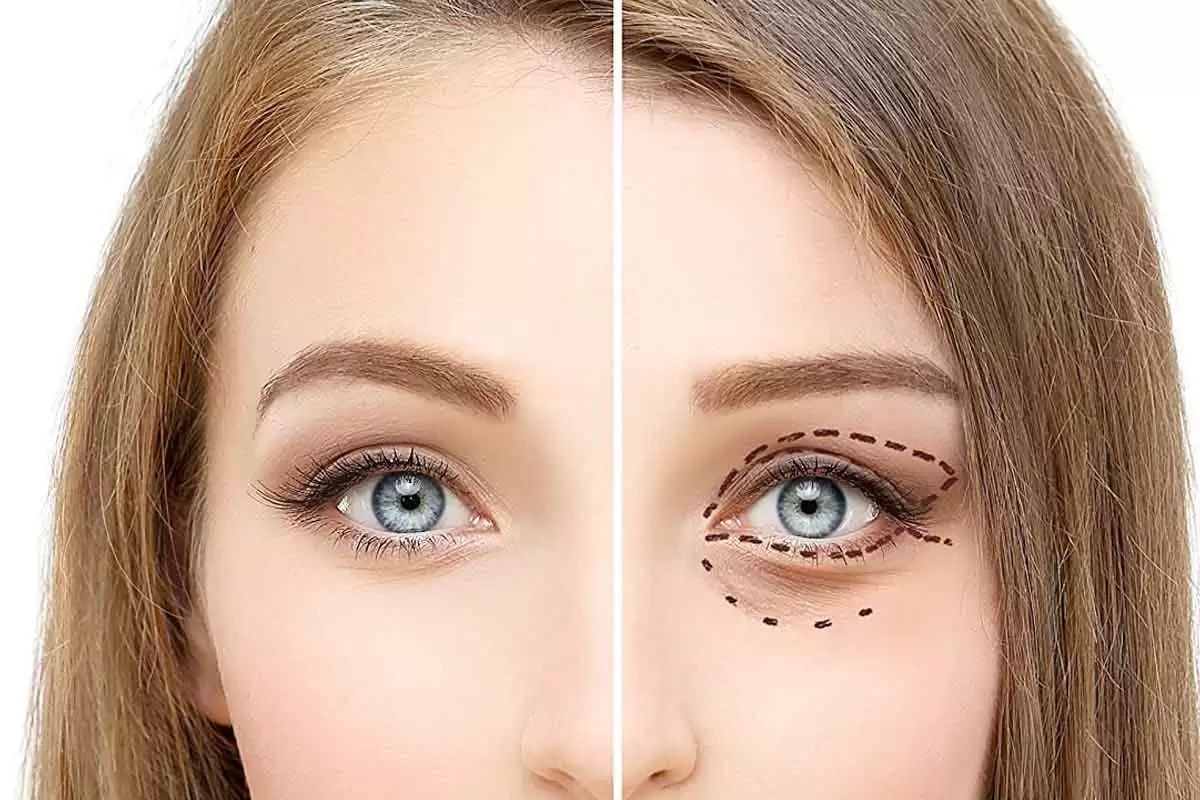
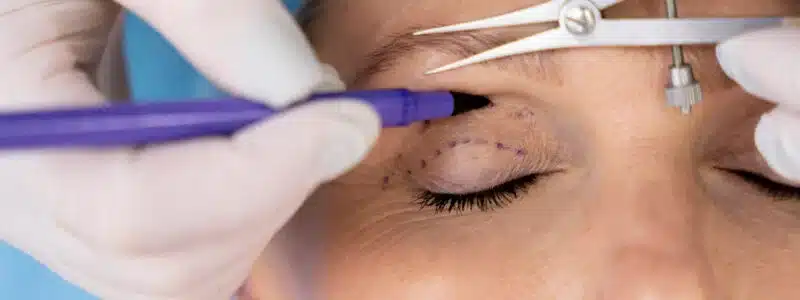
The surgeon marks the new crease and passes thin threads through small openings. These threads are tied to hold the eyelid tissue and shape the crease. The surgery is done with local anesthesia and usually takes less than an hour. Some cases may also involve gentle work around the medial fat pads to create a smooth and natural fold.
When surgeons use a suture for eyelid surgery
A suture for eyelid surgery works best for patients with thin skin, little fat, and no need for tissue removal. It is often chosen for double eyelid surgery or to fix a weak or uneven fold. Guidance from experts, such as those in a department of ophthalmology, helps ensure the procedure is safe and well planned.
Suture Techniques and Types
Technique and suture choices
The steps include planning the crease, placing even stitches, and adjusting tension for balance. Blepharoplasty sutures can be absorbable, which dissolve on their own, or non-absorbable, which the surgeon removes after healing.
A Prolene suture is one example of a strong non-absorbable material that some surgeons prefer for reliable support. The suture size is chosen based on eyelid thickness and the shape of the desired crease.
Subcuticular method
A subcuticular method places the suture just under the skin surface. This hides the stitch and helps create a smooth crease with little visible mark.
Candidate Comparison: Suture vs Incisional
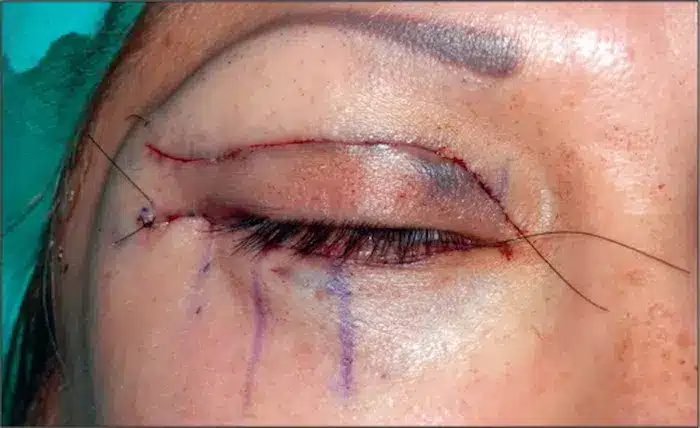
Suture blepharoplasty suits patients with thin eyelid skin, little fat, and no extra skin. The incisional method is better for people with heavy eyelids or more loose skin that needs removal.
Both techniques can make a clear fold, but the incisional method gives more permanent results. Suture methods may loosen over time, especially in thicker eyelids.
Aftercare and Suture Removal
Suture removal and recovery
Non-absorbable sutures are usually removed in 4 to 7 days after surgery, while absorbable ones dissolve in one to two weeks. Mild swelling and bruising are common in the early postoperative period and improve with cold compresses and by keeping the head raised.
Patients should avoid excessive rubbing or pressure on the eyelids during this time to protect the new crease. By the end of the second week, swelling fades and most patients return to normal routines.
Common Suture Issues
Results and possible concerns
Studies show high patient satisfaction and stable results for several years, though a small number may see slight loosening over time. Small bumps or knots can appear along the suture line and usually fade on their own or with a simple in-office adjustment.
Other uncommon issues include small infections, short-term unevenness, or partial loosening of the crease. Regular checkups help track healing in the first months after surgery and during the important days after surgery when the tissues are still settling.
Choosing the Best Approach
Patient factors and surgeon expertise
Skin thickness, eyelid shape, and the amount of fat help decide if a suture blepharoplasty is the right choice. Patients with significant extra skin may do better with an incisional method. Dr. Joel Kopelman’s long experience allows him to select the right suture type, technique, and tension to create a natural and balanced eyelid contour.
If you are considering suture blepharoplasty or upper blepharoplasty, Dr. Joel Kopelman and the team at Kopelman Aesthetic Surgery are ready to guide you. Schedule a private consultation to discuss your goals, review treatment options, and create a plan tailored to your needs.