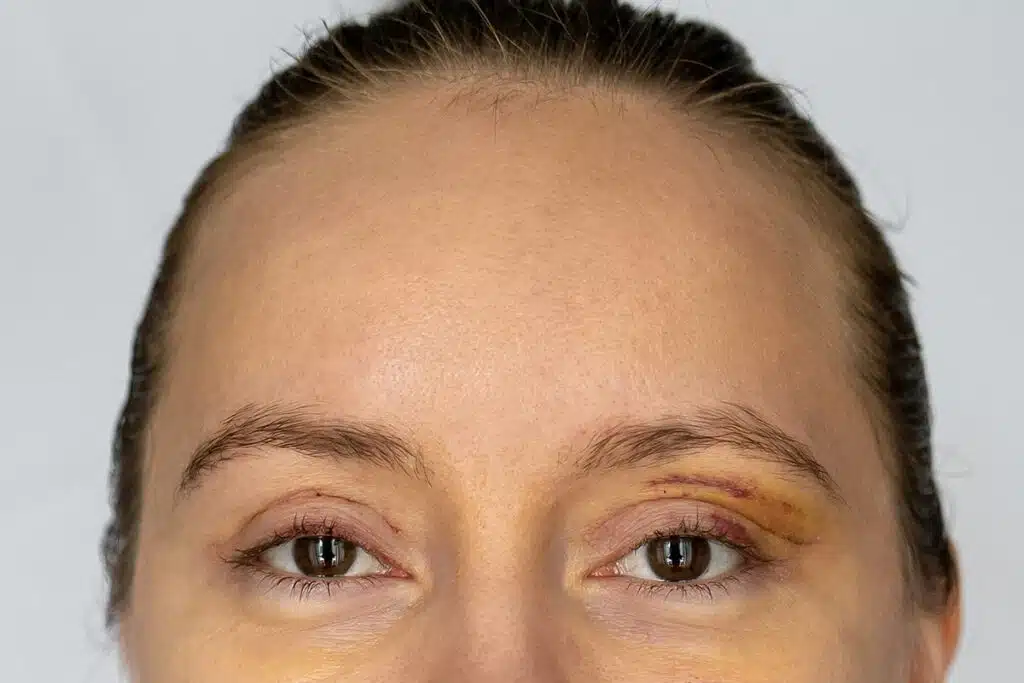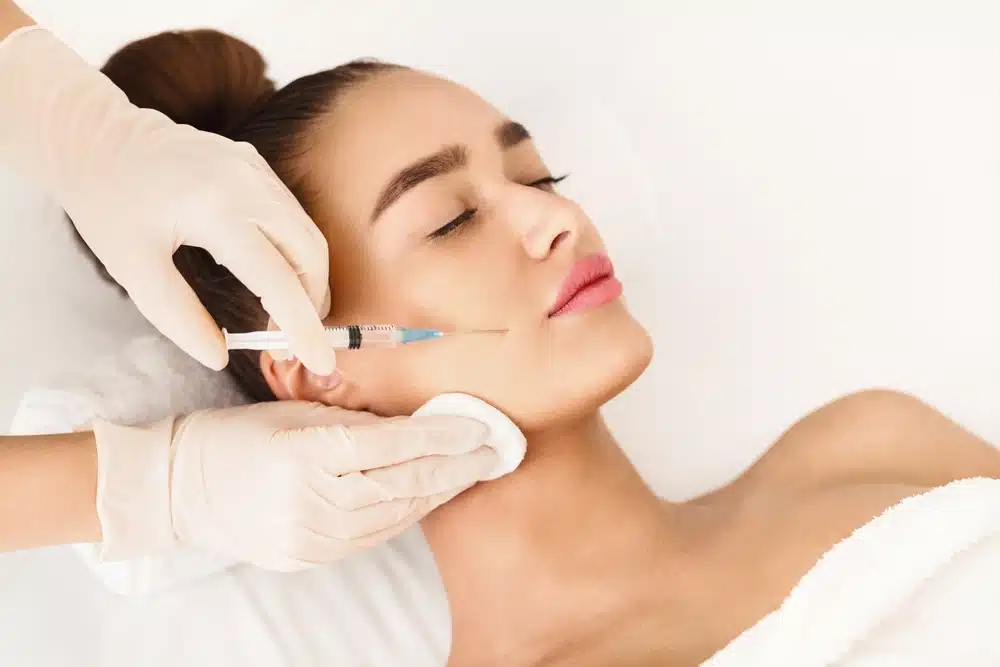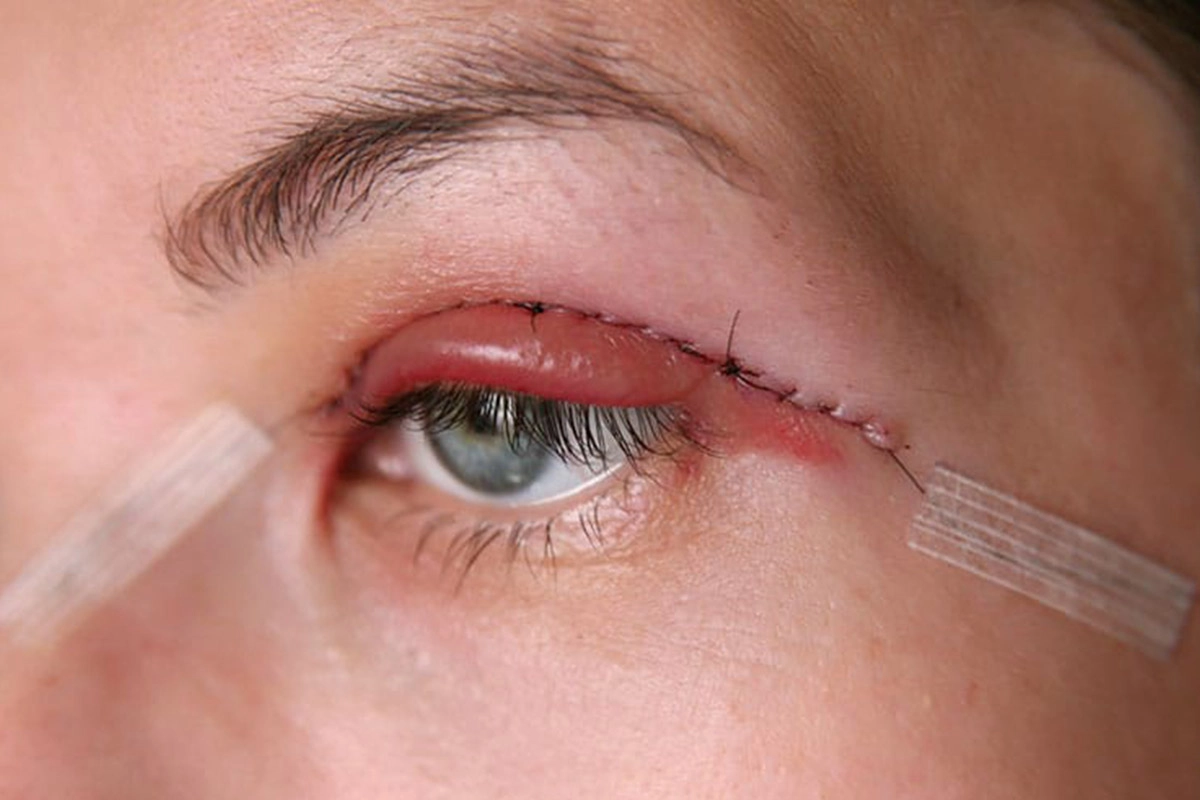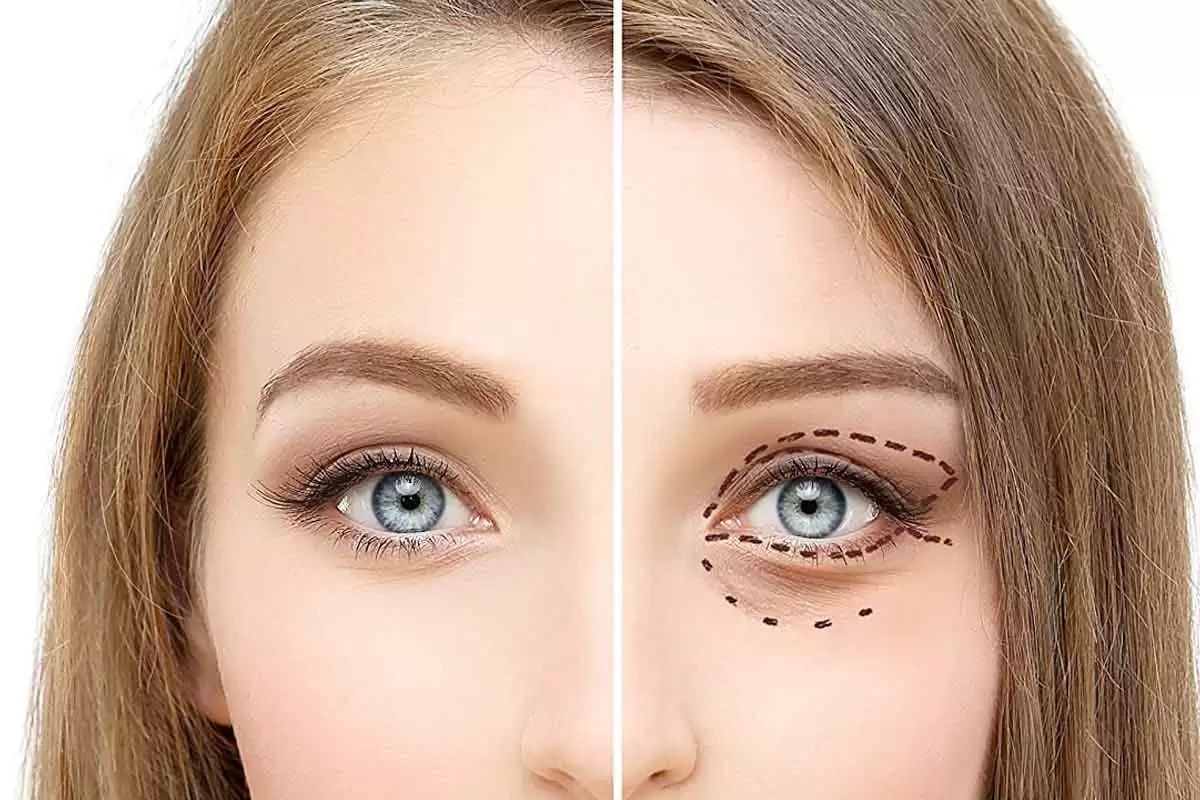

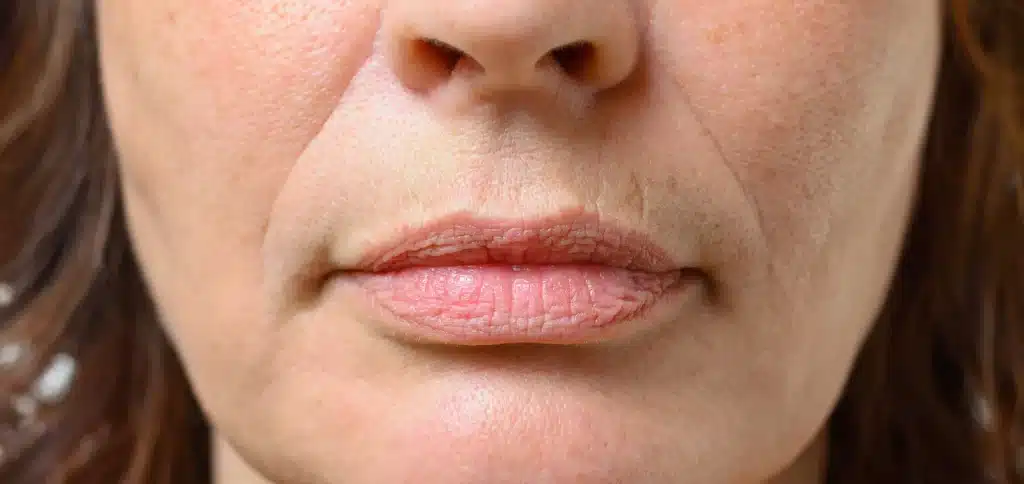
Comparisons of lines around the mouth before and after help explain how aging affects the mouth area. They also show what medical treatments can and cannot change.
This article explains why these lines form, how doctors review them, and how treatment choices are made. It is an educational overview of clinical care at Kopelman Aesthetic Surgery and the work of Dr. Joel Kopelman, a facial plastic and oculoplastic surgeon.
Key Takeaways
- Upper lip wrinkles and lines around the mouth develop from muscle movement, volume loss, and sun-damaged skin. Treatment usually softens lines rather than removing them entirely.
- Before-and-after images help set realistic expectations by showing changes in texture and contour. They also show that results vary based on skin quality and anatomy.
- Botox and fillers treat different causes of mouth lines. Botox reduces muscle motion, while fillers restore support, so the right option depends on the type of line.
- Skin care may improve hydration and fine lines, but it cannot replace lost volume or fix deep folds. Medical treatment is often needed for structural changes.
- Results vary due to skin thickness, elasticity, technique, and product choice. These factors explain why outcomes differ between patients.
Clinical Evaluation Before Treatment
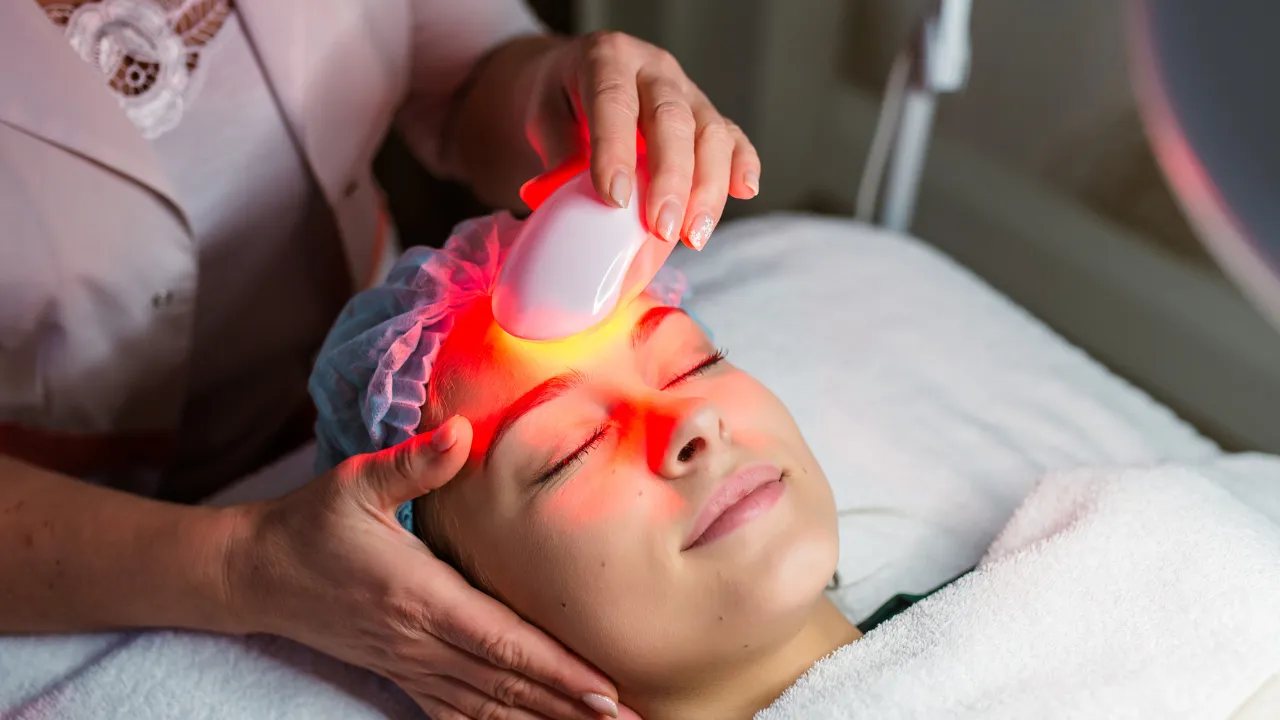
Before reviewing upper lip wrinkles, clinicians first study how the mouth moves and rests. They look at skin thickness, muscle use, and how the lips and corners of the mouth shift when speaking.
Dr. Kopelman treats this step as an evaluation, not a treatment plan, to understand what causes each line.
This process helps separate surface fine lines from deeper folds caused by volume loss. It also helps decide whether lip wrinkles before and after treatment may respond to Botox, filler support, or no treatment. This step sets clear expectations before any comparison images are reviewed.
What the Before and After Results Show
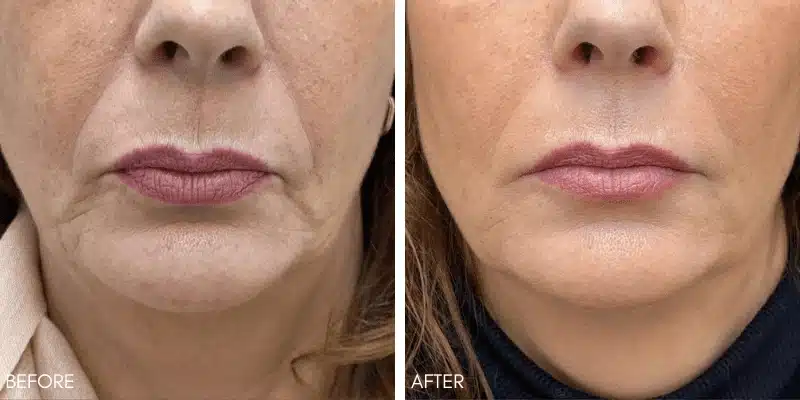
Before-and-after images show changes in skin texture, crease depth, and lip shape. These photos help explain how lip wrinkles may appear before and after treatment under similar lighting and facial expressions. They often show improvement rather than complete line removal.
Images also show differences between people with fine lines and those with deeper folds. Skin thickness, elasticity, and volume loss affect how results appear. This explains why similar treatments can lead to different outcomes.
How Clinicians Interpret Before and After Images
Doctors study more than surface changes when reviewing before-and-after images. They look at how deep lines appear at rest and during movement. They also review how the lips relate to nearby areas of the face.
For example, shallow fine lines may smooth more than deep folds. Deeper lines often look softer but remain visible. These examples show that images reflect variation, not identical results.
Why Lines Form Around the Mouth
Lines around the mouth form from repeated movement and skin aging. Over time, collagen and elastin decrease, which weakens skin support. Sun damage also speeds up this process and makes lines more visible.
Aging also leads to volume loss in the lips and cheeks. This reduces support for the lower face and deepens folds near the corners of the mouth. Muscle movement during speech and expression adds to these changes.
Types of Mouth Lines Before and After
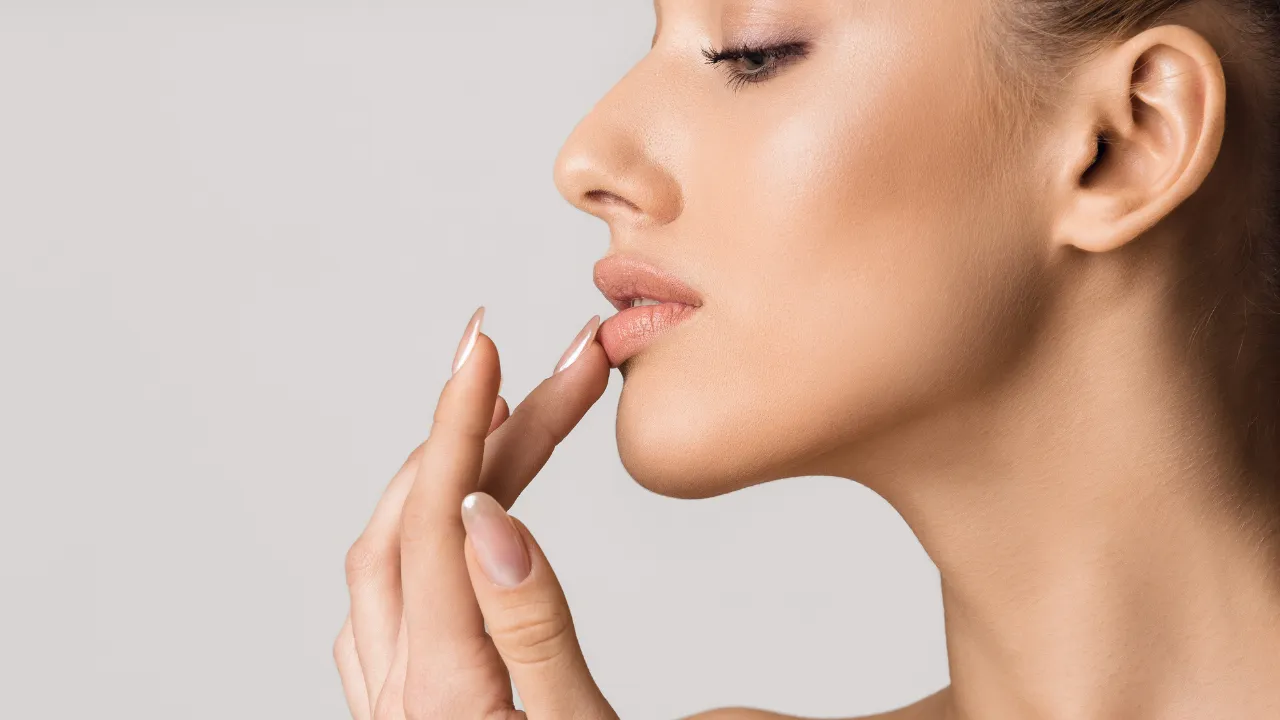
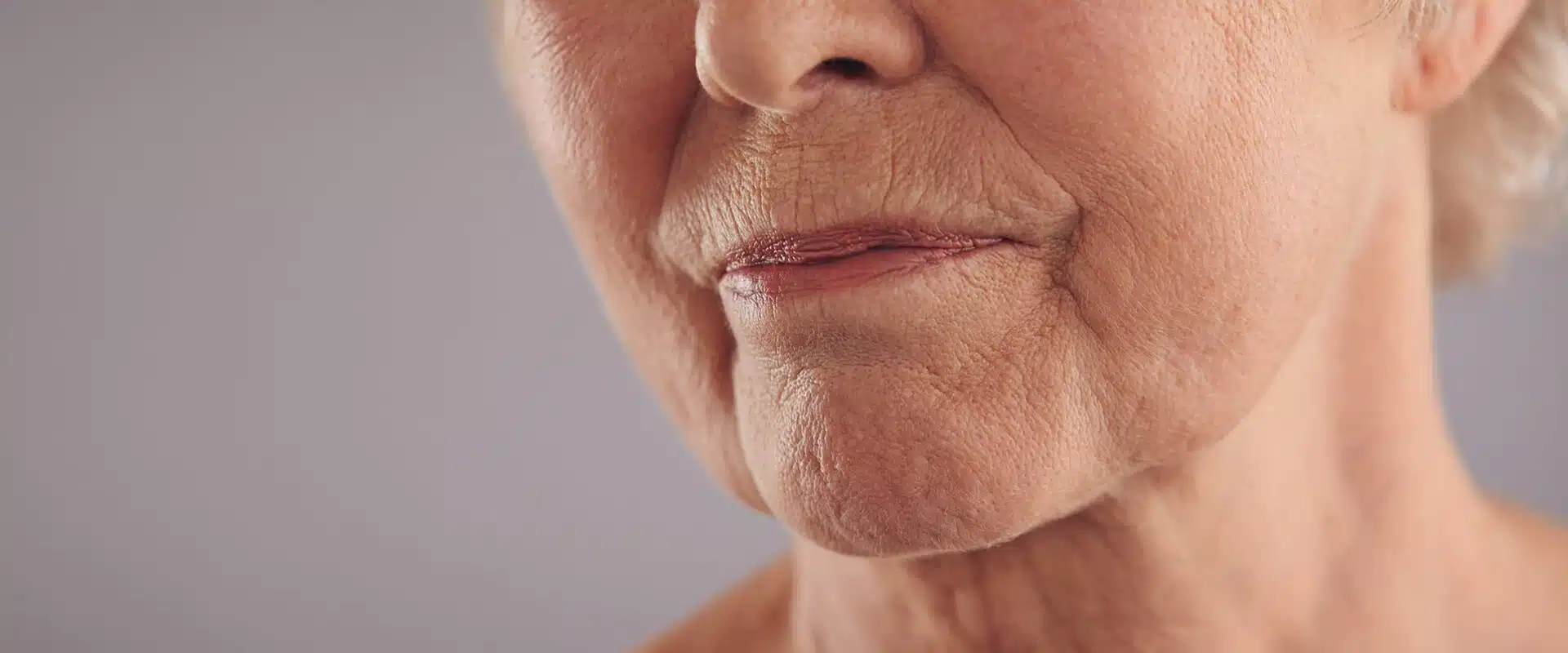
Mouth lines appear in different patterns based on cause and depth. Vertical lip lines form above the upper lip and show more during movement. These vertical lip lines often occur in people with thin skin.
Smoker lines describe tight vertical creases around the lips. They can appear even in people who have never smoked. The term comes from the puckering motion often called smoker behavior. Marionette lines extend downward from the corners of the mouth and may blend with the nasolabial fold.
Botox and Filler Results for Mouth Lines
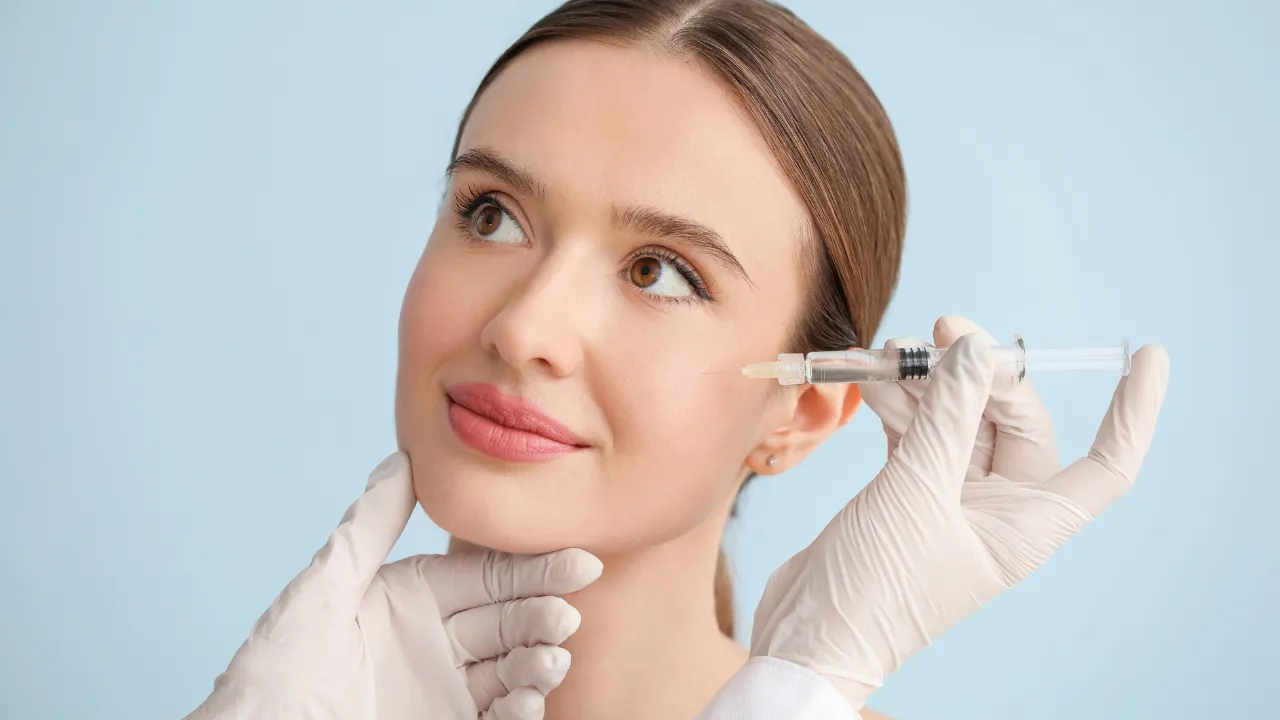
Botox reduces muscle activity that causes some lines, as explained in this guide to Botox in NYC. In lines around the mouth before and after Botox examples, changes are usually mild and focused on movement. Careful use helps protect speech and lip control.
Fillers treat structure rather than movement. In marionette lines, Botox may show limited results when volume loss is present. In these situations, hyaluronic acid fillers often provide better support by restoring shape, as shown in these Botox before and after pictures.
Filler Results Around the Mouth
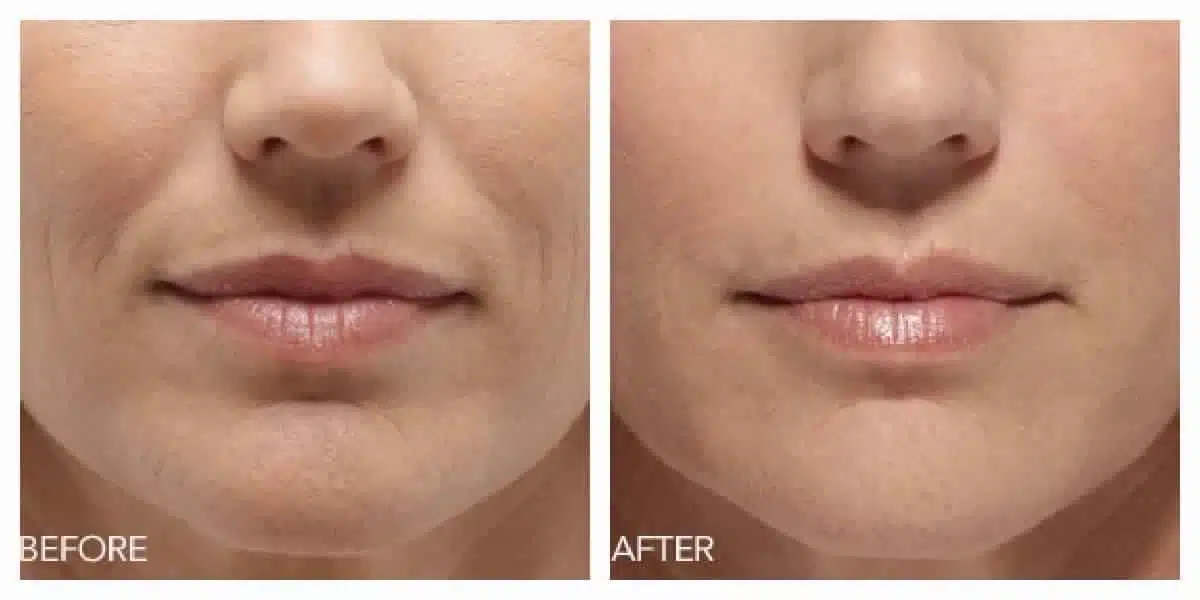
Lip lines before and after fillers examples often show smoother skin along the lip edge. Lip fillers can be placed in small amounts to support the skin. This helps avoid stiffness or an overfilled look.
Lines around the mouth and cheek treatment show how cheek support affects mouth lines. When the midface regains volume, stress on the lower face decreases. Before-and-after pictures of fillers around the mouth often reflect this indirect change.
Best Treatment for Lines Around the Mouth
The best treatment depends on line type, depth, and facial structure. A filler treatment may help static lines, while Botox may reduce motion-related lines. Some patients benefit from using both methods together.
Treatment for lines around the mouth planning includes reviewing lip shape and facial balance. Lip enhancement may help when thinning adds to the appearance of aging. Patients interested in this approach can review this overview of facial fillers in NYC.
Can Mouth Lines Improve Naturally?
Many people ask how to naturally get rid of lines around the mouth. Skin care can improve moisture and texture, but cannot restore lost support. It may help fine lines, but not deep folds.
Vaseline can reduce dryness and make skin look smoother. Whether Vaseline is good for wrinkles around the mouth depends on expectations. It does not rebuild collagen or volume.
Natural care works best as support, not correction. More details are available in this guide on how to diminish wrinkles around the mouth.
Why Results Vary Between Patients
Observable Factors That Influence Results
Results differ due to visible physical factors. Skin thickness affects how fillers spread under the skin. Elasticity affects how skin moves after treatment. Muscle pull around the mouth also shapes results.
Sun damage can weaken skin and make fine lines last longer. The position of the nasolabial fold and corners of the mouth also changes how volume loss appears. These factors explain differences more clearly than general statements.
Results also depend on how products are placed. Injection depth and angle affect the shape and movement of the injection. Product choice matters because formulas behave differently in thin skin.
Who Is a Good Candidate
Good candidates understand the limits of treatment and have realistic goals. Early changes respond differently from advanced volume loss. Skin health and facial balance also affect suitability.
A consultation helps decide if lip fillers, Botox, or no treatment is best. Some people benefit more from skin care and follow-up. Individual review guides safe choices.
What to Expect After Treatment
After treatment, mild swelling or soreness may occur. This usually resolves within a few days. Patients are often advised to avoid pressure or heavy movement at first.
The final appearance develops as swelling fades and the filler settles. Follow-up visits allow balance checks if needed. Dr. Joel Kopelman notes that careful planning supports natural changes over time. Patients who want individualized guidance can consider scheduling a consultation to review anatomy, options, and expectations in a clinical setting.