

Dermal fillers are not permanent in most cases – the vast majority break down naturally over time. When people ask whether filler is permanent, the answer is usually no, especially for commonly used facial fillers made to allow adjustment as the face changes.
This article explains how long fillers last, why some effects seem long-lasting, and the limits of their impact, using a clinical approach similar to that used by Dr. Joel Kopelman at Kopelman Aesthetic Surgery.
Key Takeaways
- Most dermal fillers are not permanent and slowly break down in the body.
- Some results last longer due to tissue changes, not because the filler stays forever.
- Longevity depends on the type of filler, facial area, and individual biology.
- Permanent fillers and semi-permanent dermal fillers carry a higher long-term risk and may cause delayed side effects.
- Careful planning helps support natural-looking results and long-term safety.
Are Fillers Permanent or Temporary?
Short answer explained
Most fillers used today are temporary. They restore volume for a set period of time, then fade as the body absorbs them. This makes a filler treatment a minimally invasive option compared to surgery.
When people ask whether fillers are permanent, the answer is usually no. Many treatments use hyaluronic acid-based filler products, which are designed to dissolve and are often used to soften fine lines.
Can fillers become permanent?
Fillers do not turn into permanent material. Some effects last longer because the skin produces collagen or because treatments are repeated. This does not mean the filler itself remains forever.
Some products, such as poly L-lactic acid, stimulate collagen production rather than adding direct volume. These fillers are often described as semi-permanent dermal fillers because their visible effects can last longer, even though the material itself breaks down.
Do Fillers Ever Completely Go Away?
How fillers break down
Temporary fillers break down through normal body processes. After the filler injected settles into the tissue, the body gradually absorbs it. Blood flow and movement affect how fast this happens.
Typical filler duration includes:
- Temporary fillers: about 6 to 12 months
- Longer-lasting or semi-permanent dermal fillers: about 12 to 18 months
These timelines vary by product, placement, and individual metabolism.
Is Filler Permanent on the Face?
Filler does not last the same in all facial areas. Lips and smile lines move often, so filler fades faster there. Cheeks and jaw areas move less and usually hold filler longer.
Many facial fillers are used to correct volume loss, which increases with age. Because each area ages at different rates, results fade at different rates.
Types of Dermal Fillers
Temporary fillers
Temporary fillers include hyaluronic acid-based fillers and some calcium-based fillers. These fillers dissolve over time and may be reversed. Most modern injectable treatments rely on this approach.
A hyaluronic acid-based filler blends into the skin and attracts moisture. This supports smoother texture and balanced contours. For patients considering options, understanding which fillers are most popular can help clarify which products are most commonly used in modern practice.
Permanent fillers
Permanent fillers are made from synthetic materials that the body cannot break down. Examples include products containing polymethylmethacrylate (PMMA) microspheres, which remain in the tissue indefinitely once placed. These fillers were developed to provide lasting volume but are rarely used today.
Because permanent fillers do not dissolve, any long-term issue, such as firmness, asymmetry, or migration, can be challenging to correct. For these reasons, many facial plastic surgeons approach permanent fillers with caution.
Is Permanent Filler Safe?
Permanent fillers carry a higher risk because they cannot dissolve. If problems occur, treatment may require surgery instead of simple injections. Common side effects may include firmness, asymmetry, or delayed swelling.
Permanent material does not change as the face ages. Because of this, Dr. Joel Kopelman and many facial plastic surgeons advise caution when considering permanent fillers or semi-permanent dermal fillers.
Can Permanent Fillers Be Removed?
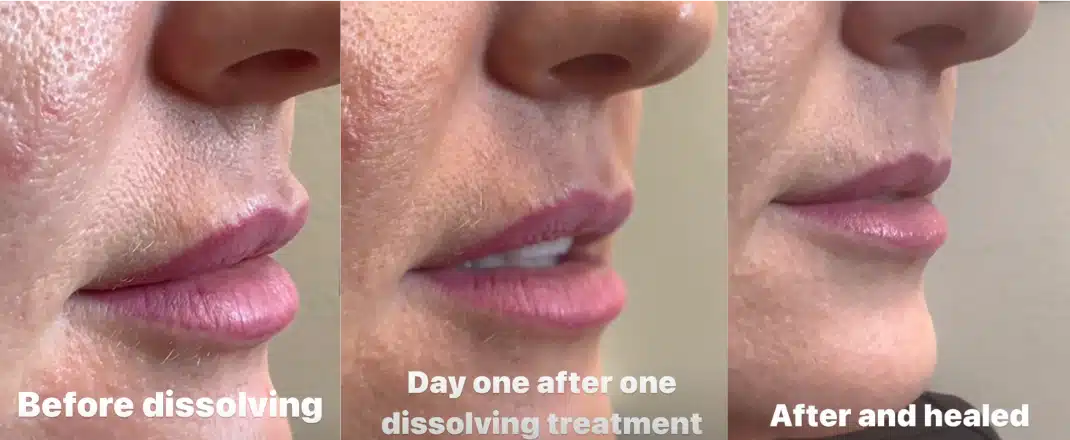
Permanent fillers cannot be dissolved with medication. Unlike temporary fillers, no injection can safely break them down once they are in place. This makes corrections more complex if problems develop.
Temporary fillers and some semi-permanent dermal fillers are easier to manage because they fade naturally. This flexibility helps maintain optimal results over time.
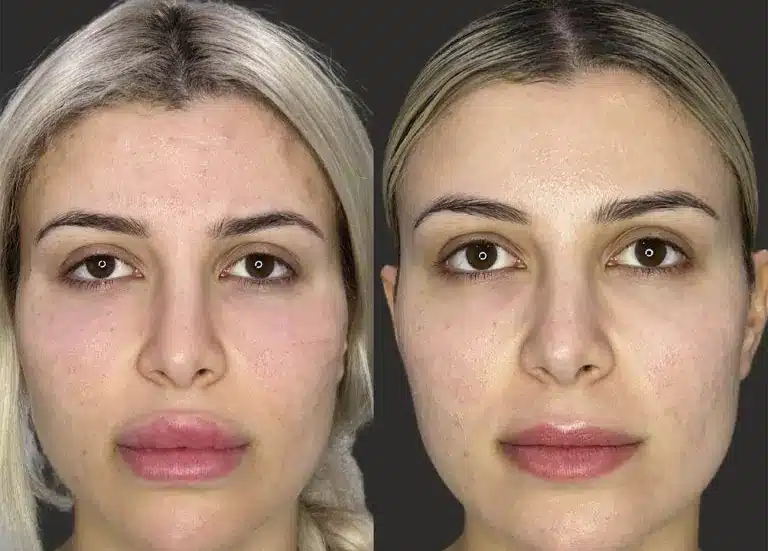
Concerns about long-term appearance often lead patients to ask whether fillers ruin your face, especially when permanence limits correction options.
Choosing the Right Filler Option
Choosing a filler means balancing how long it lasts with safety and flexibility. Temporary fillers allow changes as facial shape and volume change over time. When evaluating the best facial fillers, factors such as safety, reversibility, and facial anatomy are often more important than how long a product lasts.
A trained facial plastic surgeon can review anatomy and treatment goals. At practices like Kopelman Aesthetic Surgery, planning focuses on safety, structure, and achieving natural-looking results rather than permanence alone.
If you have questions about filler options or want a personalized assessment, you can schedule a consultation to discuss your concerns in a clinical setting. A qualified facial plastic surgeon can review your anatomy, goals, and medical history to help determine the most appropriate approach.