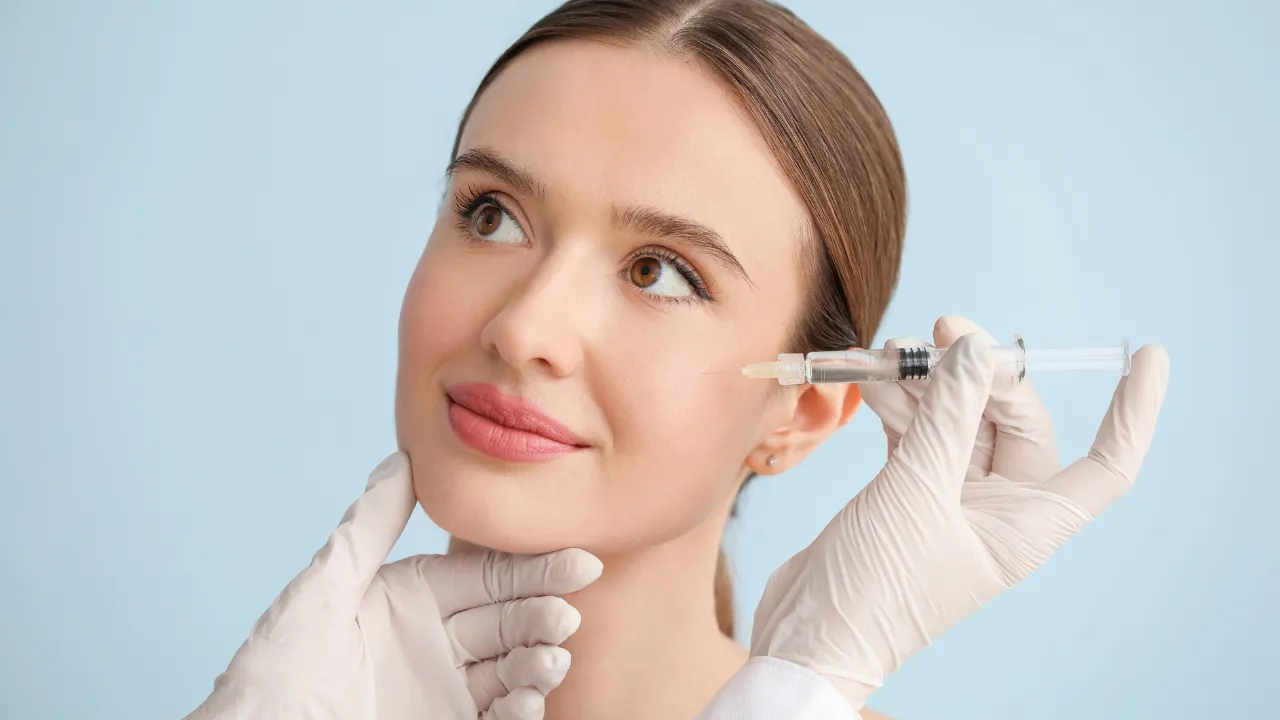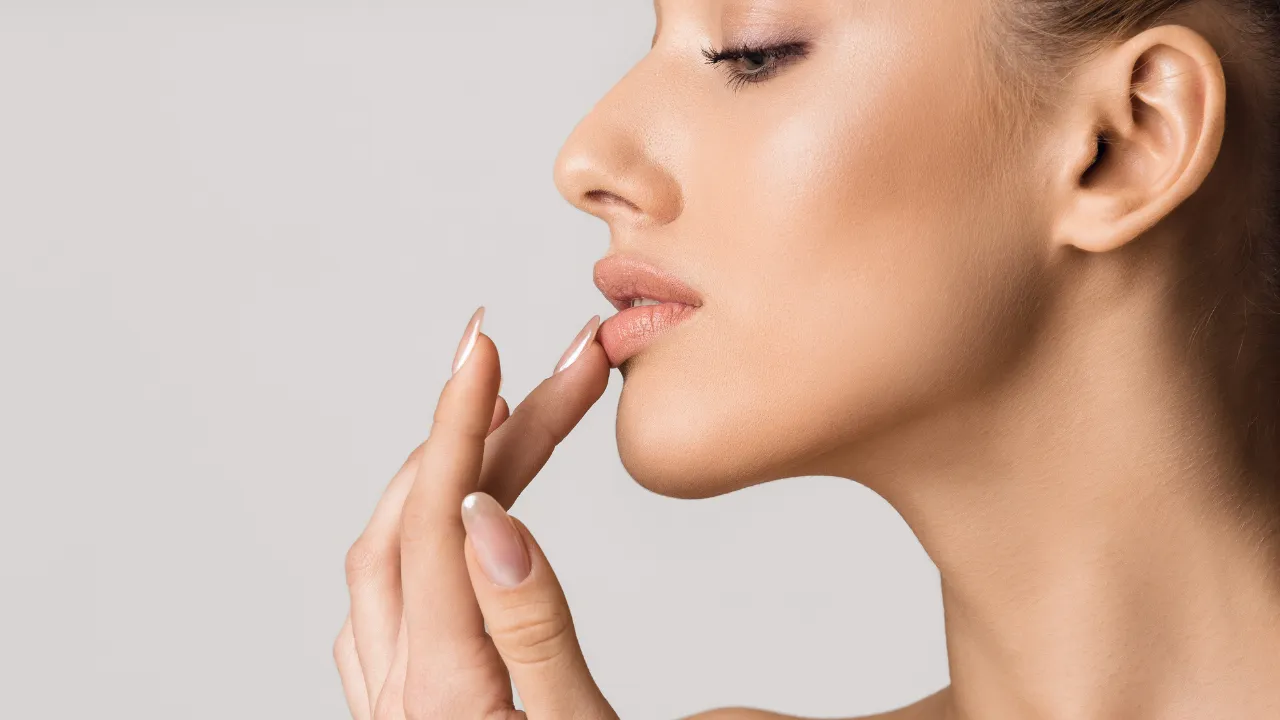


Yes, you can sleep on your side after lip fillers, but it is better to wait about 24 to 48 hours until swelling goes down. For the first nights, sleep on your back with your head slightly elevated to reduce pressure on the lips. This helps the filler settle evenly and limits fluid buildup.
Patients often ask how to sleep after lip fillers and whether certain positions are safe during recovery. Dr. Joel Kopelman, a facial plastic and oculoplastic surgeon associated with Kopelman Aesthetic Surgery, explains that early care focuses on minimizing pressure and controlling inflammation.
This educational guide outlines safe sleep positions, timelines, risks, and practical aftercare steps so readers understand the recovery process.
Key Takeaways
- Sleeping on your back with your head elevated during the first 24 to 48 hours helps reduce swelling and limit pressure on recently treated lips.
- Side sleeping is usually safer once swelling has decreased, and position changes should be made gradually to avoid unnecessary compression.
- Brief accidental pressure rarely causes lasting problems, and mild puffiness often improves with hydration and gentle cooling.
- Avoid face-down sleeping, excessive lip contact, and smoking early after treatment because these habits can slow the healing process.
- Clean pillowcases and a light lip moisturizer support comfort and reduce the risk of introducing bacteria.
Sleeping After Lip Fillers the First Nights
The first night after lip filler injections is important because tissue is still adapting. Many people ask, ” Can you lie down after lip filler, and the answer is yes, but body position matters. Lying completely flat may increase swelling and bruising, especially within the first 24 to 48 hours. Using an extra pillow and elevating your head supports circulation and promotes early healing.

Same-Day Activities After Lip Filler
Normal light activities are usually safe after lip filler injections. Gentle talking and water intake are acceptable, and you can review advice on drinking coffee after lip fillers, but strong lip pressure should be avoided. Soft foods are often more comfortable on the first evening.
These adjustments help reduce irritation during post-treatment care and align with guidance on preparing for lip fillers.
Basic hygiene is important because the lips are sensitive after a lip injection. Clean hands and pillowcases reduce irritation and the risk of introducing bacteria. Avoid unnecessary touching during the first night. Simple cleanliness supports comfort.
Can You Lie Down After Lip Fillers?
You may lie down, but prolonged pressure on the treated areas is not recommended immediately after treatment. The gel remains soft in the first days, and sustained compression may lead to uneven results. A slight incline allows filler to settle more evenly. This position is generally advisable for stability.
Best Way to Sleep After Lip Fillers
Sleeping on your back with your head raised is the safest early option. This position reduces the chance that gravity or side pressure will increase swelling around a recent lip injection.
Patients should focus on staying hydrated, which supports circulation. A clean lip balm prevents dryness, and guidance on how long after lip fillers you can wear lipstick can help plan makeup safely.

First Night After Lip Fillers
Mild tenderness or warmth is common on the first night. Avoid rubbing the mouth and touching the lips, as contact can introduce bacteria. Providers also advise avoiding sleeping face down because downward pressure may disturb symmetry. These precautions usually improve comfort.
Safe Sleeping Positions and Timing
Sleep position changes should be gradual. Many patients ask, “Can I sleep on my side after lip filler?” or Can I lie down after lip fillers? Due to concerns about pressure. The issue is not merely resting but sustained compression, which can affect filler treatments. Back sleeping remains the most stable choice early on.
When Can I Sleep on My Side After Lip Fillers?
Side sleeping is usually safer once swelling has visibly decreased and tenderness has improved. The key sign is less puffiness and sensitivity. Position changes should be slow rather than abrupt.
Accidentally Slept on Side After Lip Filler
Turning during sleep is normal and rarely causes serious issues. Brief pressure usually does not permanently displace dermal fillers, although repeated compression may contribute to unevenness.
A cool compress and staying hydrated can help reduce swelling by morning. Calm monitoring is usually sufficient.

Pressure, Movement, and Filler Migration
Fillers are designed to remain localized, but sustained pressure can cause minor shifts before settling. The goal of aftercare is to minimize mechanical stress rather than achieve perfection. Consistent back sleeping during the first nights lowers movement concerns.
Can Fillers Move if You Sleep on Them?
Yes, repeated pressure can influence distribution before the material stabilizes. In most cases, this effect is temporary; however, sustained compression may alter the contour. Migration risk decreases as swelling improves. Balanced positioning remains safest.
How to Reduce Movement Risk
Helpful steps include elevating the head, avoiding face-down sleep, and limiting prolonged side pressure. Clean pillowcases support hygiene, while light moisturization protects elasticity. Together, these habits reduce strain during recovery.
Night Aftercare Tips
Night care focuses on comfort and cleanliness. Applying a thin layer of lip balm eases dryness without excessive rubbing. Avoid harsh or scented products during the early healing phase. Gentle care supports a smoother recovery.
Can I Use Vaseline After Lip Filler?
Petroleum-based products are generally safe when applied in thin layers to clean lips. Heavy application or frequent rubbing should be avoided. Hygiene remains important to lower bacterial exposure. Moderation is key.
What Not to Do After Lip Fillers
Certain behaviors slow recovery. Strong lip rubbing, face-down sleeping, and unnecessary contact increase irritation. Smoking soon after treatment may restrict blood flow and delay the healing process. Limiting these habits supports healthier adaptation.
When to Contact Your Provider
Knowing when to seek guidance supports safe recovery. Persistent pain, spreading redness, or swelling that worsens rather than improves should be evaluated. Early communication provides clarity and reassurance. Prompt assessment prevents minor concerns from escalating.
If symptoms feel unusual or do not improve, consider scheduling a consultation with Dr. Kopelman for a professional evaluation.