
To prepare for lip fillers, patients should review blood-thinning medications with their provider, avoid alcohol and intense exercise, stop irritating lip products, and arrive at the lip filler appointment with clean skin and no makeup.
Proper preparation lowers the risk of bruising and swelling and supports safer lip filler injections. At Kopelman Aesthetic Surgery, preparation is considered a medical step in plastic surgery, and, according to board-certified Dr. Joel Kopelman, planning ahead helps reduce avoidable complications and supports natural-looking results.
Key Takeaways
- Preparing for lip fillers starts days before treatment and includes reviewing medications, adjusting habits, and avoiding products that may irritate the lips.
- Good preparation can reduce bruising and swelling, limit discomfort, and support safer injection conditions that help achieve natural-looking results.
- Knowing what to do before lip fillers and what not to do helps lower the risk of bruising and supports smoother healing.
- Preparation also includes understanding the treatment-day steps, early aftercare, such as applying ice, and the known limits of lip augmentation.
How to Prepare for Lip Fillers Before Treatment
Preparing early helps keep the lips calm before injections. This stage focuses on health history, current medications, and recent treatments that may affect healing. Clear planning also helps patients feel more at ease on the day of a lip filler appointment.
Preparation affects how the lips react to lip filler injections, including bruising and swelling. Managing these factors ahead of time helps reduce avoidable issues. This allows the provider to focus on safe technique and precise injection sites.
Preparing For Lip Injections Step By Step
Many patients find it easier to prepare by following a short timeline. This method helps avoid rushed decisions and missed steps. Simple planning supports smoother treatment, including understanding the best facial filler options discussed during consultation.
A basic preparation timeline may include:
- 3–5 days before: review medications and supplements with your provider
- 24 hours before: avoid alcohol and hard workouts
- Day of treatment: arrive with clean skin and no lip products
This approach keeps preparation clear and manageable.
Medications, Supplements, And Skin Care To Avoid
Some medications and supplements can raise the risk of bruising. Blood-thinning medications such as aspirin, ibuprofen, fish oil, and vitamin E are commonly reviewed before treatment. Patients should only stop medications with their doctor’s approval.

Certain skin products can irritate the lips. Retinoids, strong acids, and rough scrubs may increase sensitivity. Gentle cleansing and basic moisture are better choices.
What To Do And What Not To Do Before Lip Fillers
Daily habits play a key role in preparation. Clear guidance on what to do and what not to do before lip fillers helps limit side effects. These steps are simple and easy to follow.
A short checklist can help with preparation:
- Drink enough water
- Avoid alcohol and intense exercise
- Do not use harsh lip products
- Follow the medication guidance from the consultation
This list supports planning but does not replace medical advice.

What To Do Before Lip Fillers
General wellness supports healing. Good sleep, proper hydration, and regular meals help steady blood flow. These habits support more stable conditions on treatment day.
Using a simple lip balm can also help. Avoid trying new products close to the appointment. Staying consistent is more helpful than last-minute changes.
What Not To Do Before Lip Fillers
Alcohol can increase swelling and bruising. Hard exercise may also affect blood flow before injections. Limiting both helps reduce irritation.
Smoking should be avoided when possible. It can slow healing and affect circulation. These steps support safer preparation.
How To Avoid Swelling And Bruising Before Lip Fillers
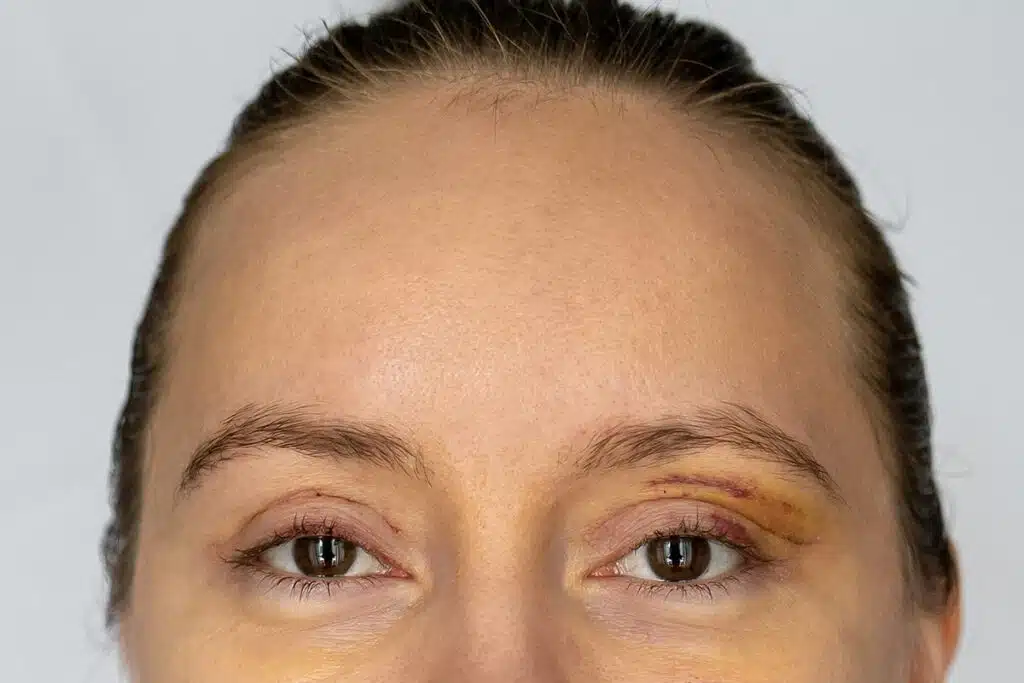
Swelling and bruising are common after lip filler injections. Preparation focuses on lowering factors that increase blood vessel sensitivity. While bruising and swelling cannot always be prevented, severity can often be reduced as the lips heal and lip fillers settle over time.
Alcohol use, poor sleep, and low water intake can increase the risk of bruising. Keeping a calm routine before treatment helps support steadier healing.
After injections, providers may recommend applying an ice pack or advise patients to apply it for short periods. When done correctly, applying ice can help limit early swelling and discomfort.
How To Prepare For Lip Filler Pain
Pain levels differ from person to person. Preparation focuses on knowing what sensations are normal. Most patients feel brief pressure or stinging, not lasting pain.
Numbing creams are often used before injections. Some fillers also include lidocaine. These options help improve comfort during treatment.
How To Prepare For Lip Filler Dissolving
Dissolving fillers may be discussed during consultation. This topic helps patients understand options rather than expect problems. Knowing that dissolving is possible can be reassuring.
Dissolving may be used for uneven results or patient choice. Hyaluronic acid fillers can be adjusted with specific enzymes under medical care.
What To Expect On Treatment Day
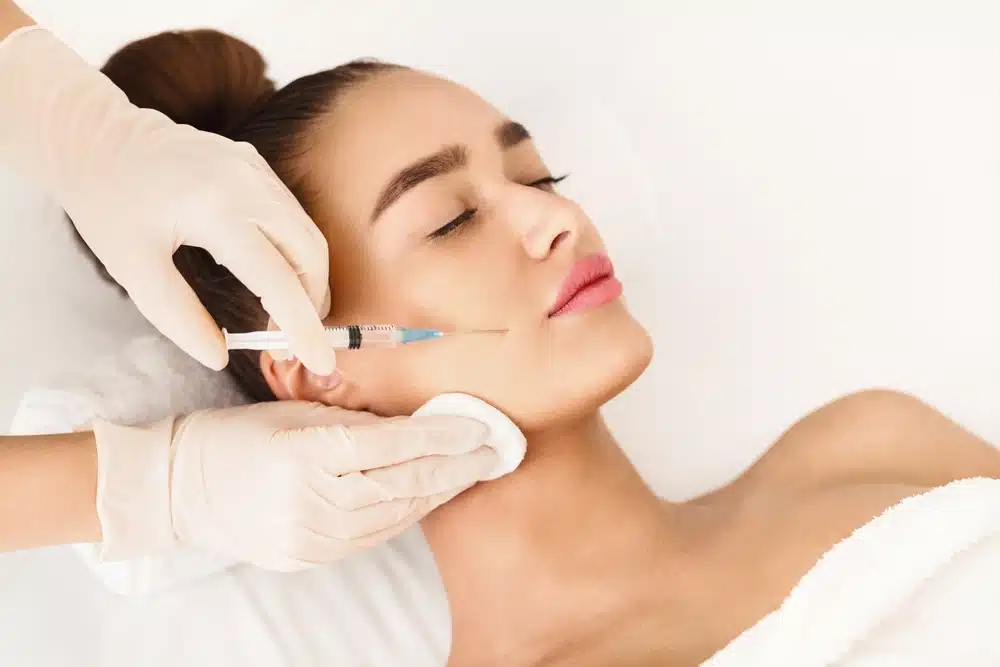
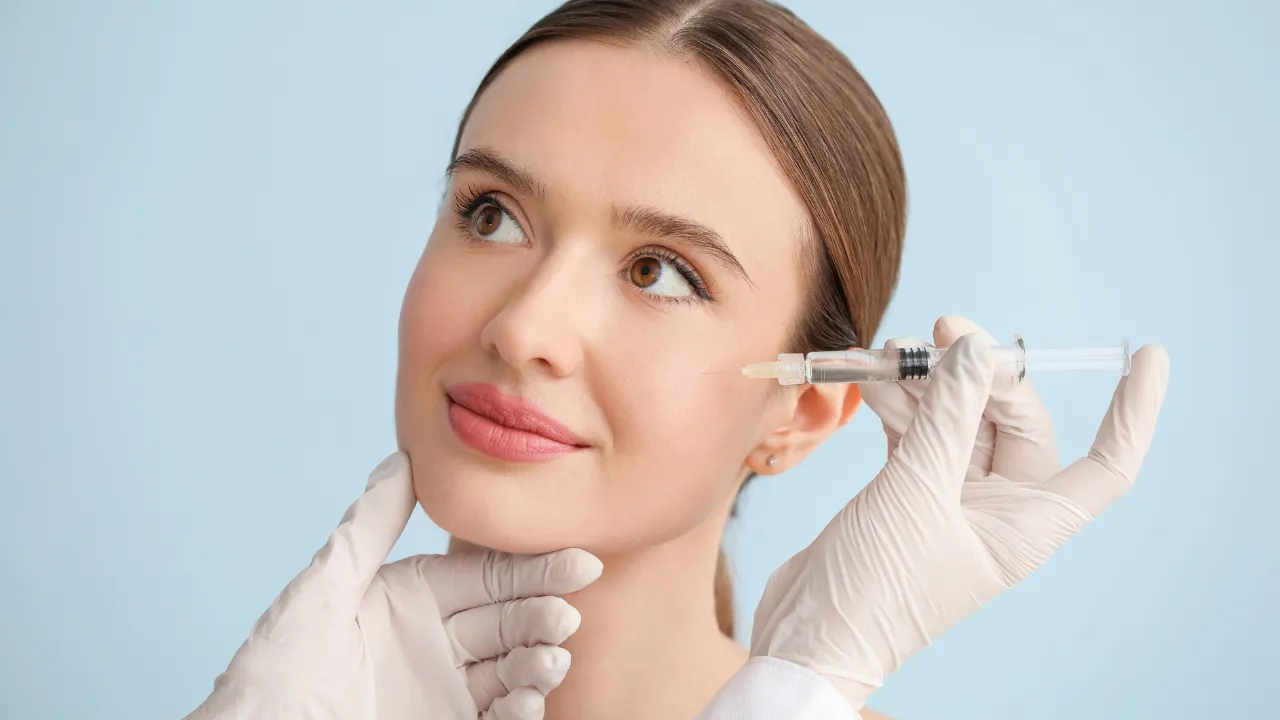
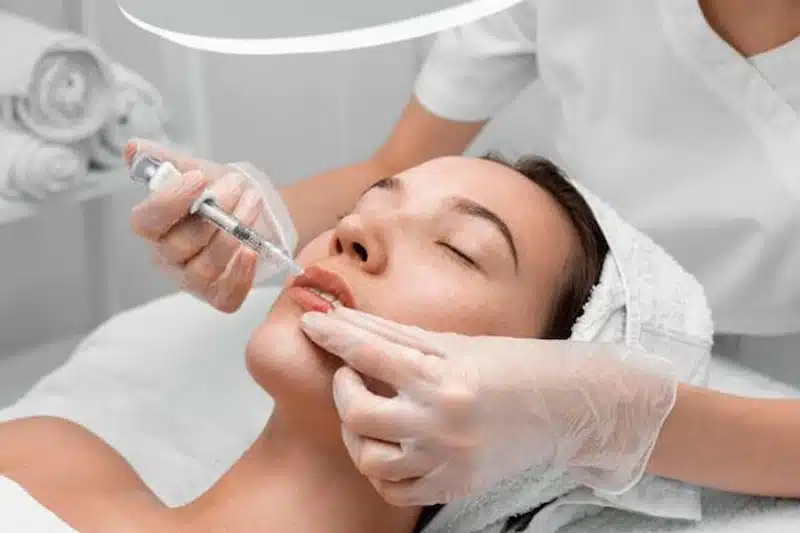
Treatment day follows a set process. Patients arrive with clean skin and receive numbing before injections. The provider plans injection sites based on anatomy and the desired shape of your lips.
The injection process itself is short. Mild tenderness, bruising, or swelling may appear afterward. Patients are often advised to avoid applying pressure to the lips and to follow aftercare instructions.
Why Proper Preparation Matters
Preparation affects safety and recovery. Careful planning helps reduce avoidable issues and supports a smoother experience. This applies to both new and returning patients.
Preparing for lip injections helps patients take part in informed care. Clear education supports responsible decisions and realistic expectations for natural-looking results, which can help patients adjust and feel more confident after fillers.
If you are considering lip fillers and want guidance tailored to your medical history and goals, scheduling a consultation can help clarify next steps. A personalized review allows you to ask questions, discuss preparation, and understand what to expect before moving forward.