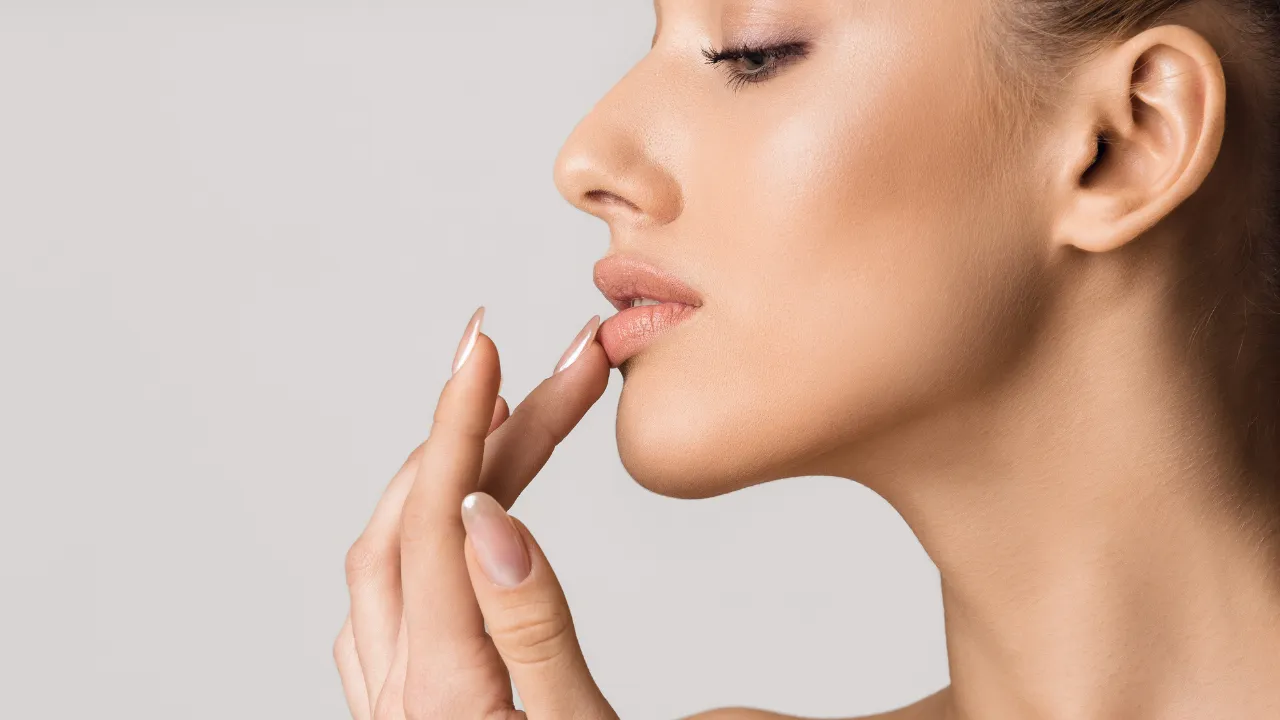

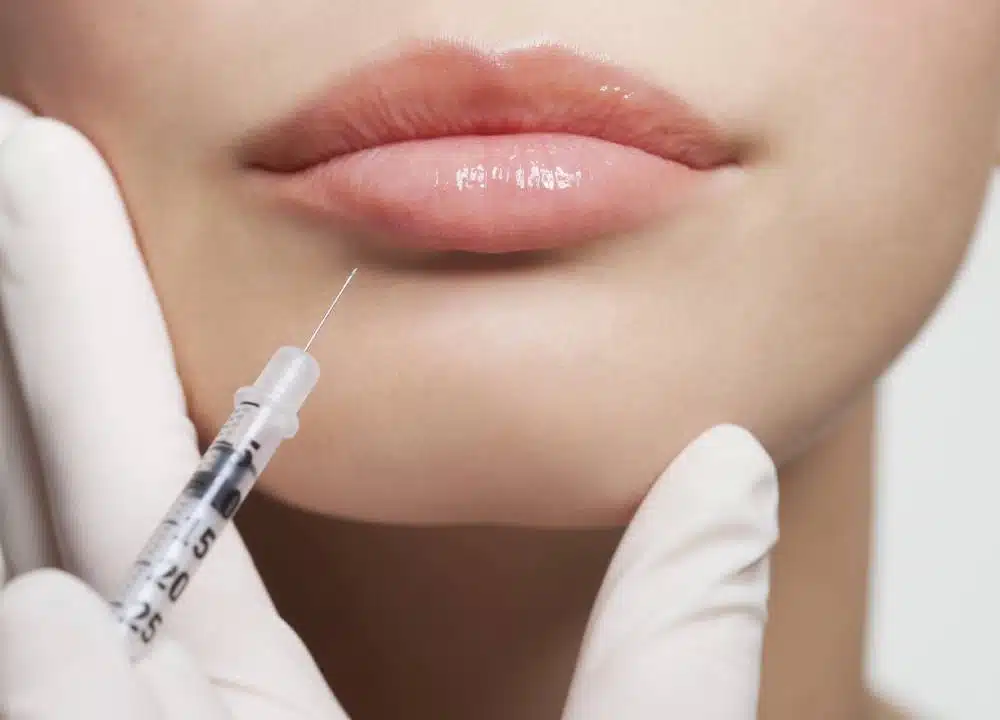
Most people get lip fillers based on how quickly their body breaks down the product and how much fullness they want to maintain. For many patients, treatments are spaced every six to twelve months, though timing varies by metabolism, filler type, and lip movement.
Rather than following a fixed schedule, clinicians assess changes in volume and shape to decide when a refresh is appropriate. This approach explains how often you should get lip fillers in a practical way, without overfilling or over-treating.
Lip fillers are a common aesthetic treatment, but timing and maintenance raise many questions. This article explains how often you should get lip injections, how long the results last, and how clinicians determine safe treatment intervals.
Dr. Joel Kopelman, a board-certified facial plastic and oculoplastic surgeon at Kopelman Aesthetic Surgery, approaches lip enhancement through careful assessment and medically grounded planning.
Key Takeaways
- Most people get lip fillers every 6 to 12 months, but timing depends on metabolism, lip movement, and how quickly the volume fades, rather than a fixed schedule.
- Waiting several weeks between treatments allows swelling to resolve and supports safer, more accurate assessments.
- Lip fillers fade gradually as the body breaks them down, so changes occur over time rather than suddenly.
- Stopping lip fillers does not cause permanent stretching or sagging, and lips typically return to their natural shape.
- Experienced providers plan schedules based on anatomy, response, and safety rather than routine timing or cost.
Recommended Frequency for Lip Fillers
Most patients get lip fillers every six to twelve months, depending on how quickly their body breaks down the filler and how much fullness they want to maintain. This range reflects how long hyaluronic acid–based fillers typically last in the lips before volume softens.
Some patients may return sooner for small adjustments, while others wait longer if results hold. Factors such as anatomy, movement, and personal goals influence frequency.
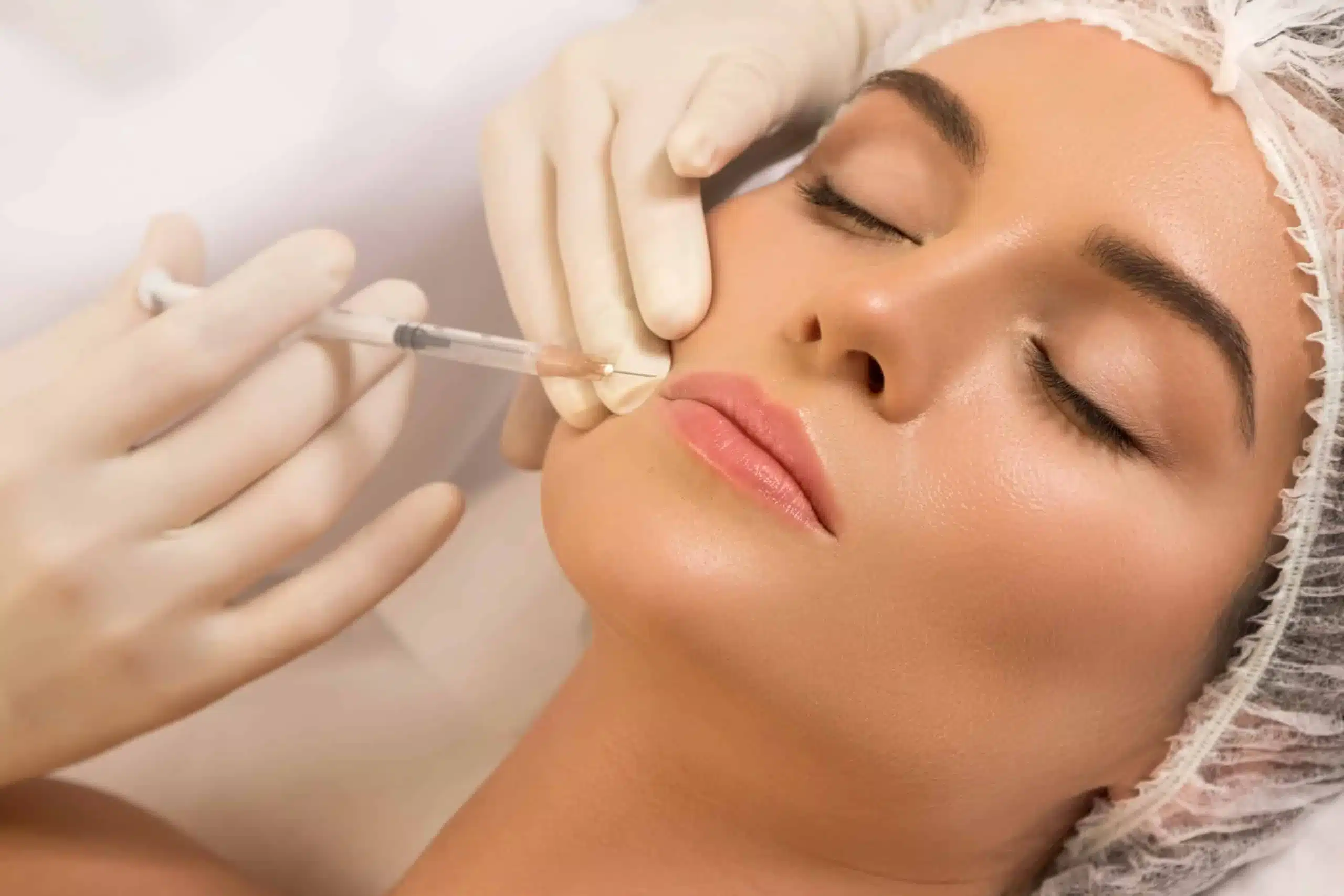
Typical timing for most patients
First-time vs maintenance treatments
First-time patients may need a brief follow-up lip filler touch once swelling resolves. Maintenance sessions usually require less product because some structure remains.
How often you need lip fillers depends on the desired volume and tissue response. Conservative planning lowers the risk of excess fullness.
How Long to Wait Between Lip Fillers
Minimum safe spacing
Most clinicians recommend waiting at least 2 to 4 weeks between lip filler sessions to avoid stressing the lip tissue. This interval allows swelling and bruising to resolve so the injection site can be evaluated accurately. Treating sooner can make it difficult to assess true volume and symmetry.
How soon can you add more lip filler?
In most cases, additional filler is not added until at least 2 weeks after the initial treatment. This waiting period allows tissues to stabilize and hyaluronic acid fillers to integrate properly. Early adjustments may lead to overcorrection or uneven results. Waiting improves precision and reduces unnecessary injections.
How Long Does Lip Filler Really Last
Typical lip filler changes follow a predictable timeline:
- First 1–2 weeks: swelling resolves and shape stabilizes
- 1–6 months: volume remains consistent
- 6–twelve months: gradual softening occurs
This progression helps patients understand expected changes.
Average duration
On average, fullness lasts close to twelve months, though some notice changes sooner. The type of lip and amount used influence longevity. Lip movement can shorten duration, especially while fillers are settling, as explained in how long it takes for lip fillers to settle.
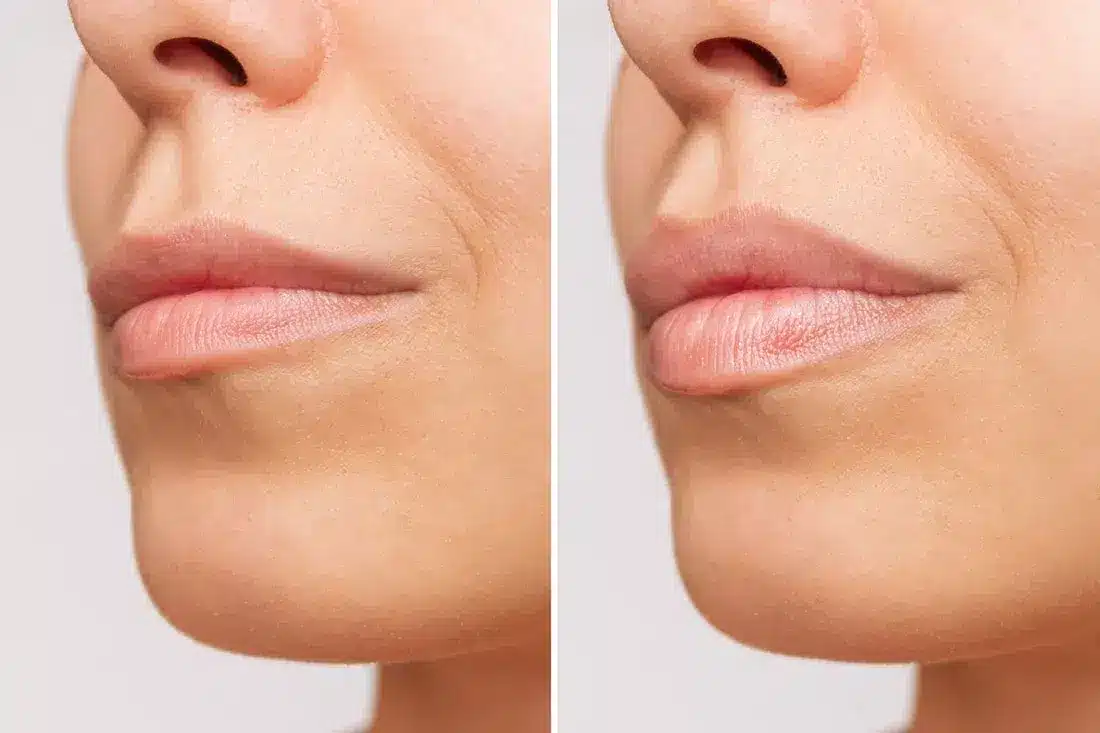
Why lip filler fades over time
Fillers fade as the aging process and metabolism break down material. Hyaluronic acid fillers are metabolized by enzymes and blood flow, which act more quickly in high-movement areas like the lips.
Post treatment care can influence how evenly results soften. This explains why fillers fade gradually rather than disappearing suddenly.
How Often Do You Need Lip Fillers Long Term
Metabolism and lifestyle factors
Long-term scheduling depends on metabolism and daily habits. Patients with faster metabolism may notice earlier softening. A healthy lifestyle can help support longer-lasting results. These differences explain why schedules vary.
Filler type and injection volume
The type of lip filler treatment affects durability. Softer fillers may require more frequent refreshes. Using the smallest effective amount supports natural contour. This approach helps maintain balance over time.
What Happens If You Stop Getting Lip Fillers
Hyaluronic acid–based fillers are reversible, which adds an important safety consideration. If needed, a medical enzyme can dissolve filler to adjust volume or address complications.
This option is used selectively when clinically appropriate. Knowing this supports informed decision-making.
Do lips stretch or sag
Many worry that stopping fillers will make the lips look stretched. In most cases, lips do not permanently sag or stretch. As filler dissolves, tissue returns to its natural state. This process is gradual.
How lips return to baseline
When treatments stop, fullness slowly decreases. Lips regain their original shape without sudden change. This reassures patients planning long-term. No structural damage occurs as filler fades.
Safety and Long-Term Side Effects
Long-term side effects of lip fillers
Serious long-term side effects are uncommon with proper technique. Temporary swelling, tenderness, or bruising may occur post treatment. Rare complications require prompt care. Careful assessment reduces risk.
Risks of frequent treatments
Treating too often can irritate tissue and increase side effects. Frequent injections may affect the texture over time. Clinicians monitor spacing to protect tissue health. Measured timing supports safety.
Lip Filler Before and After Over Time
How results change gradually
Lip filler changes occur in stages. Initial swelling can obscure the final shape. Over time, lips soften. This gradual shift supports natural results.
Why subtle results last longer
Smaller adjustments respect lip anatomy and movement. Subtle volume integrates better with the surrounding tissue. This helps the results age evenly. It also simplifies maintenance.
How Much Is Lip Filler
The cost of lip filler depends on the product used and treatment complexity. Juvederm Ultra, commonly used for lips and fine lines, is priced at $1,800 at many practices. This fee reflects the filler itself, the injector’s expertise, and the clinical setting.
Finding Lip Filler Near Me
Why provider experience matters
When searching for lip filler near me, focus on credentials and training. Experienced clinicians understand anatomy and the management of complications. Skill directly affects safety and outcomes. Experience matters more than convenience.
What to expect during consultation
Consultations review goals, history, and prior treatments. Providers explain topical anesthetics, swelling, and common concerns, including how painful lip fillers can be. Patients are advised to use lip balm, drink plenty of water, and follow aftercare instructions. These steps support healing.
How Doctors Plan Lip Filler Schedules
Personalized treatment timing
Clinicians tailor lip filler appointments based on anatomy and response. Dr. Kopelman applies individualized planning grounded in tissue health and proportion, as outlined on the dedicated lip fillers treatment page. This avoids rigid timelines. Personalization supports consistency.
Patients who want guidance tailored to their anatomy and goals may consider scheduling a consultation with Dr. Kopelman to discuss timing and treatment planning.