Most clinicians suggest a short, standardized tablet regimen rather than a dose based on body weight. Patients are usually advised to follow the product label and begin use 1 to 2 days before treatment.
This reflects how arnica is commonly used around soft-tissue procedures rather than as a prescription medication. Questions about how much arnica to take before fillers depend on the formulation, tablet strength, and individual health factors.
This article explains how arnica is discussed in the context of cosmetic injections and what patients should realistically expect.
It is based on common clinical practices referenced at Kopelman Aesthetic Surgery and the surgical experience of Dr. Joel Kopelman. The focus is on preparation, recovery, and informed decision-making rather than outcomes.
Key Takeaways
- Arnica is an optional supplement sometimes used before lip fillers to support bruising and swelling response, but it is not required.
- There is no universal dose, and most guidance relies on product instructions rather than a fixed prescription.
- Timing matters more than quantity, with short-term use before and shortly after injections being most common.
- Arnica does not change filler placement, healing speed, or final cosmetic results.
Should You Take Arnica Before Fillers
Clinical evidence remains limited, so arnica is not a requirement. Some providers mention it as an optional step for patients without contraindications. It does not change the type of filler selected or the technique used during a lip filler treatment.
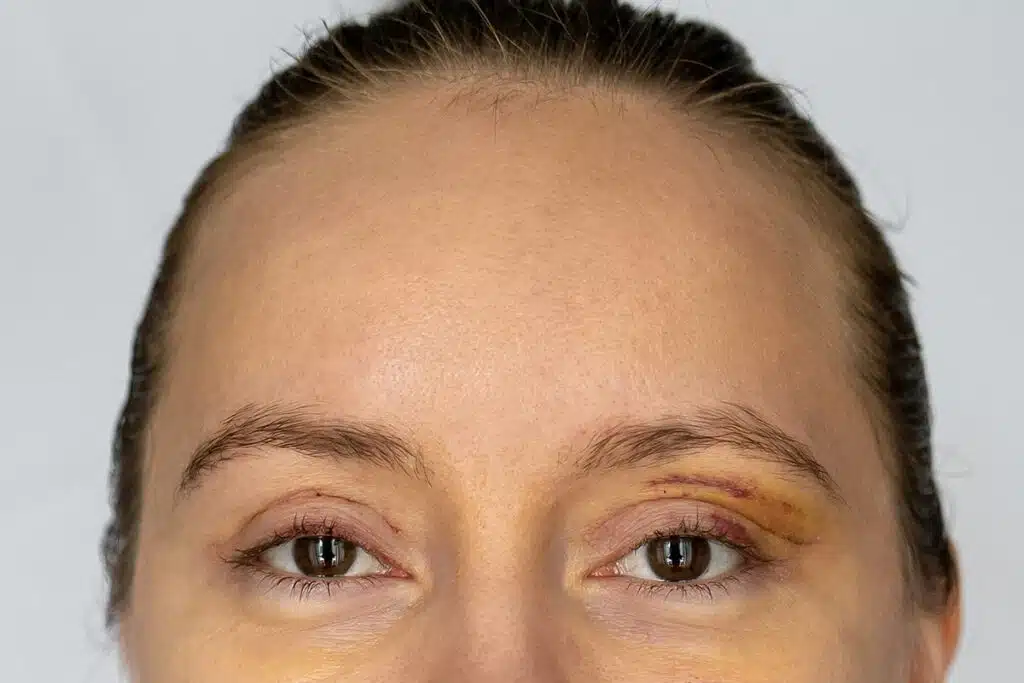
Arnica montana is a plant-based supplement often discussed because lip filler injections can affect small blood vessels at the injection sites. As a result, bruising is a known possibility in cosmetic procedures.
Why Bruising Varies Between Patients
Bruising varies because facial blood vessels differ in size, depth, and fragility, as explained in more detail when discussing bruising with dermal fillers.
Individual factors such as circulation, skin thickness, and the speed of the body’s response to minor trauma also affect bruising. The lips contain dense vascular tissue, so even precise injections can disrupt small vessels in the treated areas. Prior filler history can further influence how the tissue reacts during subsequent treatments.
How Many Arnica Tablets Should I Take Before Lip Fillers
Most clinicians do not recommend a fixed dose of Arnica before lip fillers. Instead, patients are usually advised to follow the product label. The goal is to help reduce bruising and swelling, not to change final results or how the filler works.
For example, some clinicians suggest following the product label, which often recommends taking 3 to 5 arnica tablets 2 to 3 times per day, starting 1 to 2 days before treatment. This is a general illustration rather than a fixed rule, since guidance varies by brand and formulation.

When to Take Arnica Before Fillers
Many protocols recommend starting 1 to 2 days before treatment. Patients are often advised to avoid supplements that can thin the blood.
Basic preparation also matters. Patients are commonly advised to stop blood thinners and supplements such as fish oil when medically appropriate, avoid alcohol for at least 24 hours, and stay hydrated. These steps support the body’s natural healing process rather than altering the injection itself.
How Long to Take Arnica After Fillers
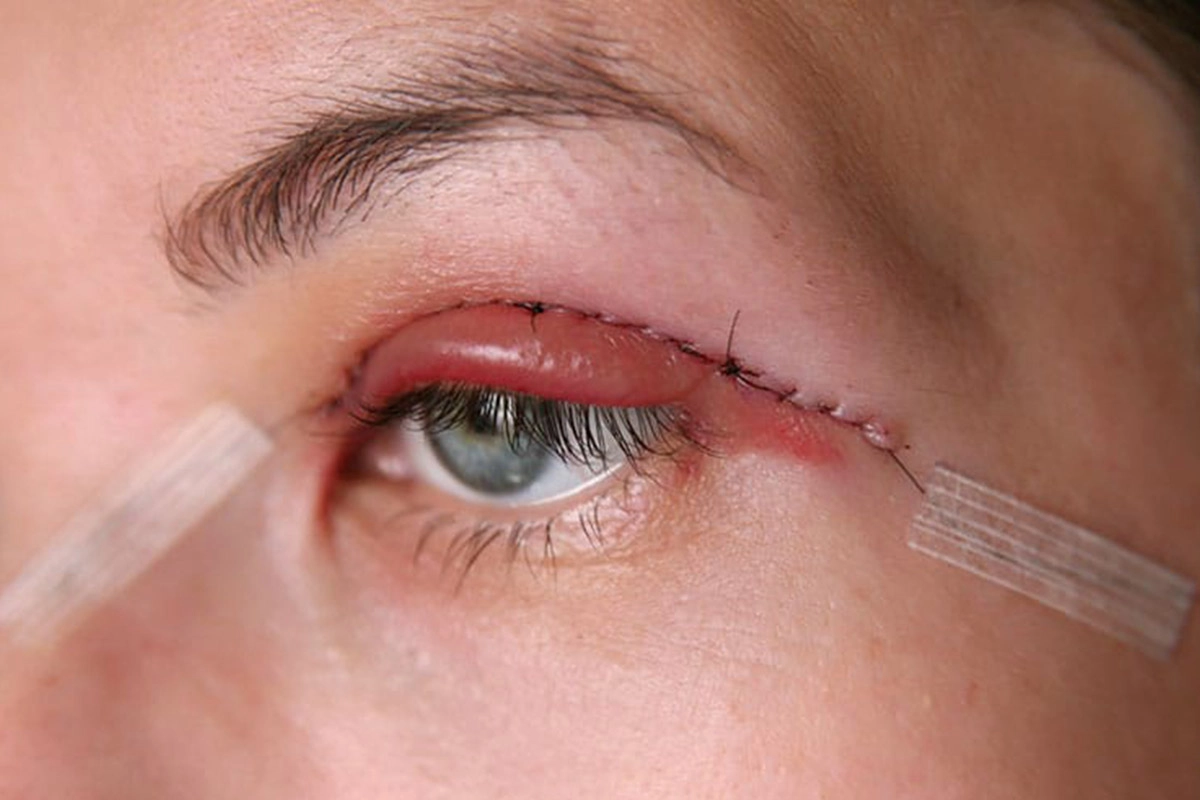
Some patients continue Arnica for about 48 hours as part of post-treatment care. This timeframe often overlaps with noticeable swelling in the lips. Extended use is usually unnecessary unless advised by a clinician.
Swelling follows a predictable pattern. For many patients, swelling peaks within the first two days and then improves. Keeping the head elevated and following aftercare instructions are often more impactful than supplements alone.
Best Arnica For Lip Fillers
Clinicians often compare tablets, pellets, and topical forms. Tablets are commonly chosen for ease and consistency. This is where arnica tablets for lip filler, swelling, and bruising are most often referenced.
Topical arnica should only be used on intact skin and never directly on lip tissues. Oral arnica does not replace standard aftercare or hygiene measures.