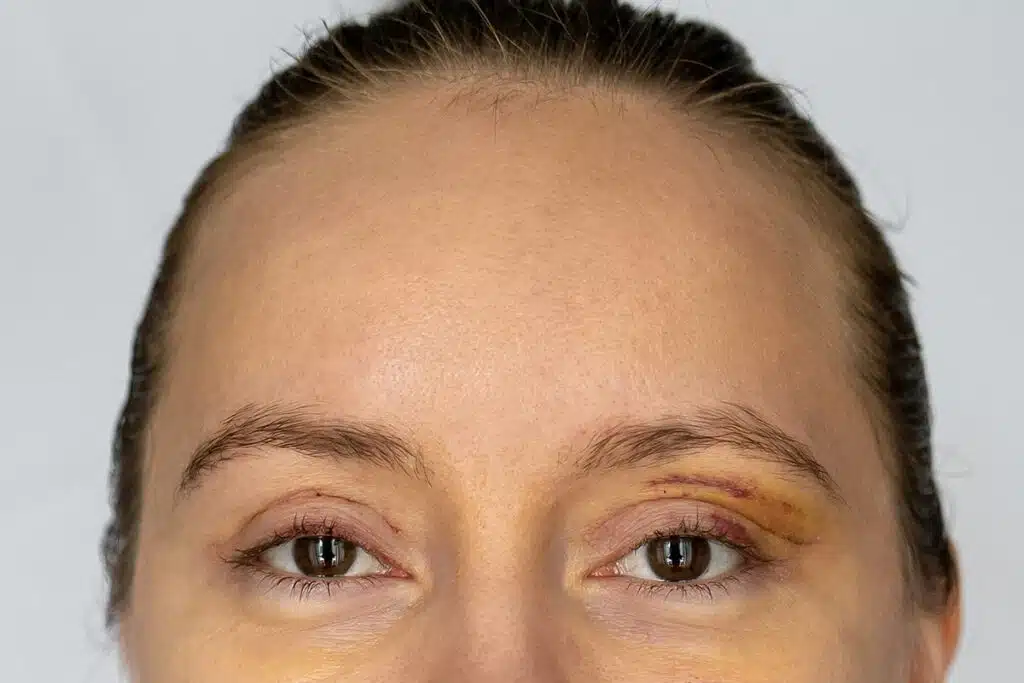
Most patients return to normal daily activities within 10 to 14 days. Full healing takes two to three months as swelling fades and tissue settles. Early care focuses on lowering swelling and protecting the eyelids. Patients should expect steady progress during the first two weeks. Healing continues, with the eyelids improving and residual swelling gradually fading.
Blepharoplasty recovery follows a predictable healing process, but recovery time varies among patients. At Kopelman Aesthetic Surgery, Dr. Joel Kopelman, a board-certified facial plastic surgery specialist, monitors recovery to ensure safe healing.
This article explains how long it takes to recover from blepharoplasty, including healing stages, activity limits, and when final results appear after a blepharoplasty procedure in New York City performed by a qualified plastic surgeon.
Key Takeaways
- Most patients return to daily life within 10 to 14 days, but full healing takes several months.
- Swelling and bruising improve after 14 days, though residual swelling may last longer.
- Upper eyelid blepharoplasty usually heals faster than lower eyelid surgery.
- Many patients feel comfortable returning to work and normal tasks within two weeks.
- Contact your plastic surgeon if symptoms worsen or if you notice infection or vision problems.
Blepharoplasty Recovery Timeline by Day and Week
Days 1 to 3 after surgery
The first days after surgery are characterized by swelling, bruising, and mild discomfort. Patients often apply cold compresses and elevate the head to reduce swelling. Eye drops help prevent dryness and support healing. This stage marks the beginning of the eyelid surgery recovery process, as tissue begins to repair itself.
Swelling usually peaks in the first 48 hours. Patients should rest and avoid touching their eyelids. These early postoperative days are important for safe healing and comfort.
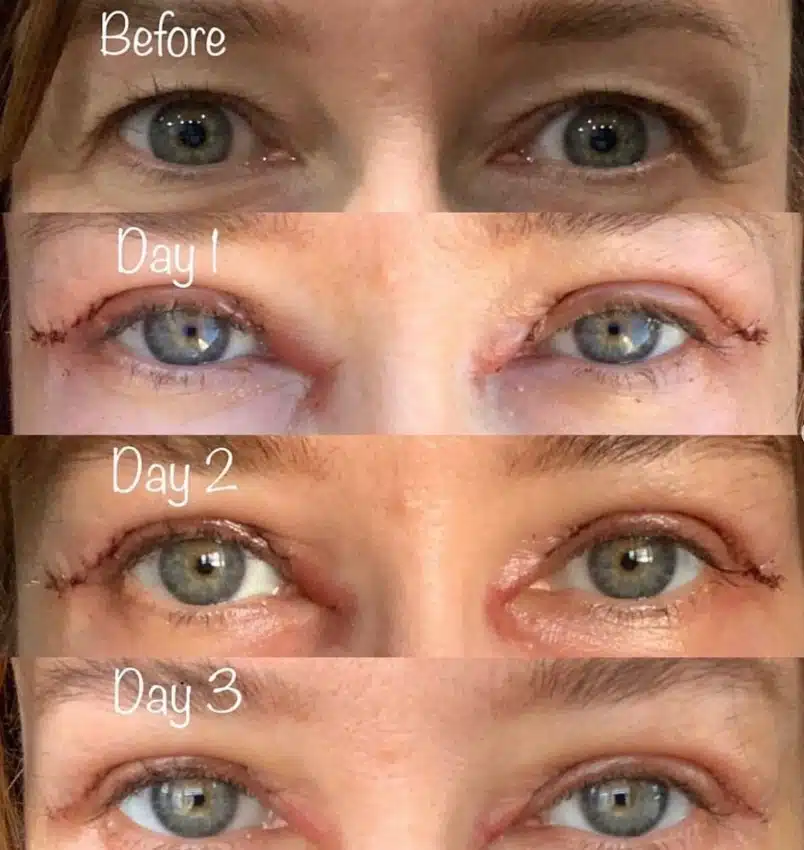
Days 4 to 7: healing stage
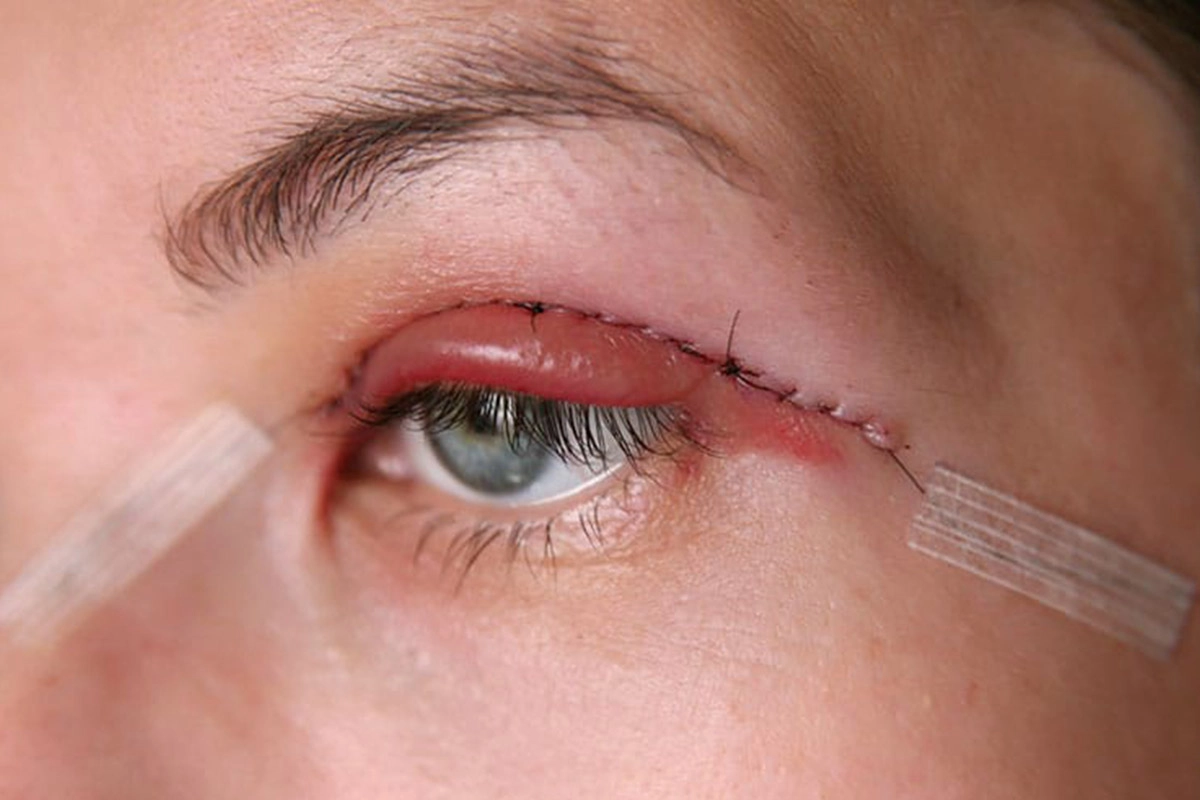
Swelling and bruising improve during the first week. The lash line incision continues healing and becomes less visible. Wearing sunglasses protects the eyelids from exposure to the sun and wind.
Patients may perform light daily tasks during this period. Mild tightness is normal and improves slowly. Recovery continues step by step.
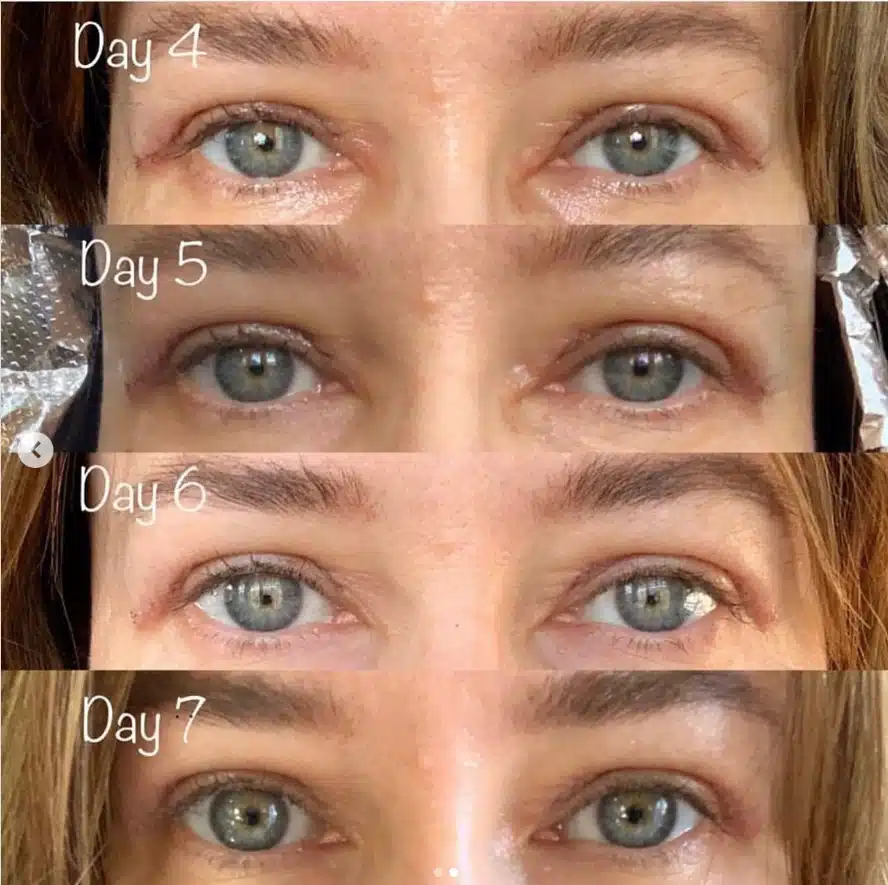
Weeks 2 to 4: visible recovery
Most patients see clear improvement by 14 days. Bruising fades, and swelling decreases. Many patients feel comfortable returning to normal routines and work.
The patient heals gradually as deeper tissue recovers. Light activity may resume safely. Many patients demonstrate steady progress during the week-3 recovery period after upper eyelid blepharoplasty.
Months 2 to 3 full healing
Swelling becomes mild as healing continues. The scar softens and becomes less visible over time. Proper care, including the use of the best scar cream after blepharoplasty, can support healthy skin recovery.
Understanding how long it takes for blepharoplasty to heal helps patients stay patient during recovery. Small changes continue as tissue stabilizes.
When final results appear
Final results are evident when swelling has fully resolved and the eyelid shape has stabilized. The surgeon removes excess skin to improve eyelid contour and function. The eyelids settle naturally over time.
Most patients see stable final results after several months. Recovery improves gradually as healing completes.
Upper vs Lower Blepharoplasty Recovery Time
Most patients recover from upper eyelid blepharoplasty within 7 to 10 days. Many individuals feel comfortable returning to work after 10 to 14 days, once swelling has improved. Mild residual swelling may last several weeks. Full healing usually takes about 6 to 8 weeks.
How long does lower blepharoplasty take to heal
Lower eyelid surgery usually takes a bit longer to heal. Most patients resume daily activities within 10 to 14 days. Some swelling may last longer than upper eyelid surgery. Full healing typically takes 8 to 12 weeks.
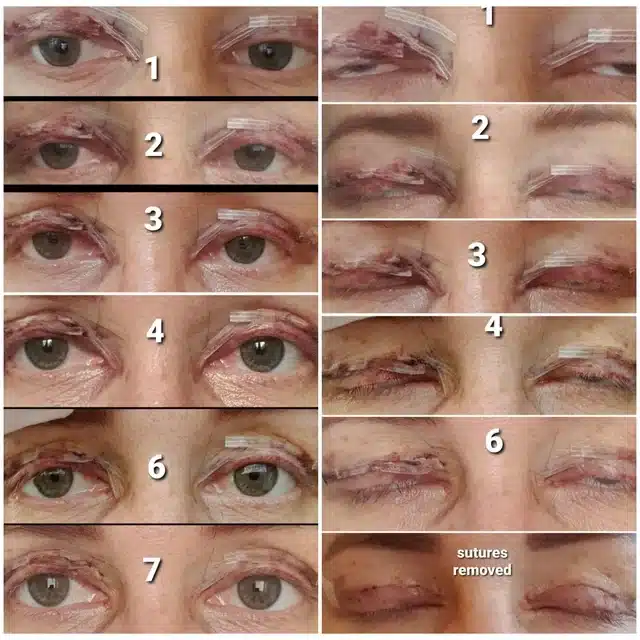
Upper and lower blepharoplasty recovery photos day by day
Photos help show healing progress clearly. These upper eyelid blepharoplasty recovery photos help patients understand what to expect. Visual examples help answer common questions about healing and swelling.
When You Can Resume Normal Activities
How long do you need off work for blepharoplasty?
Most patients resume returning to work within 7 to 14 days. Recovery depends on comfort, job duties, and the progress of healing. Many patients feel comfortable returning once the bruising has improved.
Exercise, sleep, and daily activities
Patients should avoid heavy exercise during early recovery. Head elevation helps reduce swelling. Activity should be increased gradually to support healing.
Makeup and contact lens timeline
Makeup should be applied only after healing has improved and incisions have fully closed. Contact lenses should be removed until irritation resolves. Wearing sunglasses protects healing eyelids and improves comfort.
Factors That Slow the Healing Process
Healing rate varies with health, age, and lifestyle. Smoking and certain medications can slow healing. The blepharoplasty procedure affects skin and tissue that require time to repair properly.
Proper care facilitates the patient’s safe healing. Following your plastic surgeon’s instructions improves recovery and reduces risks.