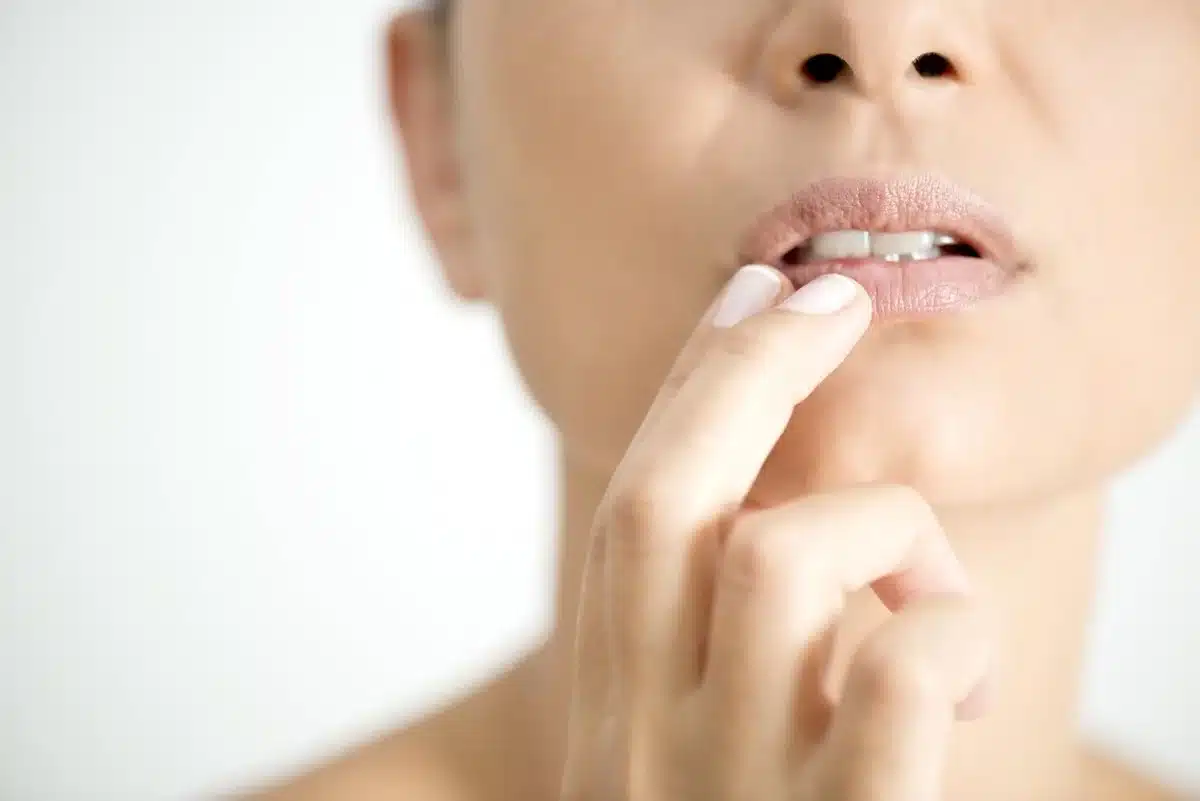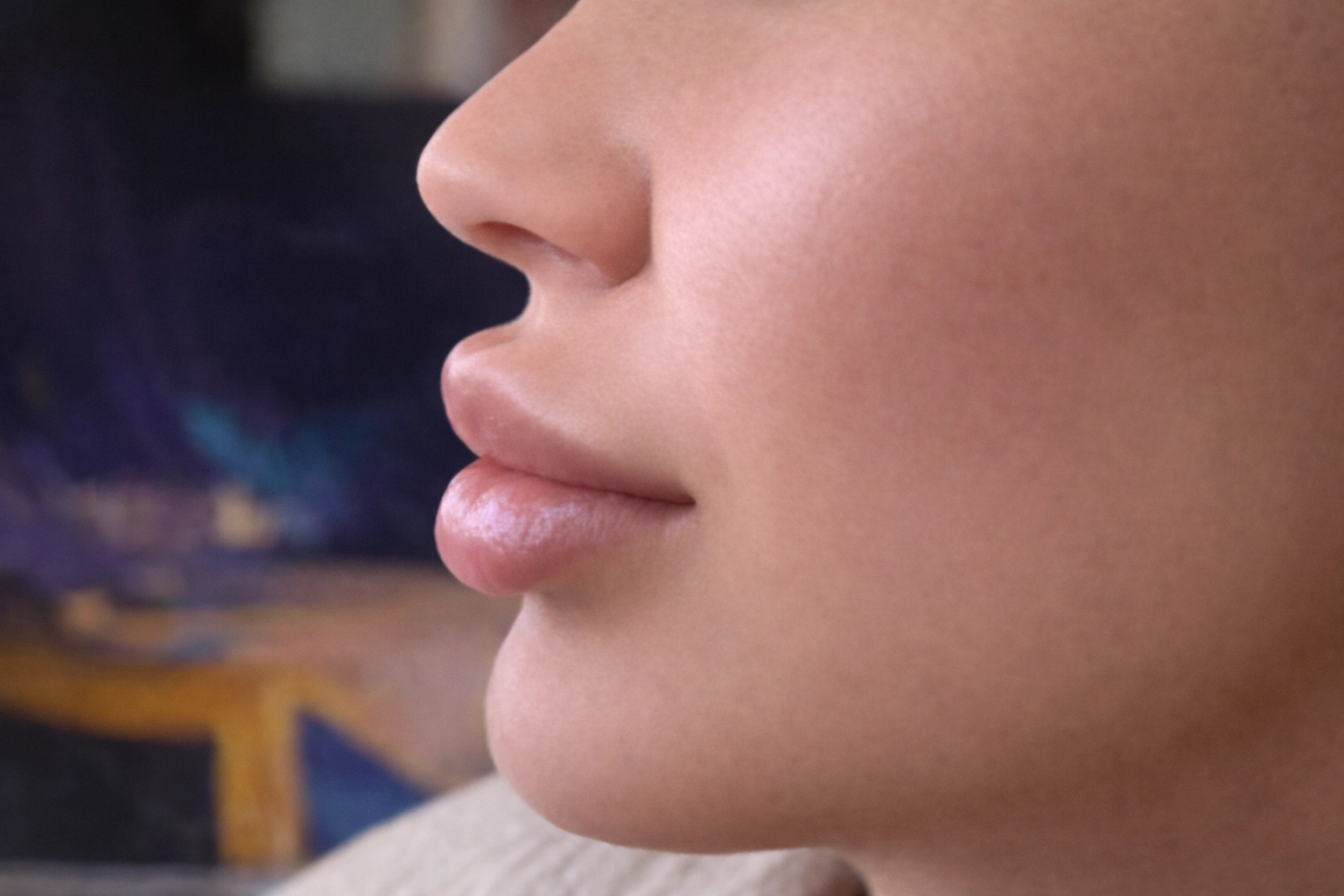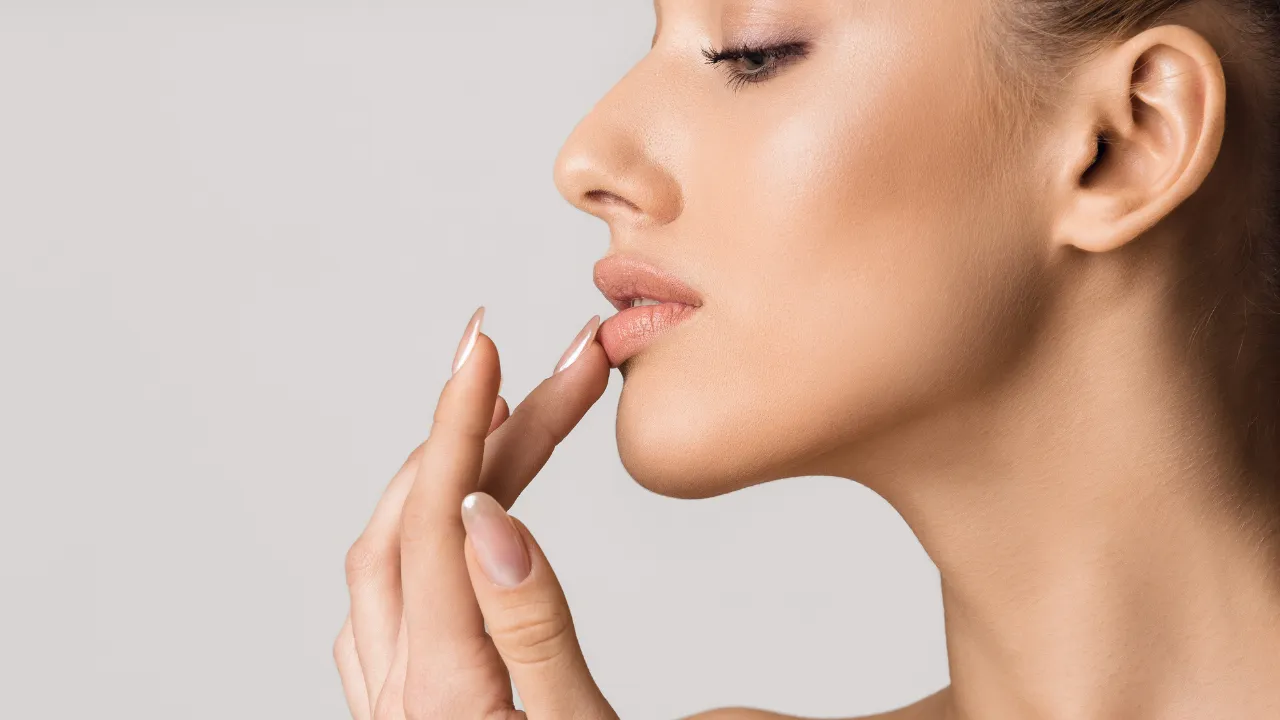

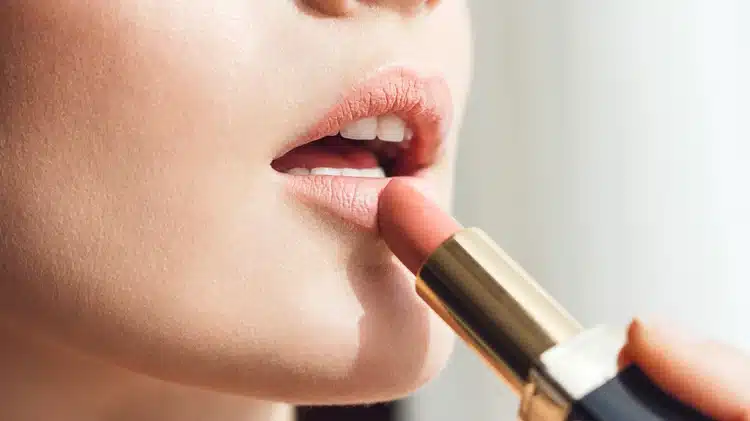
Lipstick should generally be avoided for at least 24 to 48 hours after lip fillers, and in some cases longer, depending on how quickly swelling and bruising resolve. Lip fillers are a common aesthetic treatment, and many patients want clear guidance on makeup use during recovery.
This article explains how long after lip fillers you can wear lipstick, why timing matters, and how to reduce avoidable risks during the healing process, based on standard clinical guidance used in practices such as Kopelman Aesthetic Surgery and the medical approach of surgeons like Dr. Joel Kopelman.
Key Takeaways
- Most patients should wait 24 to 48 hours after lip fillers before wearing lipstick, to allow bruising and swelling to improve and the injection sites to heal.
- Avoiding lipstick early reduces the risk of irritation and infection while the skin barrier recovers during the healing process.
- Many people can safely wear lipstick around day two or three if swelling has improved and the skin surface feels intact, though recovery times vary.
- Gentle products, such as lip balm and light application, reduce irritation when lip products are reintroduced.
- Signs that lips are ready for makeup include minimal swelling, soft tissue, and no discomfort when light pressure is applied.
How Many Days After Lip Fillers Can You Wear Lipstick
Typical Recovery Timeline
After lip filler injections, the skin around the lips needs time to recover from needle entry points and tissue expansion. Most patients are advised to wait at least 24 to 48 hours before applying lipstick directly to the lips. This waiting period allows early bruising and swelling to settle and reduces the risk of bacteria entering healing tissue.
Swelling, redness, and tenderness usually peak within the first one to two days. During this period, the lips may feel firm or uneven, making makeup application uncomfortable. Waiting helps ensure that pressure from lipstick does not interfere with filler placement or irritate healing skin.
This timing aligns with standard post-injection guidance commonly used in aesthetic medicine, including guidance on how long lip fillers take to settle. Most clinicians advise waiting until swelling decreases and the skin barrier has recovered before introducing lip products. Following this guidance reduces the risk of complications during early recovery.
Recovery timelines are general estimates. Some patients heal faster, while others take longer to reach a comfortable makeup. Decisions about lipstick use should be based on how the lips look and feel rather than the calendar alone.
Can You Wear Lipstick After 3 Days
By day three, many patients notice that bruising and swelling have improved and tenderness has decreased. In uncomplicated cases, it is often reasonable to resume lipstick use if the skin surface appears intact. There should be no open injection marks, scabbing, or ongoing sensitivity.
Healing responses vary depending on filler type, injection depth, and skin sensitivity. If discomfort remains, delaying lipstick use further reduces the risk of irritation.
Why Lipstick Is Not Allowed Right Away
Infection Risk From Makeup
Lipstick and other lip products come into direct contact with injection sites. Even clean-looking makeup can introduce bacteria to the skin when applied too soon, increasing the risk of irritation or infection. This risk is highest during the early healing process, when the skin barrier has not fully recovered.
On the first day after treatment, microscopic injection sites may still be visible. Avoiding makeup early reduces the risk of prolonged swelling and infection.
Swelling And Open Injection Sites
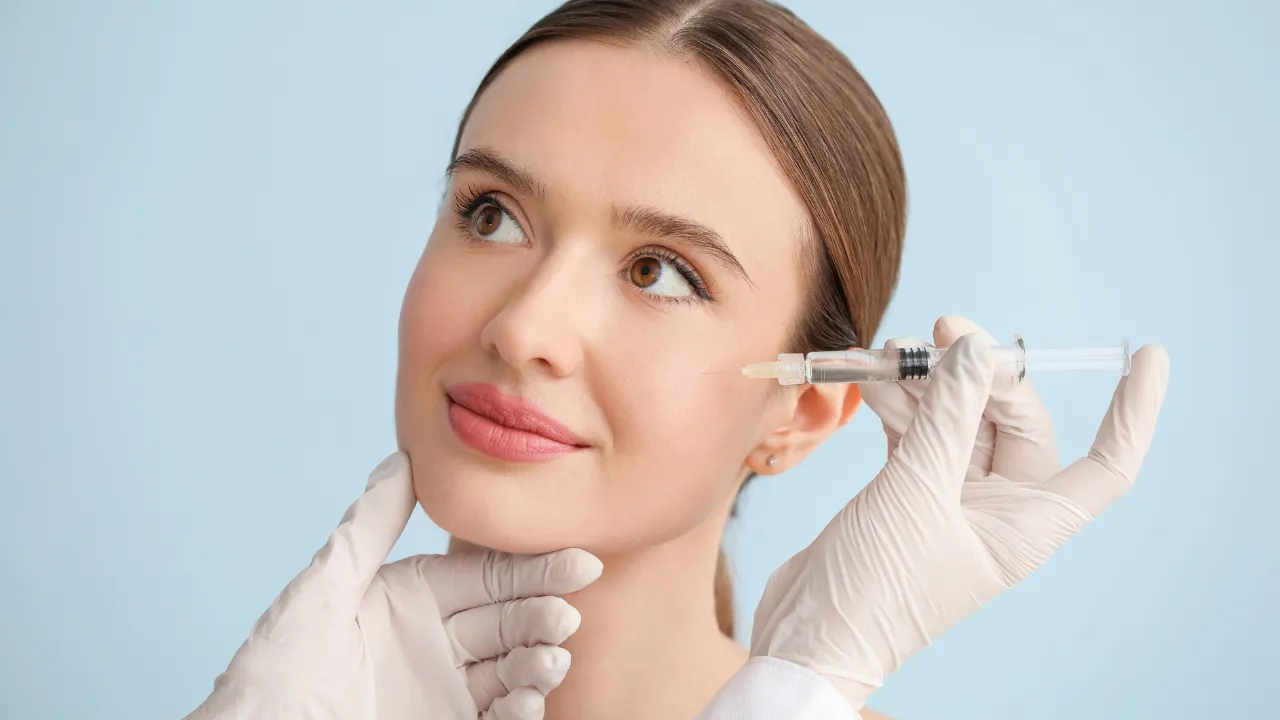
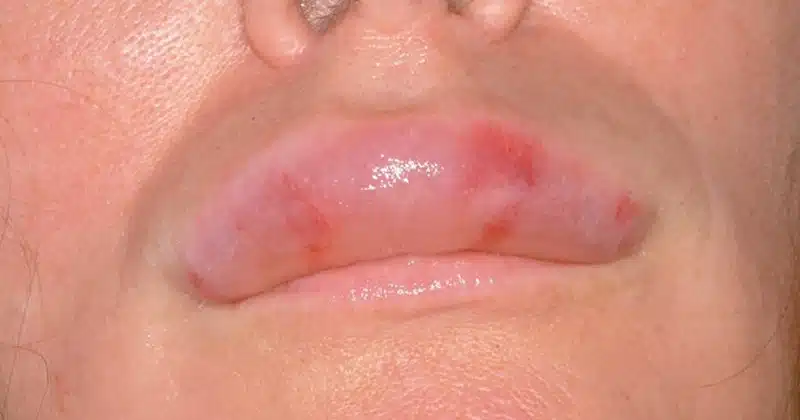
Immediately after lip filler treatment, small needle entry points remain in the skin. These openings usually close within hours, but pressure or friction can delay closure. Lipstick application can press pigments into these areas before they fully seal.
Swelling also alters lip shape during early recovery. Applying lipstick too soon may place uneven pressure on the tissue and increase soreness, which is why patients are often advised to apply ice in short intervals to help control inflammation. Waiting allows swelling to resolve and supports more even healing.
Lipstick restrictions are part of a broader early aftercare approach rather than an isolated rule. The same healing principles apply to touching the lips, applying pressure, kissing after lip fillers, or exposing the area to unnecessary irritation. Avoiding lipstick simply reduces the risk of preventable complications.
When Lip Products Are Safe Again
Lipstick Vs Lip Gloss
Lipstick tends to be firmer and requires more pressure during application, while lip gloss is lighter and applied with minimal contact. Some patients find gloss more comfortable later in recovery, though the timing of precautions remains similar.
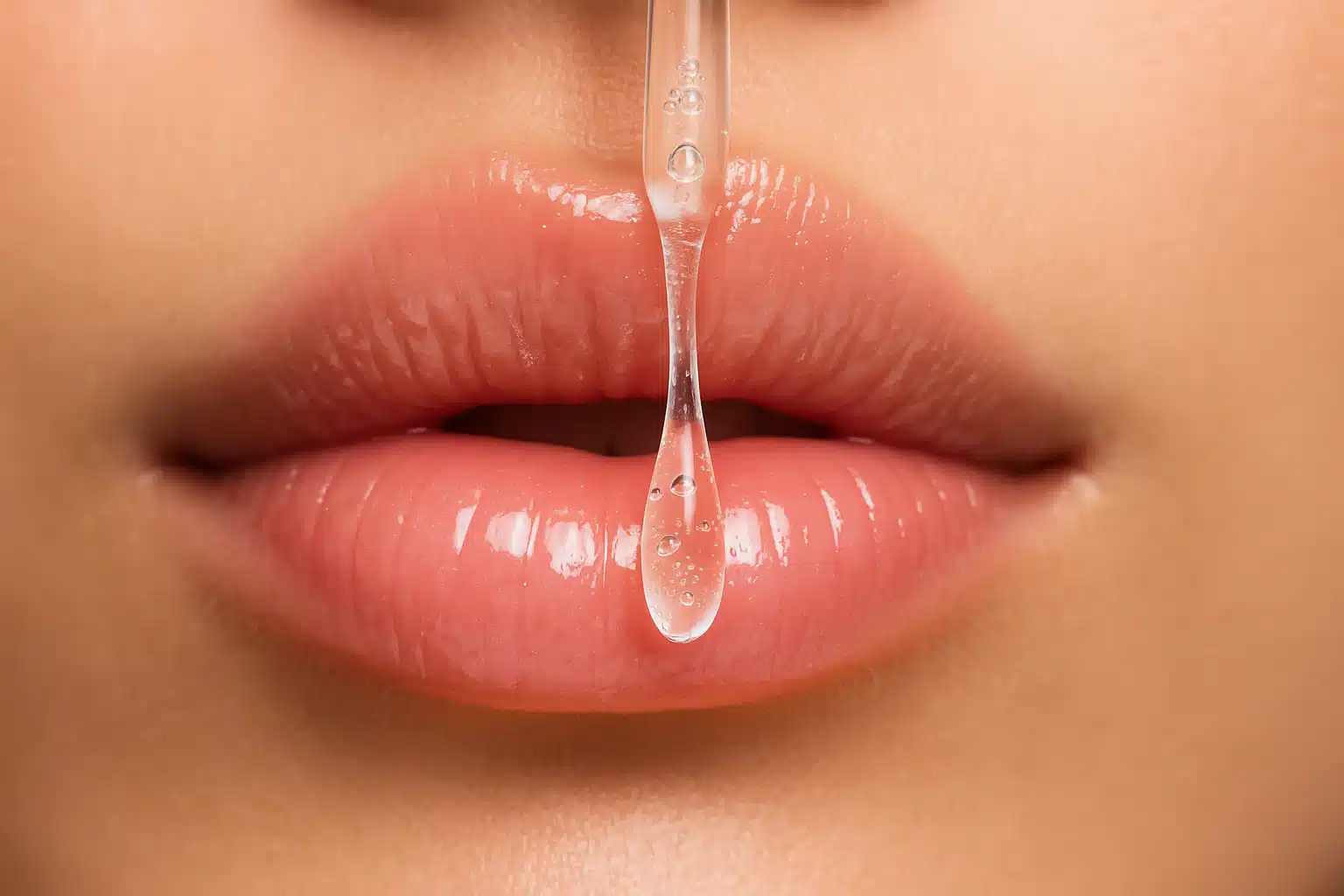
Both products still come into direct contact with the lips and should be avoided until the skin feels healed. Fragrance-free formulas reduce irritation, and starting with lip balm can help restore moisture without putting pressure on the skin.
When Lip Liner Becomes Safe
Lip liner requires precise pressure along the lip border, an area often affected by bruising and swelling. Because of this, lip liner is usually best avoided until tenderness resolves. This often occurs several days after treatment.
How To Apply Lipstick After Lip Fillers
Products To Start With
When resuming lipstick, start with clean, sanitized products. Avoid old or heavily used lipsticks, as they may harbor bacteria. Cream-based or hydrating formulas are often better tolerated during early recovery.
Matte or long-wear formulas may feel drying and increase friction. Using lip balm beforehand can improve comfort and help protect sensitive skin.
Application Tips To Avoid Irritation
Apply lipstick with a light hand and minimal pressure. Avoid repeatedly going over the same area, especially near injection sites. Using a clean lip brush can reduce direct contact and irritation.
Some providers may recommend a gentle massage only after swelling has resolved and if specifically advised. Removing lipstick gently and avoiding exfoliation during the first week supports ongoing healing.
How Long After Lip Fillers Can You Wear Makeup
Makeup Around The Mouth
Face makeup near the mouth does not usually contact injection sites directly. Many patients can resume makeup around the lips within 24 hours. Care should still be taken to avoid rubbing the treated area.
Clean brushes and gentle blending help reduce irritation. Powder products may feel lighter during early recovery.
Full-Face Makeup Timing
Full-face makeup is generally safe once swelling begins to decrease. This often aligns with the same 24 to 48-hour window used for other non-contact products. Avoiding excessive heat and friction remains important, along with temporary habits such as avoiding alcohol after lip fillers.
Lip Filler Aftercare Guidelines
What To Avoid During Healing
After lip filler treatment, several activities should be limited. These include excessive lip touching, applying makeup too soon, and exposing the area to high heat. Patients are also advised to avoid strenuous exercise during the first 24 hours, as increased blood flow can worsen bruising and swelling.
Alcohol intake and drinking coffee after lip fillers may contribute to swelling and bruising. Drinking plenty of water helps the skin stay hydrated and supports recovery. These measures help create a stable healing environment.
Signs Lips Are Ready For Makeup
Lips should feel soft, with minimal swelling and no tenderness. The skin surface should appear smooth without redness. If makeup causes discomfort, waiting longer is appropriate.
How Soon After Lip Filler Can You Get More
Why Waiting Matters
Touch-up treatments are not usually performed immediately. The lips need time to settle so volume and shape can be evaluated accurately. Injecting more filler too soon can increase swelling.
Typical Touch-Up Timelines
Many clinicians recommend waiting at least two weeks before additional filler. This allows tissue to stabilize and supports predictable outcomes.
If you still have questions, such as whether you can put on lipstick after lip fillers or when you can wear it, a personalized evaluation can provide clearer guidance based on your individual healing process. This approach helps you make informed decisions while reducing unnecessary risks during healing.