Dermal fillers work by placing a soft gel under the skin to restore volume and support facial structure. During a dermal filler injection, the filler injected fills hollow areas and smooths out wrinkles by lifting tissue from beneath. Many patients ask how fillers work, and the answer is direct.
The filler adds volume right away, and some types can stimulate collagen production over time. Results depend on the type of filler and the area of the face treated.
Dermal fillers are injectable fillers used to add volume and refine facial features, as explained in this overview of facial fillers.
At Kopelman Aesthetic Surgery, Dr. Joel Kopelman reviews facial anatomy before recommending a dermal filler treatment. This article explains how dermal fillers work, the available types, the duration of results, and key safety considerations.
Key Takeaways
- Dermal fillers restore volume under the skin and improve hollow areas.
- Different types of dermal fillers work by adding structure and by stimulating collagen production.
- Results appear soon after a dermal filler procedure, but duration depends on the type of filler and treatment area.
- Most side effects are mild, but rare problems require immediate medical care.
- Proper preparation and provider skill improve safety.
How Does Filler Work in the Skin?
A dermal filler procedure places gel under the skin to restore volume lost with age. The filler injected supports soft tissue and improves contour.
Hyaluronic acid fillers attract water and blend with tissue to restore volume. Other fillers, such as calcium hydroxylapatite and poly l lactic acid plla, can stimulate collagen production. The effect varies depending on the type of filler used.

What Happens During a Dermal Filler Procedure?
A dermal filler treatment starts with a medical review and facial exam. The provider assesses the facial area and selects the appropriate depth for dermal filler injection. Knowledge of anatomy lowers risk.
The dermal filler injection usually takes less than one hour. Mild swelling may occur, and most patients return to normal activity the same day.
How to Prepare for a Dermal Filler Treatment
Preparation reduces bruising and swelling. Patients should share their medical history before injecting dermal fillers.
Providers may suggest:
- Avoiding aspirin or NSAIDs if approved
- Avoiding alcohol for 24 hours
- Reporting blood thinners or supplements
These steps help reduce side effects.
Types of Dermal Fillers
There are several types of dermal fillers. Fillers include hyaluronic acid fillers, calcium hydroxylapatite, poly l lactic acid plla, and PMMA.
Hyaluronic acid fillers provide immediate, reversible volume. Calcium hydroxylapatite adds deeper support. Polylactic acid (PLA) is slowly absorbed and promotes collagen formation over time.
How Do Fillers Work on the Face?
The answer depends on skin thickness and volume loss.
Under the eyes, fillers restore volume in hollow areas.
For wrinkles, filler smooths them by lifting folds.
For marionette lines and the perioral area, the filler adds volume to improve contour.
For acne scars, filler lifts depressed scars.
How Do Fillers Work Before and After?
A dermal filler procedure produces a visible change immediately. Swelling may affect appearance for a few days. As swelling fades, the final contour becomes clearer.
Some fillers that stimulate collagen production improve gradually over weeks. Results vary depending on the type of filler used.

How Long Do Dermal Fillers Last?
Results typically last 6 months to 2 years. Longevity depends on product type, metabolism, and the area of the face treated.
Hyaluronic acid fillers typically last 6 to 12 months. Calcium hydroxylapatite may last longer. Collagen-building fillers develop gradually.
Aftercare and Recovery Guidelines
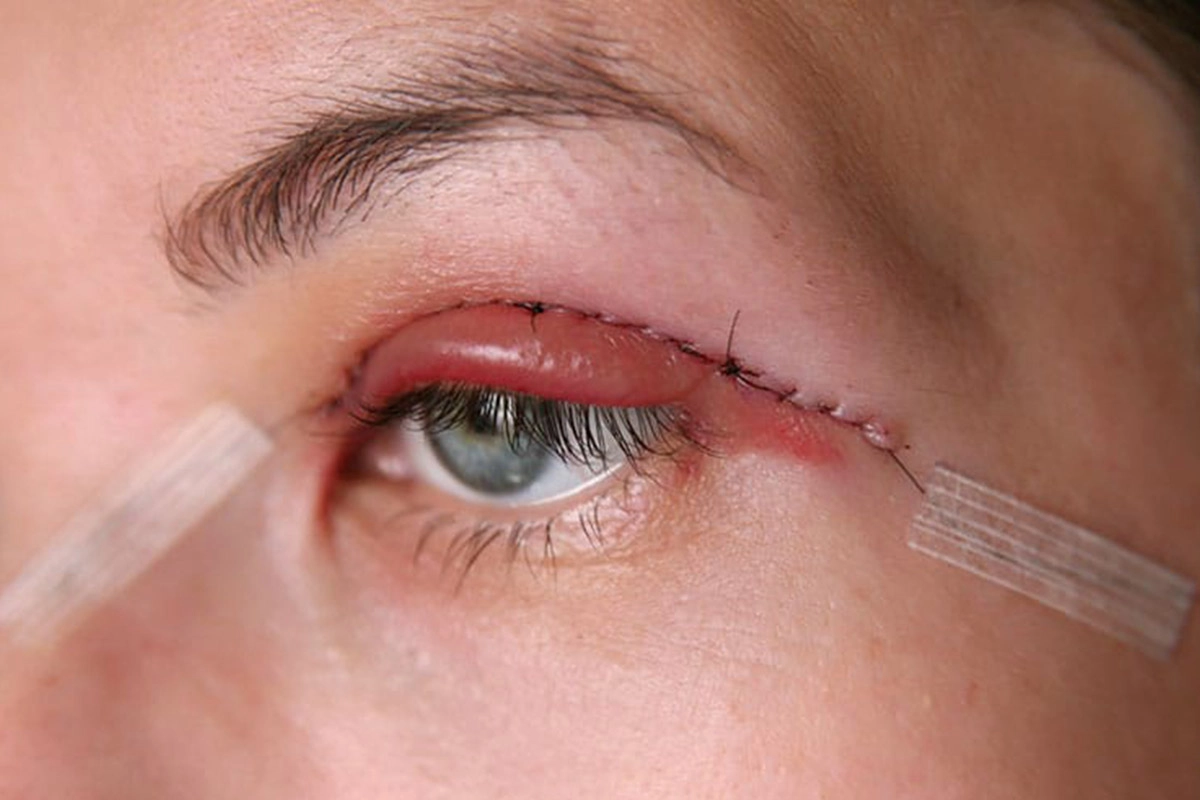
After dermal filler treatment, mild swelling and tenderness are common. The area may feel firm at first.
Avoid intense exercise and heat for 24 to 48 hours. Avoid pressing the treated area unless instructed. Follow-up helps confirm healing.
Can Dermal Fillers Be Reversed or Adjusted?
Some dermal fillers can be reversed. Hyaluronic acid fillers respond to hyaluronidase.
Other fillers, such as calcium hydroxylapatite and poly lactic acid (PLLA), degrade slowly over time. They cannot be dissolved right away.
Dermal Fillers Safety, Risks, and Side Effects
All medical treatments carry risk, and questions about whether dermal fillers are safe should be discussed during consultation. Most side effects are mild and temporary.
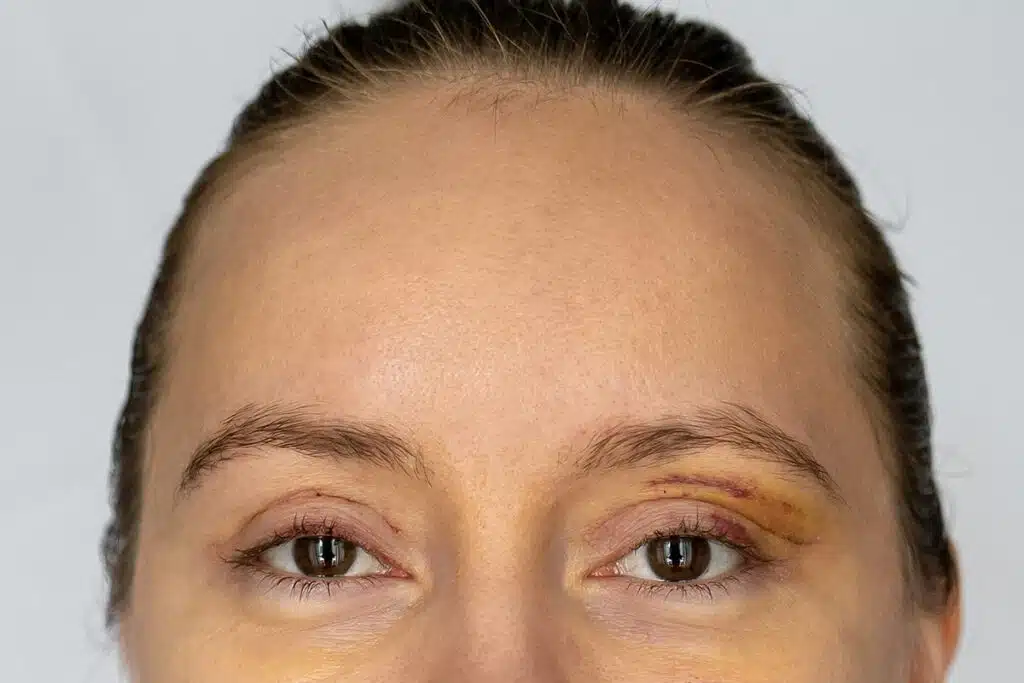
Common side effects include swelling and bruising. Rare complications include blood vessel blockage.

When to Seek Immediate Medical Care
Seek urgent care if you have severe pain, vision changes, or skin discoloration. Fast treatment reduces damage.
Understanding Vascular Risks
Accidental injection into a blood vessel can reduce blood flow. Skilled providers use safe techniques to lower this risk.
Do Fillers Ruin Your Face?
When done properly, fillers do not damage facial tissue. Concerns about whether fillers stretch your skin are often based on misunderstanding. Problems usually result from excess product or poor technique.
Choosing a Qualified Provider
Board-certified surgeons understand anatomy and injection depth. Dr. Kopelman applies careful planning during dermal filler procedures.
Dermal Fillers Cost
Dermal filler costs vary by product and region, and a breakdown of the cost of injectable fillers may clarify pricing. In many cases, treatment costs range from 1800 to 2500 per session, depending on the product selected and the amount of filler required. Pricing also reflects the treatment area and provider expertise.
What Affects Price Per Syringe
Price depends on product type, treatment area, and provider experience.
Frequently Asked Questions About Dermal Fillers
How do dermal fillers work differently from Botox?
Dermal fillers add volume under the skin. Botox relaxes muscles that cause lines.
Are dermal fillers permanent?
Most fillers are temporary and gradually break down.
When should I see a provider after treatment?
Seek care right away if you have severe pain, vision changes, or unusual skin color. Mild swelling and bruising are common.
Plan Your Dermal Filler Treatment
If you are considering dermal filler treatment, scheduling a consultation can help you understand your options.
During the visit, your medical history and facial anatomy are reviewed. Dr. Joel Kopelman explains risks, benefits, and realistic expectations so you can make an informed decision.