

Full-face contouring fillers are cosmetic injectables used to restore structure and balance across various facial areas. This article explains how these treatments work, which areas are treated, and what patients should understand before considering them.
Dr. Joel Kopelman, a facial plastic and oculoplastic surgeon at Kopelman Aesthetic Surgery, applies an anatomical and clinical approach that focuses on proportion and safety.
Key Takeaways
- Full-face contouring fillers address multiple facial areas to restore balance, rather than treating fine lines alone.
- Treatment decisions depend on facial anatomy, the area treated, and the type of filler selected.
- Results focus on proportion and support, not dramatic surface changes.
- Cost and longevity vary based on the chosen product, the number of treated areas, and metabolism.
- Safety depends on proper assessment, injector experience, and knowing when fillers are not appropriate.
What Are Facial Contouring Fillers
Facial contouring fillers are injectable treatments that reshape facial features by restoring support and volume.
Unlike treatments focused solely on fine lines, this approach addresses broader changes associated with aging and volume loss. Facial contouring fillers are often placed across multiple areas to achieve a more balanced overall result.
How full face contouring works
Full-face contouring involves injecting filler into selected areas to support the face as a whole. Injecting filler in a planned pattern helps redistribute volume across the upper, middle, and lower face. Placement depends on anatomy, skin quality, and the treatment plan.
Full face vs single-area fillers
Single-area treatments focus on a single concern, such as face-contouring fillers, nasolabial folds, or localized volume loss. A full-face approach examines how changes in one area affect others. This supports more balanced facial features.
Areas Treated With Full Face Contour Fillers
A full-face plan considers how aging affects multiple regions simultaneously. Volume loss and sagging skin often follow patterns that guide treatment decisions.
Cheeks, jawline, and chin
The cheeks often lose support first, leading to flattening, lines, and wrinkles. Changes in the jawline and chin can reduce definition. Treating these areas together helps restore structure.
Lips and lower face balance
The lips and lower face affect overall balance. Careful filler placement can add volume without changing natural proportions. Attention to the area treated helps avoid overcorrection.
Best Fillers for Face Contouring
The best fillers for face contouring are selected based on facial anatomy, treatment area, and desired support. Hyaluronic acid fillers are commonly used because they add volume, move naturally with expression, and can be adjusted if needed.
Dynamic options like Restylane Contour support midface structure, while biostimulatory fillers may be used when gradual collagen support is preferred. Learn more about the best facial fillers.
Hyaluronic acid fillers
A hyaluronic acid filler mimics a naturally occurring substance in the skin. These fillers blend well with tissue and can be adjusted depending on the type of filler used. Their flexibility suits many facial areas.
Restylane Contour filler
Restylane Contour filler supports facial movement while maintaining shape. It is often used in the midface where expression and structure both matter. Product choice depends on anatomy.
Most natural-looking filler options
The most natural-looking filler options are those that match the treatment area and move naturally with the face. Hyaluronic acid fillers are often preferred because they blend smoothly with tissue and allow controlled volume. When placed at the correct depth and in the right amount, these fillers help preserve facial movement and support subtle, balanced changes.
How Different Fillers Compare for Full Face Contouring
Facial contouring fillers vary based on treatment goals and tissue depth. Some products add immediate volume, while others work gradually. This explains why more than one filler may be part of a treatment plan. More details are available on facial fillers.
Common filler categories include:
- Hyaluronic acid fillers that add volume and support
- Biostimulatory fillers that support collagen over time
- Fat-based treatments are used in select plastic surgery cases
The type of filler chosen depends on anatomy, specific areas, and support needs.
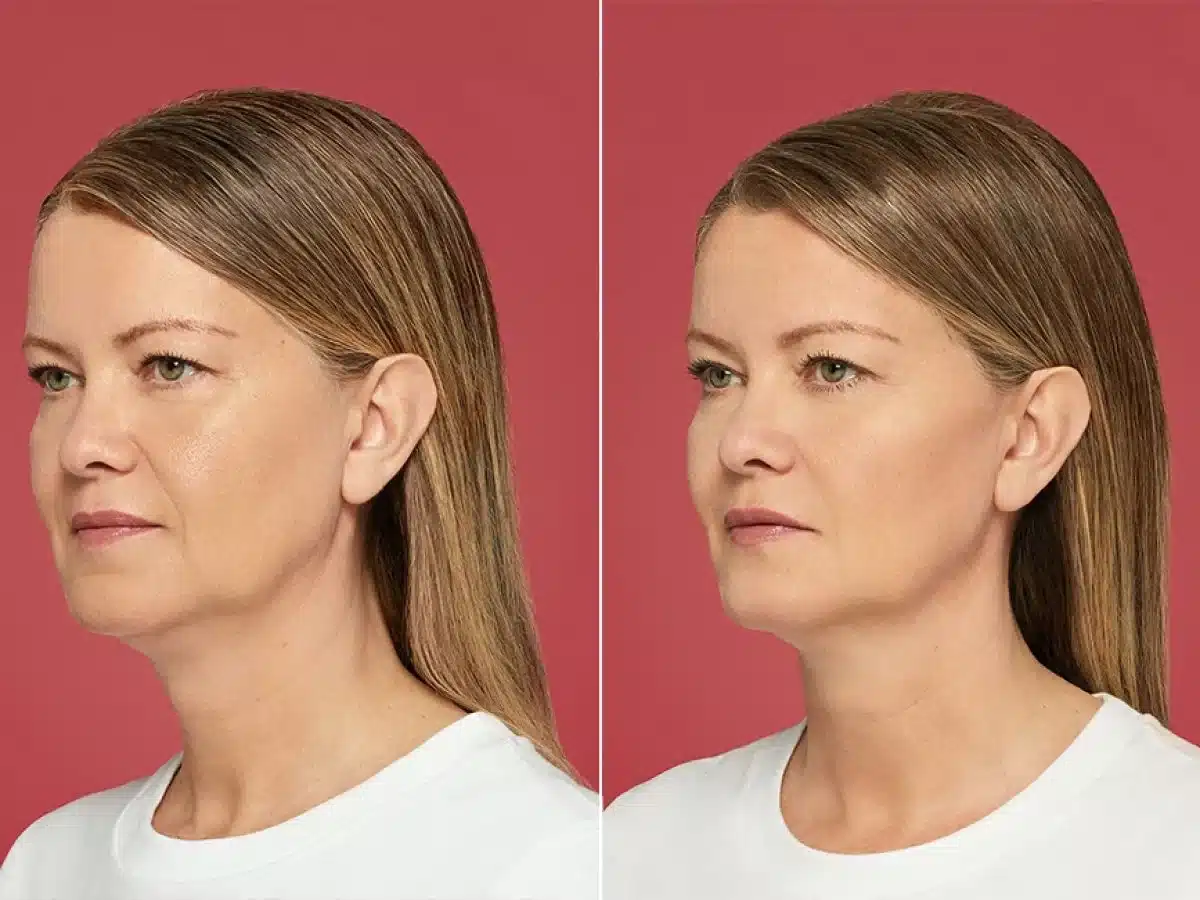
Full Face Contour Fillers Before and After
Before-and-after images show how facial contouring fillers change the overall shape. These comparisons focus on structure rather than a single feature.
Results often show better balance across the cheeks, jawline, and lower face. Changes appear gradual when planned carefully. These outcomes relate to deeper support.
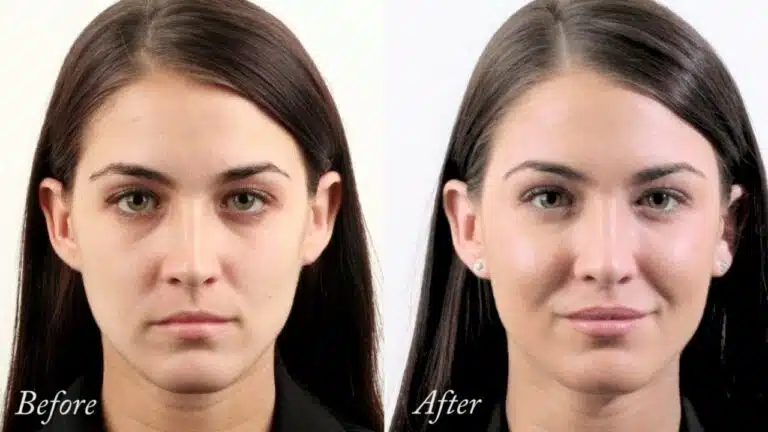
Restylane Contour before and after
Images often highlight midface changes. They show restored shape while preserving expression. Results vary by anatomy and technique.
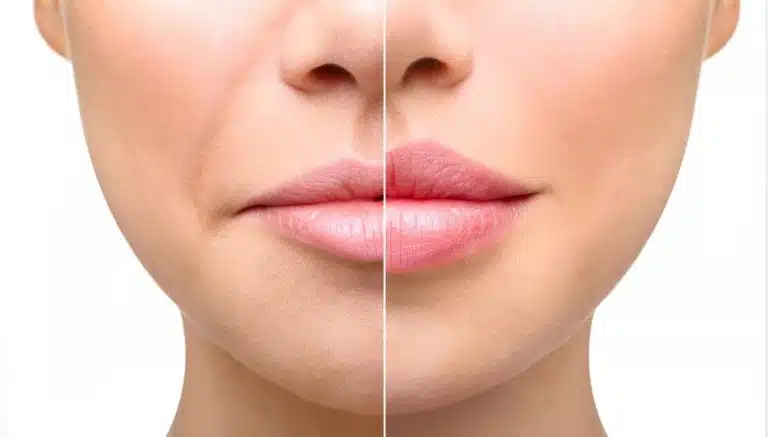
Lip contouring results
Lip contouring focuses on shape and proportion rather than size. Small changes can improve harmony with other facial features. See examples in the face filler before-and-after photos.
Full Face Contour Fillers Cost
In New York, full face contour fillers typically range from $3,000 to $7,500 or more, depending on the number of syringes required. Most patients need 3 to 6 syringes, and each syringe commonly costs $900 to $1,500.
Full-face contour fillers cost more than single-area treatments because multiple areas may need to be injected. Pricing reflects product amount and complexity. Learn more about the cost of injectable fillers.
What affects treatment price
Cost depends on the type of filler, number of syringes, and treatment area. Provider experience and location also matter. More areas increase time and product use.
Risks and Safety Considerations
All cosmetic injectables carry potential side effects. Understanding risks supports informed consent.
Riskiest areas for fillers
Some facial regions contain essential blood vessels. The nose, temples, and mouth area require advanced knowledge. These risks highlight careful planning.
How injector expertise reduces risk
Experience in facial anatomy reduces complications during filler injection. Knowledge of placement and product behavior is essential. Dr. Kopelman emphasizes anatomical assessment for safety.
When Fillers May Not Be the Right Option
Facial contouring fillers are not suitable for every concern. Advanced sagging skin or significant structural changes may not respond well to fillers alone. These cases need careful evaluation.
Some patients may benefit more from surgical options than cosmetic injectables. This depends on anatomy and goals. Understanding limits helps manage expectations.
Who Is a Good Candidate
Good candidates show mild to moderate volume loss or changes in facial structure. They should be in good health and have realistic goals. Full face contouring fillers do not replace plastic surgery when deeper correction is needed.
Full Face Contouring vs Single-Area Filler Treatment
Some patients need complete face treatment, while others need only one area addressed. This depends on how volume loss affects balance. Evaluating the whole face helps guide the plan.
A complete face approach may be considered when:
- Volume loss affects multiple regions
- One area change impacts others
- Upper and lower face balance shifts
Single-area treatment is suitable for isolated fine lines or limited concerns.
Results Timeline and Longevity
Results often appear soon after treatment and refine as swelling resolves. Longevity depends on the type of filler and treatment area. Maintenance may be needed based on metabolism.
Clinical Context and Treatment Duration
Most hyaluronic acid filler products used in facial contouring are FDA-approved for facial use. Many last between 6 and 18 months, depending on the type and area treated. Movement and injection depth affect duration.
Biostimulatory fillers may last longer due to collagen support. Some require multiple sessions. These timelines are discussed during consultation.
Choosing a Provider for Full Face Contouring
Choosing a qualified provider affects safety and outcomes—training and experience matter.
How to find qualified injectors near you
Look for board-certified physicians with training in facial anatomy. Review credentials and clinical focus. Consultations should include risks and alternatives.
Why experience matters
Facial contouring often involves multiple areas that must work together for balanced results. Understanding facial aging patterns helps guide safer and more consistent planning across the face. Dr. Kopelman’s surgical background informs his anatomical approach to filler placement.
Patients who want individualized guidance can schedule a consultation to review anatomy, options, and suitability for treatment.