

Dermal fillers in the temples are injectable treatments used to restore volume loss in the temples and improve facial balance as the face ages. They work by adding support to deeper tissue layers in one of the areas of the face that commonly loses volume over time, helping reduce a hollow or recessed appearance.
This article explains how the treatment works, who it may suit, safety risks, recovery, how long results last, and treatment planning considerations.
Key Takeaways
- Dermal fillers in the temples are used to restore volume loss and improve facial balance, without lifting the skin or altering facial expression.
- Temple filler injections involve a higher anatomical risk because important blood vessels are nearby, making injector skill essential.
- Hyaluronic acid products are commonly used in this area.
- Temporary swelling or bruising is common within the first 24 hours, while serious complications are uncommon when injections are performed correctly.
- Results often last 9 to 18 months, with treatment based on balance, aesthetic goals, and conservative use of filler.
What Does Temple Filler Do?
The treatment adds volume to the temple area, which can look hollow as fat and soft tissue decrease and the face loses volume. The goal is to restore volume loss in the temples so the transition between the forehead, temples, and upper cheeks appears smoother.

Temple fillers do not tighten skin or lift muscles. Instead, they support deeper tissue layers, softening sharp contours caused by volume loss. This distinction helps patients understand how fillers differ from plastic surgery procedures.
Dermal Fillers for Hollow Temples
Dermal fillers for the temples are often considered by people who notice sunken areas along the sides of the forehead. These changes may occur gradually as the face loses volume with age. Hollow temples can make the upper face look tired or more angular.
The temples help support the upper face. When this area loses volume, the forehead and outer eye regions may appear recessed, altering overall balance.
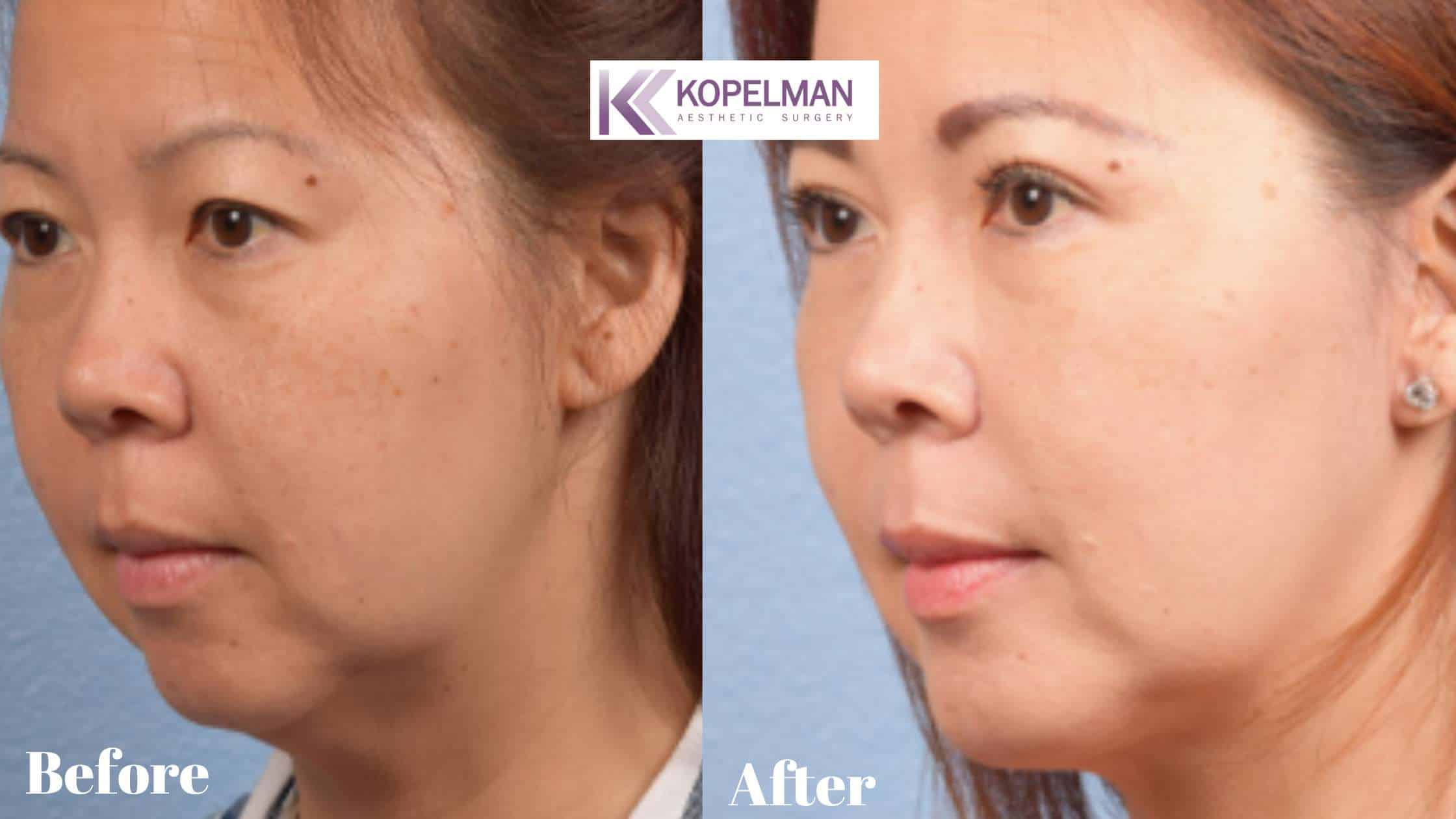
Dermal Fillers in the Temples Before and After
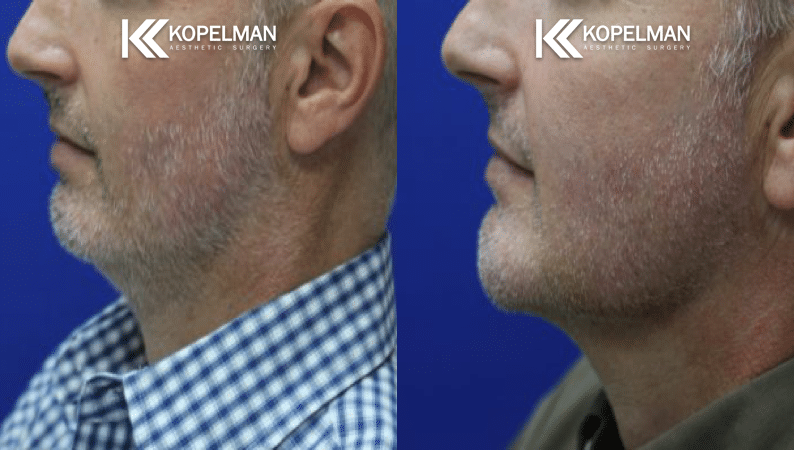
Before-and-after photos show how restoring volume can change facial contour rather than expression. Most changes involve smoother transitions between the forehead and cheekbones. Results are usually subtle when treatment is planned conservatively.

These images are meant to show balance, not dramatic fullness. The amount of filler is selected based on facial structure and aesthetic goals. Overfilling can disrupt symmetry, which is why restraint is important during temple filler treatments.
Are Temple Fillers Safe? Risks and Side Effects
Many patients want to understand whether dermal fillers are safe overall. The temples contain major blood vessels and lie close to deeper anatomical structures. Temple filler injections can be dangerous if the anatomy, depth, or the injection site is not carefully respected.
Some effects are expected and temporary, while others are uncommon but more serious. Most reactions improve on their own within the first 24 hours to several days. Understanding this difference helps patients make informed decisions.
Common and rare outcomes include:
- Common effects such as swelling, mild pain, and bruising around the injection site that improve within days.
- Rare complications such as vascular injury if filler enters a blood vessel.
Because of this anatomy, injecting dermal fillers in the temples is more complex than treating many other facial areas. Safe treatment depends on detailed anatomical knowledge and precise technique.
What Filler Is Used in the Temples?
Hyaluronic acid fillers are most often used in the temples, making them one of the most popular dermal fillers for facial volume restoration. These include HA filler products that integrate well with tissue and can be adjusted or dissolved if needed. Many commonly used fillers are FDA-approved for facial volume restoration when used appropriately.
Filler behavior in the temples differs from softer areas like the lips. The product must spread evenly and remain stable at deeper levels to reduce uneven contours.
Benefits of Dermal Fillers for the Temples
The main benefits of temple filler include improved facial balance and smoother upper-face contours. Treatment is designed to restore volume loss in the temples rather than create visible fullness. These benefits of temple filler focus on structure and proportion.
Another benefit is that treatment does not involve surgery. Temple filler treatments are typically performed in an outpatient setting.
Dermal Fillers in the Temples Recovery
Recovery after temple filler injections is usually mild, but the area may feel more sensitive than other facial areas. Filler swelling, tenderness, or bruising at the injection site often appears within the first 24 hours and improves over several days.
Patients are typically advised to avoid pressure on the temples, strenuous exercise, alcohol, and short-term heat exposure to allow the filler to settle evenly.
How Long Do Temple Fillers Last?
Temple fillers typically last between nine and eighteen months, depending on the type of filler used, the amount of filler placed, and individual metabolism.
Deeper placement in the temple area often yields longer-lasting results than in other areas of the face. Gradual volume loss occurs as the body gradually absorbs the filler.
For those considering temple filler treatments, a consultation can help assess anatomy, safety factors, and where you can get dermal fillers safely in different areas of the face. Scheduling a visit allows for an informed discussion before making any decisions.