
Nasolabial fold fillers are a non-surgical treatment used to soften facial lines that run from the nose to the corners of the mouth. They work by adding support under the skin where volume has been lost.
In clinical practice, dermal fillers for nasolabial folds address changes linked to skin aging rather than tightening the skin itself. Results vary by anatomy, filler type, and placement, and they are temporary. Safety depends on careful planning, conservative dosing, and provider experience, which this article explains in detail.
This article explains how nasolabial fold fillers are used as a medical treatment option, how results change after treatment, and which safety factors matter most. The information reflects standard approaches in cosmetic dermatology, including those used at Kopelman Aesthetic Surgery, where Dr. Kopelman practices as a facial plastic surgeon.
Key Takeaways
- Nasolabial fold fillers soften lines from the nose to the corners of the mouth by restoring support under the skin, not by stopping the aging process.
- Good results depend on understanding facial anatomy, using the right injection technique, and choosing a filler that matches skin depth and movement.
- Results are meant to look natural and balanced, with swelling settling over one to two weeks rather than instant final changes.
- Most side effects are mild and temporary, while serious risks are rare and closely linked to placement and provider skill.
- Fillers are not permanent and may need repeat treatment over time, with longevity and cost varying by individual needs.
Do Nasolabial Fold Fillers Work?
Nasolabial fold fillers can reduce the look of lines that run from the nose to the corners of the mouth. They work by restoring support beneath the skin where volume loss has occurred. When placed correctly, fillers soften shadows without freezing facial movement.
This treatment works best when the goal is improvement, not total removal of lines. Fillers do not stop skin aging or prevent future changes. Results depend on facial structure, product choice, and injector experience.
Not every patient is a good candidate for filler treatment. People with loose skin or advanced tissue sagging may not see significant improvement from fillers alone. Unrealistic expectations can also lead to disappointment. In these cases, other nasolabial fold treatments or surgical options may be discussed.
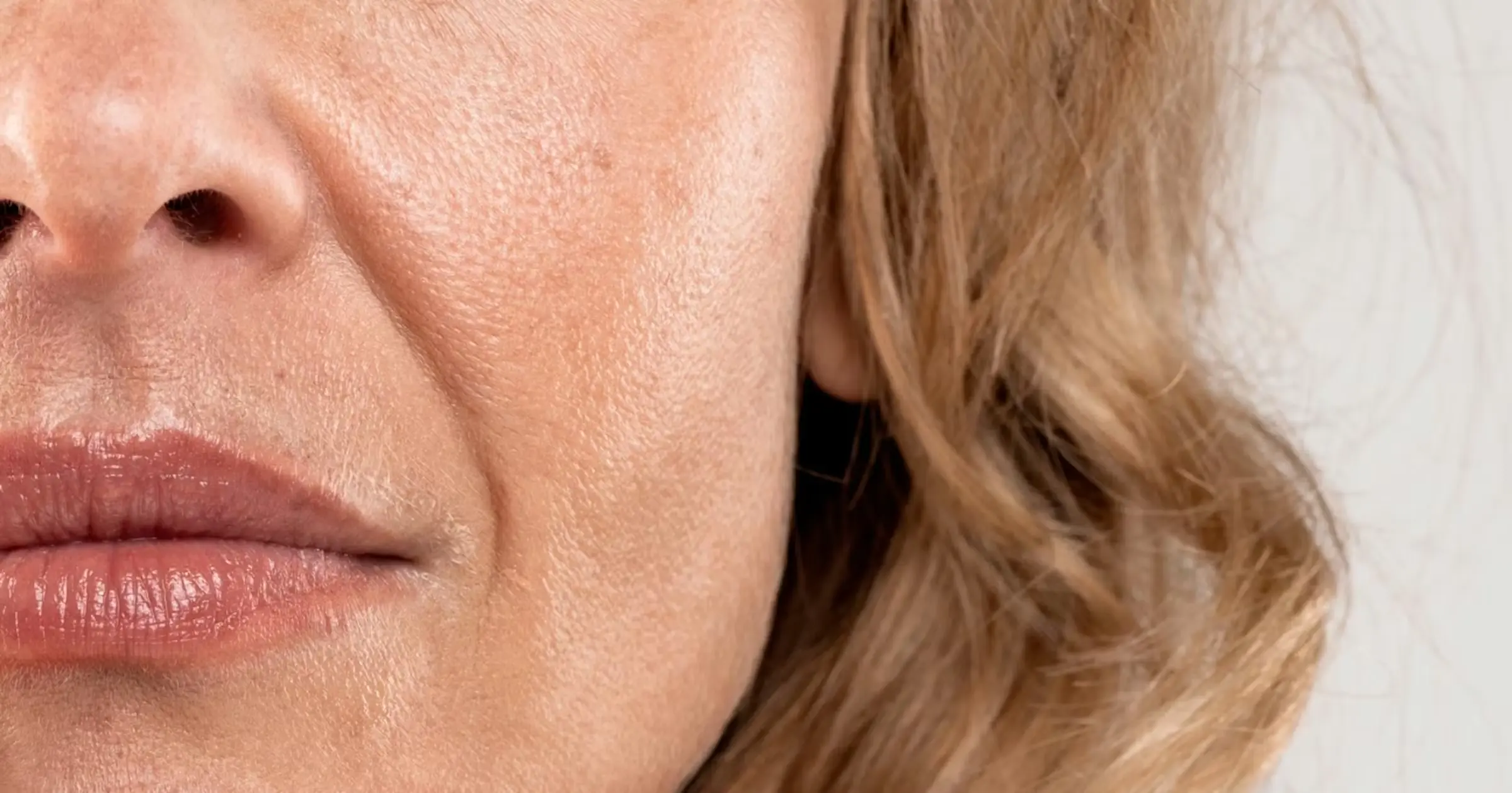
What Causes Nasolabial Folds
Loss of collagen and elastin weakens skin support, while fat pads move downward. These changes create creases along the path from the nose to the corners of the mouth.
Other factors also contribute. Sun exposure speeds up skin breakdown, and genetics affect fold depth. In some people, these factors combine to create deep nasolabial folds that need structural treatment.
How Fillers for Nasolabial Folds Are Used
Fillers are used to restore balance rather than fill a line. Treatment planning looks at facial anatomy, symmetry, and how the face moves. A careful injection technique helps lower the risk of uneven results.
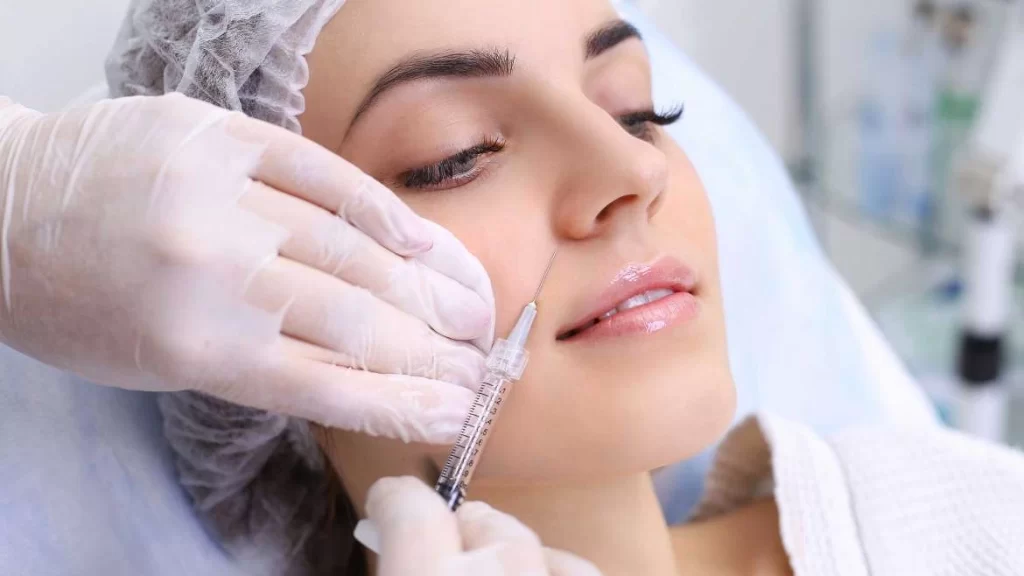
What Happens During the Appointment
A typical visit starts with a facial exam to check symmetry, fold depth, and areas of volume loss. The provider reviews facial anatomy and discusses goals.
The skin is cleaned, and filler injections are placed using a planned method. After treatment, balance is checked, and basic aftercare steps are reviewed. Patients in New York can also learn what to expect with facial fillers at Dr. Kopelman’s practice.
Nasolabial Fold Filler Technique
Before treatment, the provider checks skin thickness, fold depth, and support needs. Fillers may be placed at different depths based on structure and movement.
The fillers for nasolabial folds are injected at the chosen site to support the fold without applying pressure to the skin. Proper technique helps keep expressions natural.
Direct Filling vs Midface Support
Direct filling places a nasal fold filler directly into the crease to soften the visible line. This approach can help shallow folds but may add weight near the mouth if too much product is used.
Midface support works differently by adding volume to the cheek area, lifting tissue, and indirectly reducing fold depth. For many patients, midface support creates smoother transitions and a more natural result with less risk of heaviness around the mouth.
Best Dermal Fillers for Nasolabial Folds
Several fillers can be used, depending on strength and flexibility. Hyaluronic acid fillers are common because they blend well with tissue and can be adjusted. Each type of filler spreads and supports skin differently.
Thicker fillers help with deeper support, while softer ones blend fine lines near the fold. Product choice depends on skin quality, movement, and fold depth. No single filler works best for everyone. For more details, see Dr. Kopelman’s guide to the best facial fillers.
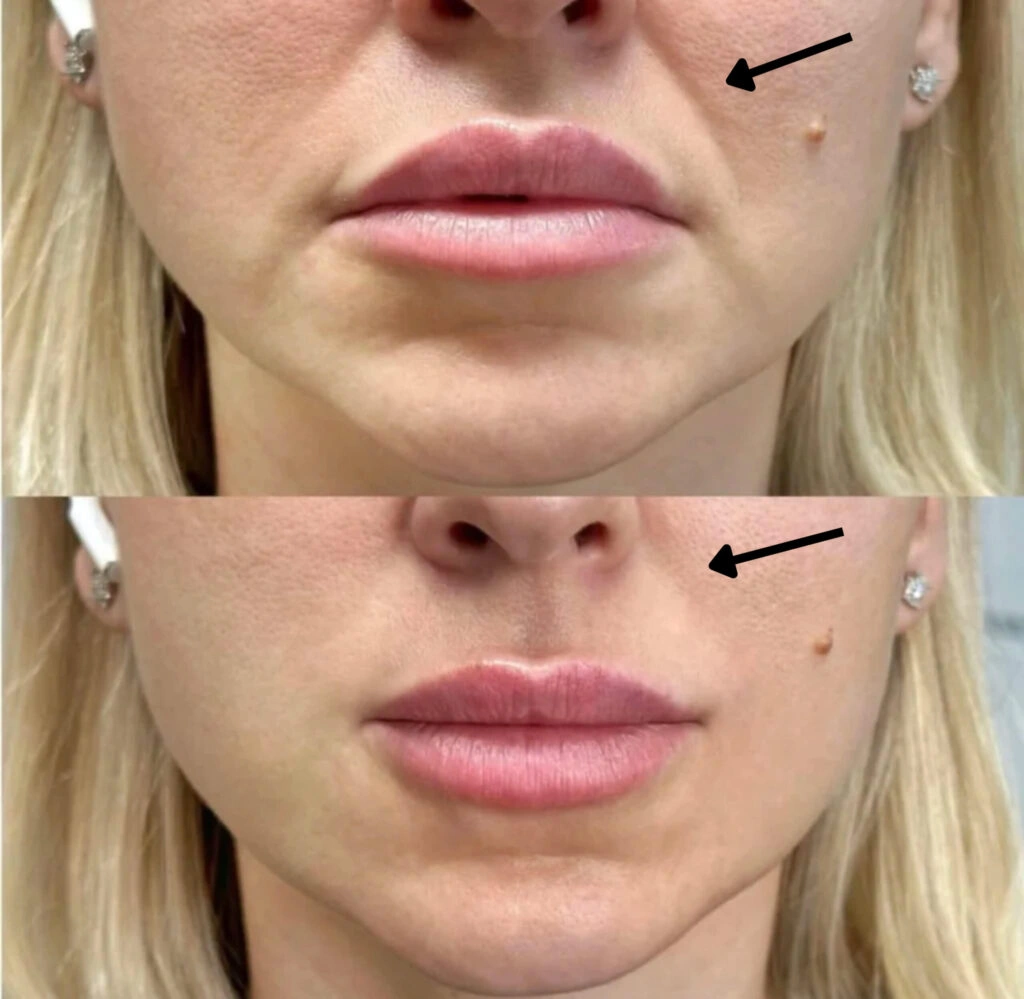
Nasolabial Fold Filler Before and After Results
Before treatment, nasolabial folds often look deeper during speech or smiling. After treatment, the area usually appears smoother and more balanced. The goal is improvement, not a flat or frozen look.
Results should be seen as softening rather than erasing lines. Good planning reduces harsh shadows while keeping natural movement. This approach supports realistic expectations and safer outcomes.
Recovery, Swelling, and Side Effects
Most people return to regular activity soon after treatment. Mild swelling or redness at injection points is common. These effects vary depending on the technique and the healing response.
Typical Recovery Timeline
Recovery usually follows a predictable pattern. The timeline below shows common stages, though healing can differ between people.