

Dermal fillers for facial symmetry can help improve balance by restoring volume in areas affected by asymmetry, especially when the imbalance is due to soft-tissue changes rather than bone structure. Facial asymmetry is common and can become more noticeable with age or volume loss.
This article explains how dermal fillers are used to improve balance, why asymmetry occurs, and which areas respond best to treatment. The information is presented as an educational overview based on clinical principles used at Kopelman Aesthetic Surgery and by surgeons such as Dr. Joel Kopelman.
Key Takeaways
- Dermal fillers can help enhance facial symmetry by restoring lost facial volume, but they do not create perfect or permanent balance.
- Treatment focuses on proportion and harmony across facial features, guided by individual aesthetic goals rather than making both sides identical.
- Facial asymmetry often relates to facial structure, muscle use, and uneven volume loss over time.
- Results are temporary, and safety depends on careful planning, proper technique, and medical expertise.
Can Dermal Fillers Make Your Face More Symmetrical?
Dermal fillers can improve symmetry by adding volume where it is missing. The goal is not perfection, since natural faces are never fully even. Instead, treatment aims to correct facial asymmetry while supporting facial harmony. Outcomes depend on anatomy, facial structure, and realistic expectations.
Fillers work best when the imbalance results from soft-tissue changes or volume loss. They do not change bone shape or treat nerve-related conditions. Some concerns may require surgical procedures rather than injections, such as cases involving eye asymmetry surgery cost considerations. Knowing these limits helps patients make informed decisions.
How Dermal Fillers for Symmetry Work
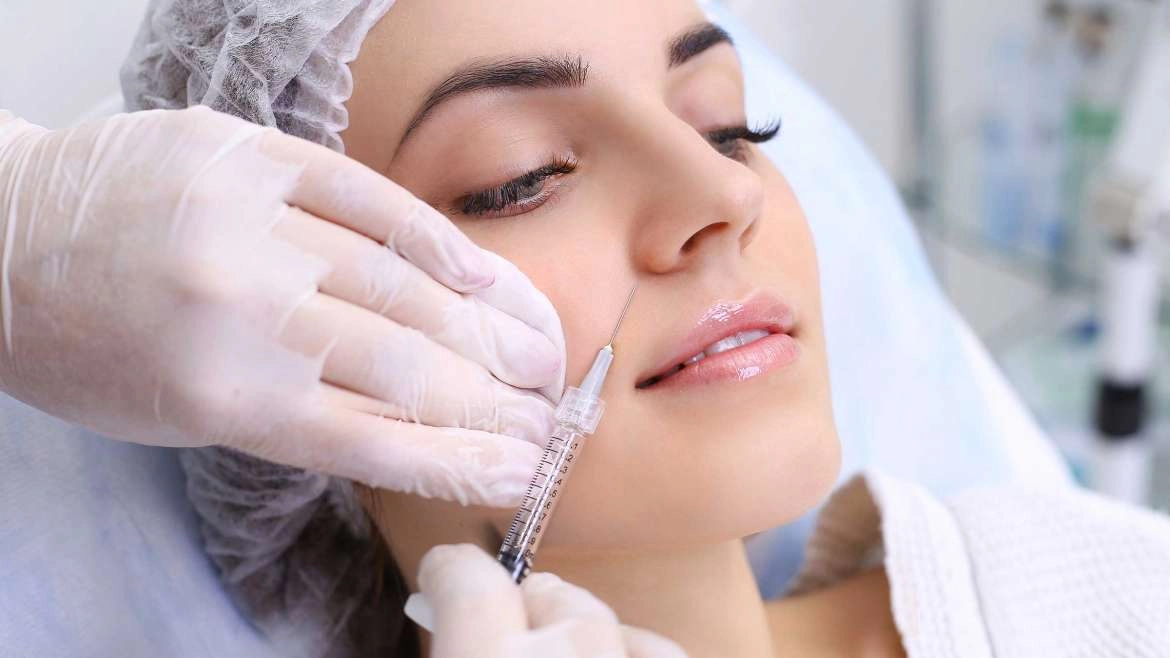
Treatment planning follows a clear and structured process. Providers assess facial movement, volume, and proportion to identify imbalance during facial balancing with fillers. The plan focuses on achieving facial symmetry without changing natural expression or facial aesthetics. These are treatments designed to improve symmetry in a controlled and measured way.
Placement is conservative to support balanced and harmonious results. Providers aim to create a more harmonious appearance rather than a dramatic change. This approach helps preserve natural features and facial movement.
Targeted volume placement
Fillers are placed in specific areas to restore support and balance. Hyaluronic acid fillers are often used because they are adjustable and integrate well with tissue. Small changes can noticeably improve alignment. The focus remains on structure, not surface detail.
What Causes Poor Facial Symmetry?
Facial asymmetry often begins with natural differences in facial structure or muscle activity. Habits such as chewing on one side can also influence balance. Aging adds to this by causing uneven fat loss and reduced facial volume. Fillers can address volume-related changes but cannot alter bone anatomy.
Facial Areas Commonly Treated With Fillers
Cheeks and jawline
Cheeks respond well because they support the midface and overall balance. Jawline fillers can improve contour and help improve symmetry across the lower face. For example, one cheek may appear flatter due to uneven volume loss. Careful placement restores support and proportion across the cheeks lips area, guided by precise cheek filler injection points.

Chin and lips
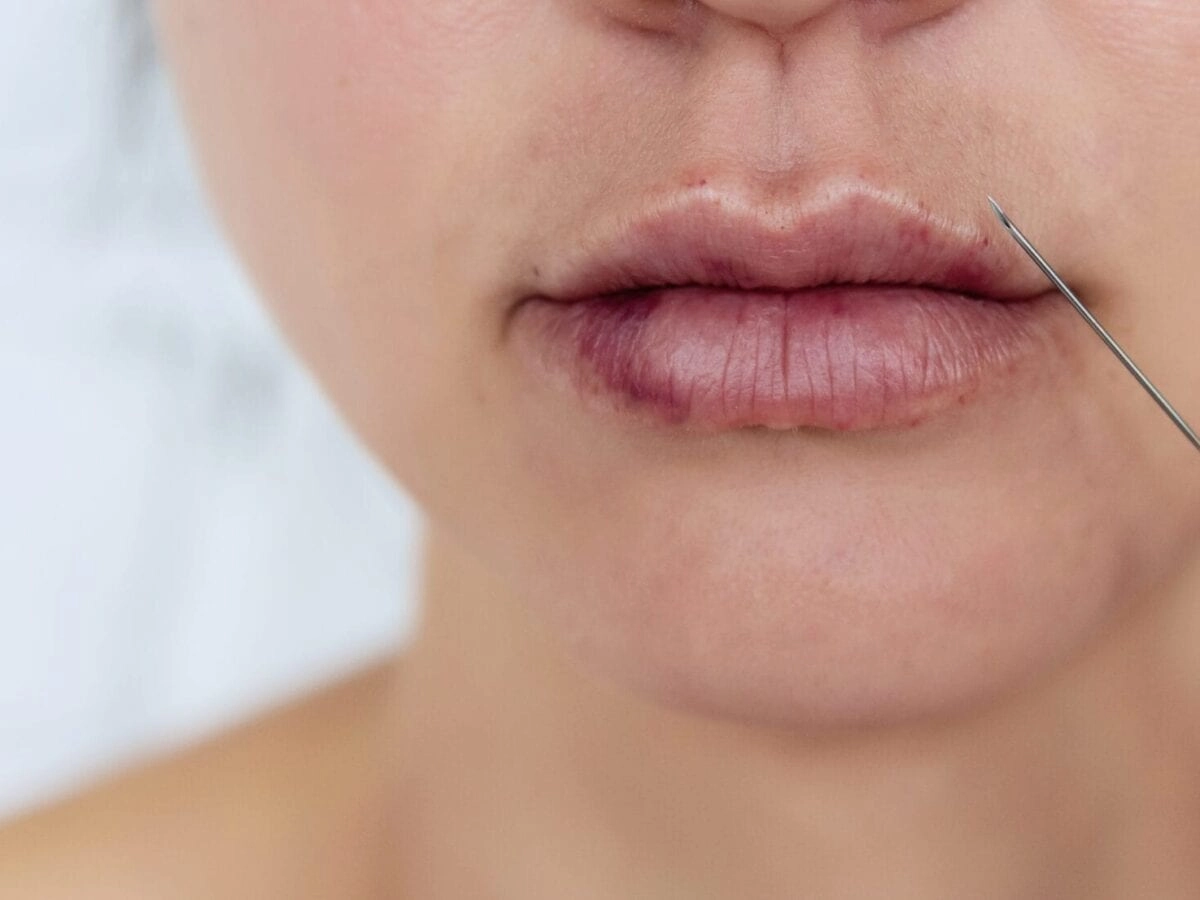
Chin asymmetry may appear as a slight shift when viewed from the front. Lips can look uneven if one side has less volume or definition. Lip fillers are often used to correct these differences in a controlled way, while other patients may explore lip lift benefits depending on anatomy and goals. Minor adjustments help even shape while respecting natural facial features.

Side Effects and Safety Considerations
Common side effects include swelling, bruising, or tenderness. These effects are usually temporary. Less common risks include uneven correction or injury to blood vessels. Proper technique and knowledge of anatomy reduce these risks.
Some swelling may cause early unevenness after treatment. This usually improves within days. Because fillers are minimally invasive, recovery often involves minimal downtime. Many fillers can be adjusted or dissolved if needed.
Results, Longevity, and Limitations
Most fillers last between six and eighteen months. Longevity depends on the product used and the area treated. Perfect symmetry is not realistic or necessary. Treatment aims to enhance facial symmetry while maintaining natural expression and facial harmony as part of a broader approach to facial rejuvenation.
Who Is a Good Candidate?
Good candidates are healthy and have realistic aesthetic goals. Mild to moderate imbalance caused by volume loss responds best to facial symmetry fillers. Results are temporary and require maintenance. Scheduling a consultation helps confirm whether non-surgical care is appropriate or if other options should be considered.