
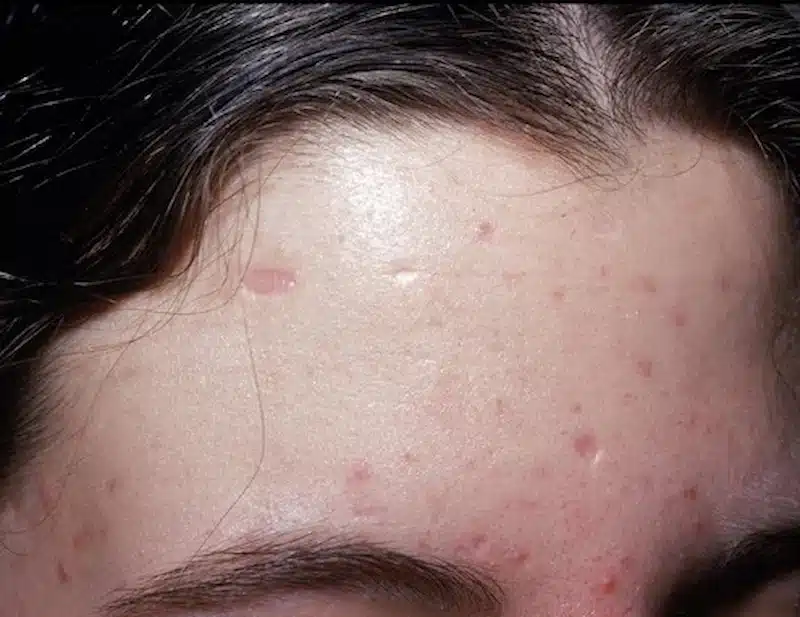
Dermal fillers for atrophic scars can improve sunken scars by restoring volume beneath the skin, but they do not remove scars or change surface texture. Effectiveness depends on scar type and depth, which is why acne scar treatment with fillers requires evaluation in clinical settings such as Kopelman Aesthetic Surgery, where Dr. Joel Kopelman practices facial plastic and oculoplastic surgery.
Key Takeaways
- Dermal fillers can improve depressed scarring, including atrophic acne scars, by restoring volume beneath the skin, but results depend on scar type and depth.
- Fillers improve contour rather than surface skin texture, which limits their role in scar correction.
- Different types of scars and each type of acne scarring responds differently, making careful evaluation essential.
- Dermal fillers are one option for treating acne scars, often administered over multiple treatment sessions.
Can Dermal Fillers Help Atrophic Scars?
Dermal fillers can help select atrophic scars by lifting depressed tissue to a level with the surrounding skin. Their role is structural support rather than resurfacing or pigment correction. Outcomes vary based on scar characteristics and individual skin response.
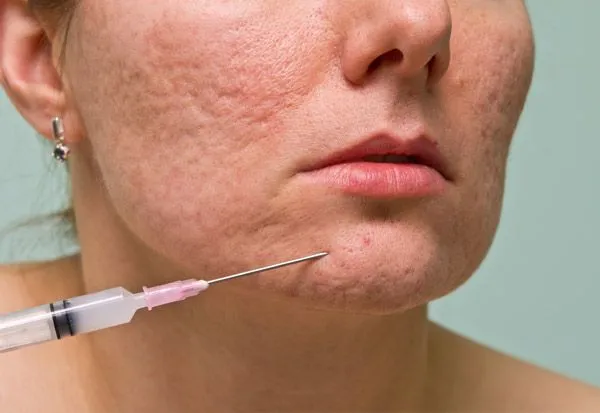
What Dermal Fillers Cannot Correct?
Dermal fillers do not resurface the skin or directly improve skin texture. They also do not treat raised scars, such as hypertrophic scars. Their use is limited to volume restoration beneath sunken areas.
Atrophic and Pitted Scars Explained
Atrophic scars develop due to collagen loss during healing and are common after inflammatory acne. Pitted scars are one type of acne scarring, characterized by deeper, sharper depressions. Acne scars, including rolling, boxcar, and ice-pick patterns, fall under the broader group of atrophic acne scars.
How Dermal Fillers Treat Scars
Fillers are placed beneath the scar to restore lost volume and improve contour. A dermal filler for scars works by supporting tissue from below rather than altering the skin surface. These materials are commonly referred to as soft tissue fillers in clinical practice.
Best Fillers for Atrophic Scars
Hyaluronic acid fillers are commonly used because they are adjustable and reversible. Other soft-tissue fillers may be selected based on scar depth and skin thickness.
These products are among the most popular fillers used in clinical practice for scar-related volume correction.
Results, Longevity, and Treatment Planning
Results from dermal fillers for atrophic scars focus on improving contour rather than completely removing scars. Visible improvement is usually assessed after swelling resolves.
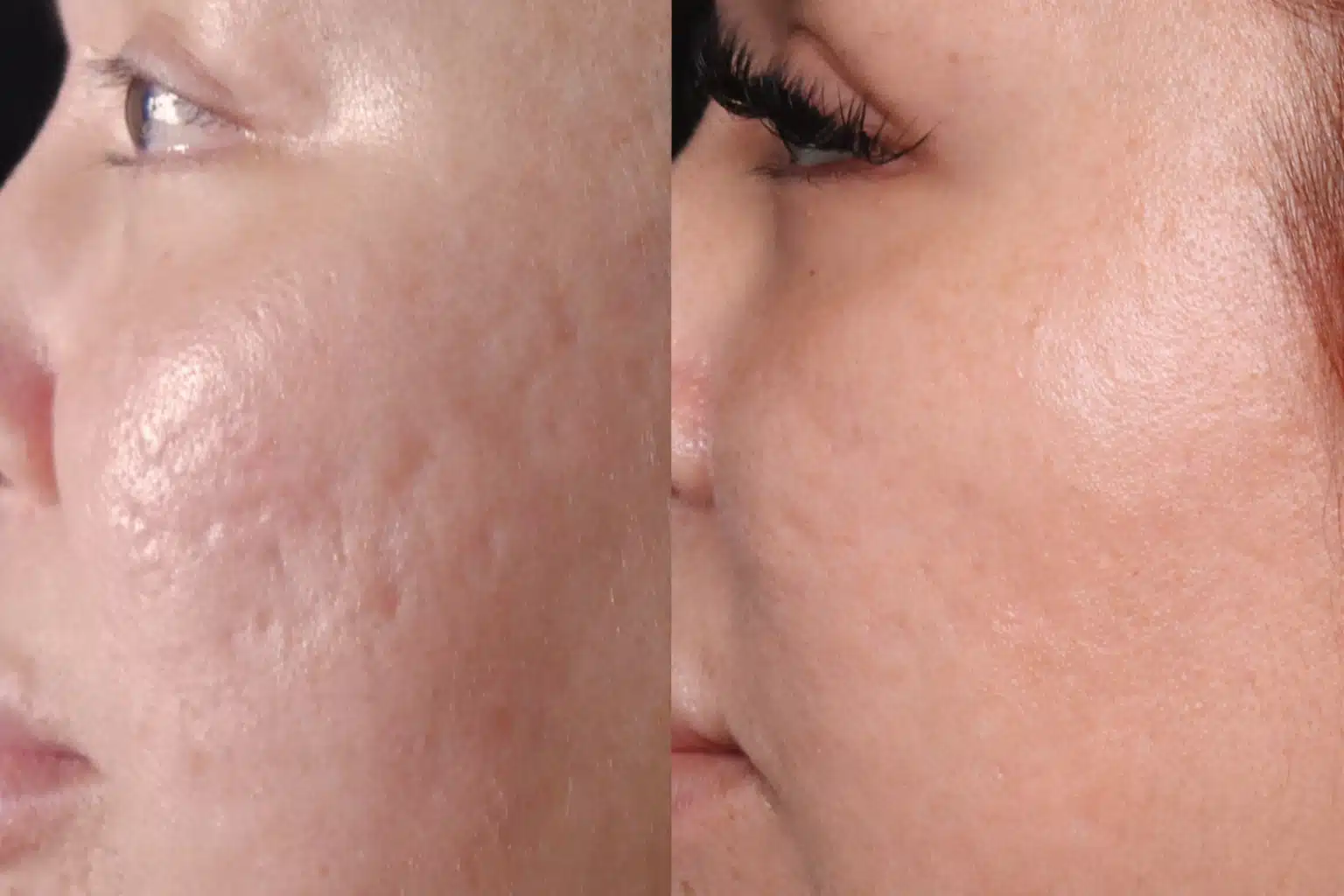
The duration of fillers varies by product and individual factors. Most hyaluronic acid–based fillers last about 6 to 12 months, after which the material gradually breaks down. Many patients plan repeat treatment sessions to maintain results over time.
Patients comparing durability may also review information on the longest-lasting dermal filler when discussing long-term planning.
Risks and Candidacy Considerations
Temporary filler swelling and bruising are common and usually resolve on their own. A potential side effect of filler treatment is uneven correction, particularly when scars are deeply tethered. Rare risks include vascular complications, which is why careful technique is essential.
Concerns about long-term appearance are common, and the Do Fillers Ruin Your Face guide explains how proper technique and planning reduce these risks.
Candidates typically have stable, non-inflamed atrophic scars and realistic expectations. Very deep scars or raised scars, including hypertrophic scars, may not respond well to fillers. Other methods may be more appropriate in these cases.
When to See a Specialist
Specialist evaluation is essential for deep, complex, or mixed scar patterns. Medical assessment helps guide safe treatment planning. This supports informed decisions and realistic expectations.
A clinical evaluation can help determine whether dermal fillers are appropriate for your acne scar treatment needs. Scheduling a consultation allows for an informed discussion of available options.