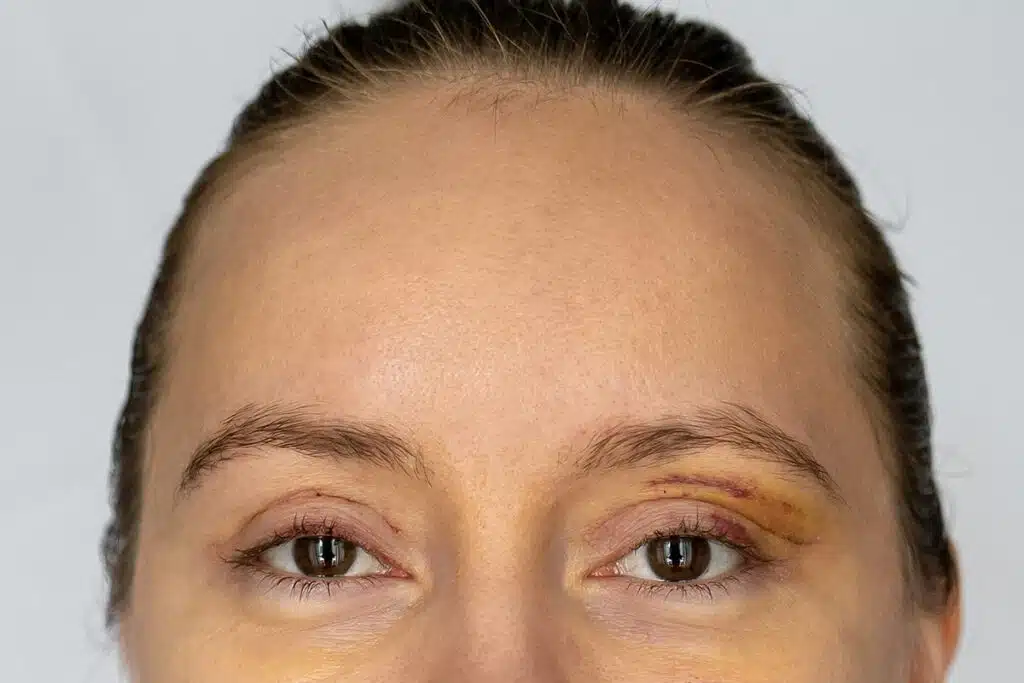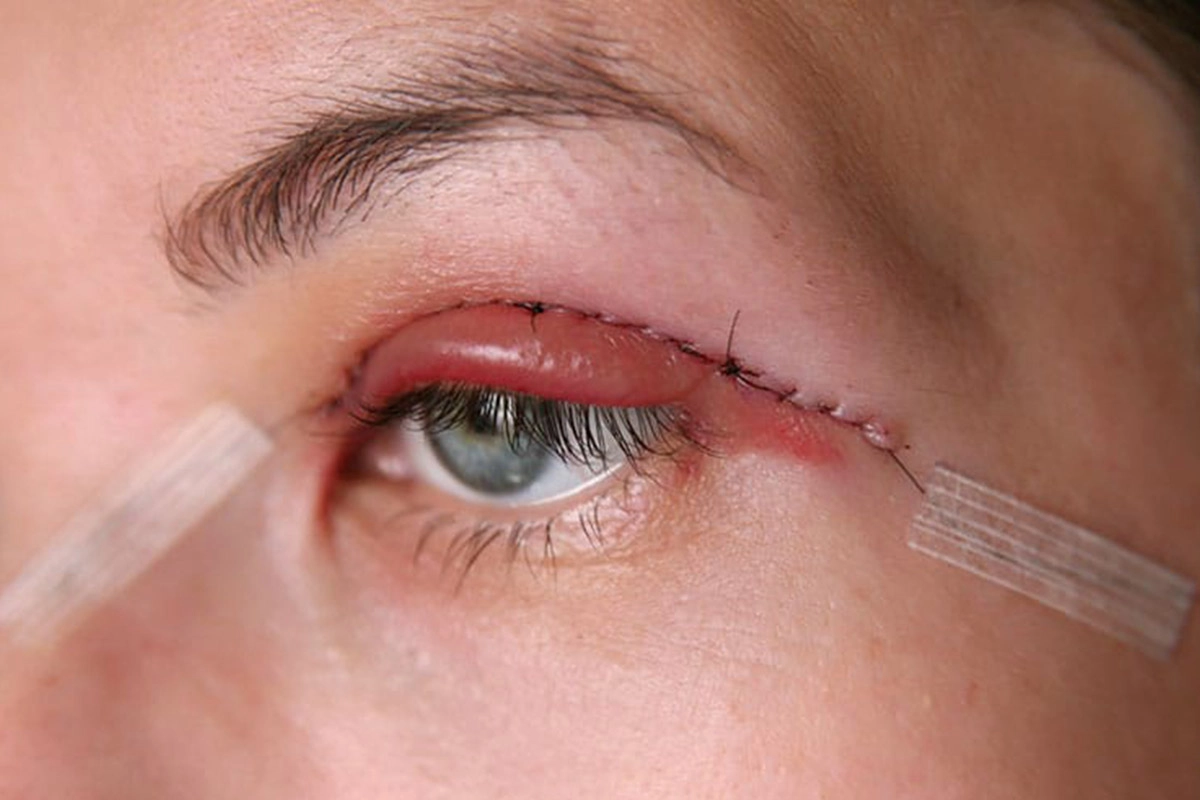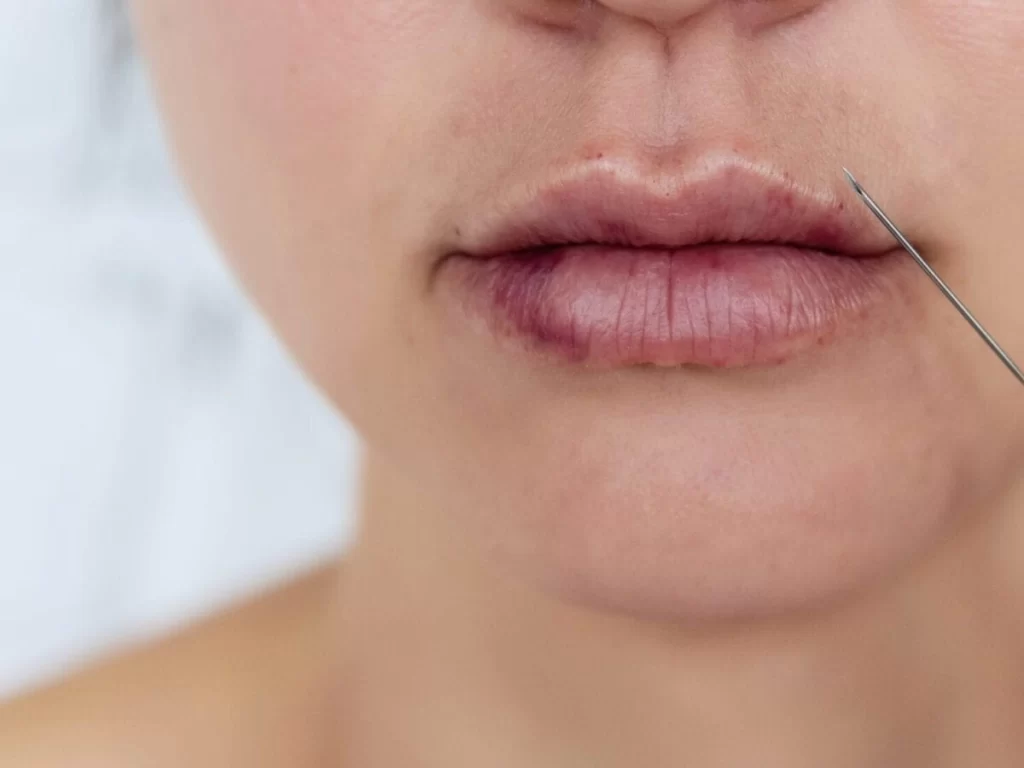
Bruising from dermal fillers is common and usually mild. It occurs when a dermal filler injection disrupts small blood vessels beneath the skin. Most bruises appear within 24 hours and fade in about one to two weeks.
As Dr. Kopelman explains, bruising is a known and expected response to needle-based treatments and varies from individual to individual.
Most cases improve steadily without medical treatment. The bruising typically changes color as it heals, and symptoms tend to be short-term. Understanding what’s normal versus concerning helps patients avoid unnecessary worry.
Key Takeaways
- Bruising with dermal fillers is caused by minor bleeding under the skin and often resolves without intervention.
- It commonly appears within 24 hours and fades within 7 to 10 days.
- Certain facial areas, blood thinners, and skin type can increase the likelihood of bruising.
- Applying cold compresses and following aftercare instructions can help avoid bruising.
- If symptoms worsen or persist, a medical review may be needed.
Why Bruising Happens After Fillers
A dermal filler injection can affect superficial blood vessels, especially in high-movement areas like the lips or chin. This is a normal response and a common side effect, not a complication.
Factors that increase the likelihood of bruising include:
- Thinner skin and superficial capillaries
- Frequent muscle movement
- Use of medications or supplements that thin your blood
To learn more about safety and preparation, visit ” Are Dermal Fillers Safe? “
How Long Does Dermal Filler Bruising Last?
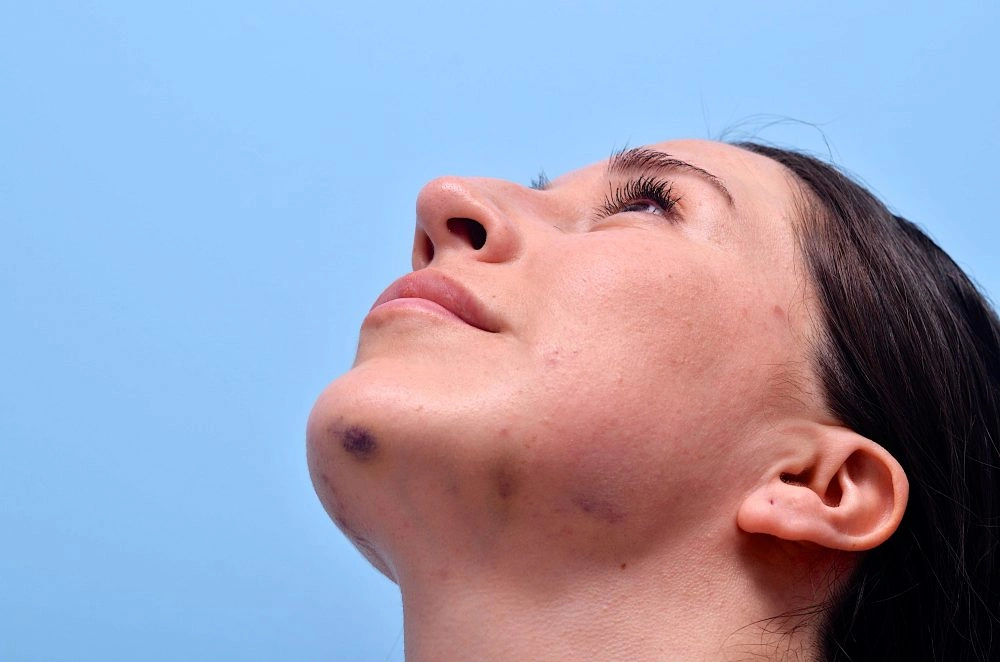
Bruising usually appears within 24 hours of a facial filler treatment. Discoloration typically fades within a week, though healing may vary. Color changes–like purple, green, or yellow–are part of the natural recovery process.
If bruising persists beyond two weeks, a consultation may be recommended. According to Dr. Kopelman, this doesn’t always indicate a problem but may warrant follow-up.
What Bruising Looks Like and Where It Appears
Photos of bruising after fillers show small patches near injection sites. Tenderness and slight swelling are common during early recovery.
Chin and marionette line bruising may be more noticeable due to thinner skin and movement. These areas generally take longer to fade but still reflect normal post-filler bruising.
How to Treat and Heal Filler Bruising
Care Steps by Timeline
- First 24 hours: Apply cold compresses gently and avoid strenuous activity.
- Days 2–7: Resume light activity and monitor changes in skin color and swelling.
To avoid bruising, follow these basic steps:
- Avoid alcohol before and after treatment
- Follow your provider’s anti-inflammatory guidance
- Stay hydrated and care for your skin gently
While some use green tea or natural remedies, evidence for these approaches is limited.
Before and After Treatment Tips
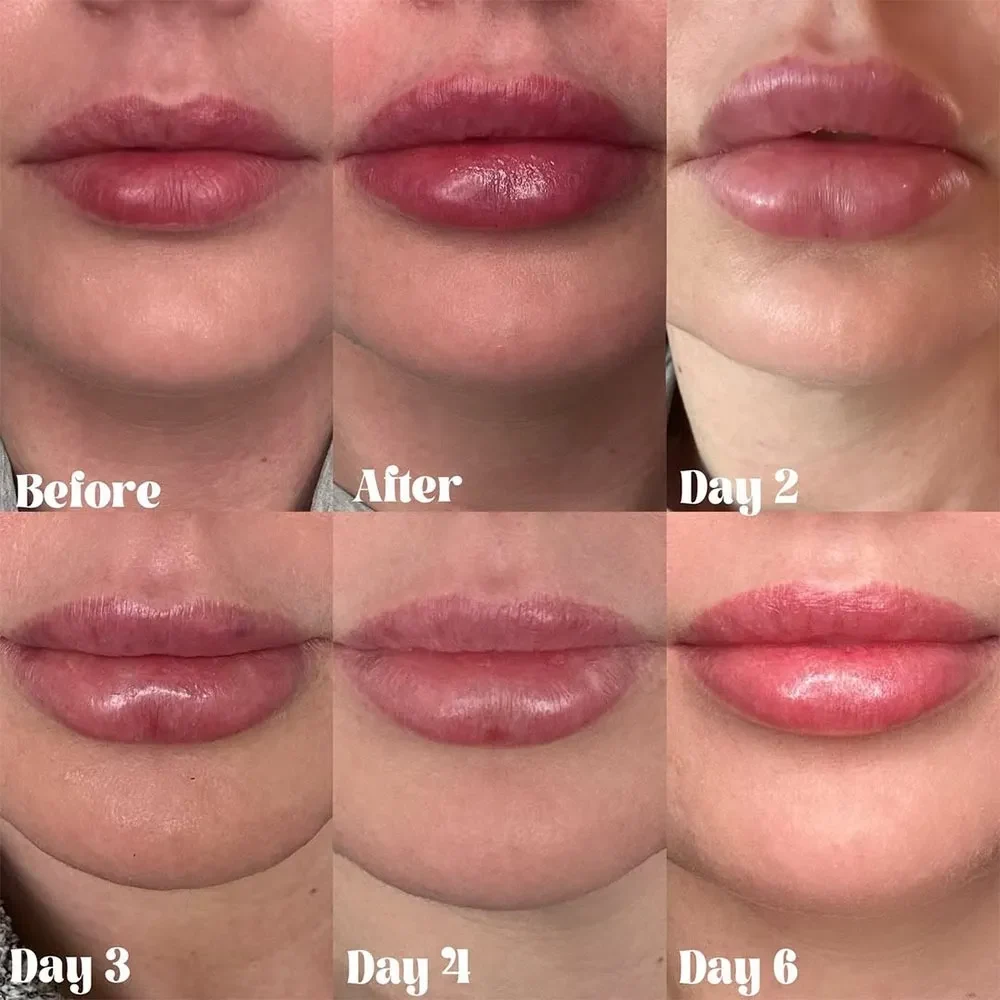
To reduce post-filler bruising, preparation is key. Avoiding alcohol or supplements that thin your blood during the week before a dermal filler treatment can help lower risk.
Post-procedure, avoid massaging or pressing on the treated areas. Follow your provider’s aftercare instructions closely for the best results.
When a Bruise From Filler Won’t Go Away
While most bruises fade gradually, a bruise from filler won’t go away if pain worsens or discoloration spreads. These symptoms may suggest more than routine healing and should be evaluated.
Avoid self-treatments that promise fast results. Monitoring changes and getting clinical input if symptoms persist is the safest approach.
Serious Complications to Know About
Early Signs of Vascular Occlusion
Vascular occlusion is rare but serious. Look for signs like sudden pain, blanching, or skin mottling. These symptoms require immediate medical care.
Filler Rejection vs Normal Reactions
Most reactions are mild, but persistent swelling or firmness may indicate filler rejection. Learn more about rare cases of facial fillers gone wrong.