Botched Surgery Before and After: Complete Guide

When patients search for botched plastic surgery before and after photos, they want to understand what went wrong and whether the damage can be fixed. This guide covers real examples of bad plastic surgery outcomes before and after, explains why procedures fail, and outlines the surgical and non-surgical options that can restore natural results.

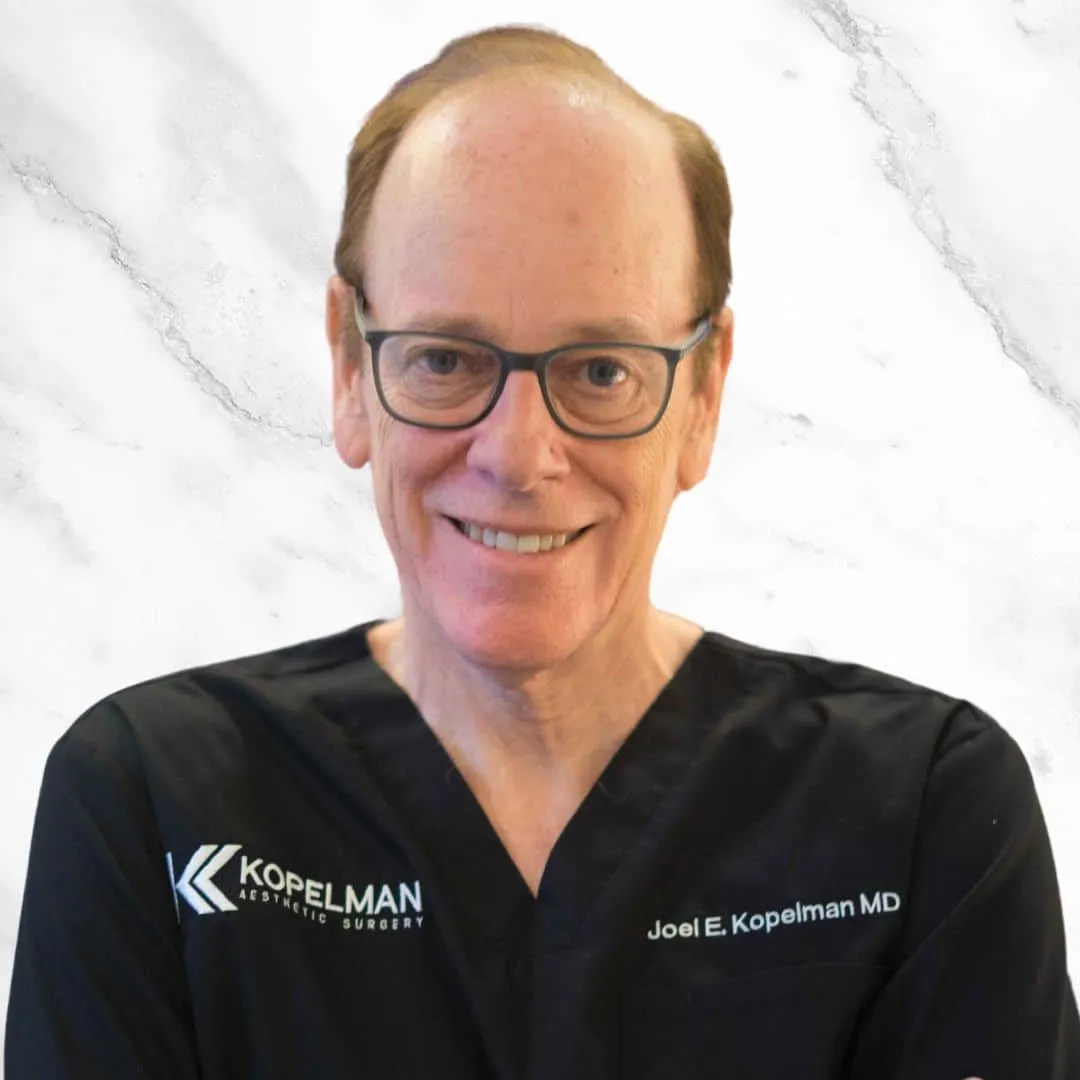
Dr. Joel Kopelman is a board-certified facial plastic and oculoplastic surgeon with more than 35 years of experience in New York City. At Kopelman Aesthetic Surgery, a significant portion of patients seek help after poor outcomes from other providers, making revision work a core part of the practice.

Key Takeaways

  • Botched surgery happens when results fall short of expectations or cause harm, often due to poor technique, inadequate planning, or weak aftercare.
  • Real botched-surgery before-and-after cases, including well-known celebrity examples, reveal both common mistakes and successful corrections.
  • The effects go beyond appearance. Patients can suffer chronic pain, emotional distress, and lasting functional damage.
  • Fixing poor results may require revision surgery or non-surgical care. Prevention by choosing the right surgeon remains the safest path.

Understanding Botched Surgery

What Is a Botched Surgery?

A botched surgery is any procedure where the outcome deviates significantly from what was planned. This can mean visible deformities, persistent pain, functional problems, or severe emotional distress. The most frequently affected procedures include facelifts, eyelid surgery, rhinoplasty, and breast augmentation.

Patients often look at plastic surgery before and after photos online to understand what can go wrong. These images show how dramatically results can vary depending on the surgeon’s skill, pre-operative planning, and post-operative care.

Why Surgeries Go Wrong

Poor results can happen for several overlapping reasons:

  • Lack of surgeon training, board certification, or specialization in the target area.
  • Unrealistic patient expectations that exceed what surgery can deliver.
  • Post-operative complications such as infection, hematoma, or abnormal scarring.
  • Selecting the wrong procedure for the patient’s anatomy or goals.
  • Inadequate pre-surgical screening for health conditions that affect healing.

Most failures stem from a combination of these factors rather than a single cause.

What Happens if Surgery Is Botched?

Patients may experience chronic pain, asymmetry, restricted movement, nerve damage, or dissatisfaction with their appearance. In severe cases, breathing difficulties or the inability to close the eyes can develop. Many patients require additional surgery or ongoing medical care. Consulting a qualified revision specialist, such as Dr. Kopelman, as early as possible gives patients the best chance of a successful outcome.

Statistics on Botched Surgeries

According to published data from the American Society of Plastic Surgeons, roughly 10 to 15 percent of cosmetic procedures require some form of revision. Eyelid surgery and rhinoplasty carry higher revision rates than most other facial procedures. The risk of complications increases substantially when patients travel abroad for discounted surgery, often because follow-up care is limited or unavailable. These numbers reinforce why selecting a board-certified surgeon with procedure-specific experience is critical.

Real Before and After Cases

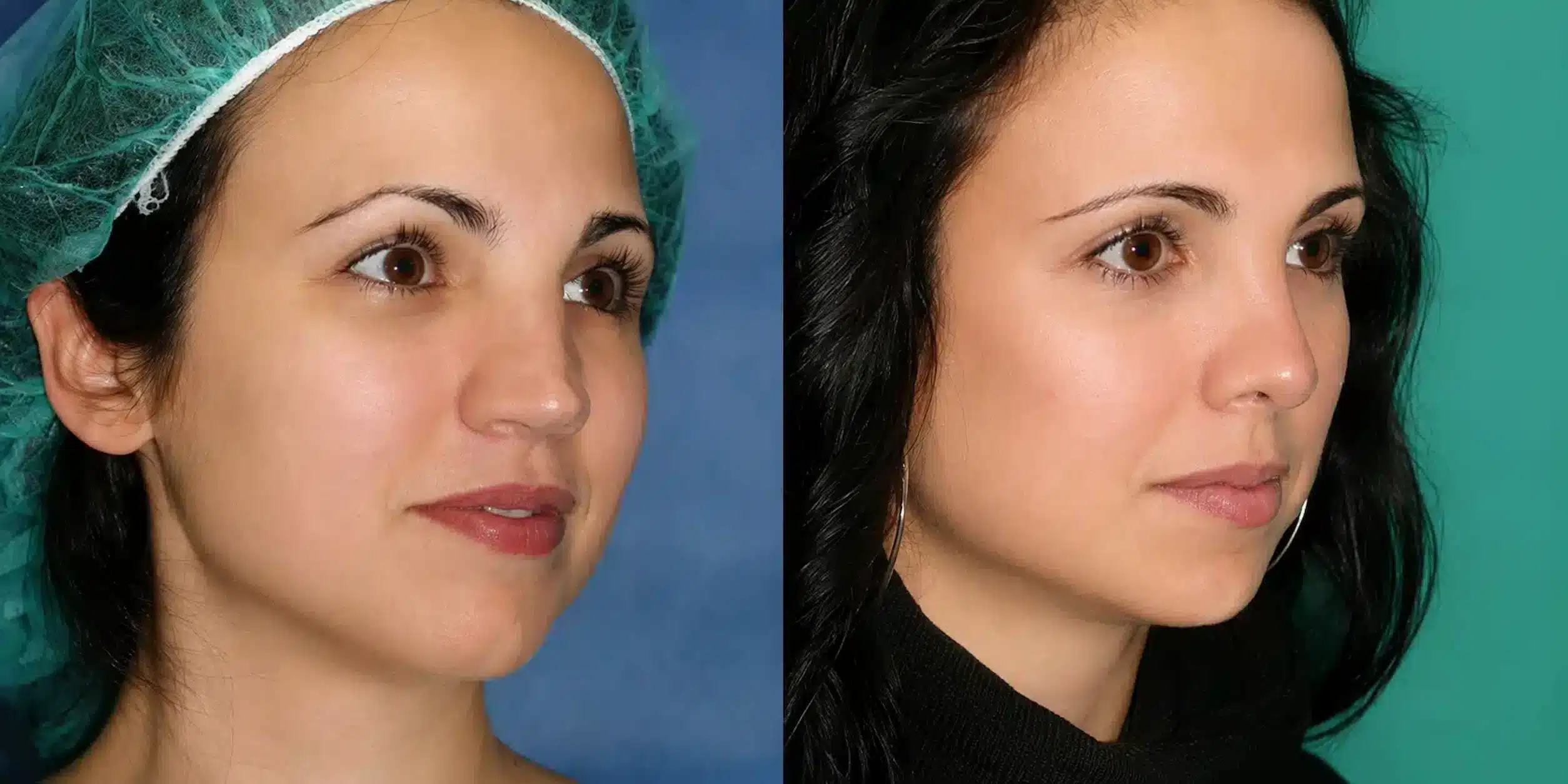
Botched Plastic Surgery Before and After Pictures

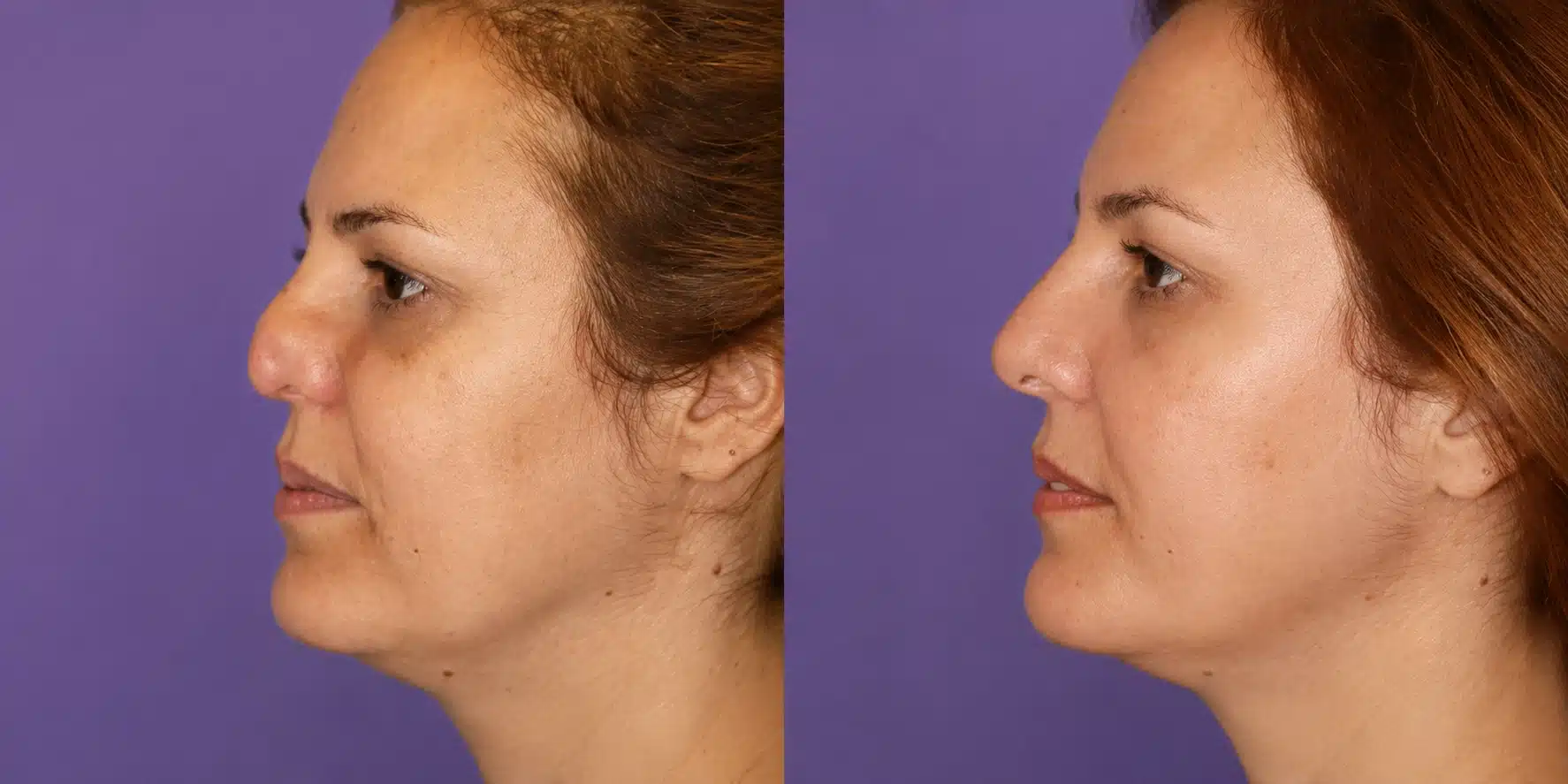
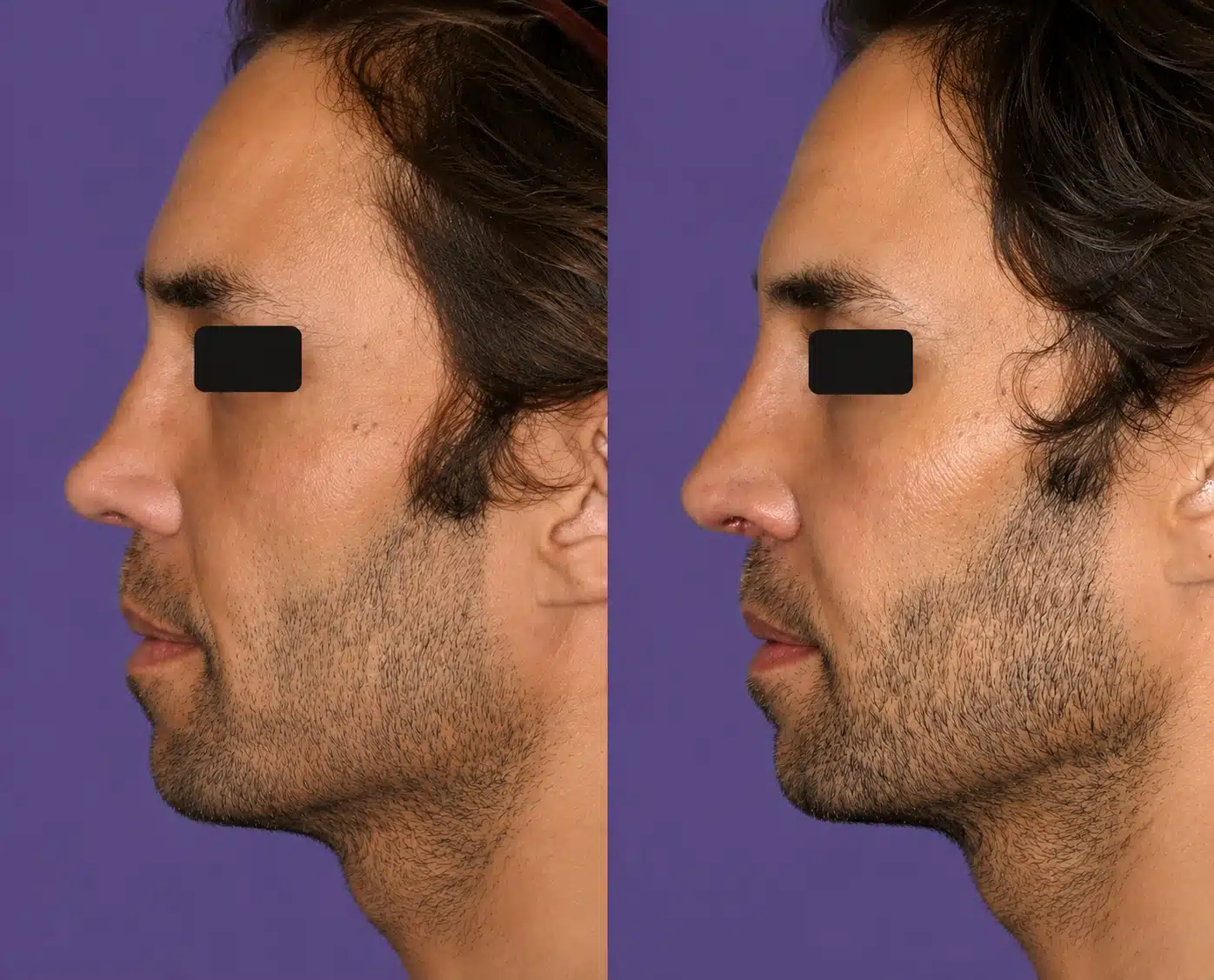
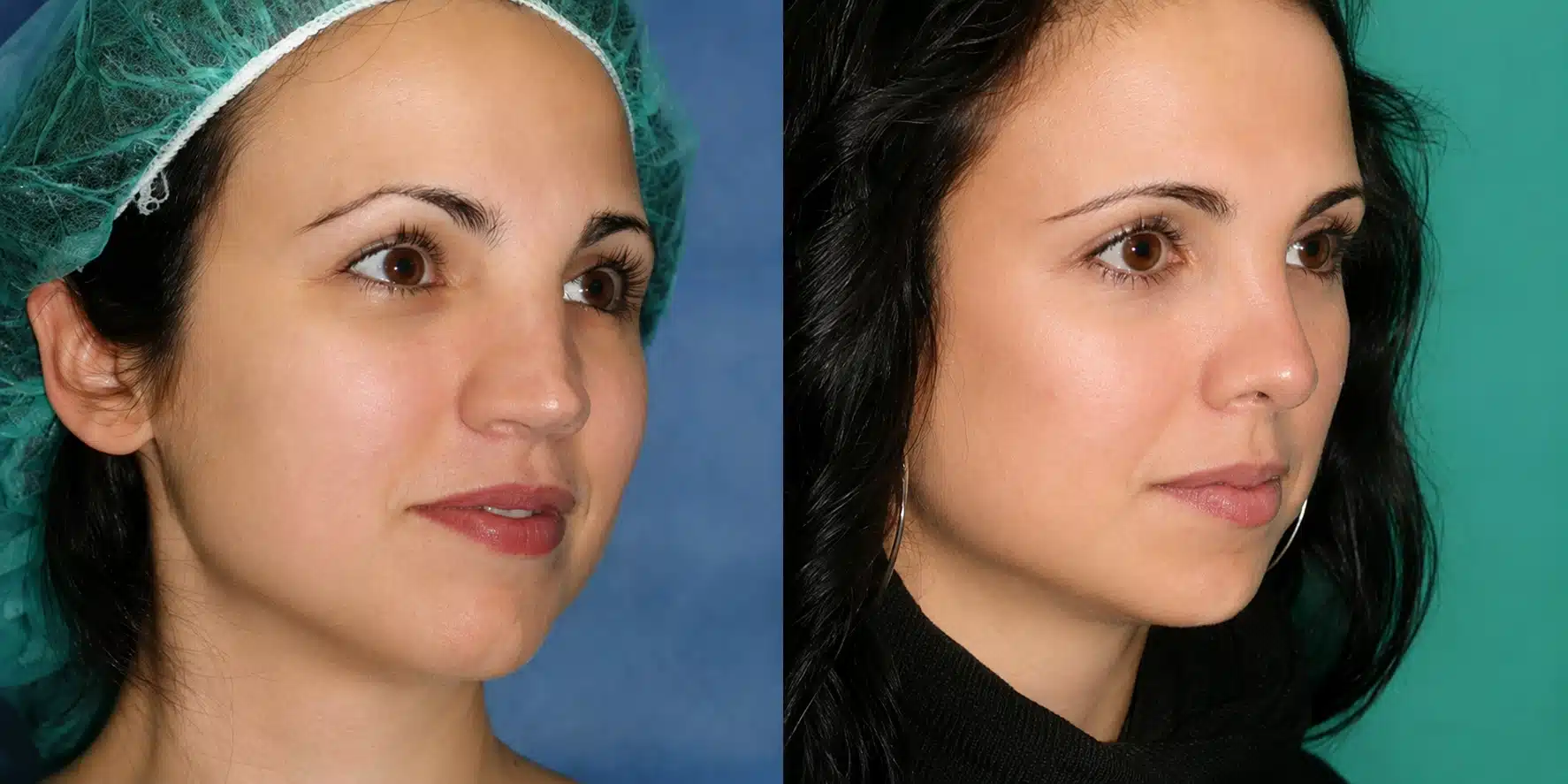
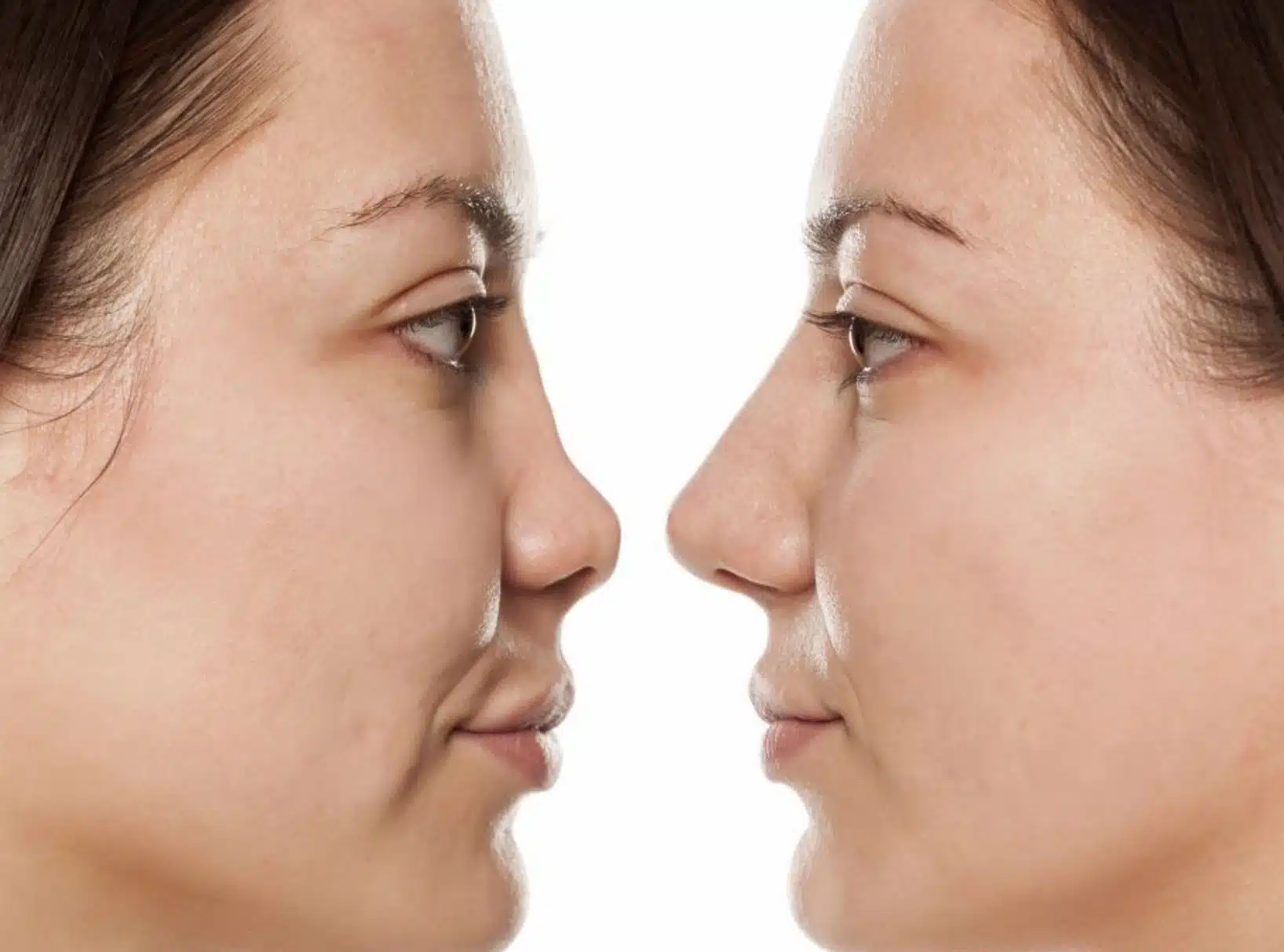
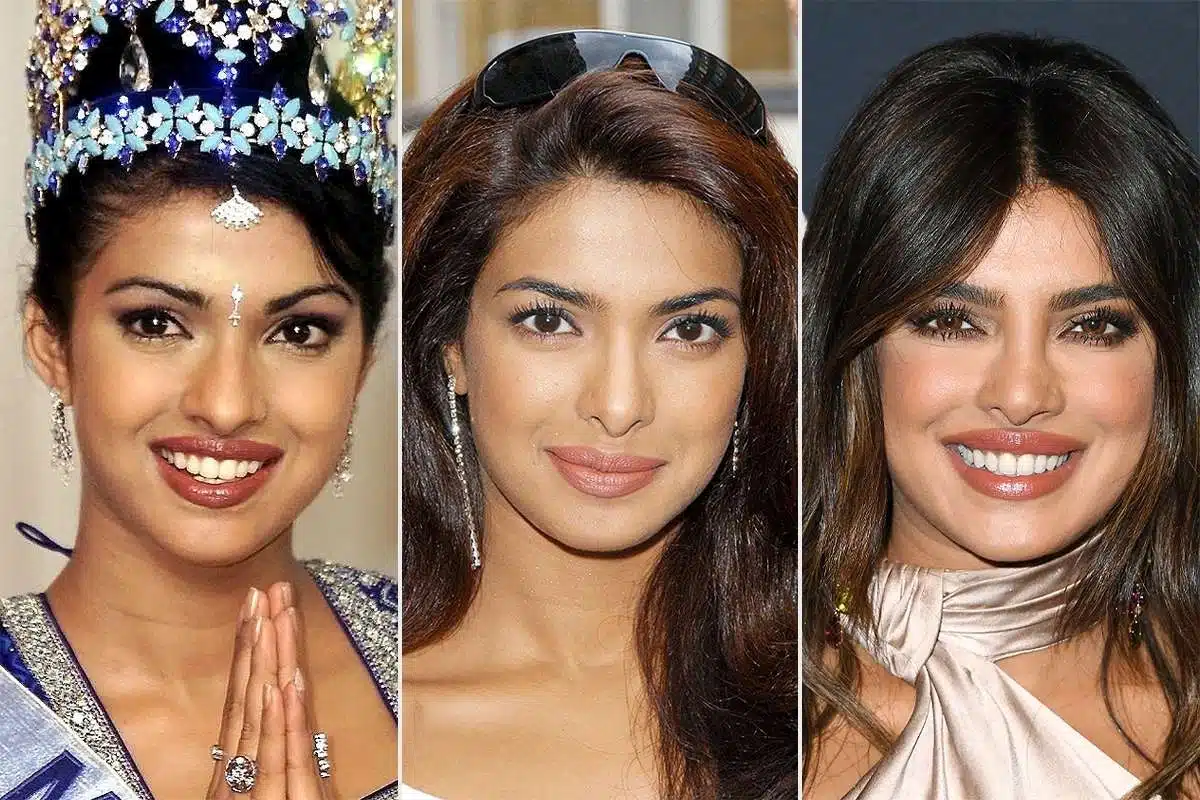
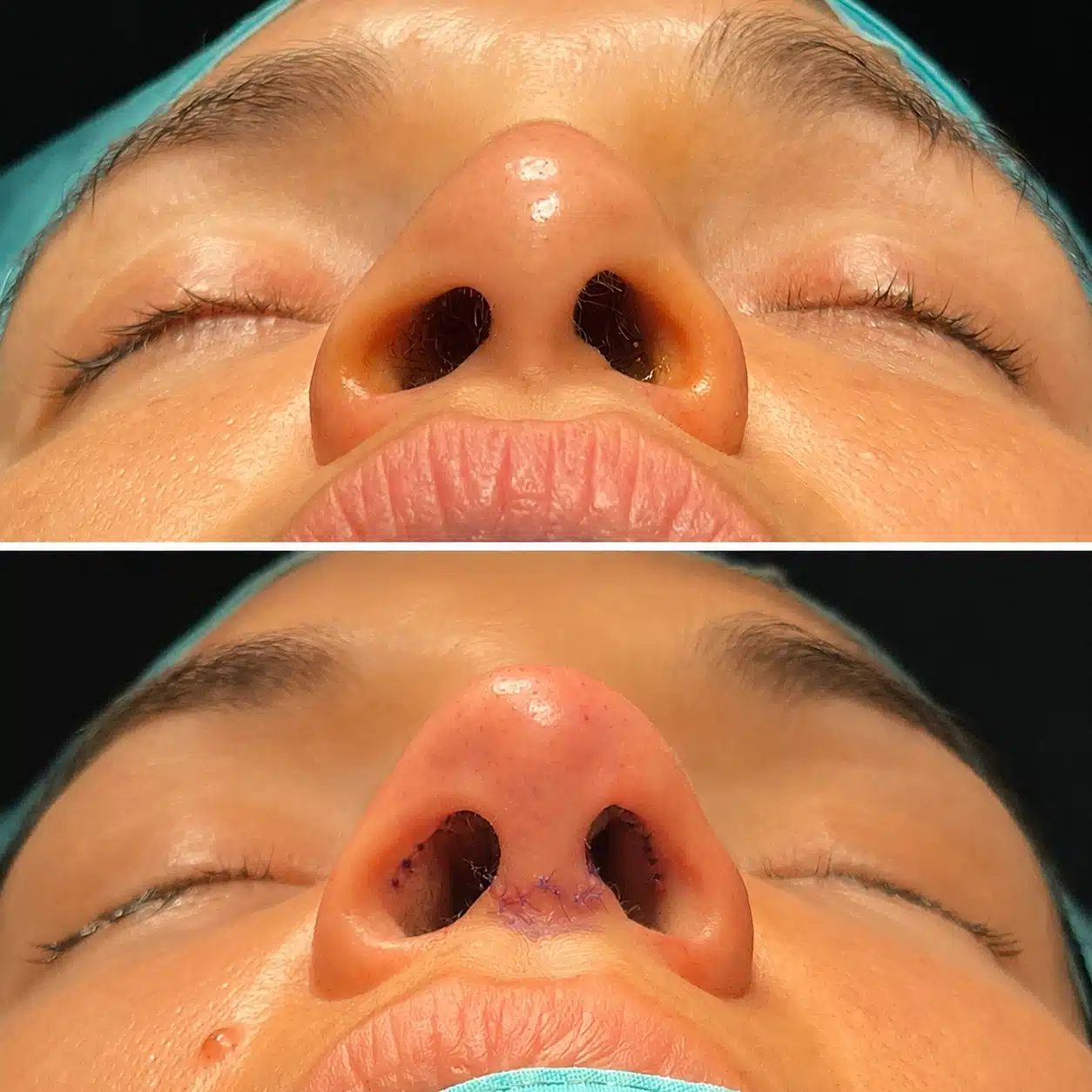
Photos of botched plastic surgery before and after reveal the most common visible problems: irregular scarring, skin pulled too tight, asymmetrical features, and unnatural contours. Equally important, these images show how skilled revision surgery can correct damage and restore a more natural look. Before-and-after galleries from revision specialists offer patients a realistic view of what corrective surgery can achieve.

Failed Plastic Surgery Cases

Common examples of bad plastic surgery before and after include drooping eyelids following blepharoplasty, an overly tight or “windswept” appearance after a facelift, a collapsed nasal structure after rhinoplasty, and visible implant edges in breast augmentation. These cases highlight the need for surgeons who specialize in both primary and revision procedures.

Celebrity Plastic Surgery Fails

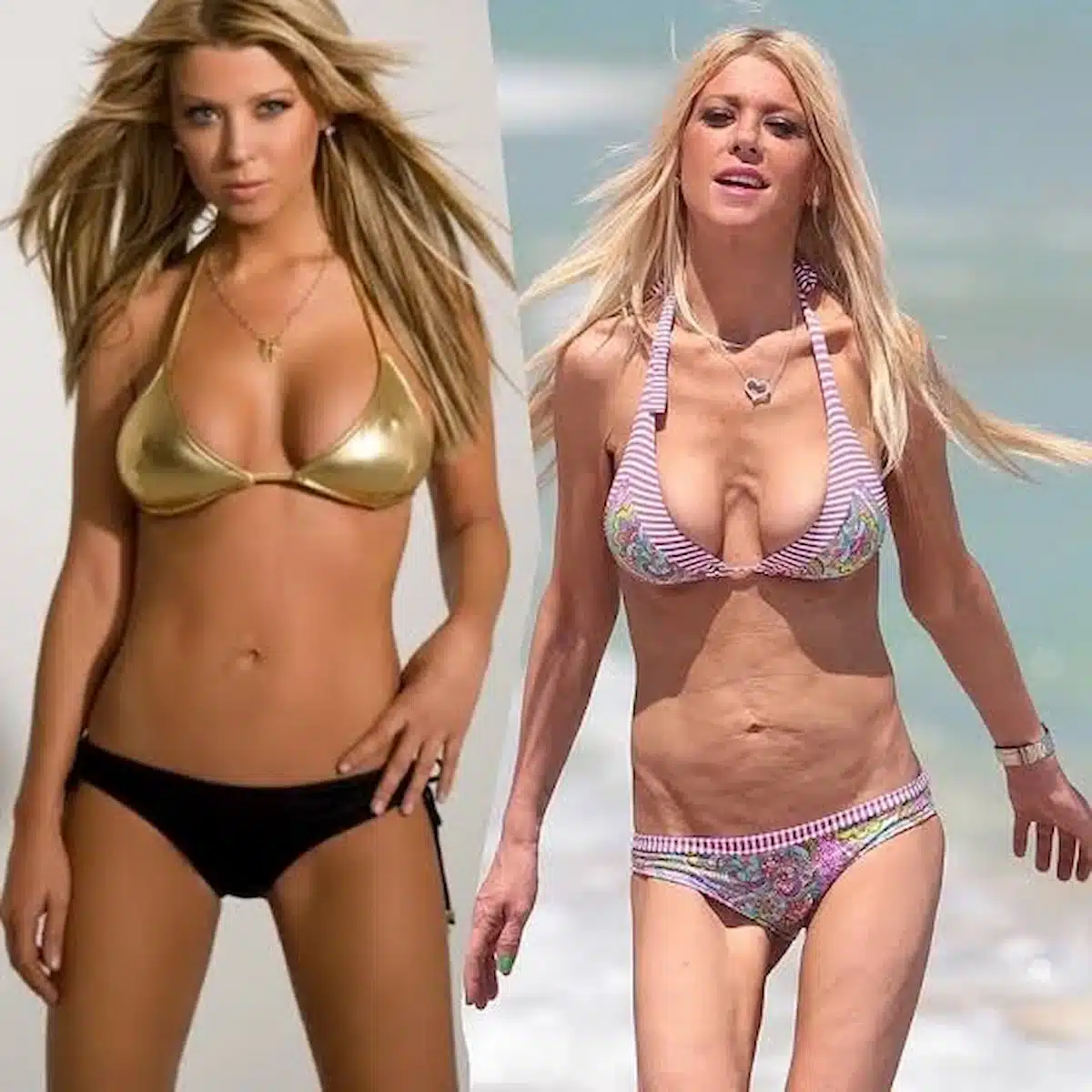
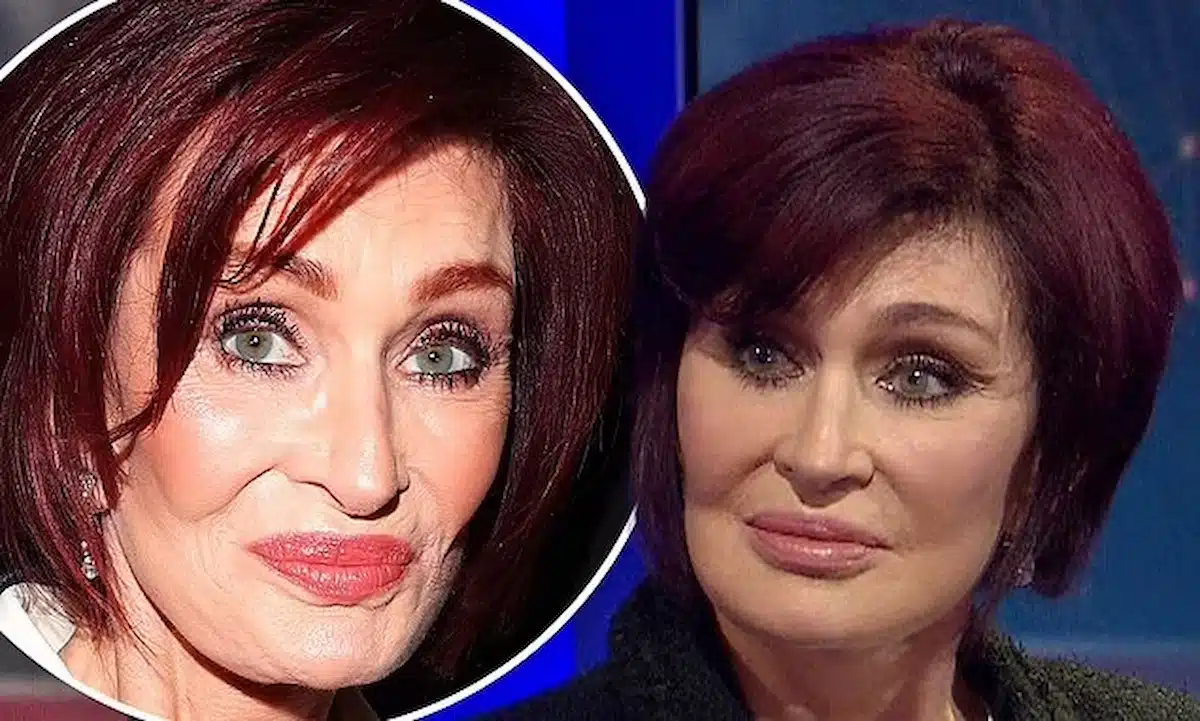
High-profile celebrity cases have drawn public attention to the risks of cosmetic surgery. Some celebrities have undergone too many procedures in a short period, leading to visibly unnatural or overdone results. Media coverage of these plastic surgery before and after fails often goes viral, but these cases serve better as cautionary examples than as guides for what to expect.

What Patients Can Learn from Celebrity Mistakes

The most common pattern in celebrity botched results is over-treatment: too many procedures, too close together, performed by surgeons focused on dramatic change rather than subtle improvement. The takeaway for patients is clear. Conservative, well-planned procedures performed by experienced specialists consistently produce better long-term outcomes than aggressive interventions.

Top 10 Worst Plastic Surgery Results

Lists online show extreme cases where patients had lasting harm. These cases are rare but remind us that surgery carries risks. Choosing the right doctor reduces those risks.

  1. Overfilled lips – Results that look unnatural and cause speech or eating problems.
  2. Excessive facelifts – Skin pulled too tight, leaving a “wind-swept” look.
  3. Uneven breast implants – Different sizes or shapes leading to a visible imbalance.
  4. Collapsed nose after rhinoplasty – Breathing issues and distorted appearance.
  5. Too much eyelid skin removal – Difficulty closing eyes, dryness, and discomfort.
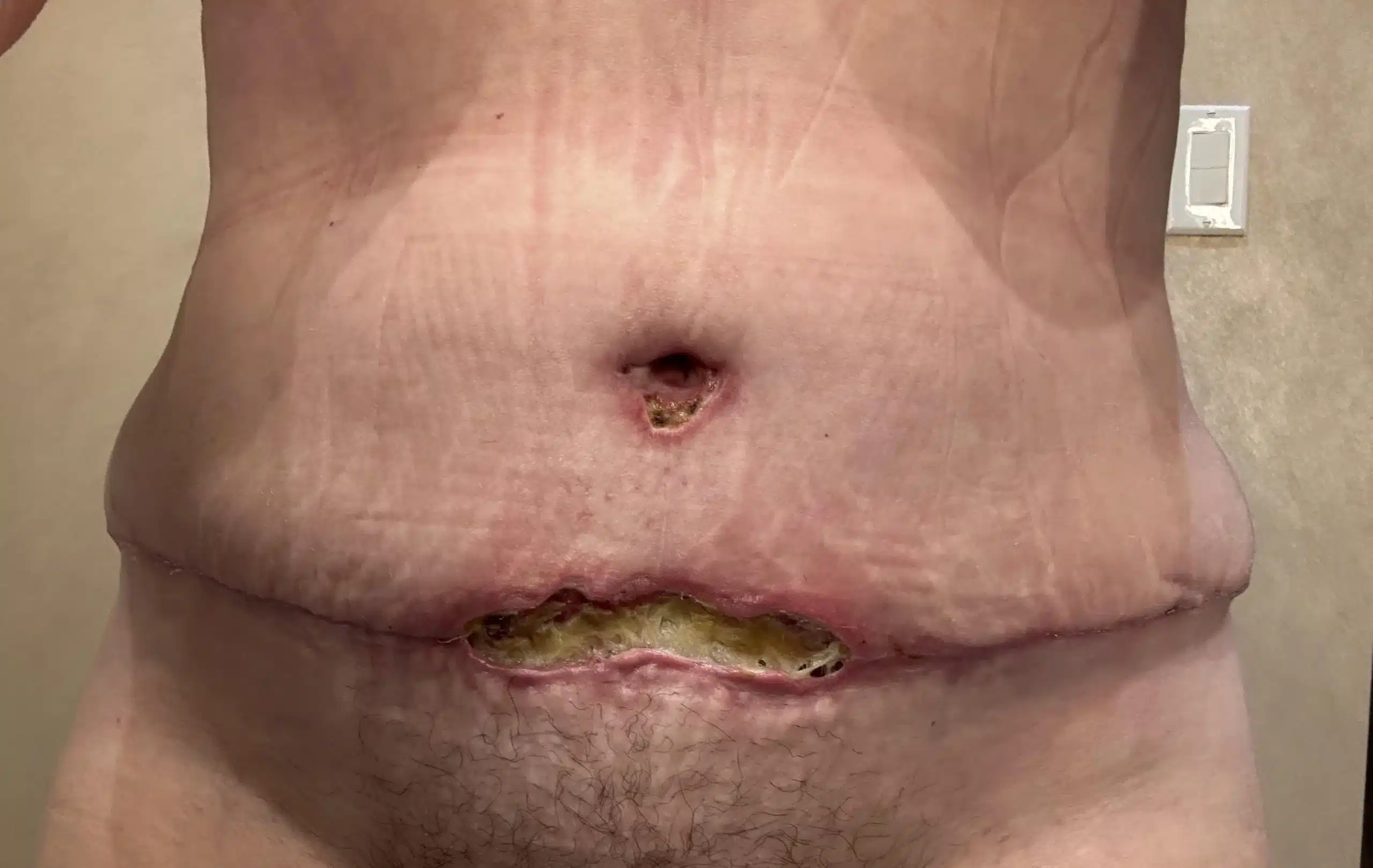
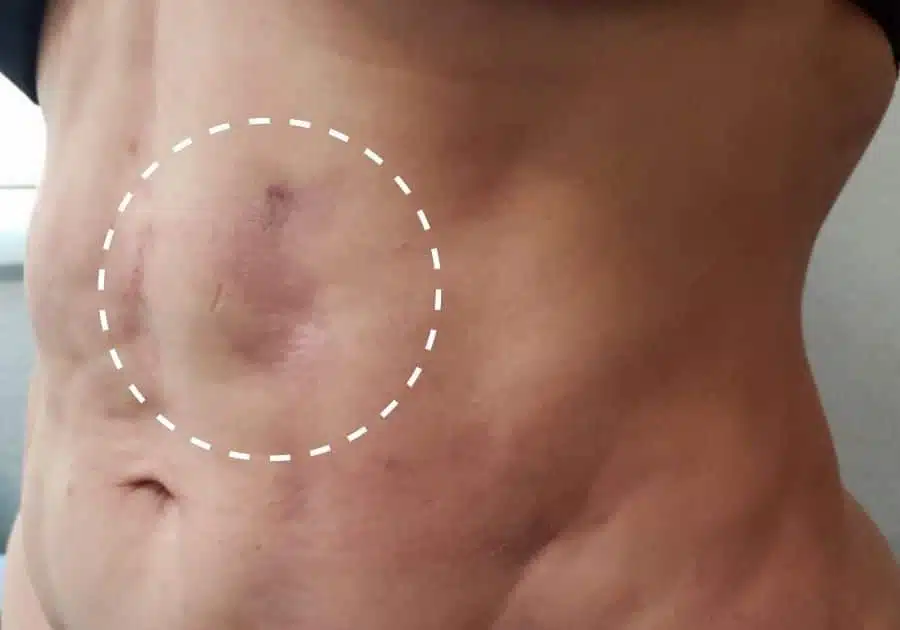
  6. Scarring after tummy tuck – Thick, visible scars that affect confidence.
  7. Cheek implants gone wrong – Asymmetry or shifting of the implants.
  8. Excessive liposuction – Irregular fat removal causing dents or uneven skin.
  9. Frozen look from Botox misuse – Lack of facial expression and unnatural appearance.
  10. Extreme weight loss surgery complications including sagging skin, infection, or poor wound healing.

Notable Botched Surgery Cases

One case involved eyelid surgery where too much tissue was removed, leaving the patient unable to fully close her eyes. Another facelift revision was needed after the original procedure left the face overly tight with visible tension lines. Thick hypertrophic scars and palpable implant edges are other frequently documented problems. In each of these cases, targeted revision surgery helped restore symmetry and function.

The Most Extreme Cases Documented

Some patients have undergone five or more revision surgeries after the original procedure was poorly executed. Others traveled abroad for discounted cosmetic work and returned with infections, tissue necrosis, or implant rejection. While these extreme outcomes are uncommon, they show why cost should never be the primary factor in choosing a surgeon. Safety, credentials, and follow-up access matter far more than price.

Common Causes vs. Corrective Solutions

Patients frequently ask why surgeries fail and what can be done to fix them. The table below connects the most common causes of botched results with their corresponding corrective approaches.

Cause Corrective Solution Typical Timeline
Poor surgical technique Revision surgery with a qualified specialist 6 to 12 months after initial procedure
Post-operative infection Medical treatment followed by staged correction Varies by severity
Heavy or hypertrophic scarring Scar revision, laser therapy, or steroid injections 3 to 12 months for treatment
Too much tissue removed Careful reconstructive revision to restore balance 6 to 18 months after initial healing
Implant malposition or rejection Implant removal, replacement, or pocket adjustment 3 to 6 months minimum wait

Understanding these pairings helps patients have informed conversations with their revision surgeon about realistic outcomes and timelines.

Consequences for Patients

Emotional and Physical Impact

A botched surgery affects far more than appearance. Patients commonly report regret, anxiety, depression, and a significant loss of self-confidence. Physically, complications can include chronic pain, nerve damage, breathing obstruction, and restricted facial movement.

The emotional toll often extends into work performance, social relationships, and daily routines. This is why both prevention and access to expert corrective care matter so much.

Recovery and Long-Term Effects

Recovery timelines vary widely depending on the severity of the original damage. Some patients heal within weeks after a minor revision, while others face years of staged procedures.

Permanent effects such as scarring, reduced range of motion, or altered sensation are possible. Many patients need revision surgery combined with non-surgical treatments to regain both normal function and a natural appearance.

Corrective and Revision Options

Surgical Corrections

Revision surgery is the most common and effective solution for botched results. Depending on the problem, this may include a secondary facelift, eyelid revision, scar excision, implant repositioning, or reconstructive rhinoplasty. Surgeons typically wait until the initial procedure has fully healed before performing a revision, which usually means at least 6 months.

Estimated Revision Surgery Costs

Revision procedures are often more complex and time-intensive than the original surgery. Below are general cost ranges based on U.S. averages. Actual costs depend on the surgeon’s experience, geographic location, facility fees, and case complexity.

Procedure Estimated Revision Cost (USD)
Revision rhinoplasty $7,500 to $15,000+
Revision facelift $8,000 to $18,000+
Revision blepharoplasty $4,000 to $9,000
Breast implant revision $5,000 to $12,000+
Scar revision (surgical) $1,500 to $5,000

These ranges are estimates only. A detailed consultation is needed to determine the actual scope and cost of any revision.

Non-Surgical Treatments

In some cases, non-surgical options can improve the appearance of botched results without requiring another operation. These include dermal fillers to restore lost volume, laser resurfacing for textural irregularities, and steroid injections or silicone sheeting for scar management. Non-surgical treatments work best for mild to moderate issues and are often used as a complement to surgical revision.

What to Do After a Botched Surgery

If you believe your surgery has produced a poor result, take these steps:

  1. Consult a board-certified plastic or reconstructive surgeon who specializes in revision work.
  2. Document your symptoms, including photos, a written timeline, and any changes you observe.
  3. Allow adequate healing time before pursuing another procedure. Rushing into revision too early can worsen the outcome.
  4. Ask about both surgical and non-surgical options so you can make an informed decision.

Dr. Kopelman recommends an early evaluation so the corrective plan can begin at the right time.

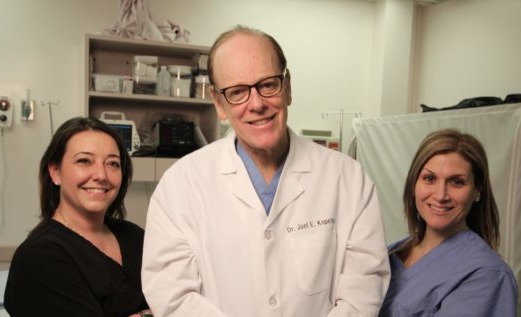
Dr. Kopelman & Staff

Prevention and Expert Advice

How to Avoid Botched Results

Prevention starts well before the operating room. Research your surgeon thoroughly, read verified patient reviews, and review their before-and-after gallery for cases similar to yours. A comprehensive consultation ensures that your goals, anatomy, and health history are all aligned with the planned procedure. Patients considering cosmetic surgery after major weight loss should be especially careful with surgeon selection, as these cases involve unique tissue and healing challenges.

Choosing the Right Surgeon

The single most important decision a patient makes is choosing the right surgeon. Look for:

  • Board certification from a recognized specialty board (ABPS, ABFPRS, or ASOPRS).
  • Significant experience performing the specific procedure you need.
  • A portfolio of natural-looking results, not just dramatic transformations.
  • Transparent communication about risks, recovery, and realistic expectations.

Kopelman Aesthetic Surgery follows evidence-based practices and individualized treatment planning to minimize risk and deliver consistent results.

Key Questions to Ask Before Surgery

Before committing to any cosmetic procedure, patients should ask:

  • What are the specific risks of this procedure for my anatomy?
  • How many times have you performed this surgery, and what is your revision rate?
  • What results can I realistically expect given my starting point?
  • What is the plan if complications arise?
  • Can I speak with previous patients or see additional before-and-after photos?

These questions help establish trust and set clear expectations between the patient and the surgeon.

Warning Signs to Watch For

Certain red flags should prompt patients to seek a different provider:

  • A surgeon who avoids discussing risks or downplays potential complications.
  • Pressure to book quickly or make decisions on the spot.
  • No verifiable before-and-after photos of their own patients.
  • Lack of board certification or unwillingness to share credentials.
  • Facilities that do not appear clean, accredited, or properly staffed.

Identifying these warning signs early is one of the most effective ways to avoid a bad outcome.

Top 5 Most Common Botched Surgeries

Some surgeries are more often reported as botched:

  1. Eyelid surgery (blepharoplasty) can result in complications such as drooping lids, difficulty closing the eyes, or a hollowed appearance.
  2. Facelift producing tightness, uneven results, visible scarring, or an unnatural expression.
  3. Nose surgery (rhinoplasty) leading to breathing obstruction, asymmetry, or a pinched appearance.
  4. Breast augmentation with implant rippling, capsular contracture, or malposition.
  5. Liposuction causing uneven contours, skin laxity, or dimpling.

Knowing these risks helps patients ask better questions during consults.

FAQs

Can botched plastic surgery be fixed?

Yes. Many cases improve with revision surgery or non-surgical care. Results depend on the damage and the patient’s health.

How common are botched surgeries?

True botched surgeries are less common when done by experts. Most bad results come from poor training or unrealistic patient goals.

What should I do right after surgery goes wrong?

Call a qualified surgeon. Do not self-treat. Keep notes of symptoms and follow medical advice.

Which surgery fails most often?

Rhinoplasty is revised more often than other procedures. It is complex, and patients often expect big changes.

Can celebrities fix botched results quickly?

Celebrities may use fillers or short-term fixes. Lasting solutions still need expert surgery and careful planning.

Final Takeaway

Botched surgery before-and-after cases are a powerful reminder of the risks that come with poor planning, inadequate surgeon selection, or rushing into procedures without proper research. Whether you are evaluating bad plastic surgery before and after photos for your own awareness or actively seeking help after a failed procedure, the path forward starts with expert guidance. With the right revision specialist, safe and natural-looking outcomes are achievable even after a poor initial result.

Schedule a Consultation

For Professional Plastic Surgery

To schedule a private consultation with Dr. Kopelman, please call the office or request an appointment online. 

Add Your Heading Text Here

Lorem ipsum dolor sit amet, consectetur adipiscing elit. Ut elit tellus, luctus nec ullamcorper mattis, pulvinar dapibus leo.