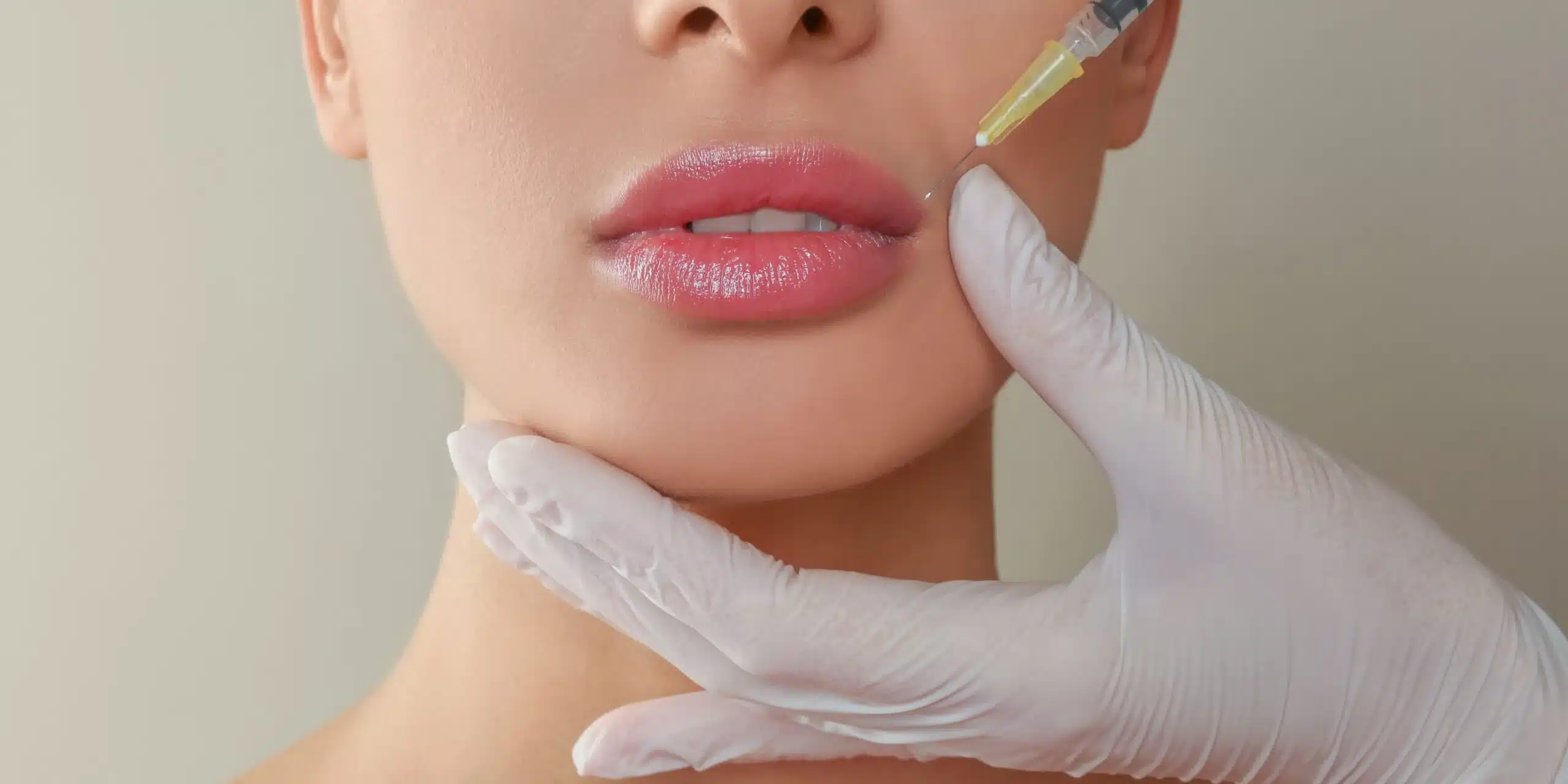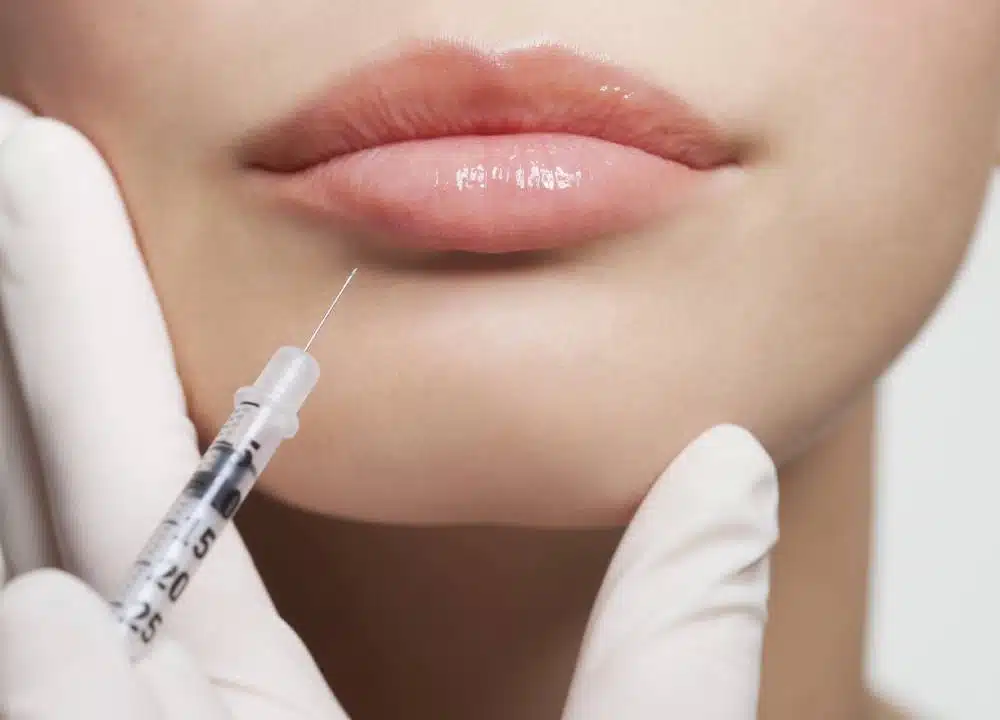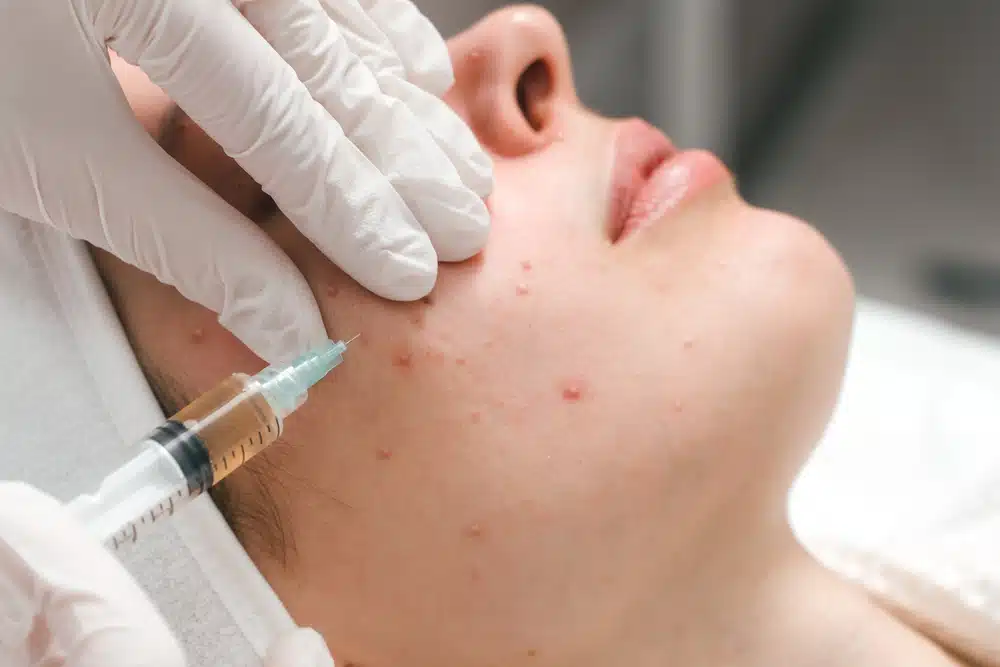


Dermal fillers can go wrong when errors in technique, product choice, or anatomy lead to uneven appearance, discomfort, or medical issues, commonly referred to as botched facial fillers. These problems can involve visible changes, health risks, and the need for corrective care.
This article explains the causes, risks, and fixes, using clinical standards seen at Kopelman Aesthetic Surgery, with board-certified facial plastic surgeon Dr. Joel Kopelman, referenced strictly for medical context.
Key Takeaways
- Botched facial fillers can result from errors during filler injections, poor product choice, or delayed reactions, leading to botched results and other filler complications that may appear right away or later.
- Normal swelling after a filler can look concerning, but symptoms that last, worsen, or involve pain or color change should be checked by a medical professional.
- Options for correcting botched fillers depend on the timing and cause and may include observation, dissolving agents, or treatment to safely fix them.
- Careful planning, knowledge of anatomy, and realistic expectations help prevent botched filler outcomes.
What Are Botched Facial Fillers?
Botched facial fillers refer to outcomes in which a filler procedure causes visible or functional problems. These can include uneven shape, firmness, color changes, or discomfort that alters normal facial features. Issues may appear soon after a filler treatment or develop later as the filler settles. The term describes the result, not intent.

What Can Go Wrong With Face Fillers Over Time
Injection errors can affect facial structure. Small mistakes during filler injections may change symmetry or press on nearby blood vessels. These problems often become clearer as swelling goes down.
Using the wrong product or injecting too close to sensitive facial anatomy increases risk. Many products are hyaluronic acid-based fillers that react differently depending on depth and location. Over time, poor placement can cause firmness, movement, or a bad filler appearance, as seen in cases of face fillers gone wrong and other filler complications.
How to Tell If Your Fillers Are Botched
Uneven shape, pulling, or limited movement may signal a problem. Changes that affect facial features often stand out once early swelling fades. Ongoing imbalance should be checked by a medical professional.
Hard lumps, persistent swelling, or a rough skin texture may indicate poor placement or a tissue reaction. Symptoms that do not improve over time should be evaluated. Early care can limit botched results and prevent worsening filler complications.
Normal Healing vs Botched Facial Fillers
Mild swelling, soreness, and firmness are common after a filler treatment. These effects often improve within a few days. Temporary unevenness can also happen and may resolve on its own.
Botched facial fillers are different because symptoms do not improve. Pain, skin color changes, or firm nodules may get worse. Knowing the difference helps guide proper care.
Face Filler Risks You Should Understand
All injectable cosmetic treatments carry risk, which is why many patients ask whether dermal fillers are safe before treatment. Common short-term effects include filler swelling and bruising after filler injections. More serious filler complications include infection or blocked blood flow.
Some areas of the face are at a higher risk due to the blood supply. The nose, forehead, and tear trough need careful work. These areas require knowledge similar to that of plastic surgery to protect the facial anatomy.
Are Botched Fillers Dangerous?
Some filler problems affect appearance only. Others are medical concerns. Blood flow issues can harm skin or vision. Sudden pain or color change needs quick attention.
Changes to facial features can also cause stress or worry. These feelings are common. Clear information helps reduce anxiety, and some patients also explore alternatives to fillers after complications.
How Botched Facial Fillers Are Corrected
Treatment depends on the cause and timing. Some cases improve with careful monitoring. When hyaluronic acid-based fillers are used, a dissolving agent called hyaluronidase may help when correcting botched filler problems.
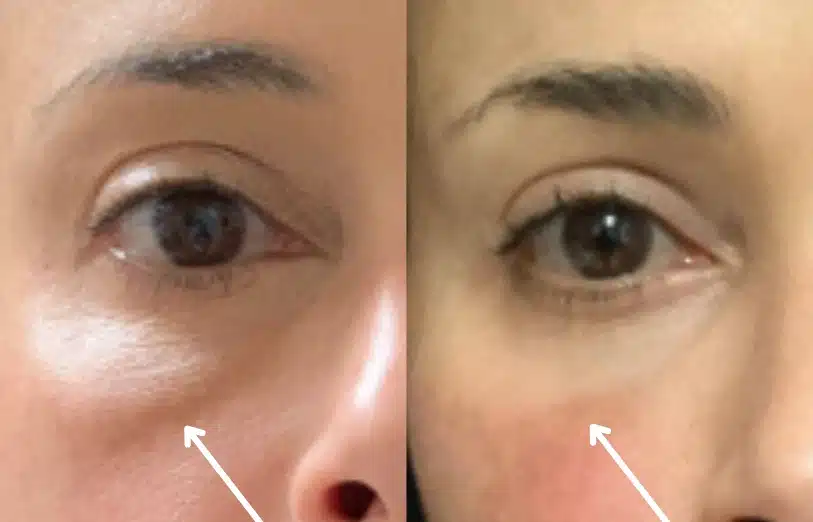
More severe cases may need medical or surgical care. Some situations require methods used in plastic surgery to restore balance. Dr. Kopelman stresses careful review before trying to fix botched fillers.
When a Specialist Should Evaluate Filler Problems
Lasting pain, worsening unevenness, or vision changes need fast review. Early care improves safety. Evaluation focuses on facial anatomy, timing, and symptoms.
How to Reduce the Risk of Botched Facial Fillers
Choose providers with proper training and experience, and understand where you can safely get dermal fillers. Ask how facial anatomy guides the filler procedure and product choice. Avoid rushed sessions or excessive filler. Planning ahead helps prevent botched filler outcomes and reduces the risk of filler complications.
If you have concerns about filler results or possible filler complications, you can schedule a consultation to review your symptoms and options with a qualified medical professional.