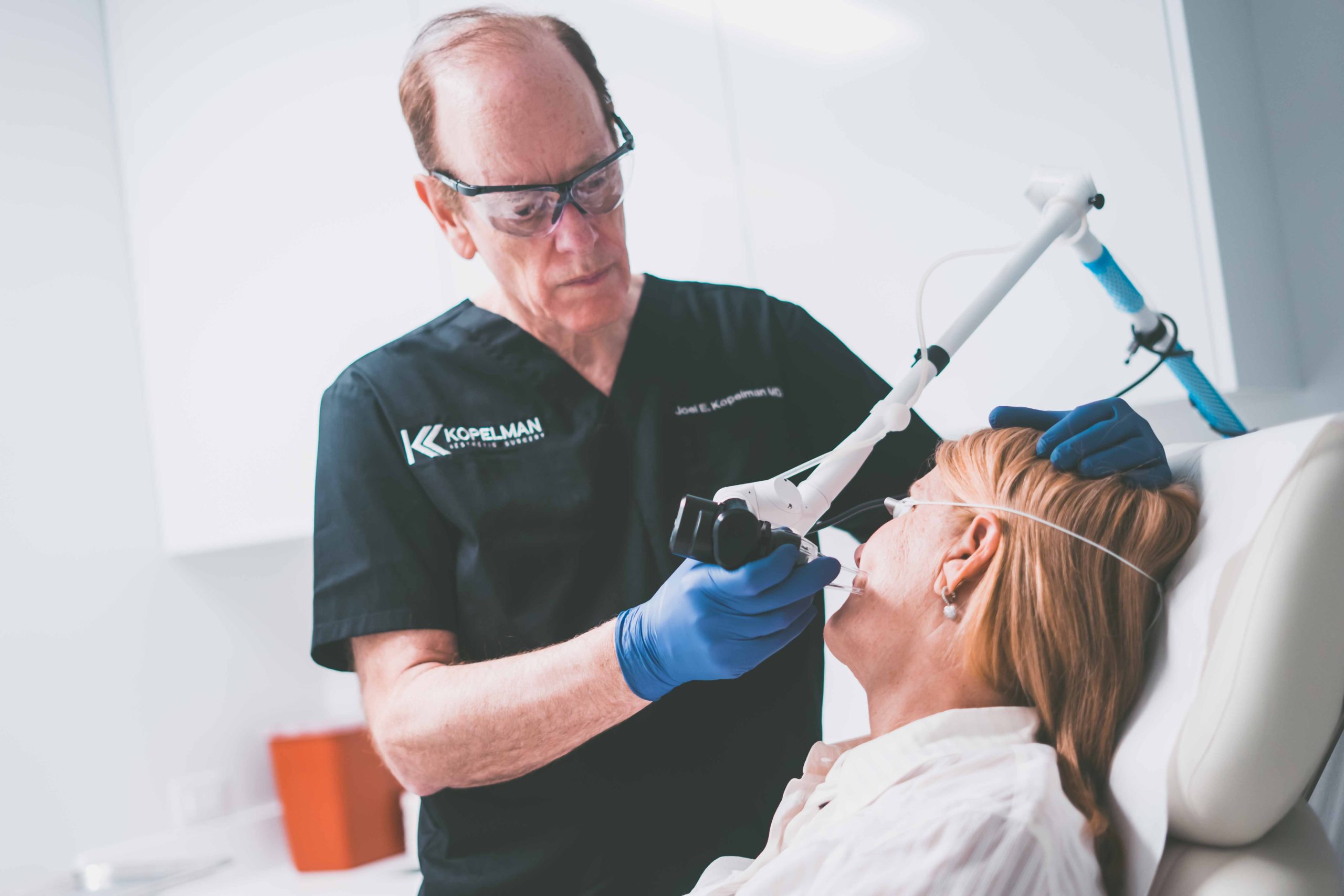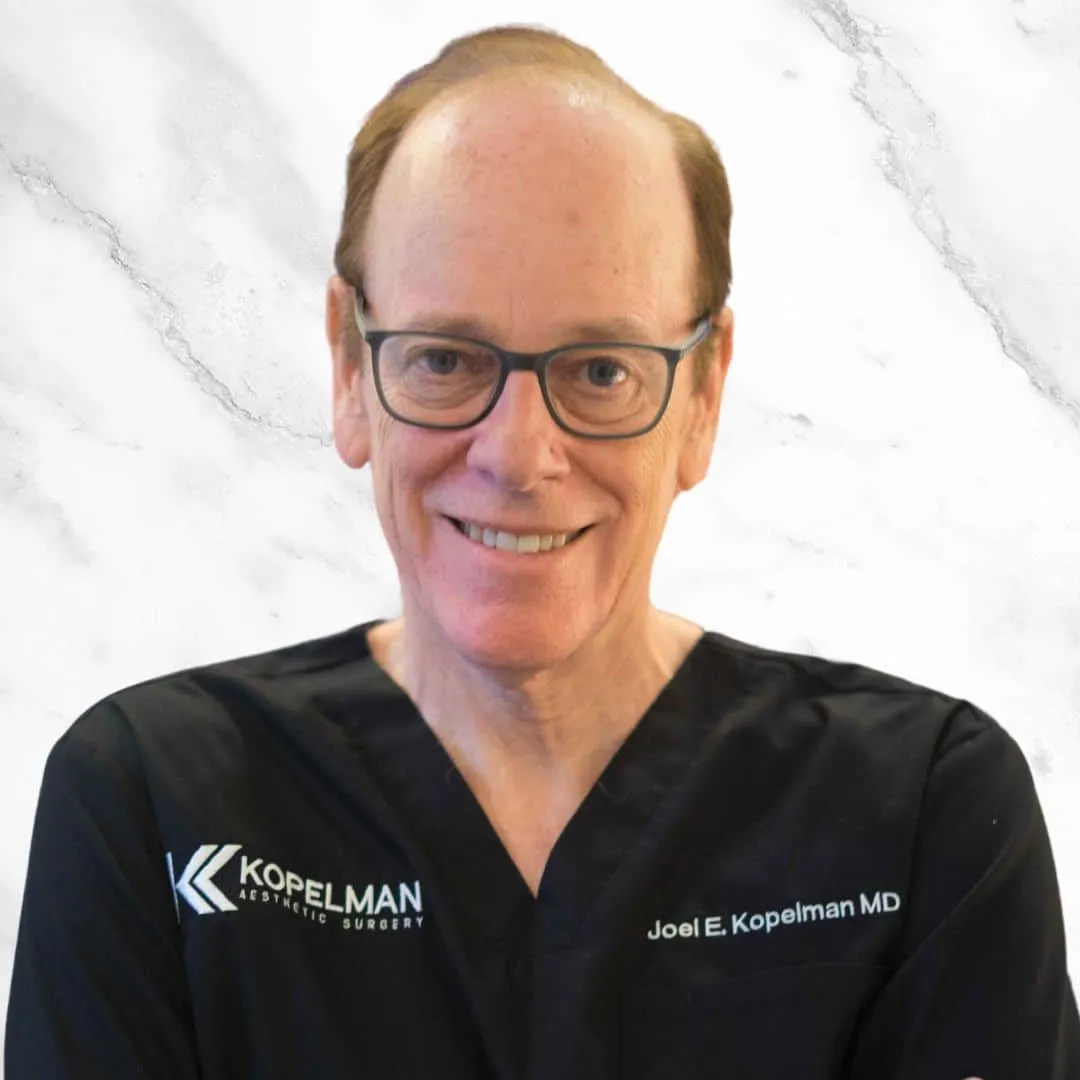

Dr. Kopelman is a board-certified plastic surgeon and oculoplastic specialist with more than three decades of experience. He focuses on eyelid surgery, facial rejuvenation, and advanced non-surgical care. At Kopelman Aesthetic Surgery, he helps patients decide whether blepharoplasty or Botox best fits their needs.
Both treatments refresh the eye area but solve different problems. Surgery can tighten sagging skin, remove excess skin, and correct excess skin and fat, while Botox injections relax muscles to smooth dynamic wrinkles.
Many people with drooping upper eyelids, early signs of aging, and visible signs of fine lines and wrinkles benefit from a plan that combines both procedures for a balanced, youthful look and long-term improvement.
Key Takeaways
- Blepharoplasty provides lasting structural change by tightening sagging skin and removing excess skin and fat, while Botox softens dynamic wrinkles for three to four months.
- Dr. Joel Kopelman is a board-certified plastic surgeon with over 35 years of experience, ensuring safe, natural results for both procedures.
- Choose surgery to remove excess skin or restore lid contour, consider Botox injections for muscle-related lines, or combine both for immediate and long-term benefits.
- Recovery from blepharoplasty usually takes 7 to 10 days, while Botox requires little to no downtime.
- Blepharoplasty is a one-time surgical procedure, while Botox is an injectable treatment that requires ongoing maintenance sessions.
Key Differences Between Eyelid Surgery and Botox
What Each Treatment Targets
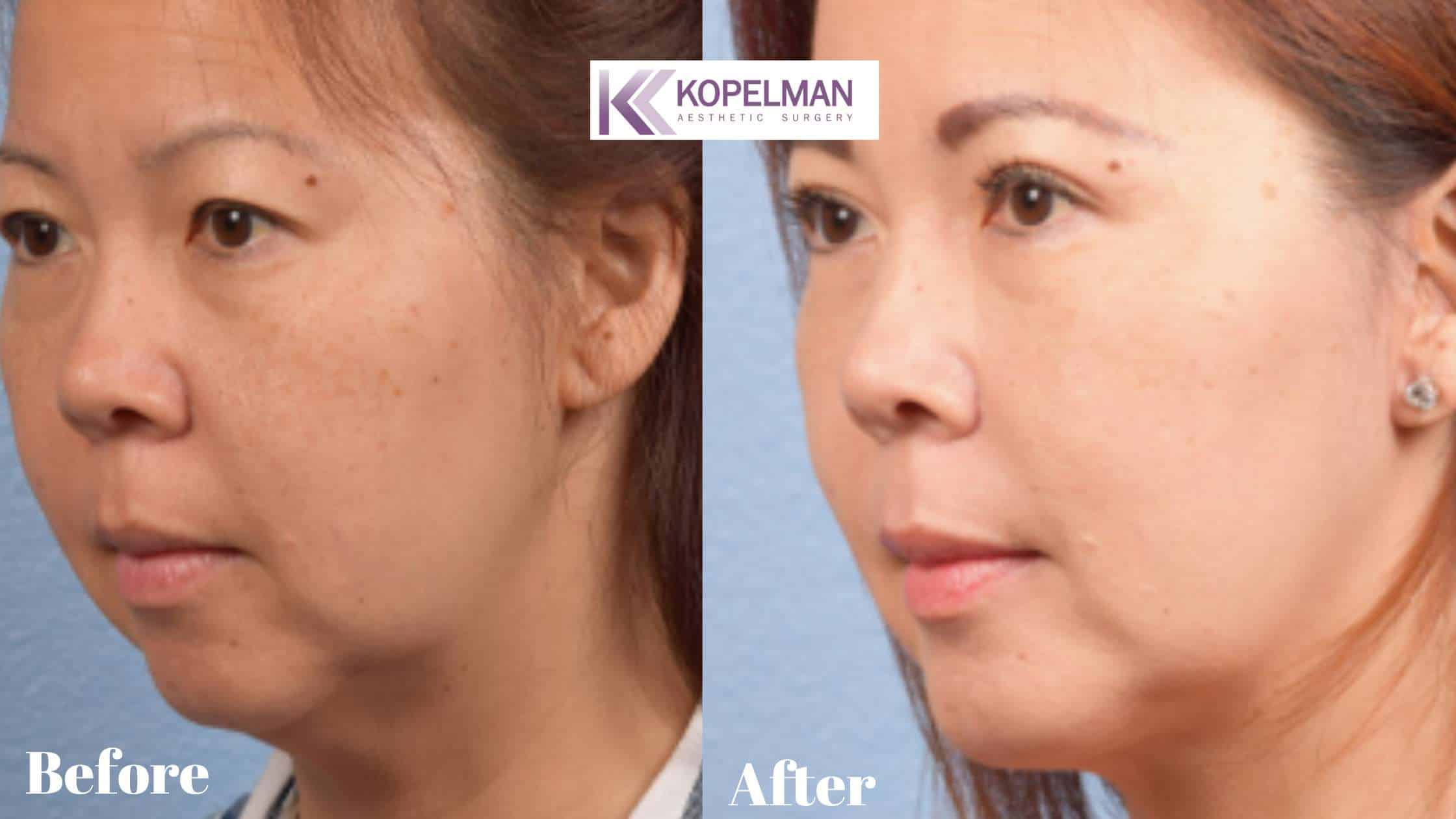
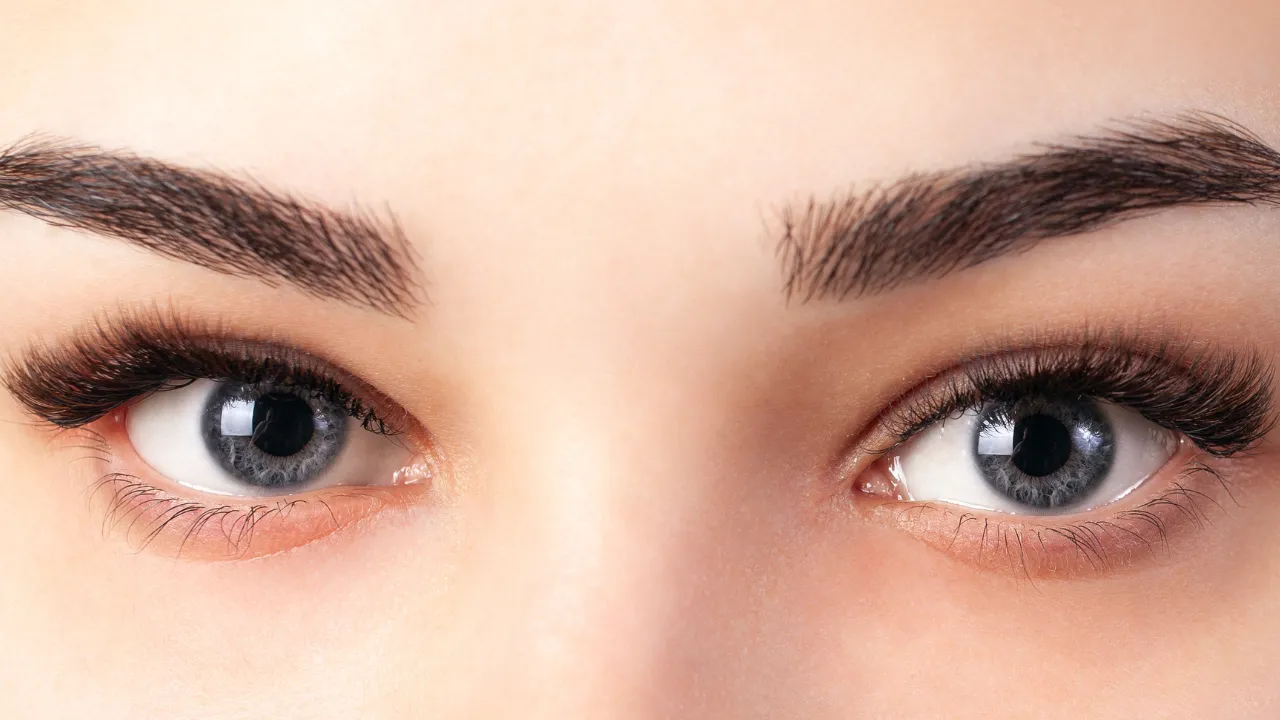
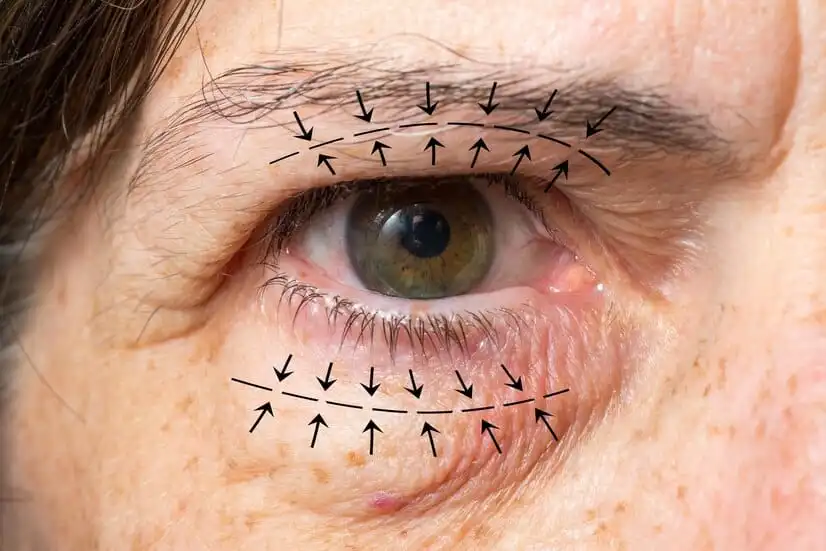
Blepharoplasty, a form of plastic surgery, can tighten sagging skin, remove excess skin, and remove or reposition fat to correct drooping lids and under-eye bags. Small incisions hide in natural creases for a discreet result.
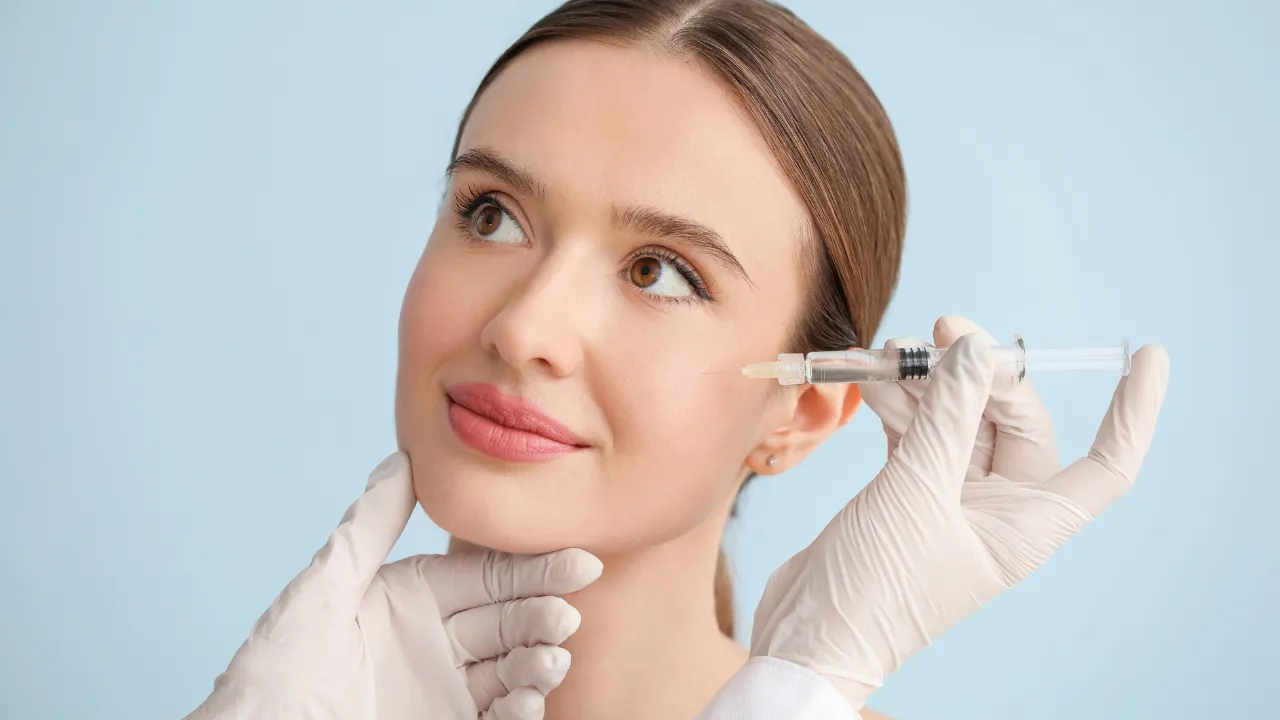
Botox injections relax targeted muscles to reduce crow’s feet, frown lines, and other dynamic wrinkles. Each Botox visit is brief and requires no incisions.
Results and Longevity
Blepharoplasty often lasts many years because it changes tissue structure for long-term improvement. Botox appears within days and lasts about three to four months, making it a shorter-term option with repeat sessions required to maintain softening of dynamic wrinkles.
Recovery and Possible Risks
Surgery brings swelling and bruising that improve over one to two weeks. Botox may cause minor redness or a short headache. Dr. Kopelman reduces risk with sterile technique, careful dosing, and detailed pre-treatment screening.
Candidate Guide: Botox or Blepharoplasty
Medical Indicators for Treatment
Choose surgery if upper eyelids show sagging skin, drooping, or puffiness that blocks vision or causes irritation. Consider Botox if you notice early signs of fine lines and wrinkles or visible dynamic wrinkles even when the face is at rest.
Dr. Kopelman identifies the main driver during consultation and recommends Botox or blepharoplasty, or a combination, based on desired long-term outcomes.
Signs You May Need Eyelid Surgery
Look for loose skin, persistent puffiness, or a tired look despite rest. These changes often point to surgery for a lasting fix, especially when the goal is to remove excess skin and restore a natural eyelid contour.
When Botox Works Best
Botox suits quick refresh goals and the early treatment of dynamic wrinkles. Results are subtle and natural when dosed precisely, and ongoing sessions maintain results over the long term.
When a Combination Gives Better Results
Surgery restores contour, and Botox finishes the polish. The blend treats skin excess and movement in one plan for balanced rejuvenation with both immediate and long-term benefits.
Treatment Variations and Alternatives
Upper Blepharoplasty or Botox
Heavy upper eyelids often need surgery to remove excess skin or reposition fat for a durable lift. Mild brow descent or lines may improve with Botox when structure is adequate. Goals and anatomy guide the choice.
Non-surgical Alternatives
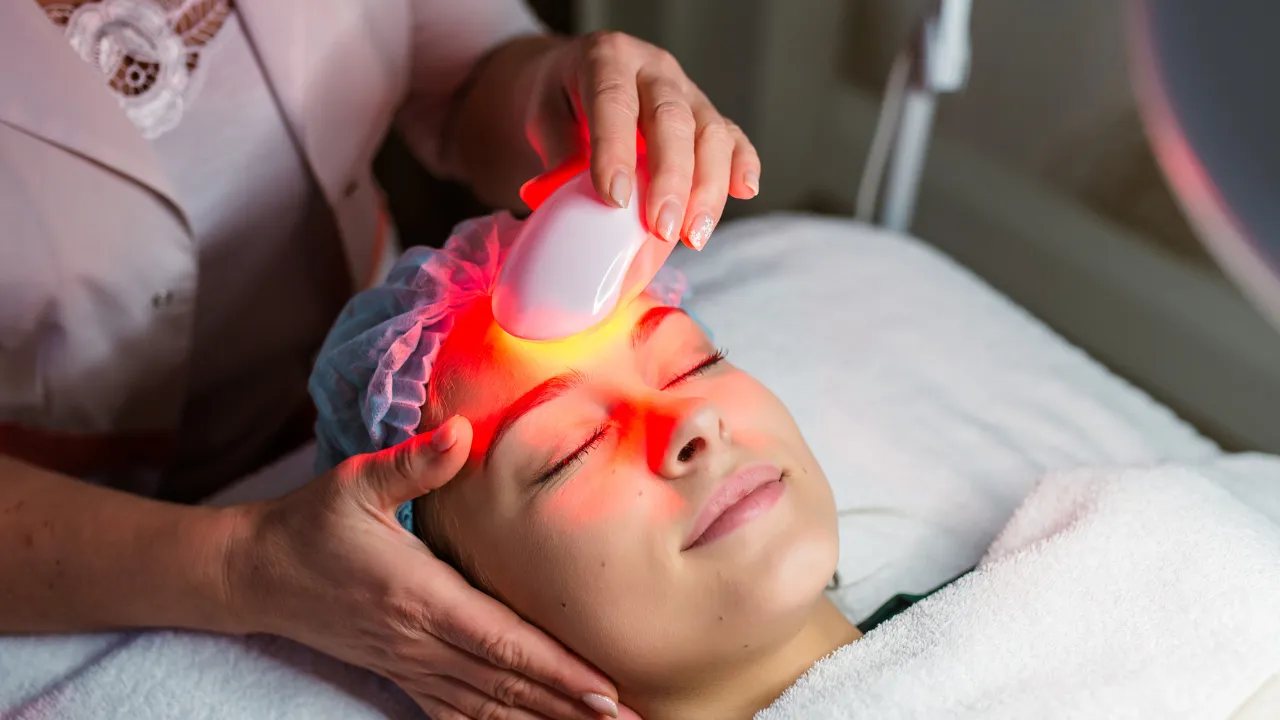
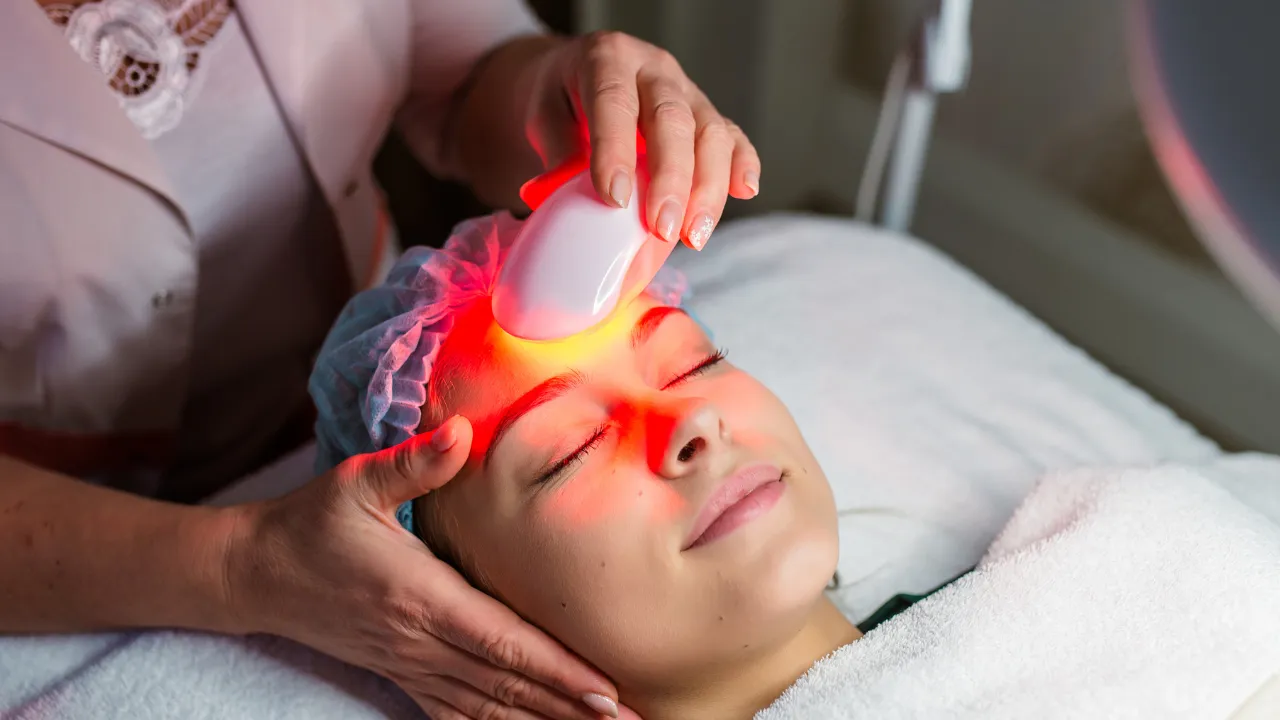
If you are not ready for a surgical procedure, consider dermal fillers or another injectable treatment. Fillers add volume to smooth hollows, while laser can refine texture. These options help minor concerns but do not provide the same long-term results as surgery.
Timing, Costs, and Next Steps
Sequencing and Downtime
Botox can be placed before surgery or after swelling settles. Most wait two to four weeks between procedures to heal and target muscles. Surgery recovery spans 7 to 10 days, while Botox allows same-day return to most tasks.
Costs and Consultation
Blepharoplasty typically ranges from $8,500 to $10,000 depending on the complexity, while Botox injections are priced by unit and usually cost $300 to $600 per session. Goals, budget, and desired long-term improvements shape the plan.
Bring eye history and medications, write down questions, and schedule a consultation to align expectations.