

Dr. Joel Kopelman of Kopelman Aesthetic Surgery offers expert care for patients considering eyelid surgery. If you are researching the asian blepharoplasty price, you need clear numbers and trusted guidance.
Asian blepharoplasty, also called double eyelid surgery, creates or improves an eyelid crease while keeping the natural eye shape. Most patients pay about $8,500 for a single eyelid and $8,500 to $10,000 for combined upper and lower eyelids.
This guide gives key cost ranges and practical tips to help you plan your procedure with confidence.
Average Asian Blepharoplasty and Asian Eyelid Surgery Price
The asian blepharoplasty price in the United States is usually $8,500 to $10,000. Costs are higher in large cities like New York, where demand and clinic expenses are greater.
Cost of Blepharoplasty Near Me
Local prices change with market demand and clinic options. Smaller cities or suburban areas may be 10–20 percent cheaper than high-demand regions such as New York or Los Angeles. Checking with board-certified surgeons in your area gives a more exact estimate.
Price Differences by City and Region
Location matters. For example:
- New York City: 8,500 to 10,000 USD
- Los Angeles: 5,500–8,000 USD
- Midwest cities: 4,000–6,000 USD
Traveling to a lower-cost area may save money, but choosing a surgeon based only on price is not recommended.
Procedure-Specific Pricing
The price changes with the type of surgery. Upper eyelid surgery and lower eyelid surgery often costs 8,500 USD. Combining upper and lower eyelids usually ranges from 8,500 to 10,000 USD. More complex cases or additional procedures such as epicanthoplasty can raise the total cost.
Different methods also affect cost. A suture method (no incision) is less costly and has a shorter recovery period. A full incision method lasts longer but costs more because it takes more time.
Some cases can also be performed under local anesthesia, which may reduce costs compared with general anesthesia. Dr. Kopelman reviews each patient’s eyelid shape to recommend the method that best matches their goals and budget.
Key Factors Affecting the Price
Several factors influence the price of asian blepharoplasty:
- Surgeon’s Experience – Surgeons like Dr. Kopelman, with over 35 years in eyelid surgery and facial plastic surgery, may charge more for their skill and reliable results. His extensive experience in both cosmetic and functional eyelid procedures provides patients with added safety and precision.
- Technique and Complexity – Full incision or combined procedures take longer and cost more. Some patients also need to remove excess skin to improve the eyelid crease or clear the visual field, which can add to the final price.
- Facility and Anesthesia Fees – Accredited surgical centers and anesthesia choices affect cost. Procedures performed under local anesthesia may have lower facility fees than those using general anesthesia.
Always ask for a detailed quote that separates each fee to know what you are paying for.
Surgical Technique Options
Asian blepharoplasty can be done with different techniques.
- Suture or Stitch Method – Uses stitches without a full cut. It is less invasive, heals faster, and usually costs less.
- Partial Incision Method – Uses a small cut with stitches to remove some fat and form a crease.
- Full Incision Method – Allows precise reshaping and removal of extra tissue. It gives permanent results but costs more and needs a longer recovery period.
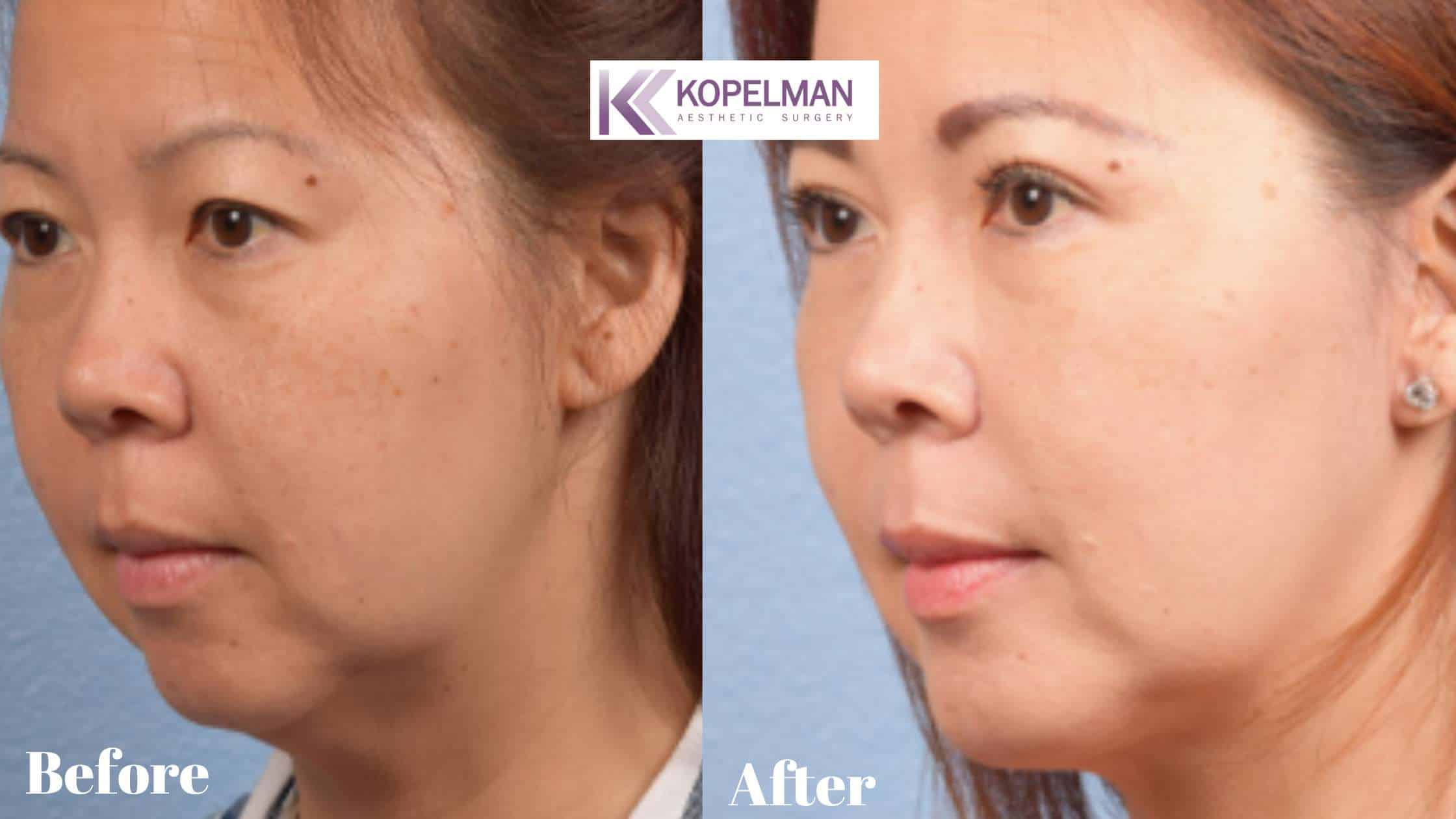
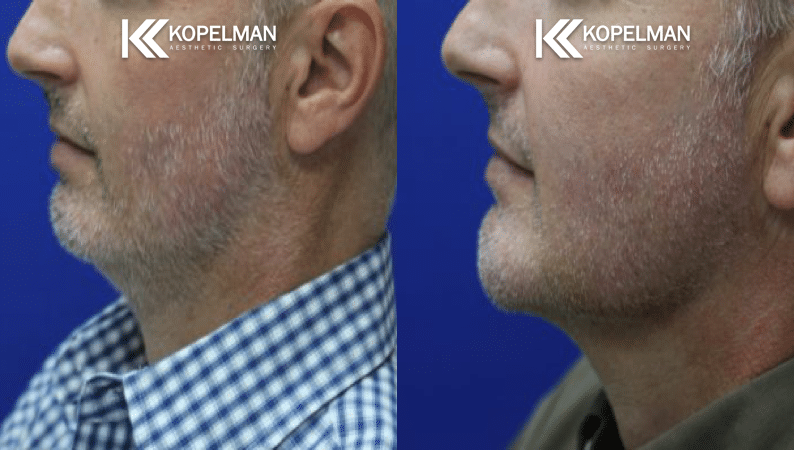
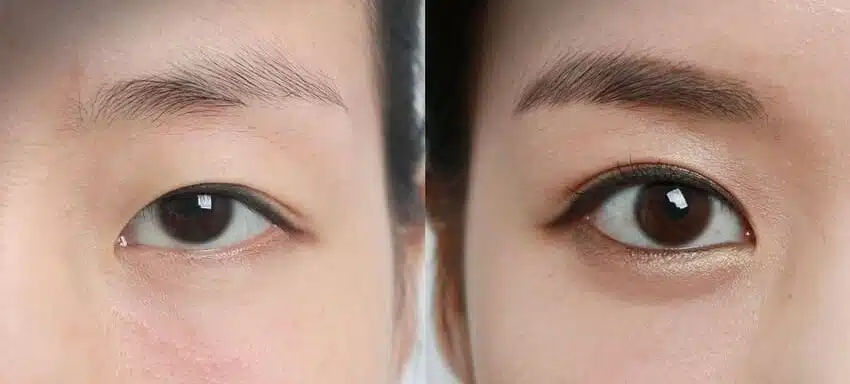
Many patients opt for a method that creates a natural look while forming a defined upper eyelid crease that complements their facial features. They often review Asian eyelid surgery before and after photos to see examples of real outcomes. Dr. Kopelman explains these choices during consultation and matches the method to each patient’s eyelid shape and goals.
What the Price Includes
A quote for asian blepharoplasty price should list:
- Pre-operative consultations to plan the surgery
- Surgeon’s fee
- Operating room costs
- Anesthesia fees if needed
- Post-operative follow-up visits
Some surgeons include basic medicines or supplies. Confirm what is covered to avoid surprise charges.
Pre-operative Consultations
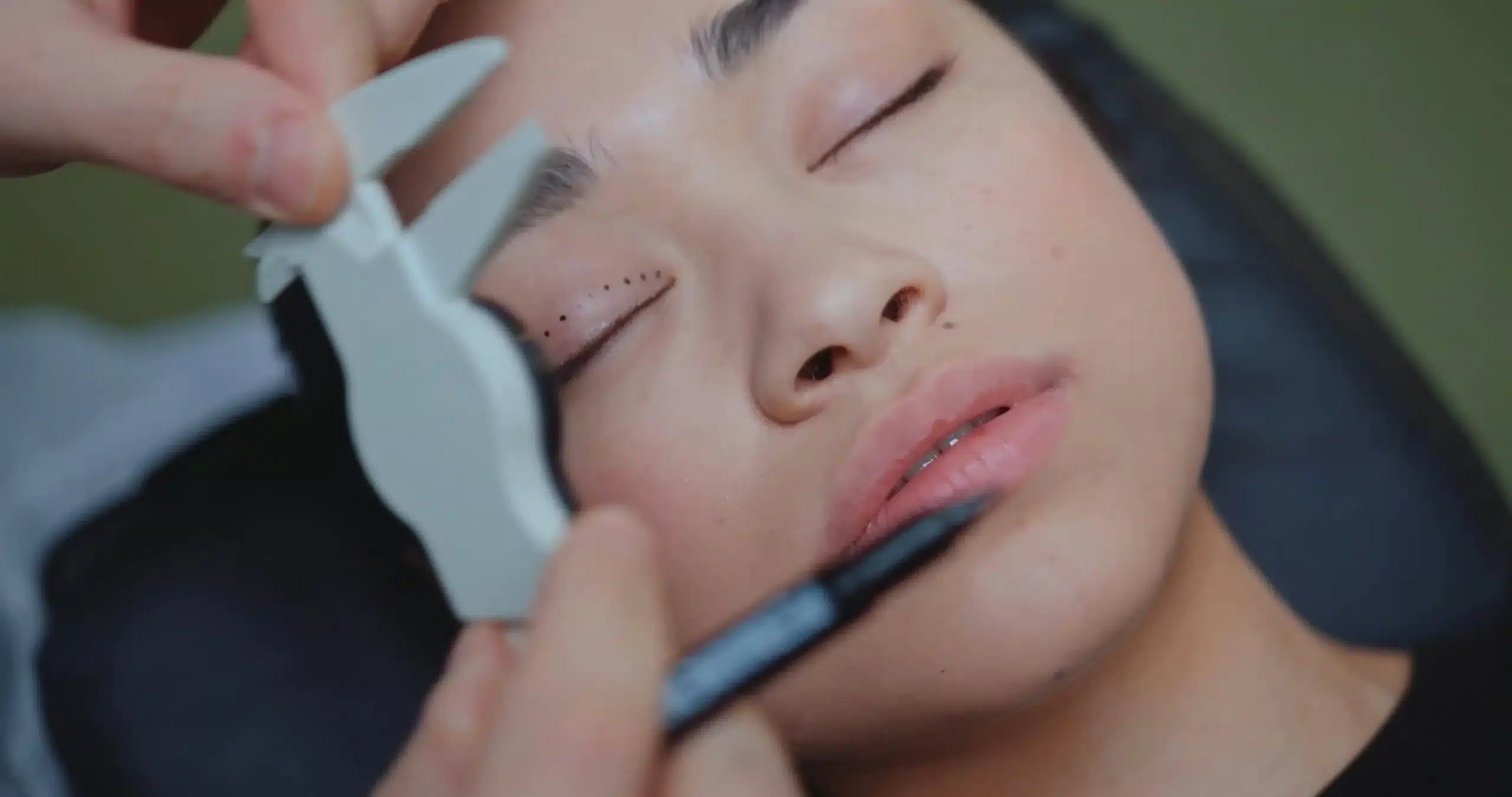
At these visits, the surgeon reviews your health, explains options, and creates a plan. Patients are encouraged to schedule an initial consultation early to discuss goals and get an accurate estimate.
Post-operative Care and Follow-up
Follow-up visits let the surgeon check healing, remove stitches if needed, and answer questions. Good aftercare reduces the risk of complications and enhances outcomes.
Recovery Time and Aftercare
Most patients return to normal activities within 7 to 10 days. Swelling and bruising fade over several weeks. Helpful steps include using cold compresses, sleeping with your head raised, and avoiding heavy activity for at least one week. Following these tips and attending follow-up visits with Dr. Kopelman protects results and supports a smooth recovery period.
Possible Risks and Complications
Asian blepharoplasty is safe with an experienced surgeon, but every surgery has risks. Possible problems include infection, temporary blurred vision, or uneven creases.
Some patients with droopy eyelids may also have a blocked visual field, which requires careful evaluation before surgery. Choosing a board-certified surgeon like Dr. Kopelman and following all instructions lowers these risks.
Procedure Insights
How Long Asian Eyelid Surgery Lasts?
Results from Asian eyelid surgery often last 10 years or longer. Natural aging may slowly change eyelid appearance. Using sun protection and good skincare helps keep results longer.
Difference Between Blepharoplasty and Asian Blepharoplasty
Regular blepharoplasty removes extra skin or fat to refresh the eyelids. Asian blepharoplasty creates or improves the eyelid crease while keeping the natural Asian eye shape. Patients who need to remove excess skin for medical reasons, such as to clear part of their visual field, may also benefit from this surgery.
Preparing for Surgery
Good preparation makes surgery safer and recovery easier. Patients should stop smoking at least two weeks before surgery, avoid blood-thinning medicine as instructed, arrange a ride home, and follow all fasting or medication rules from the clinic.
Patients who had prior eyelid procedures may also discuss possible revision surgeries with their surgeon to improve or correct earlier results.
Choosing a Qualified Surgeon
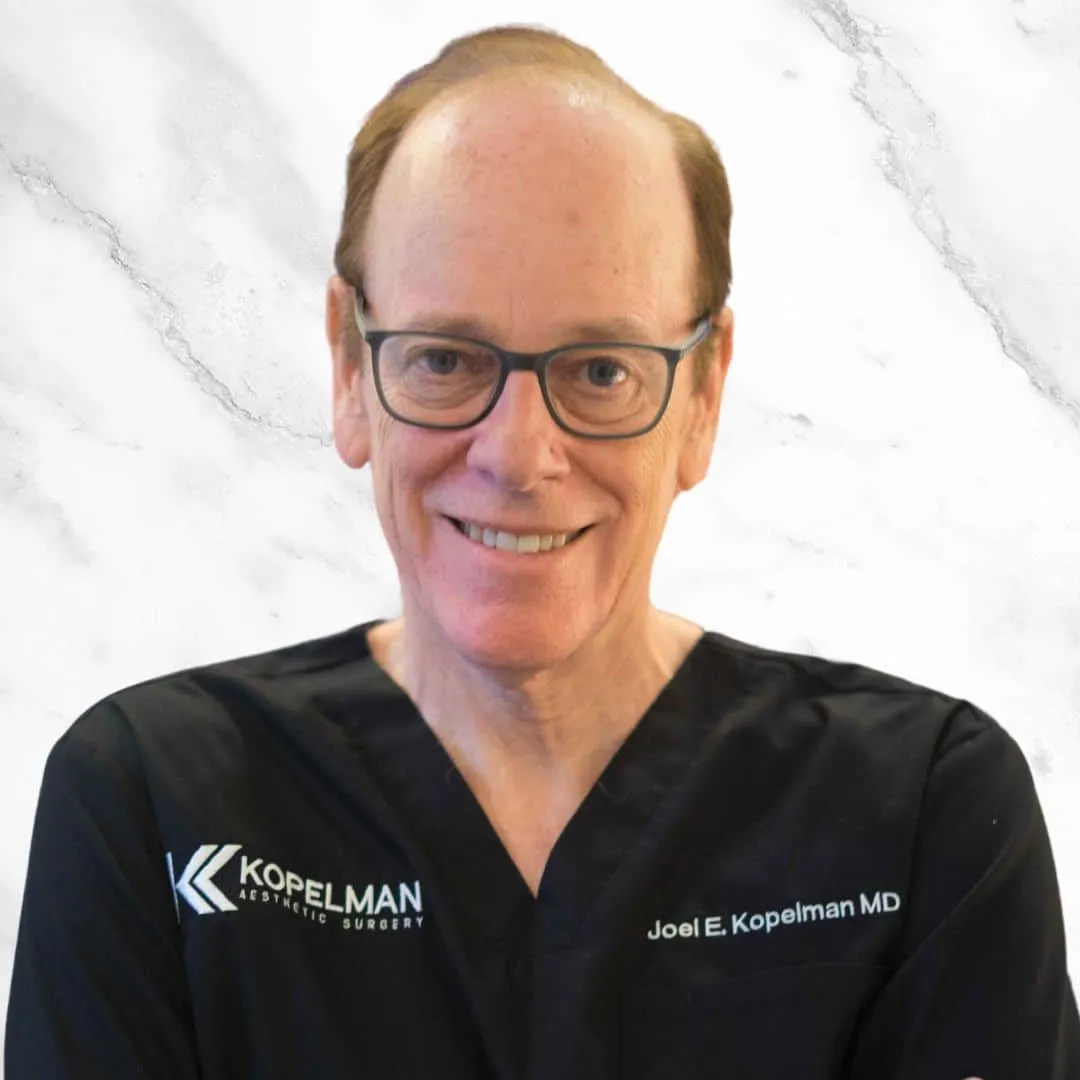
Choosing the right surgeon is key for safety and good results. Dr. Joel Kopelman is a board-certified facial plastic and oculoplastic surgeon with decades of eyelid surgery experience. His clinic, Kopelman Aesthetic Surgery, is known for natural results and personal care.
Credentials and Board Certification
Select surgeons who are board-certified in facial plastic or oculoplastic surgery. Certification shows advanced training and high safety standards.
Questions to Ask Your Surgeon
Before booking surgery, ask:
- How many Asian blepharoplasty procedures have you performed?
- Which technique fits my eyelid anatomy?
- What is included in the quoted price?
- How long is the recovery time?
These questions help you compare surgeons and set clear expectations.
Financing and Insurance Options
Asian blepharoplasty is usually a cosmetic procedure, so insurance rarely covers it unless it is needed for vision problems. Many clinics, including Kopelman Aesthetic Surgery, offer financing to make costs easier to manage.
Options may include medical credit cards, payment plans, or third-party lenders. Review terms carefully and choose a plan that fits your budget.
Take the Next Step
If you are considering Asian blepharoplasty and want a personalized cost estimate, you can schedule a consultation with Dr. Joel Kopelman at Kopelman Aesthetic Surgery. An in-person visit allows Dr. Kopelman to review your goals, explain options, and create a plan tailored to your needs.