An alternative to fillers includes treatments such as radiofrequency skin tightening, ultrasound-based stimulation, platelet-based therapies, and other non-surgical options that improve skin firmness and quality without filler injections.
These approaches do not restore lost volume the way hyaluronic acid fillers do, but instead support the natural production of collagen and elastin and promote gradual skin repair.
This article explains how these natural alternatives work, who they are best suited for, and how they compare in terms of safety, limitations, and expectations, based on clinical practice at Kopelman Aesthetic Surgery and Dr. Joel Kopelman’s experience.
Key Takeaways
- Filler alternatives focus on supporting the skin, collagen, and elastin, and overall tissue health rather than directly replacing volume, leading to slower, more subtle changes.
- Non-surgical and biologic options work in different ways, such as energy-based stimulation or autologous treatments, and results vary by facial area and individual response.
- Compared with hyaluronic acid-based dermal fillers, these approaches offer less control for restoring lost volume but may appeal to people seeking natural-looking results.
- Some facial concerns respond better than others, as more profound volume loss often requires different strategies than surface skin changes.
- A careful medical evaluation helps determine candidacy, limitations, and whether these options align with long-term goals and expectations.
What Can You Use Instead of Fillers?
Several non-filler treatments can be used instead of filler injections, depending on the concern being addressed. These options focus on skin support and quality rather than adding volume with hyaluronic acid. Common alternatives include:
- Radiofrequency skin tightening
- Ultrasound-based treatments
- Platelet-based therapies
- Collagen-stimulating procedures
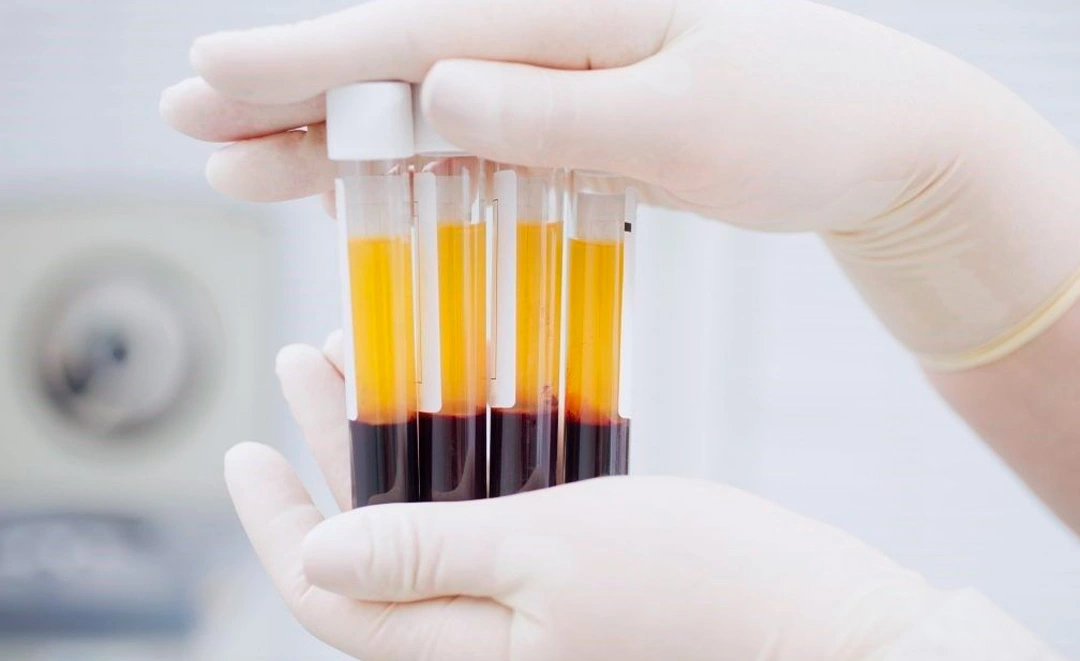
These approaches do not restore lost volume as fillers do. Instead, they aim to smooth wrinkles, improve skin texture, and support youthful skin through gradual change.
Natural and Non-Surgical Filler Alternatives
Natural and non-surgical filler alternatives focus on skin support rather than direct volume replacement. Changes appear gradually and are often less dramatic than traditional fillers. Results and treatment schedules vary by method.
Collagen-Stimulating Treatments
Collagen-stimulating treatments help the skin rebuild its internal structure over time. This process stimulates collagen production, supporting firmer, more youthful skin. Improvements develop slowly rather than appearing immediately.
These treatments may suit people with early skin laxity or mild volume change. They do not create sharp contour changes like fillers. Their goal is gradual support and natural-looking results.
Platelet-Based and Autologous Options
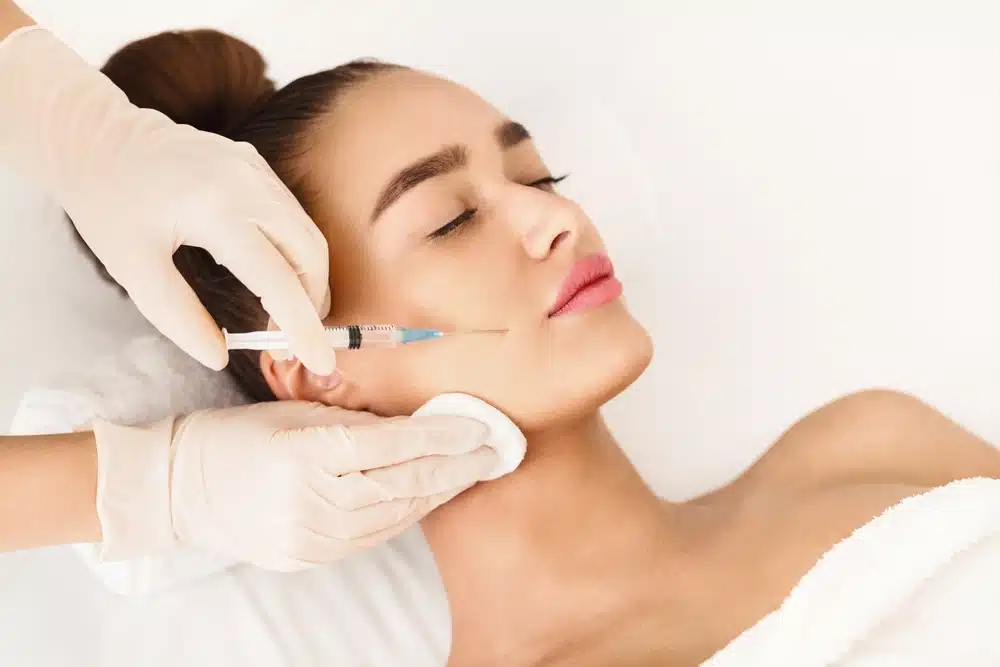
Autologous treatments use material taken from the patient’s own blood. Platelet-based approaches concentrate growth factors that support healing and tissue repair. These injections may improve skin texture and elasticity.
Because the material comes from the patient, allergic reactions are rare. Results depend on the body’s response and are often subtle. Multiple sessions may be needed, and results may last longer when combined with proper skin care.
Energy-Based Skin Tightening
Energy-based skin tightening uses controlled heat or stimulation to activate collagen and elastin. Radiofrequency and ultrasound are common examples. These treatments focus on firmness rather than volume.
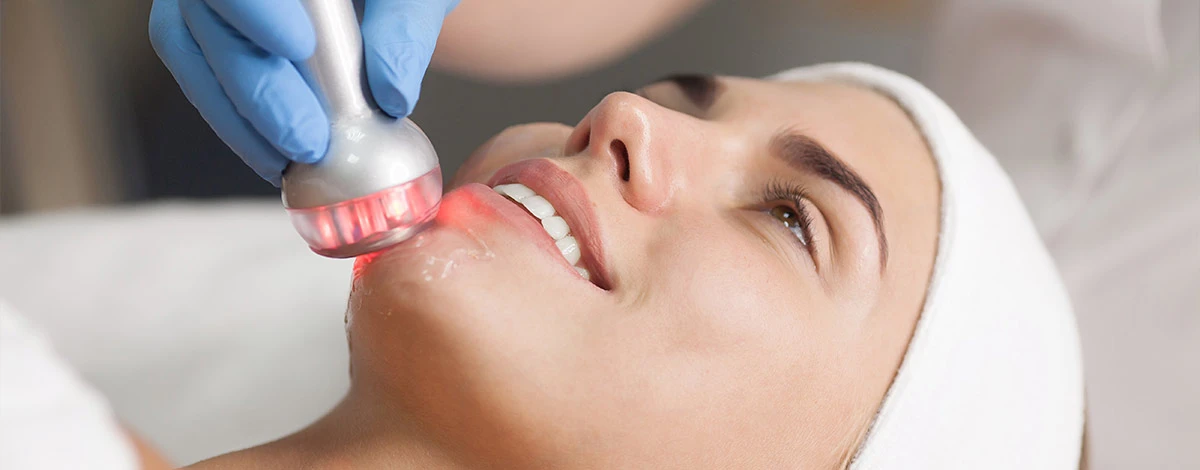
They work best for mild to moderate skin looseness. They do not replace lost volume or reshape deep folds. Their role is supportive and often combined with skincare products to maintain results.
Alternative to Fillers and Botox: Key Differences
Fillers, botulinum toxin, and filler alternatives each serve different purposes. Fillers made with hyaluronic acid restore lost volume, while Botox reduces muscle movement. Understanding the difference between fillers and hyaluronic acid helps clarify how these treatments compare. Filler alternatives focus on skin quality and gradual tightening.
Non-injectable options do not freeze muscles or instantly fill lines. Instead, they support the skin over time. This difference matters when choosing anti-aging strategies and setting expectations.
How Can You Plump Your Face Without Fillers?
Plumping the face without fillers relies on indirect methods. Treatments may thicken the skin, improve hydration, or support collagen and elastin. Over time, this can create a fuller look.
Collagen-focused and platelet-based options are common examples. These methods do not restore lost volume like filler injections. Changes are mild and develop slowly.
Alternative to Fillers by Facial Area
Each facial area responds differently to non-filler treatments. Skin thickness, movement, and structure all affect outcomes. For this reason, treatments are often selected by area.
Smile Lines and Marionette Lines
Smile lines and marionette lines can be treated with non-filler options when changes are mild. Common approaches include radiofrequency skin tightening and collagen-stimulating treatments that support the skin over time. Platelet-based therapies may also help improve skin quality.
These methods do not restore lost volume like filler injections. They aim to smooth wrinkles gradually and are best for early changes.
Cheeks and Midface Volume
The cheeks and midface lose support as skin and tissue change over time. Non-filler options used in this area include radiofrequency skin tightening and ultrasound-based treatments to improve firmness. Platelet-based therapies may also support skin quality.
These approaches do not restore lost volume like filler injections. They focus on gradual support and are best for mild flattening rather than structural volume loss.
Eyes and Under-Eye Area
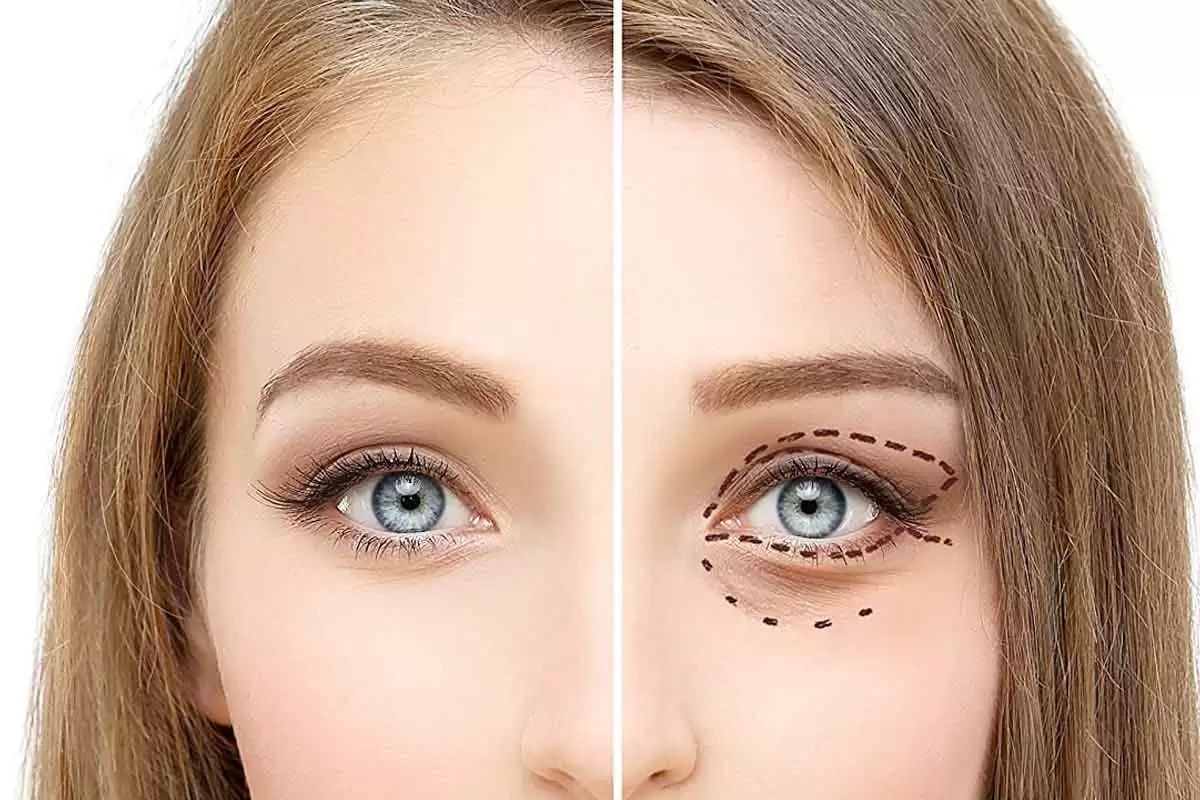
The under-eye area has thin, sensitive skin. Energy-based tightening, such as laser treatment for under-eye bags, may help with mild laxity. Platelet-based treatments may improve texture and tone.
Careful evaluation is needed. Not all natural alternatives are suitable for this area.
Lips Definition
Lip definition without fillers focuses on skin quality rather than fullness. Energy-based methods may reduce fine lines around the mouth. Autologous options may support surface texture.
These treatments do not add volume like lip fillers. They suit people seeking subtle change and natural-looking results.
New and Emerging Filler Alternatives
New filler alternatives continue to develop as technology evolves. These include updated radiofrequency systems, newer ultrasound devices, and refined platelet-based treatments that support skin quality. Some approaches combine energy-based treatments with biologic stimulation to achieve longer-lasting results.
Long-term data may be limited for newer options. Careful evaluation with a qualified physician helps assess safety and suitability. Newer methods are not always better for every patient.
How Filler Alternatives Compare to Dermal Fillers
Dermal fillers provide immediate volume and shape. Filler alternatives work more slowly by changing how the skin responds. This affects timing and visibility of results.
Filler alternatives often require more sessions and patience. They may reduce the risk of overcorrection, but cannot restore lost volume as precisely. Some patients prefer them because they support gradual change and maintenance.
Key differences often include:
- Fillers add volume immediately using hyaluronic acid.
- Botulinum toxin reduces muscle movement to soften expression lines.
- Filler alternatives support natural collagen and gradual improvement.
Each option serves a different goal. Clear comparison helps guide choice.
What Are the Risks and Limitations of Filler Alternatives
Filler alternatives generally carry lower risk, but they come with limits. Energy-based treatments can cause short-term redness or swelling. Autologous options depend on individual healing.
These treatments do not allow precise control over shape or volume. Results vary and take time. Knowing these limits helps avoid unrealistic expectations.
Clinical Evaluation and Treatment Planning
A medical evaluation is essential when choosing between fillers and alternatives. Physicians assess anatomy, skin condition, and volume loss. This helps determine if gradual treatments are appropriate.
Planning often weighs subtlety against predictability. In practice, surgeons like Dr. Kopelman consider how each method affects deeper tissue. This supports safe and informed care.
Who is a Good Candidate for an Alternative to fillers?
Good candidates often have mild to moderate concerns and realistic expectations. People who prefer gradual improvement may benefit most. Those with significant volume loss may need filler injections or other options.
Health history, skin type, and anatomy matter. A clinical review helps confirm fit. This step supports responsible care.
How to Choose the Right Filler Alternative
Choosing among filler alternatives starts with identifying the primary concern. Skin laxity, texture issues, and volume loss need different plans. No single method treats all needs.
A trained surgeon, such as Dr. Kopelman, can explain the limits and risks. Daily skin care, proper skincare products, and professional treatments often work together. Schedule a consultation to receive a personalized evaluation and plan before making treatment decisions.