
This article explains how filler frequency is determined, how long results last, and how treatment schedules are planned, with medical and clinical insights from Dr. Joel Kopelman.
Key Takeaways
- Lip filler frequency varies by anatomy, metabolism, and product choice, with most patients reassessed around 6 to 12 months rather than on a fixed schedule.
- Waiting several weeks between treatments is important because lip tissue needs time to heal and stabilize before additional filler is considered.
- Touch-ups and full treatments serve different purposes: touch-ups refine small areas, while full treatments restore structure.
- Lip fillers fade gradually as hyaluronic acid breaks down, and stopping treatment allows lips to return to their natural baseline.
How Often Do You Need Lip Fillers?
It depends on anatomy, the type of filler treatment used, and how quickly the body metabolizes hyaluronic acid. During lip augmentation, hyaluronic acid fillers are selected to integrate smoothly with soft tissue and support a natural lip contour. Providers assess when the lips begin to lose volume before recommending another session.
Most patients are reassessed every 6 to 12 months, according to guidance on how often lip fillers can be safely repeated. Some notice changes sooner, while others maintain results longer without intervention. This range reflects clinical practice rather than a strict rule.
Lip fillers are guided by visible change rather than calendar dates. This approach helps preserve natural movement and avoids excess product.
How Often Is It Okay To Get Lip Fillers
It is generally acceptable to receive lip fillers once swelling has resolved and the filler injected has settled into the tissue. Healing usually takes several weeks, even if the surface appears stable sooner. Treating too early can increase the risk of uneven volume or pressure.
How Often To Get Lip Filler Touch-Up
A lip filler touch-up is usually considered 2 to 6 weeks after the initial filler treatment, once swelling has fully resolved, and the final shape is visible.
A touch-up is different from a full filler treatment. Touch-ups address small asymmetries or minor volume loss after healing and are not needed for every patient. Many people achieve balanced results without them.
Full treatments restore overall shape or support when lips lose volume, while touch-ups make limited refinements. Knowing this difference helps avoid unnecessary injections.
How Long To Wait Between Lip Fillers
Waiting between lip filler sessions allows inflammation to resolve and tissue to adapt. Even when swelling improves quickly, deeper healing continues for weeks. Proper spacing supports safer placement of dermal fillers.
Medical guidance focuses on tissue response rather than appearance alone. Adequate healing time reduces overcorrection risk.
How Soon Can You Add More Lip Filler
In most cases, more lip filler can be considered after 2 to 4 weeks, once swelling has resolved and the filler has fully settled. This waiting period allows the provider to evaluate the true shape, volume, and symmetry of the lips once lip fillers have fully settled. Adding filler sooner can increase the risk of uneven results or unnecessary volume.
How Long Lip Fillers Last
Longevity affects how often to get lip fillers. Dermal fillers fade gradually as the body metabolizes hyaluronic acid rather than disappearing suddenly. Many patients do not notice the exact moment results soften.
Typical Duration Of Results
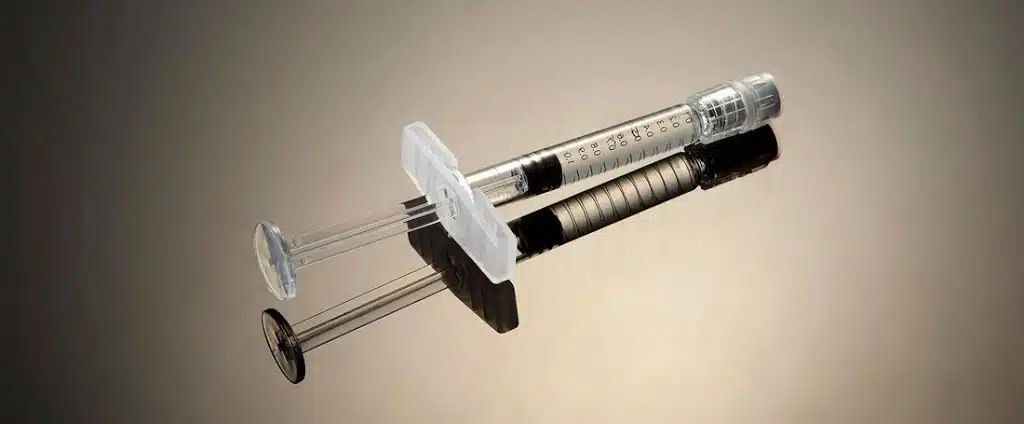
Most lip fillers last six to twelve months. Softer products fade sooner, while more structured options may provide more long-lasting results. The lips metabolize filler faster due to frequent movement.
Common clinical ranges include:
- Softer fillers: around 6 months
- Moderately structured fillers: 6 to 9 months
- More structured fillers: up to 12 months
What Affects How Long They Last
Metabolism, lip movement, and lifestyle factors influence how long fillers remain visible. Sun exposure can accelerate skin aging around the lips, potentially affecting how results appear over time. Staying hydrated and drinking plenty of water supports overall tissue health, though it does not stop filler breakdown.
Fillers vary in softness and structure. Softer fillers used for hydration fade sooner, while structured fillers that add volume and support tend to last longer.
Do You Have To Keep Getting Lip Fillers
Many patients worry that starting treatment creates a long-term obligation. A common concern is whether you have to keep getting lip fillers once you begin. Medically, lip fillers are optional and reversible.
Stopping treatment does not damage the lips. The filler dissolves gradually, and lips return to their natural appearance.
What Happens If You Stop
When lip fillers are discontinued, hyaluronic acid breaks down naturally. There is no sudden loss of volume or tissue harm. The lips simply return to baseline.
Some people feel their lips look smaller after stopping, but this reflects comparison rather than anatomical changes.
Long-Term Maintenance Expectations
Maintenance depends on preference, not necessity. Some patients choose periodic treatments, while others wait until they notice volume loss. There is no requirement to continue indefinitely.
Dr. Kopelman emphasizes planning based on tissue health and proportion rather than frequent injections. This approach helps reduce overfilling risk.
Signs It May Be Time For More Filler
Providers look for physical signs of fading rather than relying solely on time. Changes occur gradually and vary between patients. Visual assessment offers better guidance than fixed schedules.
Monitoring subtle changes enables informed decisions if treatment is considered.
Volume And Shape Changes
Reduced fullness or loss of definition may signal filler breakdown. Some patients notice asymmetry returning as they lose volume. These signs often appear before complete fading.
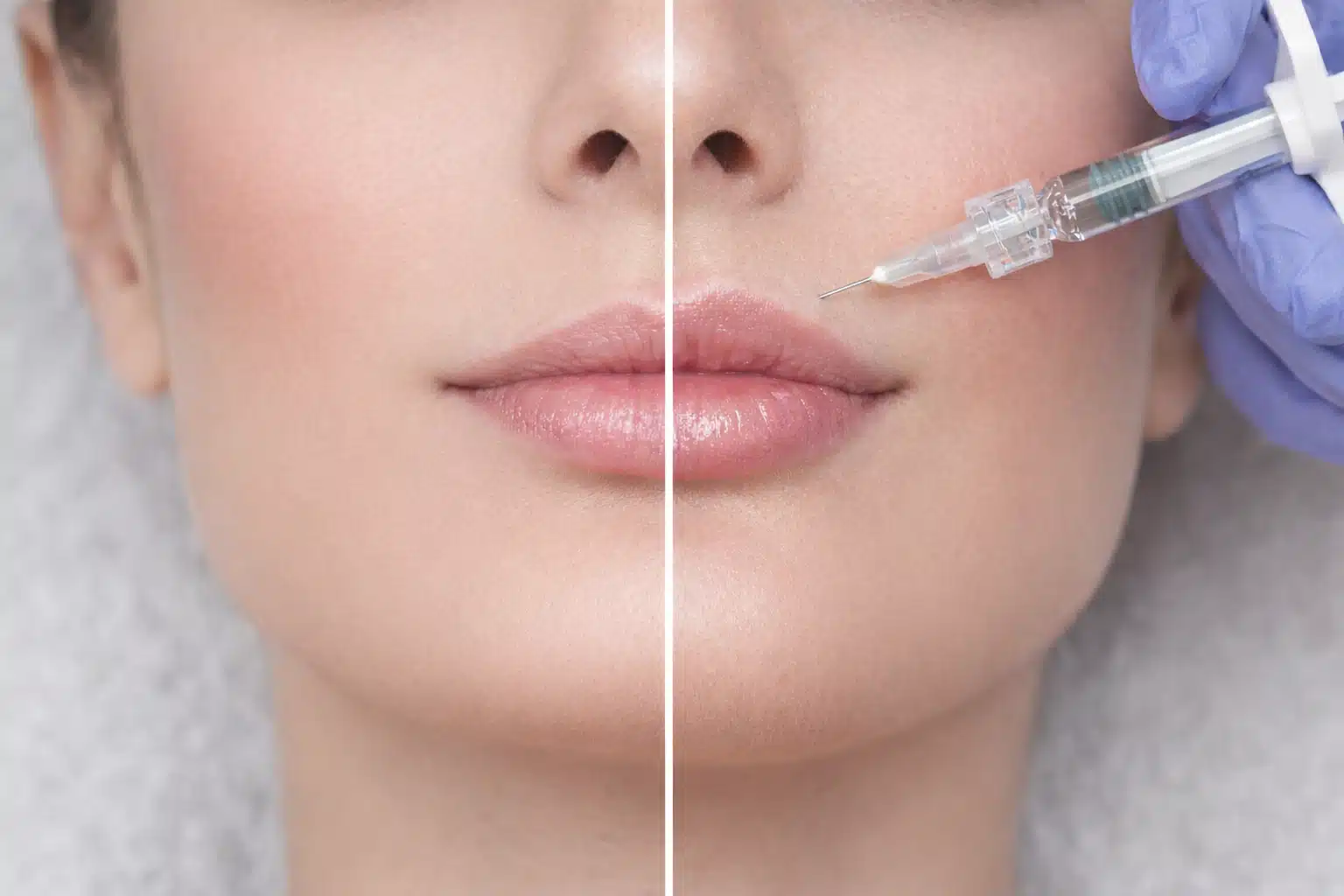
Providers assess whether additional filler would restore balance. Not every change requires treatment.
When Results Fade
Fading is gradual and easy to miss day to day. Comparing the current appearance with earlier photos can help identify change. This provides a more objective reference.
Why Provider Guidance Matters
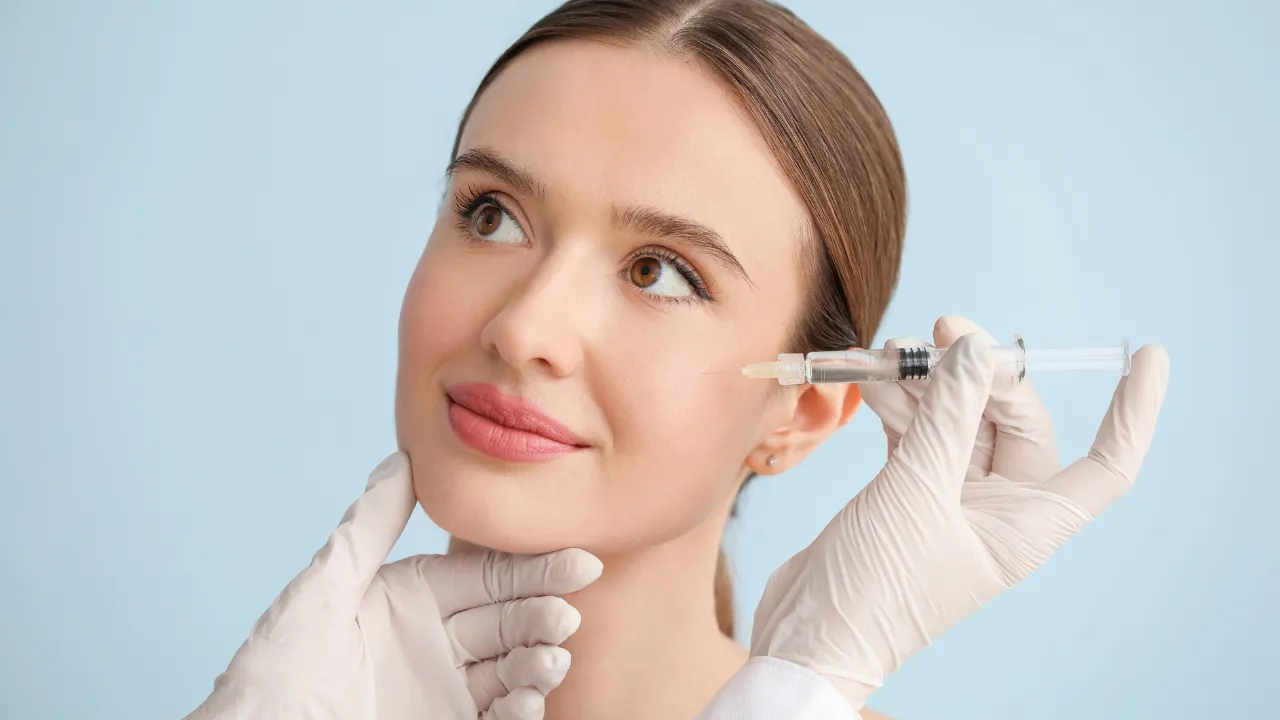
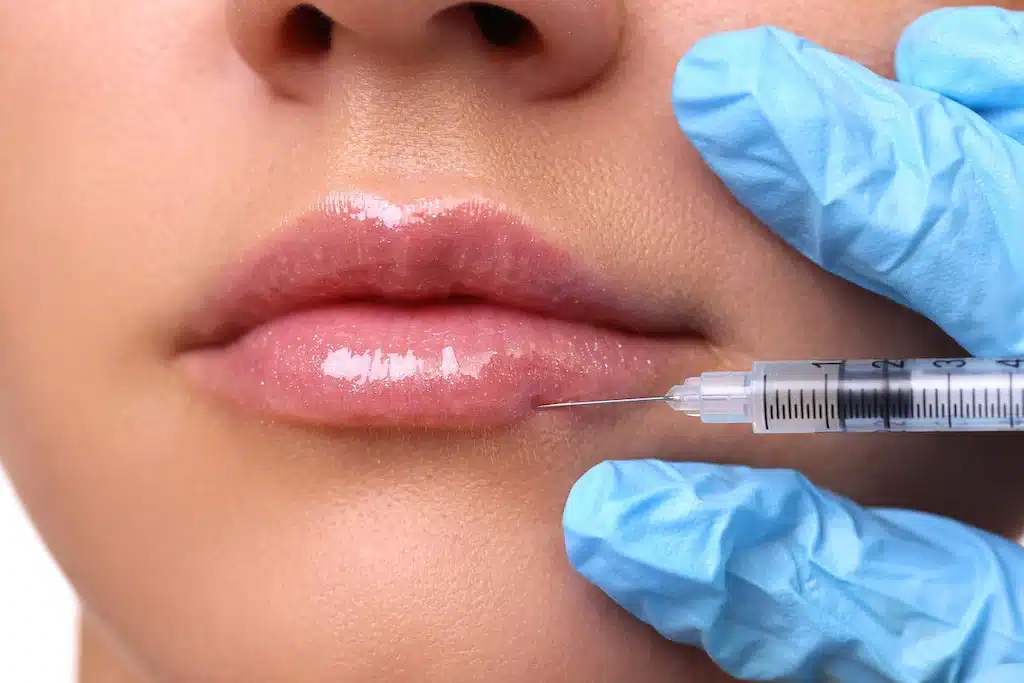
Clinical evaluation is essential when planning filler frequency. Surgeons consider vascular anatomy, tissue condition, and treatment history. During a lip filler procedure, topical anesthetics are often used to improve comfort during injection.
Post-treatment care also matters for recovery and longevity. Patients are often advised to limit sun exposure early and to use lip balm with SPF to protect healing tissue.
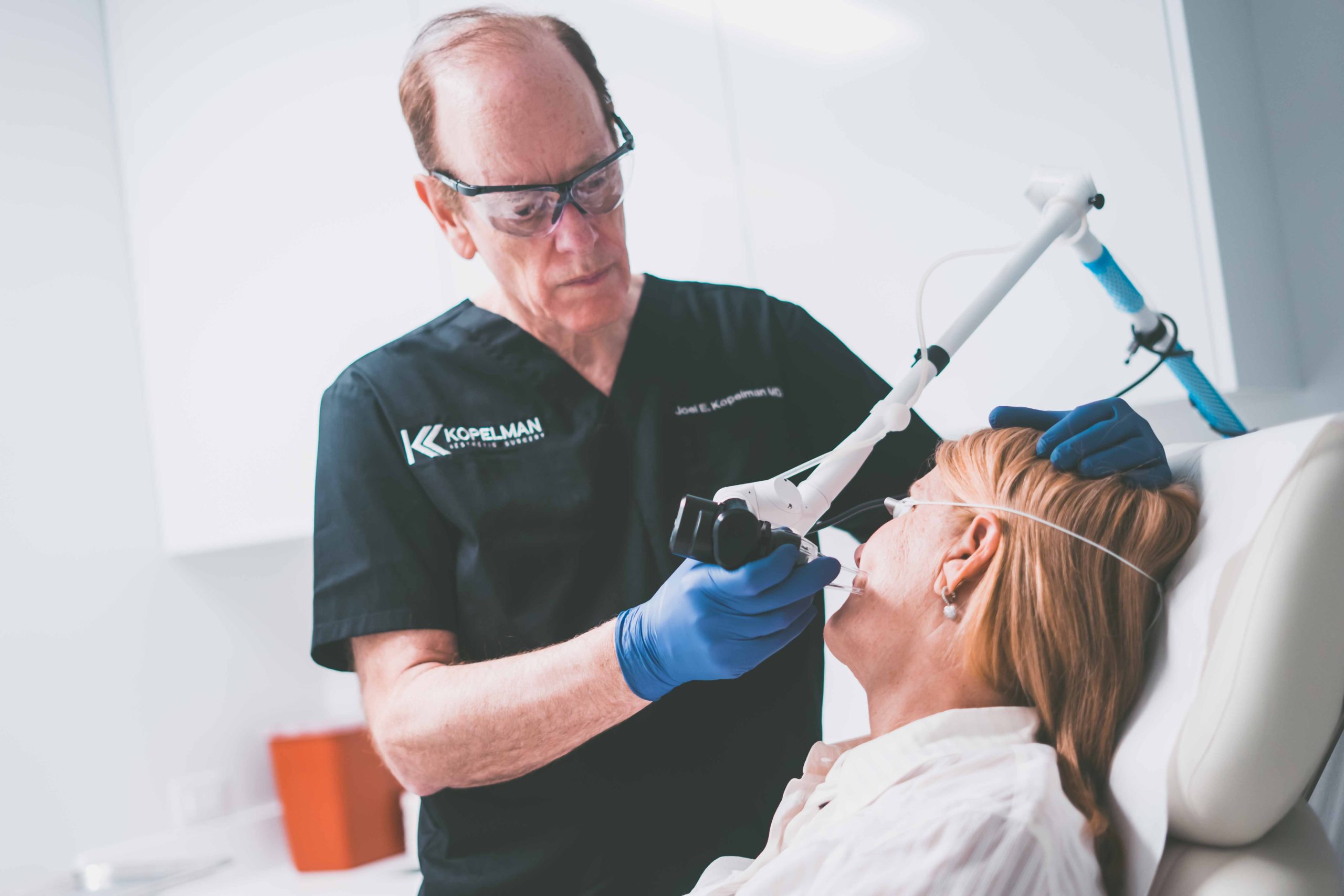
Dr. Joel Kopelman notes that safe planning relies on in-person assessment rather than averages. This approach supports long-term tissue health and patient safety.
If you have questions about lip filler timing or suitability, scheduling a consultation can provide clarity. A personalized evaluation helps guide safe, informed decisions.