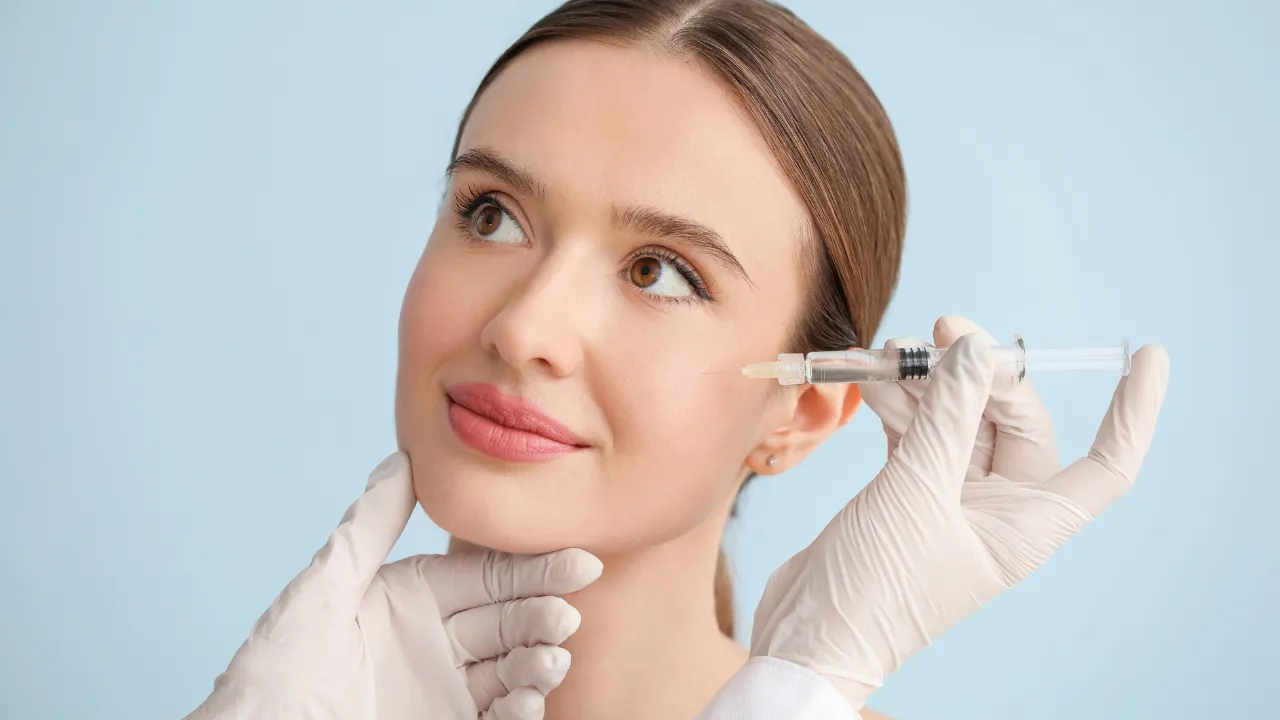


Dr. Joel Kopelman, a facial plastic and oculoplastic surgeon at Kopelman Aesthetic Surgery, explains that clear aftercare helps reduce avoidable swelling and irritation. This article explains when exercise may be safe again, which activities to avoid, and when to contact your provider after dermal filler treatment.
Key Takeaways
- Exercise is usually limited for the first 24 to 48 hours because increased blood flow, heat, and pressure can worsen bruising and swelling or affect how fillers settle.
- Light movement, such as walking, is often safe early, while strenuous exercise and heat should wait until swelling improves.
- Sensitive areas like the lips and under-eyes need extra care because movement and pressure can increase bruising.
- Exercise does not dissolve fillers, but hard workouts too soon after an injection can cause short-term swelling or firmness at the injection site.
- Decisions about exercise should be based on symptoms, and ongoing pain or uneven swelling should be checked by a medical provider.
Can You Exercise After Fillers?
In most cases, light daily movement is fine, but workouts should wait for a short time. This advice reflects how dermal filler injections respond to changes in blood flow and tissue pressure.
After a dermal filler treatment, the body needs time to stabilize the injection site. Exercise raises heart rate, blood pressure, and body heat. These changes can increase bruising and swelling around treated areas.
How Long After Fillers Can You Exercise?
When Fillers Settle in the Skin
After injection, fillers settle slowly as filler swelling goes down. This process depends on filler type, depth, and location. It can also be influenced by the injection techniques used during treatment.
For this reason, guidance on when to resume exercise after fillers emphasizes early care rather than fixed timelines. Most fillers begin to stabilize within a few days.

First 24 to 48 Hours
The first 24 to 48 hours are usually the most sensitive. Many providers recommend avoiding workouts during this window. Activities that involve bending, heat, or strain can increase inflammation.
After this phase, exercise can return gradually if tenderness improves. A slow return is safer than jumping back into full workouts.
Why Exercise After Fillers Is Restricted
Swelling, Bruising, and Blood Flow
Exercise increases blood flow throughout the body. This includes small blood vessels near treated areas. While circulation supports healing, it can also increase bruising and swelling soon after cosmetic procedures.
Limiting exercise early helps control these effects. This supports smoother recovery at each injection site.
Filler Movement and Pressure
Fillers are placed with care to achieve balance. Pressure from movement or strain can shift filler before it settles. This is why clinicians often advise waiting before trying to work out after filler treatment.
Even small shifts can affect how the area looks, especially when facial fillers settle incorrectly. Reducing pressure early helps protect placement.
Does Exercise Dissolve Fillers
Exercise does not dissolve fillers. Hyaluronic acid fillers break down over time through natural body processes. Physical activity does not speed this process.
The main concern is not breakdown, but movement during healing. Exercise too soon can affect how fillers settle.
Exercise After Fillers in the Face
Lips and Under-Eye Area
The lips and under-eyes are more delicate areas after facial fillers, especially when considering whether you can work out after lip fillers. The skin is thinner and contains many blood vessels. Exercise after facial filler treatment requires extra care in these areas.
Facial tension, heavy breathing, rubbing, or confusion about putting on makeup after fillers can increase swelling. Avoiding pressure early helps reduce bruising.
Cheeks and Jawline
The cheeks and jawline are usually less sensitive. These areas have thicker tissue and move less. Even so, early exercise limits still apply.
A slow return to activity remains important for these areas.
Physical Activity Guidelines After Fillers
Low-Impact Movement
Gentle movement, such as walking, is often safe within the first day. This type of physical activity after fillers does not raise heart rate or blood pressure much. It also avoids pressure on treated areas.
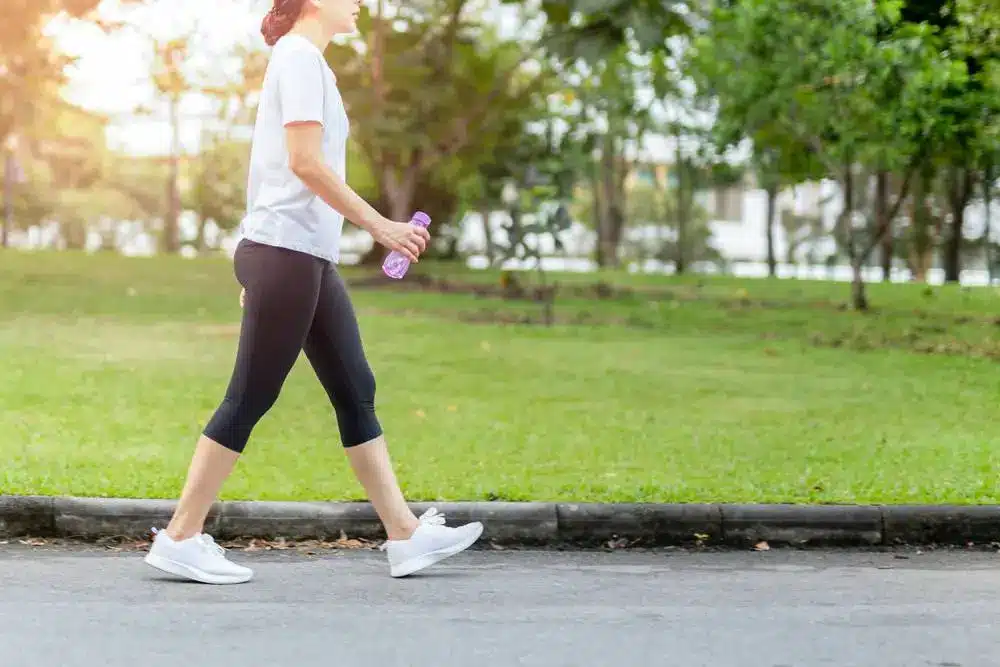
Patients should stop if swelling increases. Comfort is a useful guide.
What to Avoid After Fillers
During early recovery, patients are often told to avoid:
- Strenuous exercise
- Heat, such as saunas
- Positions that increase facial pressure
Alcohol use and long sun exposure can also worsen swelling when combined with early exercise. Some providers may also suggest applying ice briefly to reduce swelling, using care to avoid pressure.
When to Contact Your Provider
Most side effects after dermal filler treatment fade within days. Ongoing pain, rising swelling, or uneven appearance should be checked by a medical provider. These signs may need evaluation.
If light movement makes symptoms worse, more rest is often needed. Professional advice helps set safe limits when uncertainty remains, especially for patients who have had plastic surgery or other cosmetic procedures.
If you have questions about exercise after fillers or want guidance tailored to your treatment, scheduling a consultation can help clarify next steps. A qualified provider can review your goals, activity level, and recovery needs to offer personalized recommendations.