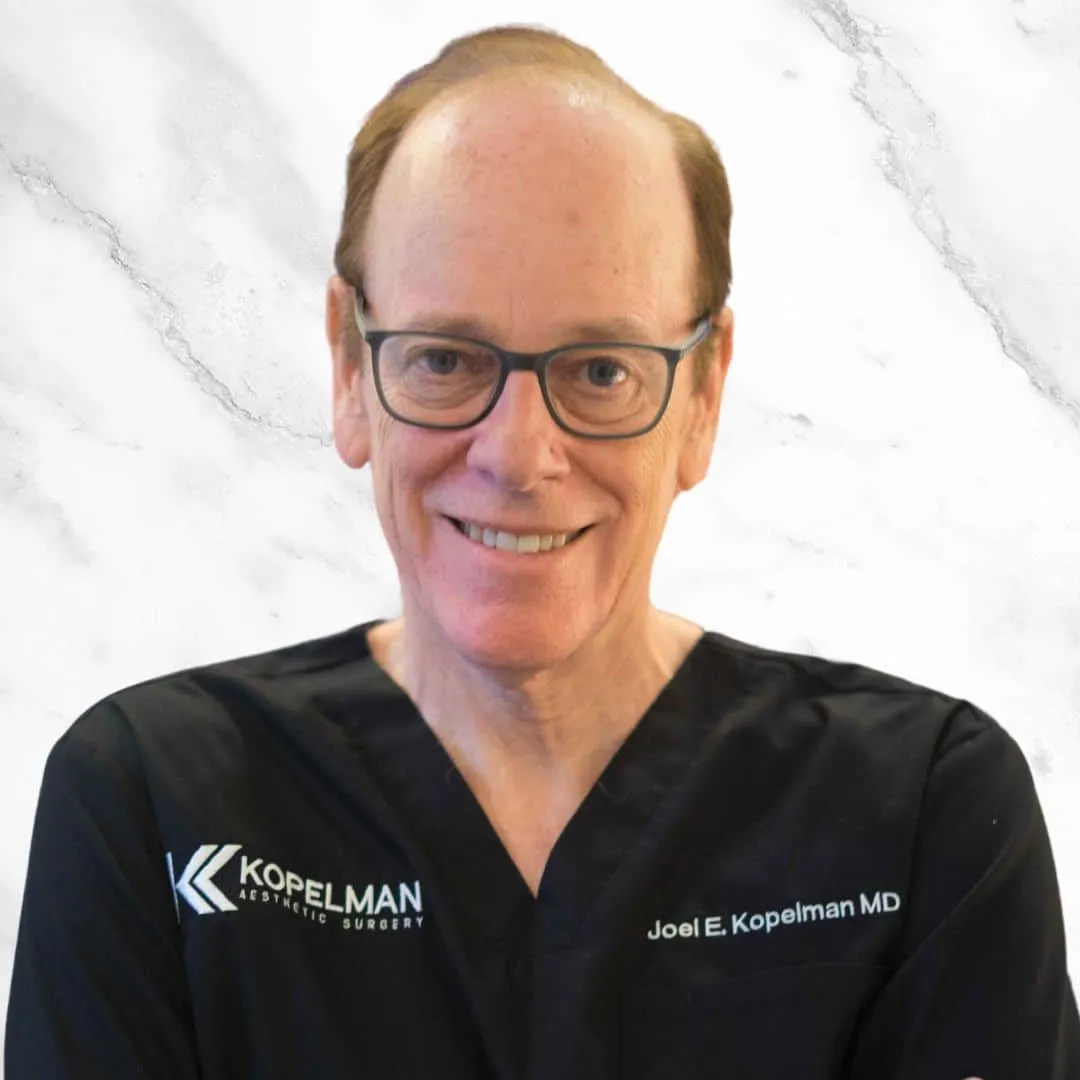

At Kopelman Aesthetic Surgery in New York City, patients often ask, “How long after blepharoplasty can I fly?” Dr. Joel Kopelman, a board-certified facial plastic and oculoplastic surgeon with more than 35 years of experience, explains that you can usually travel about two weeks after the procedure, once swelling has improved, and your surgeon has cleared you.
Most patients should wait about 7 to 14 days after blepharoplasty before flying, with 10 to 14 days often preferred for short flights. It depends on your swelling, bruising, eye comfort, surgeon’s instructions, and whether you had upper eyelid surgery, lower eyelid surgery, or both. Flying too early may increase swelling or discomfort because cabin pressure, dry air, and limited rest can affect early healing.
Key Takeaways
- Most patients can safely fly about two weeks after blepharoplasty, though lower eyelid procedures may require more time.
- Flying too soon can worsen bruising and swelling, so clearance from the surgeon is essential before travel.
- Protective measures such as artificial tears, sunglasses, and avoiding heavy lifting reduce the risk during recovery.
- Lifestyle adjustments, including avoiding alcohol, nicotine, caffeine, and certain medications, support healing.
- Patients should also avoid swimming, hot tubs, and sun exposure without SPF to protect scars.
Can You Fly After Eyelid Surgery?
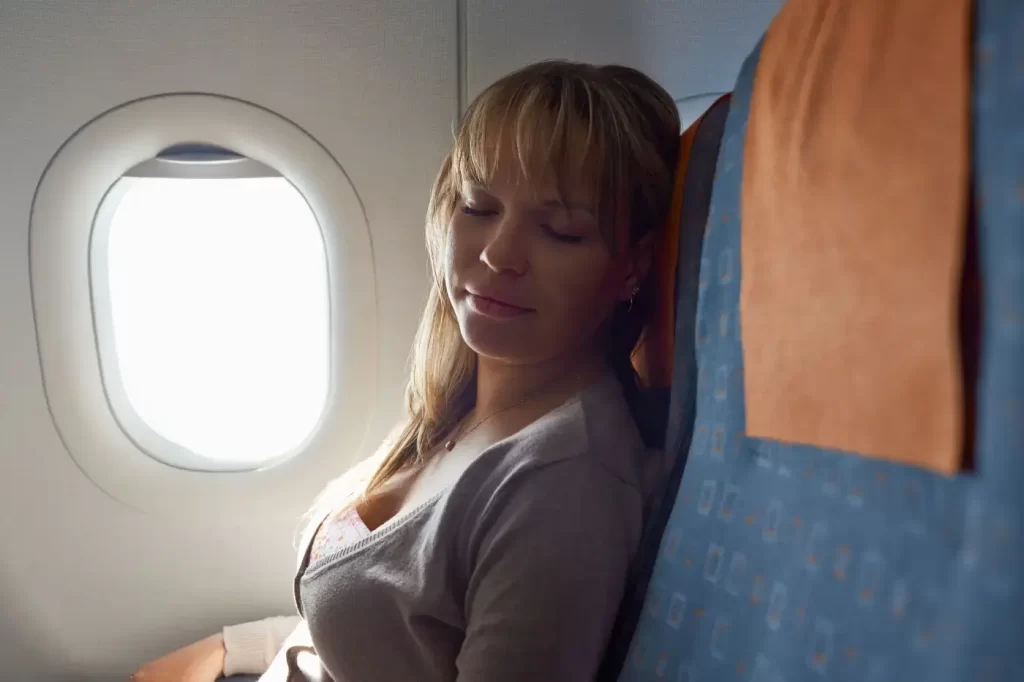
Patients must follow postoperative instructions before flying. Most people should wait one to two weeks after surgery, allowing swelling to settle and reducing risks. Pressure changes during flights can stress healing eyes if travel is too soon.
A week after surgery is usually too early, especially for long flights. Waiting until sutures are removed and swelling decreases helps ensure safety. Traveling after eyelid surgery too early may increase discomfort and slow healing.
Air pressure and dry air can increase swelling during flights. Artificial tears and sunglasses to protect sensitive tissue are simple steps that improve comfort once cleared to travel.
Flying After Blepharoplasty
The main concern is always how soon can you fly after blepharoplasty? Most plastic surgeons, including Dr. Kopelman, recommend waiting about two weeks. This period reduces complications and supports early recovery. Patients flying too early risk worsening swelling and delayed healing.
An upper eyelid blepharoplasty, which often involves removing excess skin, may allow slightly earlier travel than lower eyelid surgery. Decisions should be based on each patient’s healing process and their surgeon’s guidance.
Can You Fly After a Lower Blepharoplasty?
Patients often ask about flying after lower blepharoplasty because this procedure usually involves more swelling and a longer recovery than upper eyelid surgery.
Lower eyelid surgery involves a longer recovery than upper eyelid surgery. Most surgeons suggest waiting 10 to 14 days before flying. This area is more prone to bruising and swelling, and air travel can intensify these effects.
By waiting the recommended time, patients reduce the risks of pain, dry eyes, or pressure changes. Short car trips are usually safe, but strenuous physical activity should be avoided. Always confirm with your surgeon before making travel plans.
Flying After Upper Blepharoplasty
Upper eyelids often recover more quickly than lower eyelids. Some patients may be cleared for short flights within a week, though long flights are best postponed for two weeks. This reflects the smaller removal of excess skin in upper eyelid surgery.
Even with quicker recovery, swelling is expected in the first week. Artificial tears and rest remain important during this period. Patients should carefully follow postoperative instructions before flying.
Flying After Double Eyelid Surgery
Double eyelid surgery generally follows the same timeline as upper eyelid procedures. Surgeons recommend waiting 10 to 14 days before flying. Healing time may vary depending on whether sutures are dissolvable or require removal.
For international travel, extra recovery time is wise. Long flights can worsen swelling due to dry cabin air and pressure changes. Patients should discuss individual risks with their surgeon.
Additional Post-Operative Considerations for Travel
Lifestyle adjustments support healing before flights. Alcohol after blepharoplasty should be avoided, along with nicotine and caffeine, as they slow recovery and increase swelling.
Blood-thinning medications such as aspirin, ibuprofen, and naproxen should also be avoided unless cleared by a doctor.
Diet and routines may also require changes. Patients should eat soft foods, stay hydrated, and gently cleanse their face after a day or two. Hot tubs, swimming, and diving should be avoided for two to four weeks. SPF 30+ sunscreen and sunglasses protect against scar discoloration.
Travel clearance may depend on suture type. Dissolvable sutures may allow earlier travel, while non-dissolvable sutures usually require removal 5 to 7 days after surgery.
For upper eyelid surgery, short flights may be possible within one week, while lower eyelid procedures generally require 10 to 14 days.

Recovery Factors That Affect Travel
Several recovery factors determine travel readiness:
- Photos one week after eyelid surgery show visible swelling and bruising, meaning flights are usually not safe.
- Sleeping on your side after blepharoplasty should be avoided early; keep the head elevated to reduce swelling.
- How long to use the ointment after blepharoplasty depends on your surgeon, but one to two weeks is typical.
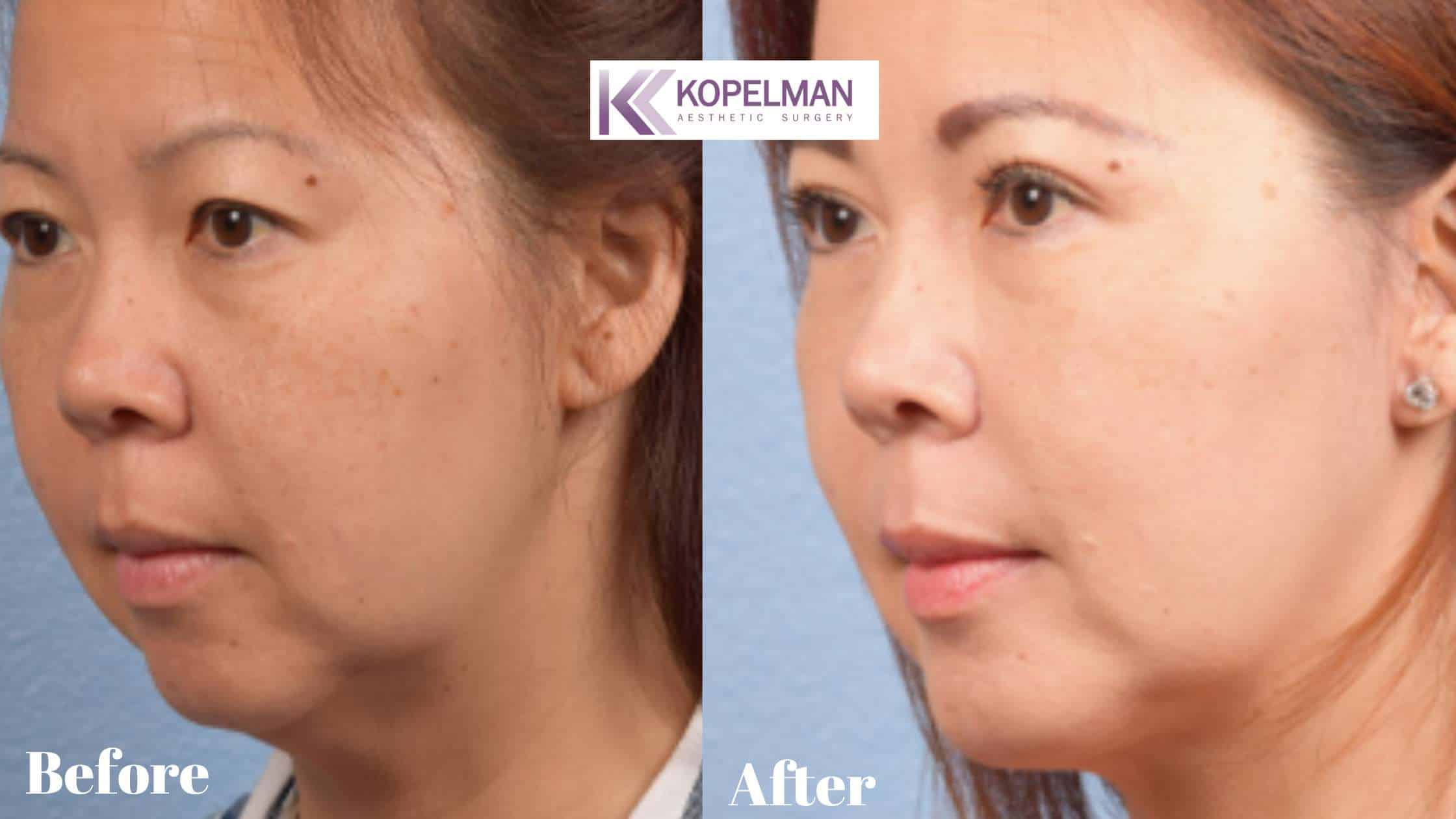
- Blepharoplasty before and after results show that patience is key – outcomes may take weeks or months, and patients can learn more about the blepharoplasty recovery timeline from their surgeon, even though travel may be possible much earlier.
Comparing With Other Surgeries
Patients also ask about flying after other procedures. For example, after rhinoplasty surgery, surgeons recommend waiting at least two weeks because swelling affects delicate nasal tissues.
Other surgeries, such as facelifts or body contouring, also limit travel. Any surgery involving general anesthesia, significant swelling, or sutures requires careful timing before flights.
Activities to Avoid During Recovery
Patients should avoid swimming, diving, and hot tubs in the weeks after surgery, since these activities expose incisions to bacteria and slow healing. Heavy lifting and intense exercise should also be postponed for at least two weeks.
Proper incision care is critical. Cleanse gently, apply prescribed ointment, and do not pick at crusts. These steps lower the risk of infection and support safe healing.
Travel Preparation and Safety Tips
Patients cleared for travel should take simple precautions:
- Artificial tears: Keep eyes moist during flights.
- Wear sunglasses: Protect from light, wind, and dust.
- Swelling and pressure: Use cold compresses before flights and stay hydrated.
- Short car trips first: Begin with short travel before long-haul flights.
- Doctor clearance: Always confirm with your surgeon before booking.

Returning to Normal Activities
Most patients can return to light work within days after surgery, but physical activity such as exercise and heavy lifting should be avoided for at least two weeks. Following restrictions prevents complications.
Long-term care includes protecting scars from the sun, following wound care routines, and attending follow-up visits. Most patients resume full activities within weeks, while results continue to improve.
Expert Insights on Flying After Blepharoplasty
Blepharoplasty is one of the most common plastic surgery procedures, and many patients want to know about blepharoplasty cost as well as when flying is safe afterward. The timeline depends on the type of eyelid surgery, the healing process, and the surgeon’s advice.
Dr. Joel Kopelman emphasizes that following postoperative instructions and prioritizing recovery are essential for safe travel. By waiting the recommended days after surgery, using artificial tears and sunglasses, and consulting your surgeon, patients can travel with confidence and protect their results.
To receive personalized guidance based on your unique case, schedule a private consultation with Dr. Kopelman at Kopelman Aesthetic Surgery.