
This article explains how dermal fillers are used in clinical practice, what causes these lines, and how treatment decisions are made, with factual context from Kopelman Aesthetic Surgery and Dr. Joel Kopelman as a medical authority.
Key Takeaways
- Dermal fillers can soften marionette lines by restoring structural support in the lower face, but results depend on anatomy, skin quality, and facial movement rather than simply filling the crease.
- Hyaluronic acid fillers are commonly used because they integrate smoothly with tissue, allow precise placement, and can be adjusted or dissolved if needed.
- Effective treatment planning focuses on facial balance and support points, since injecting only the visible line can worsen mouth downturn or add heaviness.
- Results typically last 9 to 18 months, with maintenance treatments often required due to constant movement around the mouth.
- Safety and outcome quality rely heavily on injector experience, careful technique, and realistic expectations about what fillers can and cannot correct.
Do Dermal Fillers for Marionette Lines Work?
Dermal fillers can soften marionette lines by restoring lost volume and supporting the lower face. The goal is to reduce the shadowing that makes the mouth corners appear downturned. How filler works depends on where the volume loss has occurred and on how the facial muscles interact with the injected material.
Fillers do not remove lines permanently or stop aging. They are one of several treatments for marionette lines, primarily addressing volume loss and contour changes that contribute to these folds. When carefully planned, treatment can create a smoother transition between the cheek, mouth, and chin.
Comparison of Marionette Line Treatments
Several approaches may be considered when evaluating treatments for marionette lines. Each option addresses a different aspect of facial aging, such as volume loss, muscle activity, or skin laxity. Understanding these differences helps patients choose an appropriate starting point.
Dermal fillers restore structural support and are often used when volume loss is the primary concern. Botulinum toxin is an injectable medication that temporarily relaxes muscles that pull the corners of the mouth downward, which can help when muscle activity contributes to a downturned appearance. Unlike fillers, it does not add volume, so treatment choice depends on whether volume loss, muscle movement, or both are involved.
What Causes Marionette Lines?
Marionette lines form due to a mix of structural and skin changes. Bone resorption in the jaw, loss of fat pads, and skin thinning all contribute. Repeated facial movement around the mouth adds to crease formation over time.
These lines often appear alongside other signs of aging, such as the nasolabial fold, which runs from the nose to the corners of the mouth. Gravity also shifts soft tissue downward as support weakens. Genetics, sun exposure, and smoking can accelerate these changes.
How Marionette Lines Differ From Other Facial Folds
Marionette lines differ from other facial folds in both anatomy and movement. Unlike forehead lines, they are heavily influenced by gravity and loss of structural support. Muscle activity around the mouth further affects their depth and appearance.
These lines also behave differently from the nasolabial fold, which is supported by cheek volume. Marionette lines sit lower on the face and rely more on jawline and chin support. This distinction explains why treatment planning must extend beyond the visible crease.
Best Dermal Fillers for Marionette Lines
In clinical practice, the best filler for marionette lines is usually a hyaluronic acid filler with moderate firmness that can provide support without restricting movement. Products in this category are designed to integrate smoothly into deeper tissue while maintaining flexibility around the mouth. This balance is essential because the area is highly dynamic during speech and expression.
Fillers such as Restylane Lyft may be considered when deeper structural support is needed, especially in patients with noticeable volume loss along the jawline. Softer fillers may be used in more superficial planes for refinement. The final choice depends on anatomy, the depth of the fold, and the amount of support required, rather than a single universal product.
Key Factors That Guide Filler Selection
Several factors influence clinicians’ choice of a filler for the lower face. These considerations help match product properties to patient anatomy. Selection focuses on balance rather than isolated line correction.
Key factors include:
- Depth of the marionette line
- Skin thickness and elasticity
- Jawline and chin support
- Facial movement patterns
Why Hyaluronic Acid Fillers Are Preferred
Hyaluronic acid fillers are commonly used because they integrate well with tissue. They attract water, which helps maintain softness and flexibility. These fillers can also be adjusted or dissolved if needed.
Their safety profile and reversibility make them suitable for the lower face. For this reason, many facial plastic surgeons rely on them when treating marionette lines.
Common Filler Characteristics Used for Marionette Lines
Different hyaluronic acid fillers vary in firmness and spread, which affects how they support the lower face. Clinicians choose products based on depth, movement, and surrounding anatomy. Selection aims to restore support without adding weight near the mouth.
Examples of fillers used in this area may include Restylane Lyft, which provides firmer structural support when deeper volume replacement is required. Product choice always depends on individual anatomy and treatment goals.
Dermal Fillers or Botox for Marionette Lines?
Dermal fillers and botulinum toxin (Botox) serve different purposes. Fillers restore volume and structural support. Botulinum toxin reduces muscle activity that pulls the corners of the mouth downward.
In some cases, a combined approach is used. Fillers address volume loss, while botulinum toxin reduces muscle tension. Treatment choice depends on whether lines are caused more by movement or by tissue loss.
How Filler for Marionette Lines Is Done
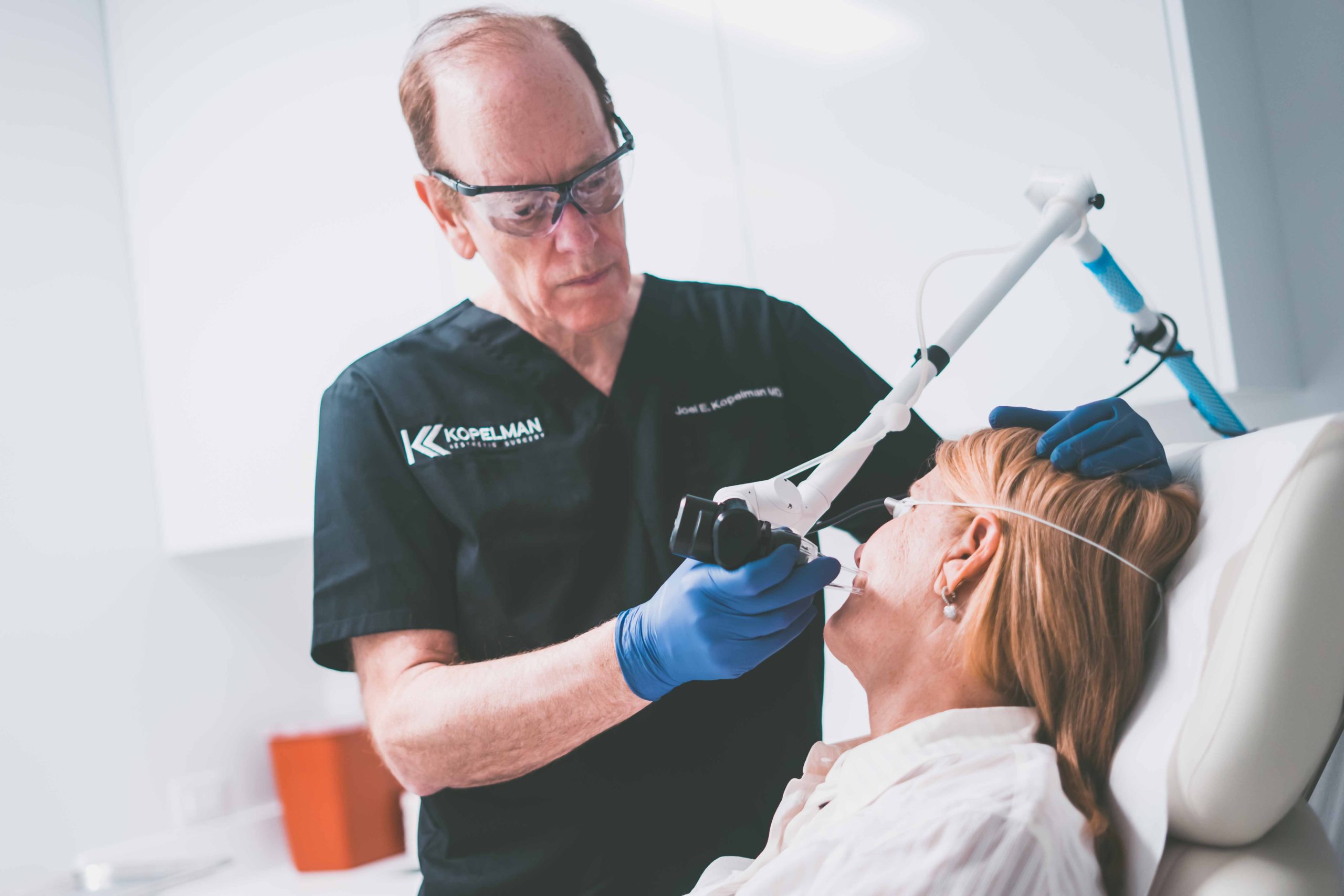
Treatment begins with a detailed facial assessment. The injector evaluates symmetry, muscle movement, and areas of volume loss. Planning also includes identifying the safest injection site based on vascular anatomy.
A filler for marionette lines is placed in small amounts using a needle or cannula. This filler treatment focuses on support rather than filling the crease itself. Proper depth and placement help maintain natural expression and reduce irregularities.
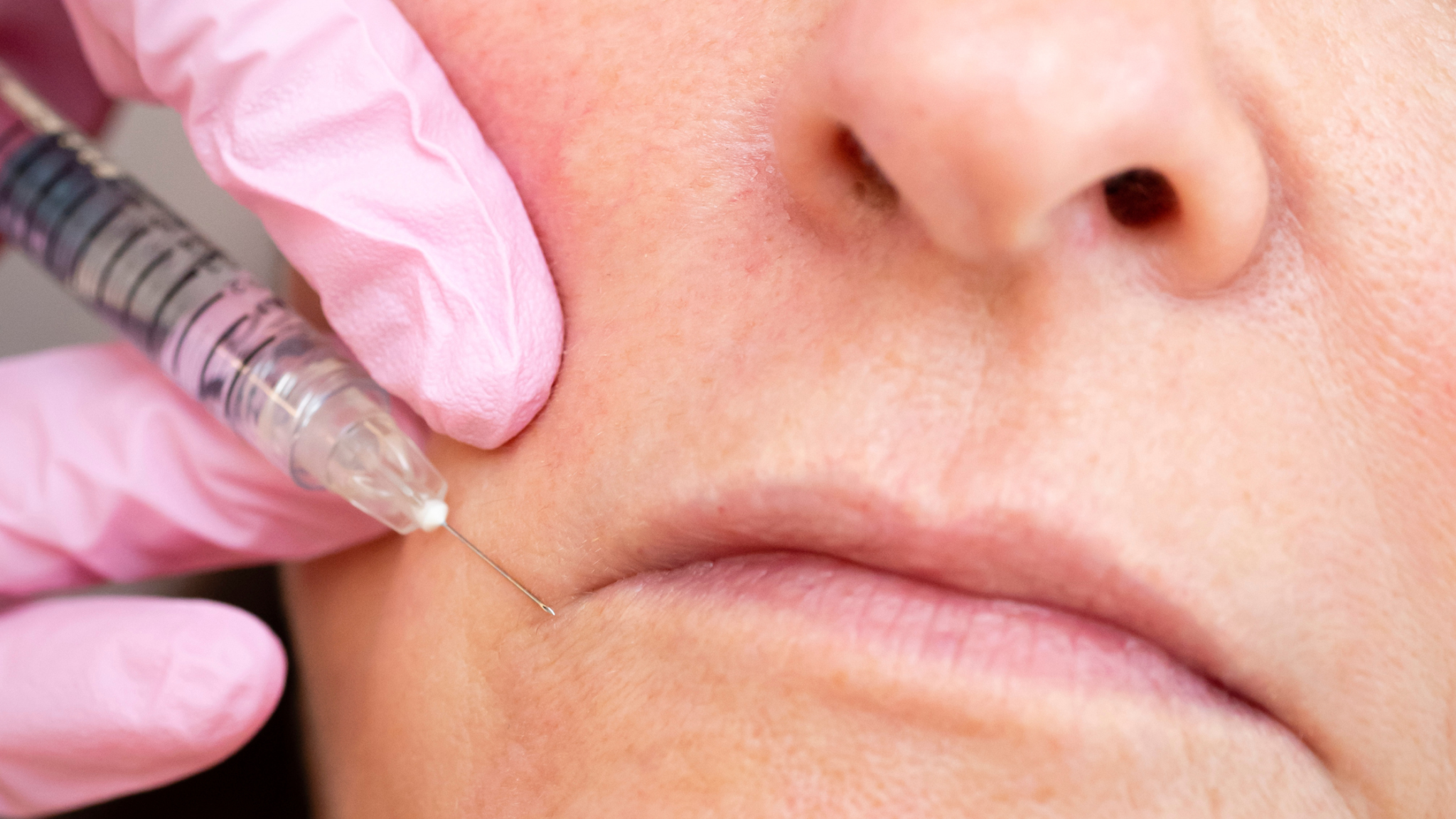
In some cases, treatment planning overlaps with approaches used for jowl and marionette line fillers, since both areas rely on lower-face support.
What to Expect After Filler Treatment
Most patients experience mild swelling or tenderness after treatment. These effects usually resolve within a few days. Bruising may occur near the mouth due to the density of blood vessels.
Normal activities can often be resumed shortly after the procedure. Providers may advise avoiding pressure, intense exercise, or facial massage for a short period. Following aftercare instructions supports proper filler settling.
Common Misconceptions About Marionette Line Fillers
Patients often assume that filling the visible crease alone will correct marionette lines. In practice, treating only the line can worsen the mouth downturn by adding weight without support. Structural planning usually produces more balanced results.
Another misconception is that more filler leads to better outcomes. Overfilling can distort facial proportions and affect natural movement. Conservative treatment helps maintain facial harmony.
Can Filler Be Injected Directly Into Marionette Lines?
Direct injection into the crease is not always ideal. In many cases, support is added to adjacent areas such as the jawline or corners of the mouth. This indirect method reduces tension on the fold.
Injecting directly into the line may be appropriate for shallow creases. The decision depends on depth, skin quality, and overall facial structure. Technique selection is a key safety factor.
How to Interpret Before and After Photos
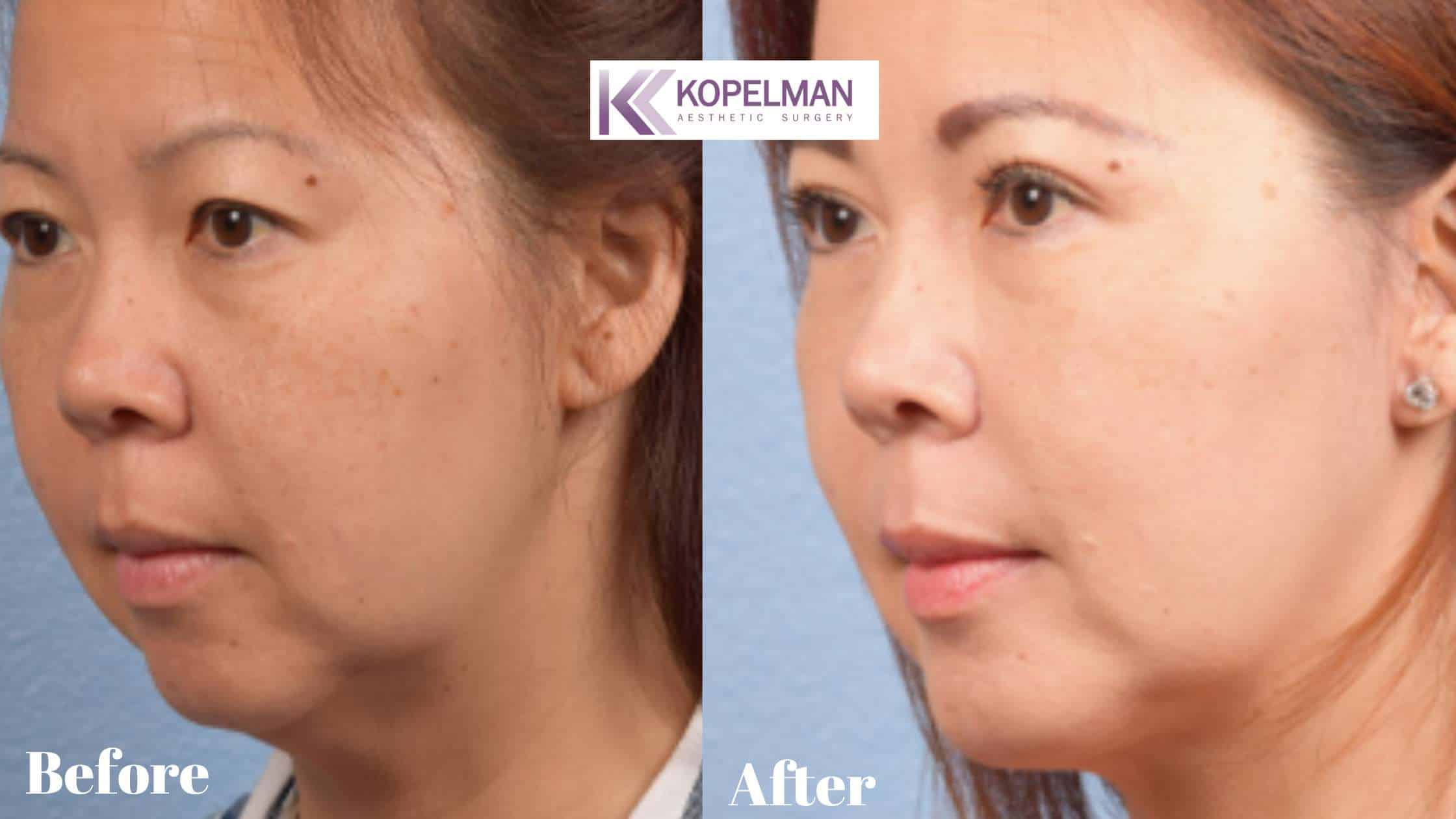
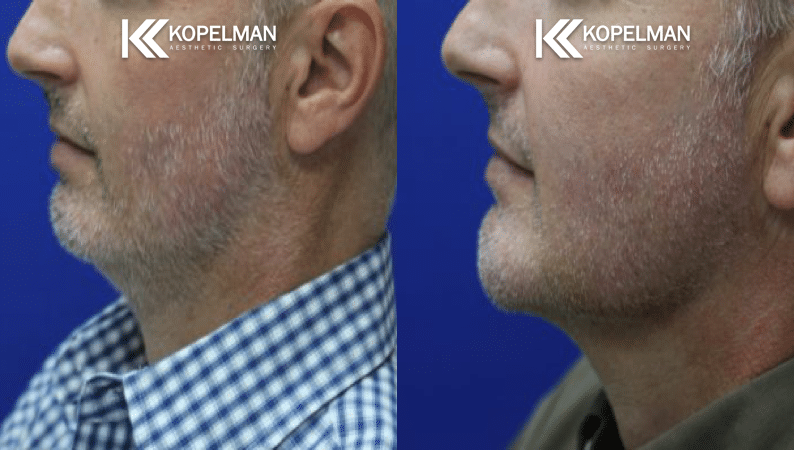
Before-and-after photos should be reviewed with attention to facial expression, lighting, and head position. Neutral facial posture provides the most accurate comparison, as smiling can temporarily reduce or exaggerate marionette lines. Differences in lighting angle may also change how shadows appear around the mouth.
Photos show typical changes, not guaranteed outcomes. Subtle improvement is common and often preferred to avoid stiffness near the mouth. Results vary based on anatomy, skin quality, and treatment approach.
Dermal Fillers for Marionette Lines Before and After
Before-and-after comparisons help set expectations. Changes are usually subtle, focusing on softening rather than erasing lines. Facial balance and mouth position are necessary outcome measures.
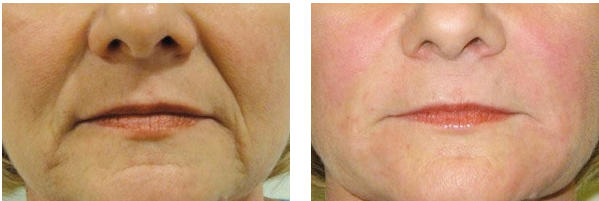
Lighting, facial expression, and angle affect how results appear. Photos should be viewed in context and not as guarantees. Individual anatomy leads to varied responses.
Why Subtle Correction Is Often Preferred
Subtle correction helps maintain natural facial movement. Overcorrection in the lower face can affect speech, expression, and balance. Small, staged treatments often provide more predictable outcomes.
Gradual improvement also allows adjustments over time. This approach reduces the risk of heaviness near the mouth. Conservative planning aligns with long-term facial aging management.
How Long Do Dermal Fillers for Marionette Lines Last?
Longevity depends on filler type, placement depth, and metabolism. Many treatments last between 9 and 18 months. Movement around the mouth can shorten the duration compared to less mobile areas.
Maintenance treatments are common. Gradual touch-ups help preserve balance without overfilling. Timing varies by patient and product choice.