

Key Takeaways
- Lip fillers have not been proven unsafe during breastfeeding, but there is limited research, so doctors usually take a cautious approach.
- Medical advice relies on biology and indirect evidence because clinical studies in breastfeeding patients are rare.
- Hyaluronic acid fillers tend to remain in the local tissue, suggesting a low risk of entering breast milk, though this has not been confirmed.
- If you already had lip fillers while breastfeeding, doctors usually recommend monitoring rather than immediate action.
- Many providers suggest waiting until breastfeeding ends to avoid uncertainty, since delaying treatment does not affect future options.
Is It Safe to Get Lip Fillers While Breastfeeding?
This question does not have a clear yes-or-no answer. Most medical guidance is careful because there is limited research on cosmetic injectables during breastfeeding. Doctors often avoid elective cosmetic procedures when safety data is incomplete.
This concern is common among patients in the postpartum period. Many ask as part of careful planning rather than urgency. Addressing it early helps reduce worry and keeps the discussion focused on medical facts.
When doctors discuss lip filler and breastfeeding, they focus on reducing risk rather than cosmetic goals like lip enhancement, smoothing fine lines, or other aesthetic changes. Many recommend waiting until breastfeeding ends to avoid unknowns. This advice reflects caution, not evidence of harm.

How Lip Fillers Interact With Breastfeeding
Medical guidance on breastfeeding often depends on the strength of the evidence. Strong evidence usually comes from clinical studies, which are rarely done in breastfeeding patients due to ethical concerns. Because of this, doctors rely on indirect data and basic biology. This lack of data does not mean fillers are dangerous. It means safety has not been proven in breastfeeding patients. This explains why medical guidance remains cautious.
Dermal fillers add volume under the skin, most often using hyaluronic acid. This substance is naturally occurring in the body and supports skin hydration. When injecting dermal fillers, doctors place the product at specific injection sites where it stays localized as it slowly breaks down.
Doctors also consider fillers at a molecular level. Hyaluronic acid fillers are made of large molecules designed to remain in place. This design lowers the chance they enter breast milk.
Even so, small amounts entering the bloodstream cannot be ruled out entirely. Without studies confirming whether fillers enter breast milk, doctors avoid firm safety claims. This uncertainty supports a cautious approach.
Hyaluronic Acid Fillers While Breastfeeding
Hyaluronic acid is a naturally occurring substance found in skin and connective tissue. In filler form, it is modified to prolong its residence in tissue. Despite this, its safety during breastfeeding has not been formally studied.
Because of this gap, doctors cannot confirm that these fillers pose no risk to infants. Most advice is based on missing data rather than known harm. This difference matters when weighing potential risks.
Juvederm and Other Fillers
Juvederm and similar products are among the most popular fillers and are based on hyaluronic acid. The type of filler does not change the lack of breastfeeding-specific data. Brand differences mainly affect texture and longevity.
How Long After Fillers Can You Breastfeed?
There is no single rule for how long to wait. Many doctors believe the risk of transfer is low. Still, low risk is not the same as proven safety.
Some providers suggest waiting 24 hours as a precaution. Others recommend a 24-hour window to allow early swelling to settle. The approach often depends on comfort and medical judgment.
What If You Got Lip Fillers While Breastfeeding
Doctors often suggest watching for redness, swelling, or infection at the injection sites. There is no evidence that urgent action is needed in most cases. Talking with a provider can help clarify next steps.
Dissolving Lip Fillers While Breastfeeding
Some patients ask about dissolving fillers if they become concerned. Dissolving uses an enzyme called hyaluronidase to break down the filler. This differs from the original injection.
Doctors treat dissolving as another injectable exposure. Because research on breastfeeding patients is limited, they apply similar caution. Decisions depend on symptoms and urgency.
Can You Get Lip Filler Dissolved While Breastfeeding?
Whether dissolving is advised depends on the situation. Hyaluronidase has been used safely in many medical settings. Still, there are no studies focused on breastfeeding.
Doctors may recommend dissolving if there is a serious issue, such as an infection. If there is no urgent problem, waiting is often suggested. Safety remains the priority.
Can You Get Botox While Breastfeeding?
Botox affects muscle signaling rather than adding volume. It stays localized and uses minimal doses. Still, studies on breastfeeding patients are limited.
Some doctors view Botox as lower risk due to how it works. Others still advise waiting. Shared decision-making is everyday.
Risks and Why Doctors Are Cautious
The primary concern is uncertainty, not known harm. There are no controlled studies on the use of fillers in breastfeeding patients. Ethical limits make these studies difficult.
There are no well-documented cases of harm to breastfed infants from fillers. Still, the lack of harm reports does not prove safety. This distinction guides medical advice.
Doctors also consider indirect factors such as infection, inflammation, and medications used after treatment. These elements contribute to the overall assessment of potential risks. Patient safety comes first.
Should You Wait Until After Breastfeeding?
In most cases, yes, doctors recommend waiting until after breastfeeding before receiving lip fillers. This advice is not based on proven harm, but on limited research and the desire to avoid unnecessary uncertainty during breastfeeding. Waiting is considered the more cautious medical choice for elective cosmetic procedures.
Once breastfeeding ends, patients can proceed without the same unanswered safety questions. For many, waiting offers clarity and peace of mind during the postpartum period.
Alternatives to Lip Fillers While Breastfeeding
Some patients prefer alternatives to lip fillers during breastfeeding. Options include skin care, hydration, makeup, and lip plumping glosses that offer temporary fullness. These approaches avoid injections.
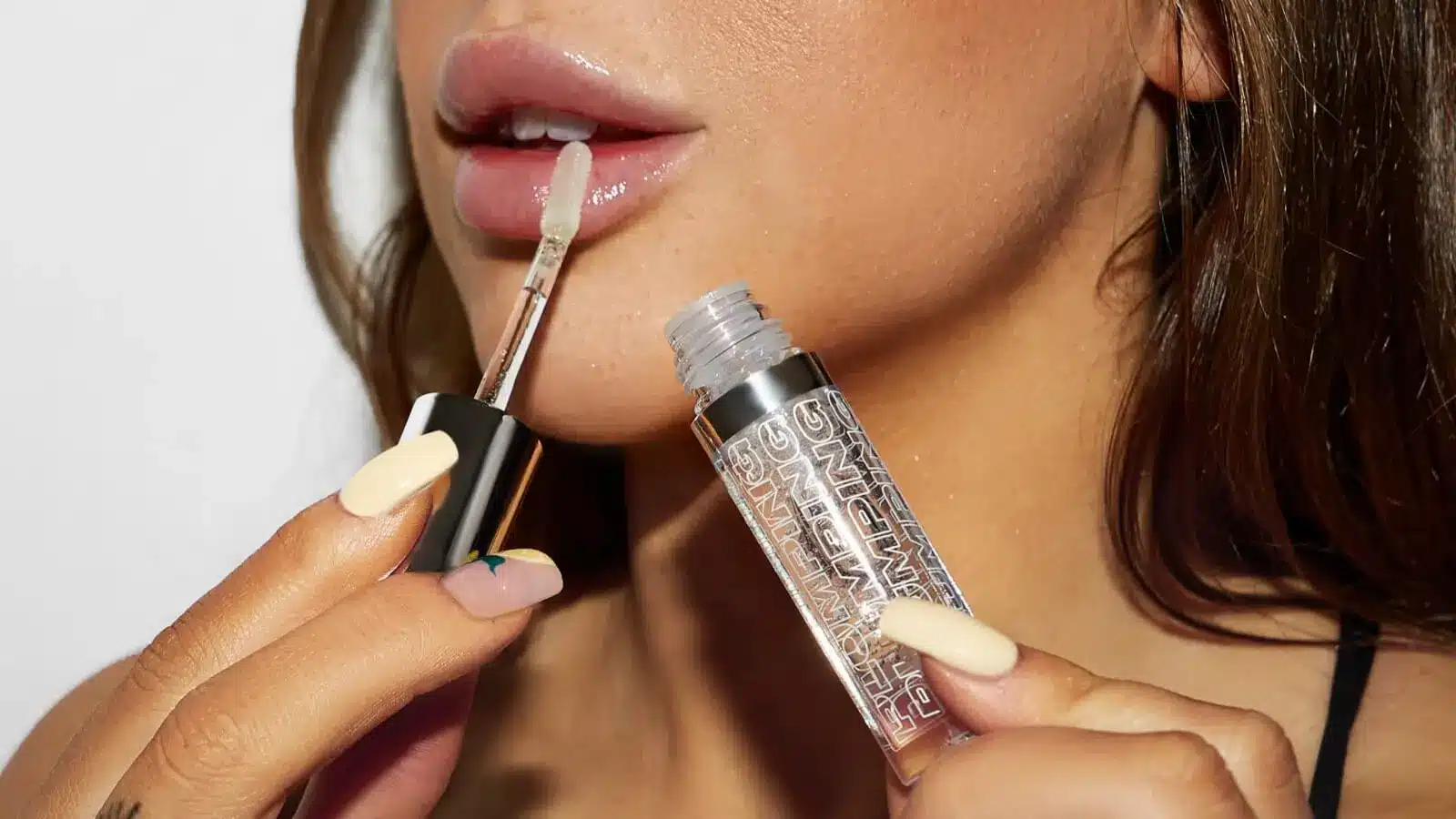
While these options do not involve injecting dermal fillers, they allow cosmetic care without receiving lip fillers.
If you have questions about lip fillers while breastfeeding, a consultation can help clarify your options. You can schedule a visit with Dr. Kopelman to discuss timing and safety based on your medical history.