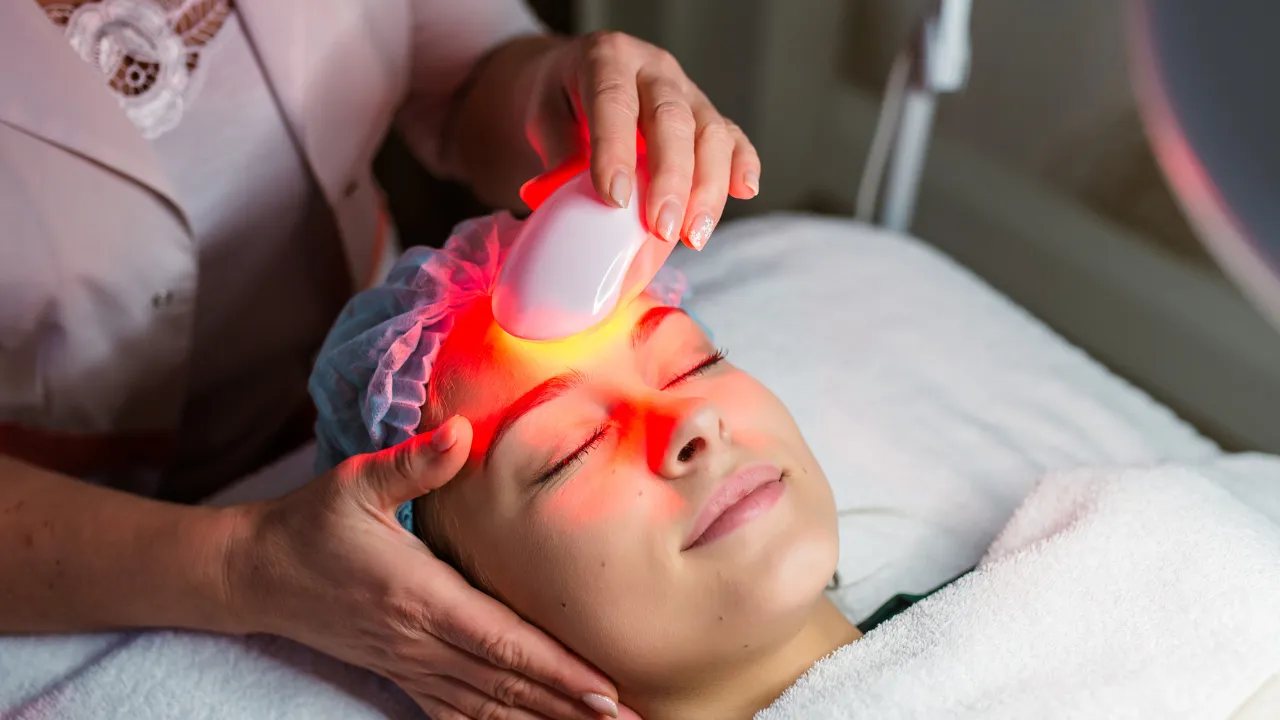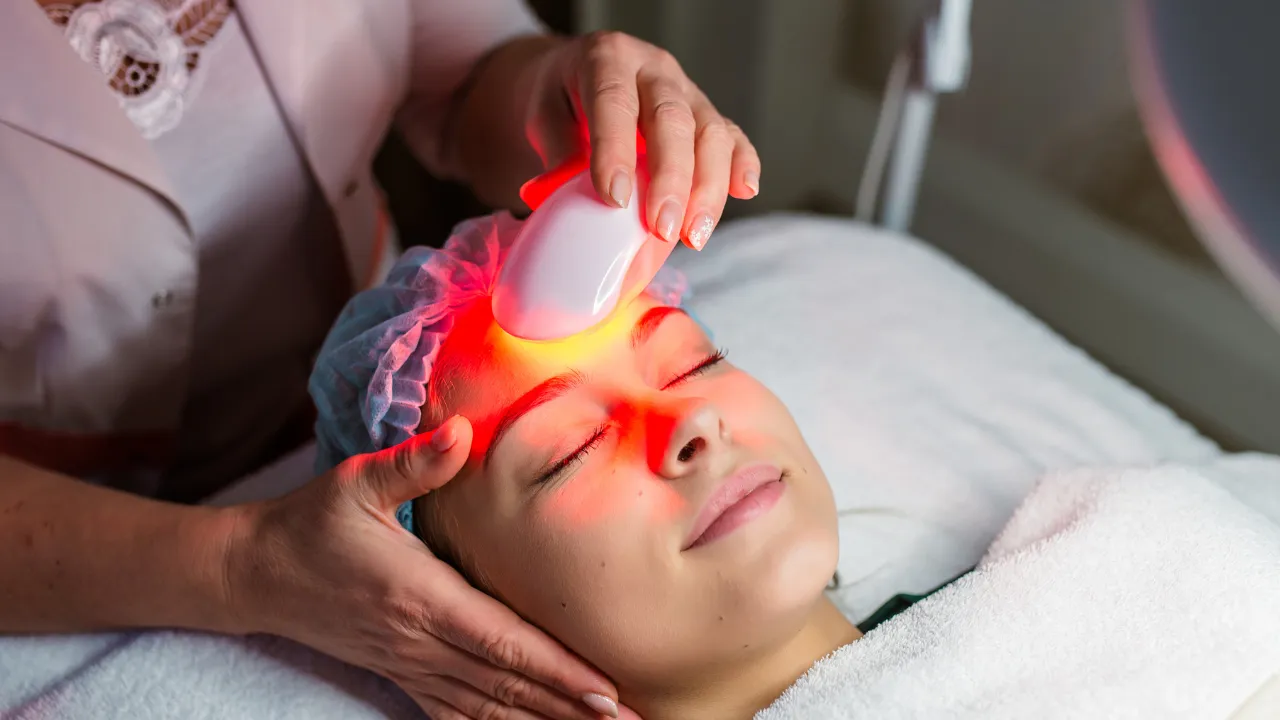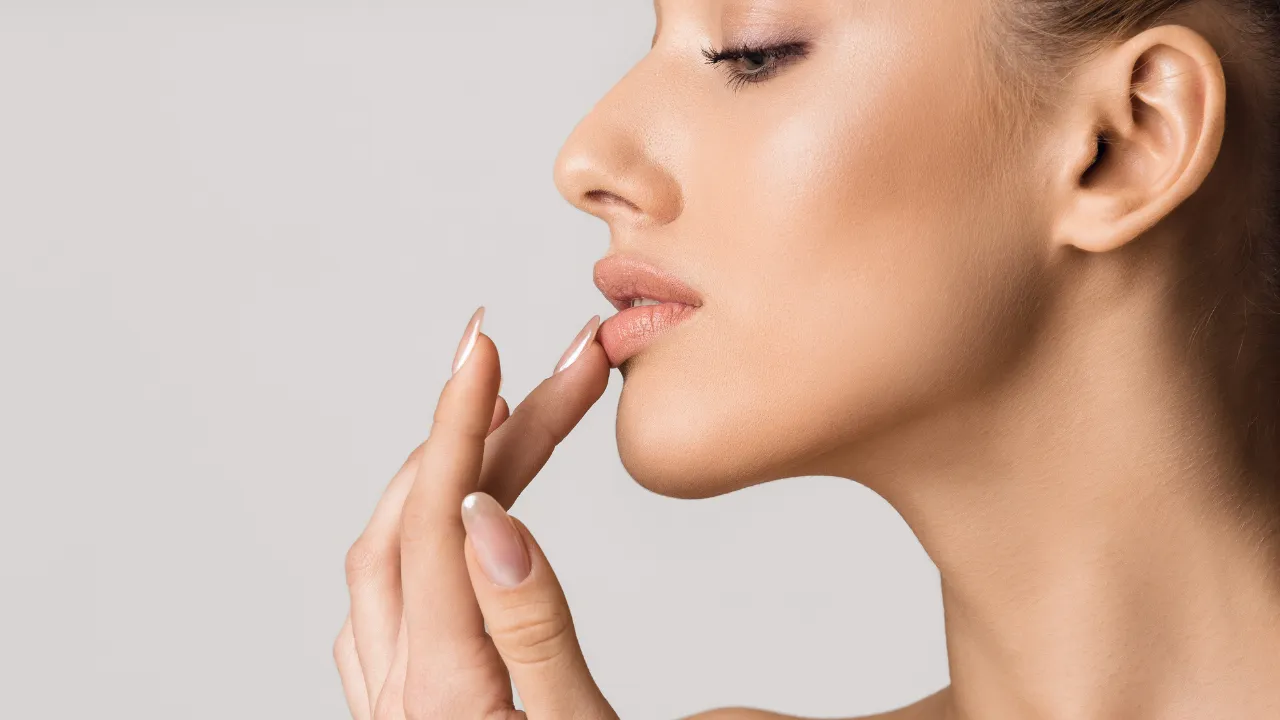


You should usually wait at least 24 to 48 hours before kissing after lip fillers, and up to 72 hours before passionate or pressure-heavy kissing. This gives the lips time to settle and helps reduce irritation, swelling, and tenderness, as well as the risk of filler shifting. Light, gentle pecks may be safer after the first day, but intense contact should wait until the lips feel less sore and swollen.
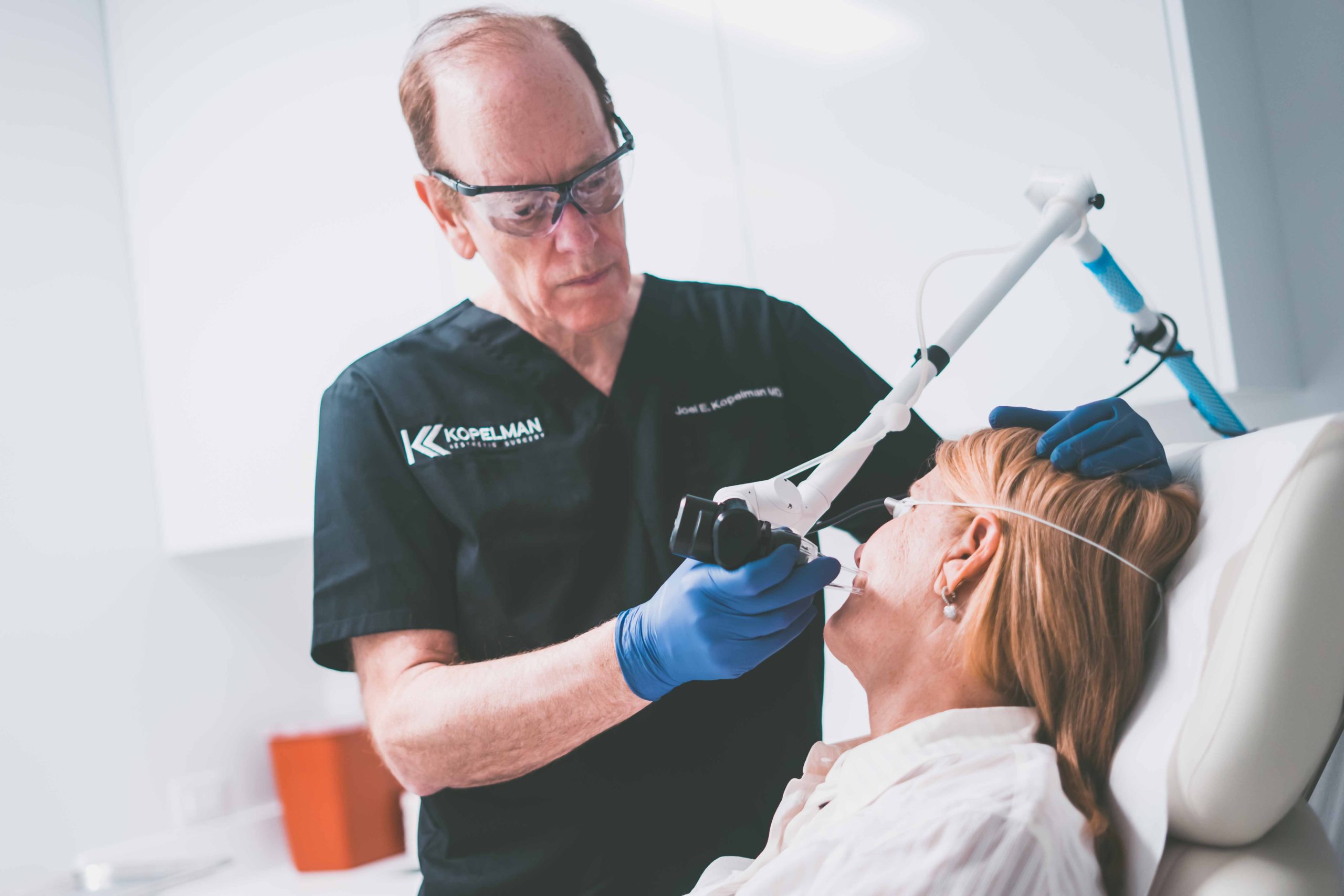
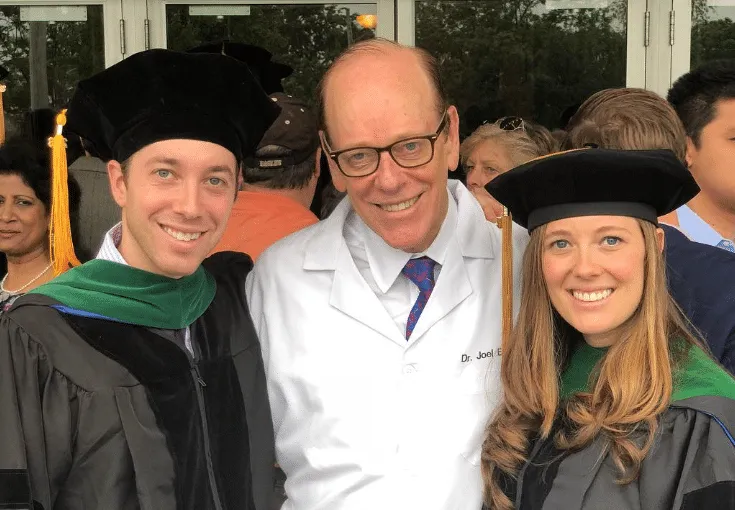
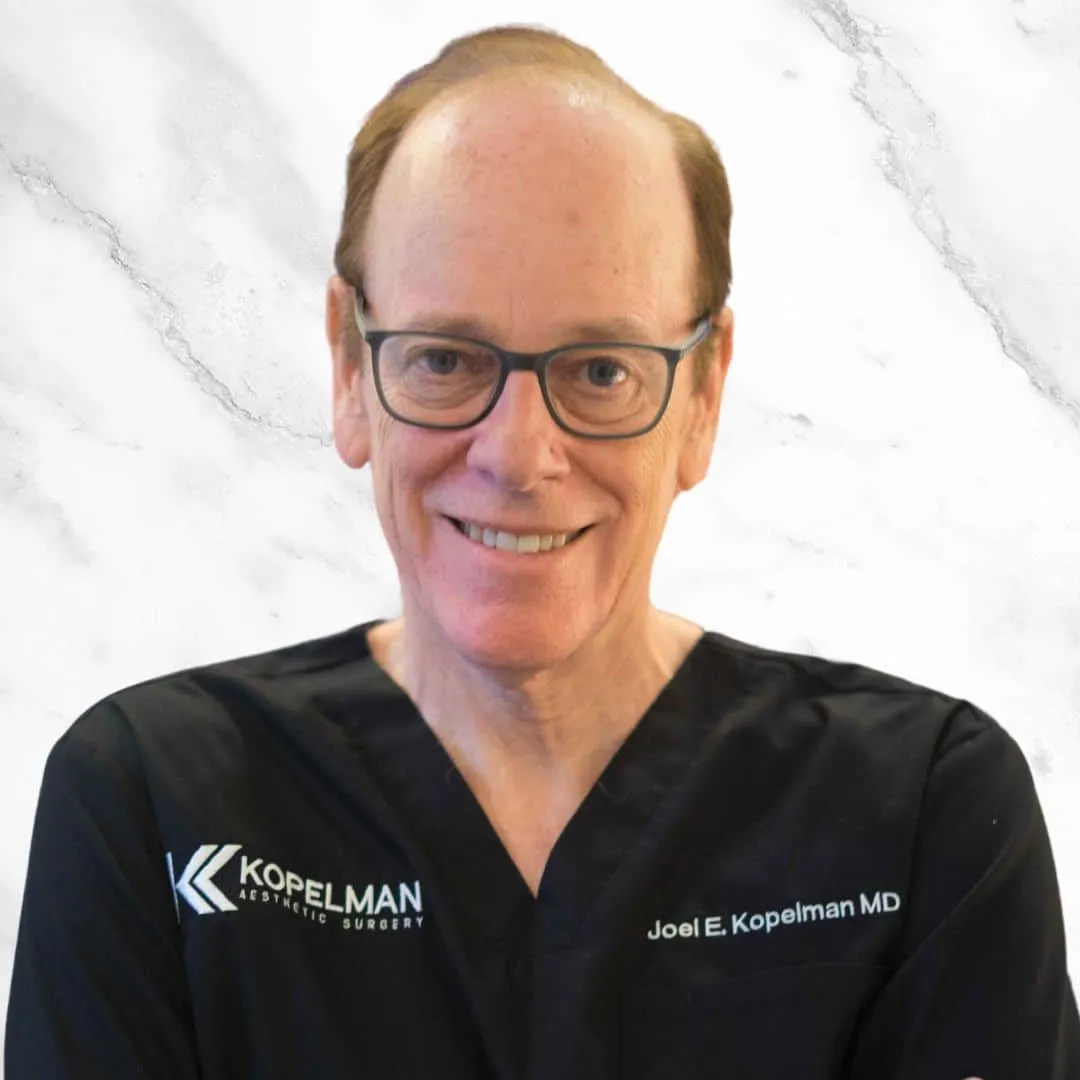
Dr. Joel Kopelman, a facial plastic and oculoplastic surgeon at Kopelman Aesthetic Surgery, explains that early post-treatment care choices can affect comfort and recovery.
This article explains when it may be safe to kiss, why waiting matters, and how the lips heal after lip filler injections, within the context of cosmetic plastic surgery.
Key Takeaways
- Most providers suggest waiting to kiss after lip fillers until swelling and soreness have subsided, since pressure can slow healing and reduce comfort.
- The first 24 to 48 hours are often the most sensitive, and many patients experience some swelling during this period.
- Lips are very sensitive because of strong blood flow, frequent movement, and delicate lip tissue.
- Ongoing swelling, rising pain, or changes in lip shape should be checked by a medical provider.
How Long After Lip Fillers Can You Kiss Safely?
In most cases, it is safest to wait 24 to 48 hours after lip filler treatment before kissing. This period allows early swelling and tenderness to decrease and gives the filler time to begin stabilizing within the lip tissue. Light contact may feel comfortable sooner for some people, but firm or prolonged pressure should be avoided during this stage. Waiting during the post-lip-injection recovery phase helps reduce discomfort and support proper healing.
The exact timing can vary depending on the amount of swelling you experience, the type of dermal fillers used, and how your body responds to treatment. Many patients experience some swelling during the first two days, especially after hyaluronic acid fillers. Waiting until tenderness improves lowers the chance of irritation. When in doubt, giving the lips extra time to rest is the safer choice.
Why Kissing Too Soon Can Affect Results
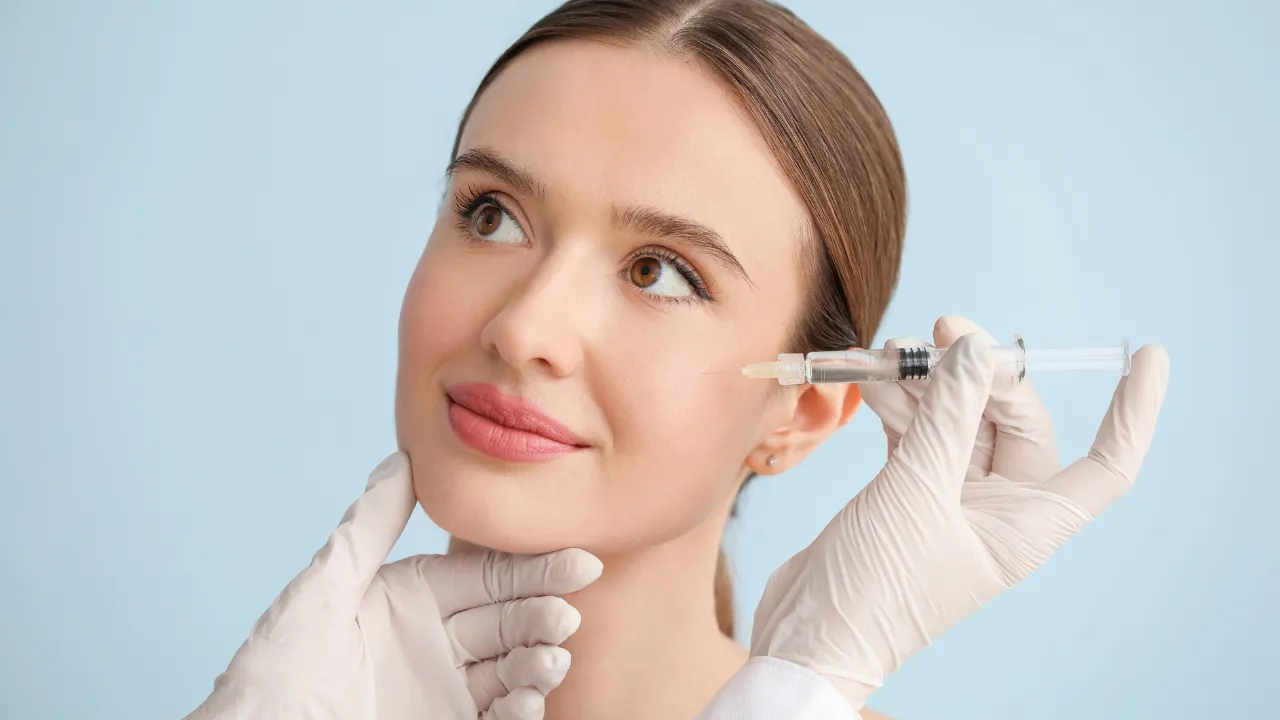
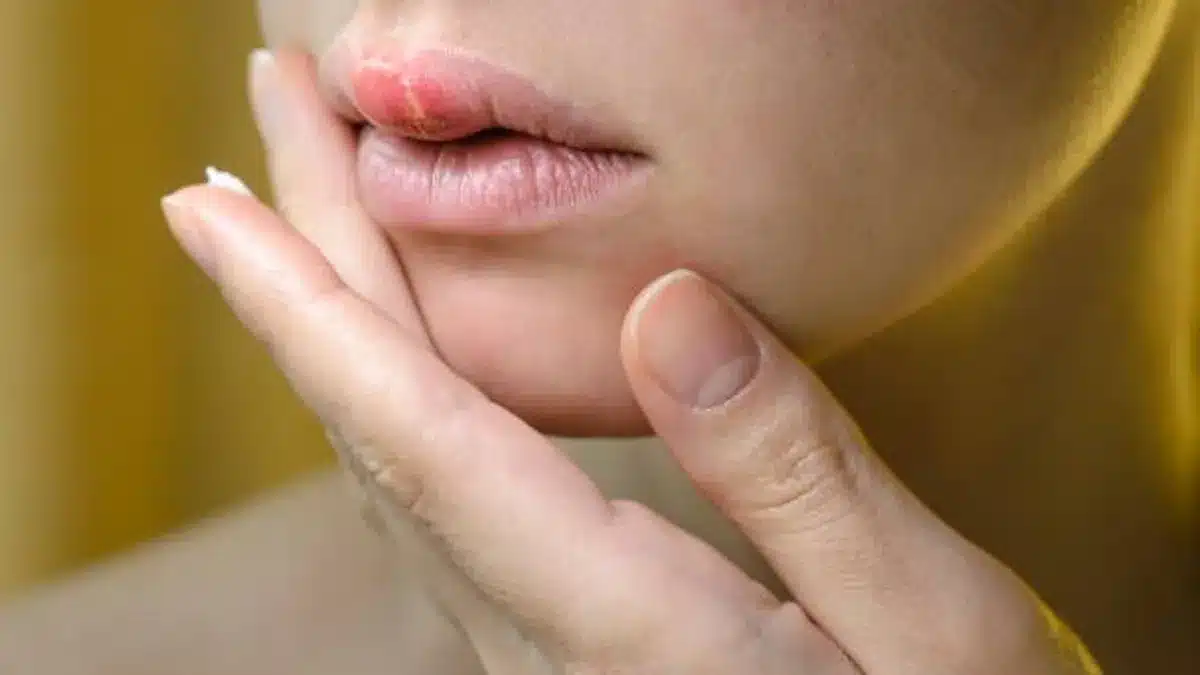
Kissing puts pressure on lips that are still healing from lip filler injections. This pressure can increase swelling and bruising around the injection sites. Lip movement can affect blood flow, potentially slowing healing in the early phase. Because of this, pressure can stress the treated area.
After treatment, the filler needs time to settle properly. Swelling, firmness, and tenderness are common side effects, and many patients experience some swelling during this stage. Too much pressure can slow recovery and affect comfort. Waiting helps protect results instead of rushing toward a perfect pout.
Activities to Avoid After Lip Fillers
Kissing after lip fillers is not the only habit that can affect recovery. Actions that involve suction, pressure, or friction can also cause discomfort. Avoiding these activities for a short time helps protect healing tissue.
Many patients also ask about hot beverages, since heat can increase swelling, and questions like whether they can drink coffee after lip fillers are common during the first day of recovery. Using a straw creates suction that stresses the lips and increases soreness.
Lipstick can add pressure and may raise the risk of infection if applied too soon. Alcohol can also affect blood flow and swelling, which is why people often ask whether they can drink alcohol after lip fillers during the early healing period.
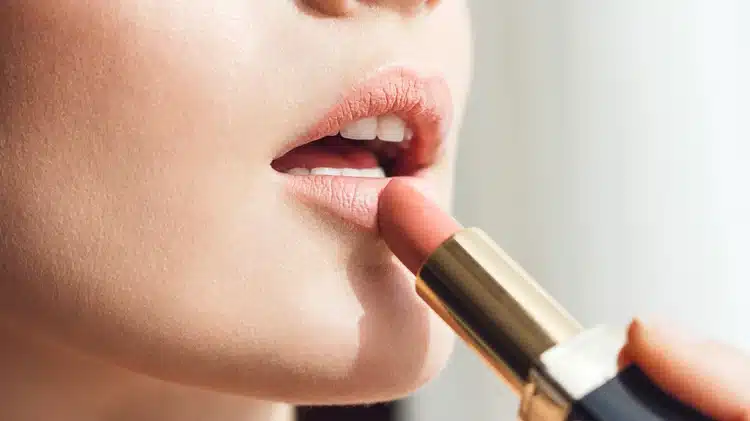
Many providers suggest waiting at least 24 hours before resuming these habits.
Aftercare Tips to Support Healing
Simple aftercare steps can support comfort after a lip filler treatment. Applying ice packs for short periods may help limit swelling and bruising. Drinking plenty of water supports hydration and overall healing. These steps focus on comfort rather than appearance.
When to Contact Your Provider
Mild swelling and soreness are normal after dermal filler treatment. Pain that worsens, swelling that does not improve, or changes in lip shape may need medical review. A qualified plastic surgeon can assess healing and guide the next steps within a plastic surgery setting. Reaching out early supports safe recovery and peace of mind.
If you have questions about recovery or want guidance tailored to your situation, scheduling a consultation can help clarify next steps. A qualified provider can review your concerns and offer personalized advice based on your treatment and healing progress.